

 EN
EN
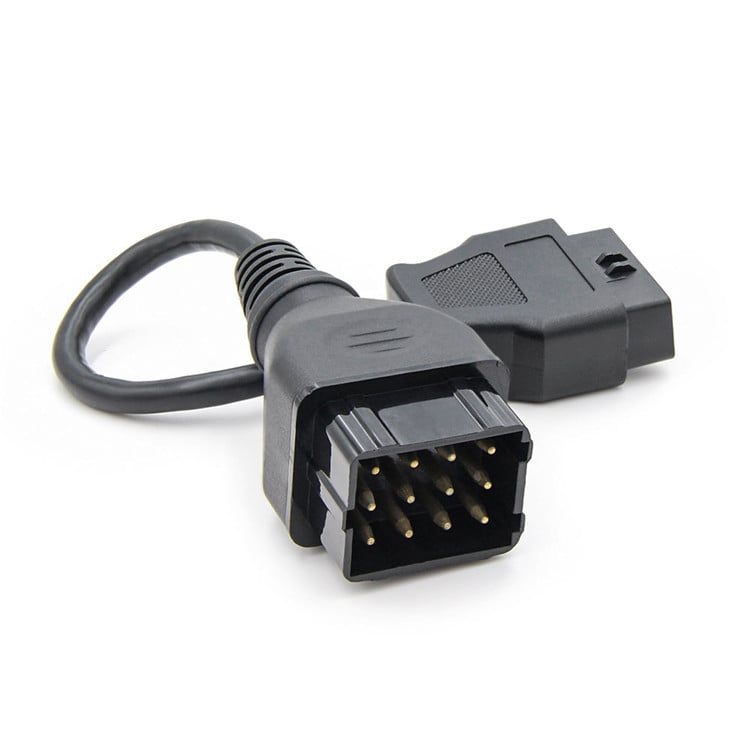
The OBD extension cable has become an essential component across a wide range of automotive and industrial applications. As on-board diagnostic systems grow more complex and physically constrained, the flexible OBD extension cable solves a persistent problem: giving technicians and devices reliable, repositionable access to a vehicle's diagnostic port. Understanding exactly where these cables are deployed helps buyers, engineers, and fleet operators choose the right configuration for their specific environment.
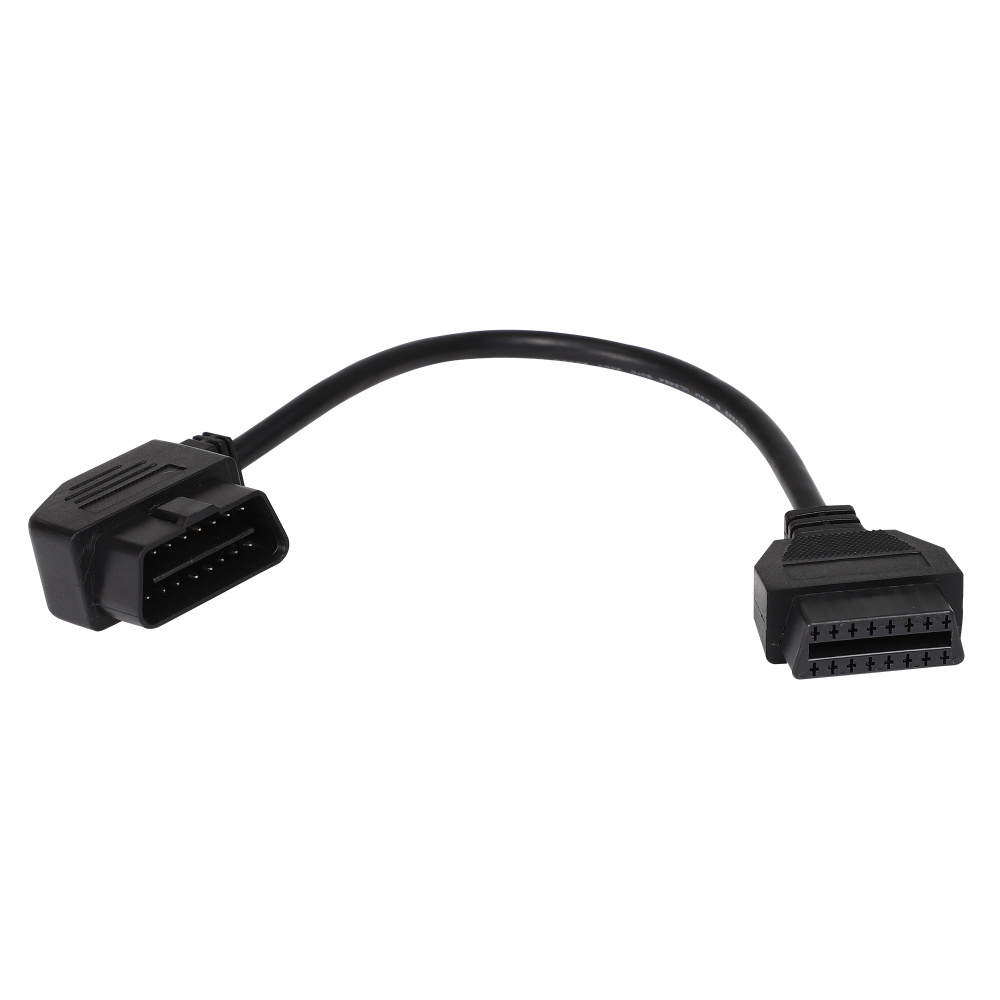
A flexible OBD extension cable is not a single-purpose product. Its design — featuring a 16-core wiring arrangement, a durable yet pliable outer jacket, and standard OBD2 connector interfaces — means it can be deployed in remarkably different settings. From professional repair workshops to long-haul fleet telematics, the OBD extension cable serves as a critical bridge between diagnostic instruments and vehicle systems. The following sections explore the primary deployment scenarios in detail.
Automotive Repair Workshops and Diagnostic Bays
Enhancing Technician Reach at the Service Bay
One of the most common places where a flexible OBD extension cable is deployed is the professional automotive repair workshop. In a typical service bay, the OBD port on a vehicle is often recessed beneath the dashboard, partially blocked by trim panels, or positioned at an awkward angle for connecting scan tools. A flexible OBD extension cable resolves this by relocating the accessible connection point to a position that is comfortable and practical for the technician. When a workshop handles dozens of vehicles per day, this small adjustment significantly reduces diagnostic setup time.
The OBD extension cable is also widely used when diagnostic equipment must remain stationary on a workbench while the vehicle sits at a distance. Rather than repositioning heavy scan tools or running long data cables across the floor, technicians connect a flexible OBD extension cable directly to the vehicle port, then route the cable to their workstation. This approach keeps the workflow clean, reduces trip hazards, and preserves the integrity of the vehicle's original OBD port by reducing mechanical stress on the connector.
Multi-Bay and Dealer-Level Diagnostic Installations
In larger dealership environments and multi-bay diagnostic centers, the OBD extension cable is often permanently routed as part of a fixed installation. Each bay may have a dedicated OBD extension cable mounted to a retractable reel or fixed bracket, allowing any vehicle to be connected instantly without searching for cables. This systematic use of the OBD extension cable improves throughput, standardizes the diagnostic process, and ensures that connection quality remains consistent across all bays and all technicians.
Fleet Management and Telematics Deployments
Permanent Installation in Commercial Vehicles
Fleet operators represent one of the largest deployment categories for the flexible OBD extension cable. In commercial vehicles such as trucks, buses, delivery vans, and construction equipment, telematics devices must be connected to the OBD port continuously and securely. The OBD extension cable allows fleet managers to mount the telematics unit in a concealed, protected location — such as behind the dashboard, under a seat, or within a locked compartment — while still maintaining a stable OBD connection. This protects the telematics device from tampering, vibration damage, and theft.
A flexible OBD extension cable deployed in fleet vehicles also addresses the physical reality that many commercial vehicle OBD ports are in tight or awkward positions. Without an OBD extension cable, forcing a rigid telematics dongle into a constrained port can cause connector wear or intermittent connections over time. The flexible OBD extension cable absorbs movement, reduces mechanical stress, and ensures reliable data transmission throughout the vehicle's operational life. For fleet operators managing hundreds of vehicles, consistent OBD extension cable performance directly impacts data quality and operational insight.
GPS Tracking and Driver Behavior Monitoring
GPS tracking systems and driver behavior monitoring solutions are frequently deployed using an OBD extension cable as the physical interface. When a GPS device or monitoring module needs to be positioned near the windshield for optimal satellite signal, the OBD extension cable provides the necessary reach from the dashboard OBD port to the desired mounting location. The OBD extension cable carries both power and data signals reliably, meaning the tracking unit receives continuous vehicle data without wireless latency or signal loss. This deployment pattern is particularly common in logistics, passenger transport, and insurance-based vehicle monitoring programs.
Industrial, Testing, and Specialty Vehicle Applications
Mobile Diagnostic Units and Field Testing Equipment
Beyond conventional cars and trucks, the flexible OBD extension cable is deployed extensively in mobile diagnostic units and field testing environments. Automotive engineers, emissions inspection teams, and performance tuning specialists often operate in confined spaces or outdoor settings where the vehicle cannot be brought to a fixed workstation. In these scenarios, the OBD extension cable allows a laptop, emissions analyzer, or data logger to connect to the vehicle's OBD port from a comfortable working distance. The flexible design of the OBD extension cable is especially valuable here because it accommodates movement, different vehicle orientations, and varied physical environments without risking connection failure.
Specialty Vehicles and Non-Standard Port Locations
Many specialty vehicles — including agricultural machinery, airport ground support equipment, and certain heavy-duty industrial vehicles — feature OBD ports that are placed in non-standard locations for practical or safety reasons. In these applications, the OBD extension cable is deployed as a permanent adapter that bridges the vehicle's internal port to a more accessible external point. This enables regular maintenance diagnostics without disassembling protective panels each time. The OBD extension cable essentially becomes part of the vehicle's permanent diagnostic infrastructure, making routine checks faster and reducing the risk of damaging the original port through repeated connection cycles.
FAQ
What cable length is most practical for an OBD extension cable deployment?
The ideal length for an OBD extension cable depends on the deployment context. For workshop bench diagnostics, a length of 1 to 2 meters is typically sufficient. For fleet telematics installations where the device is mounted at a distance from the port, a longer OBD extension cable of 1.5 to 3 meters is common. For permanent specialty vehicle installations, the OBD extension cable length should be determined by the actual routing path inside the vehicle.
Does a flexible OBD extension cable affect diagnostic signal quality?
A well-designed OBD extension cable with a full 16-core wiring structure and quality shielding does not degrade diagnostic signal quality under normal operating conditions. The OBD extension cable must maintain correct pin mapping and use appropriate conductor gauges to preserve data integrity. Poor-quality OBD extension cable products with incomplete wiring or inadequate shielding can introduce noise or data errors, which is why cable specification matters significantly for professional deployments.
Can an OBD extension cable be used with all OBD2-compatible vehicles?
In most cases, a standard OBD extension cable with a 16-pin OBD2 interface is compatible with all OBD2-compliant vehicles, which covers most passenger cars and light commercial vehicles produced after 1996 in major markets. However, for heavy-duty commercial vehicles or machinery using alternative diagnostic protocols, it is important to confirm that the OBD extension cable pinout matches the specific vehicle standard. Always verify compatibility before deploying the OBD extension cable in a new vehicle category or industrial application.