

 EN
EN
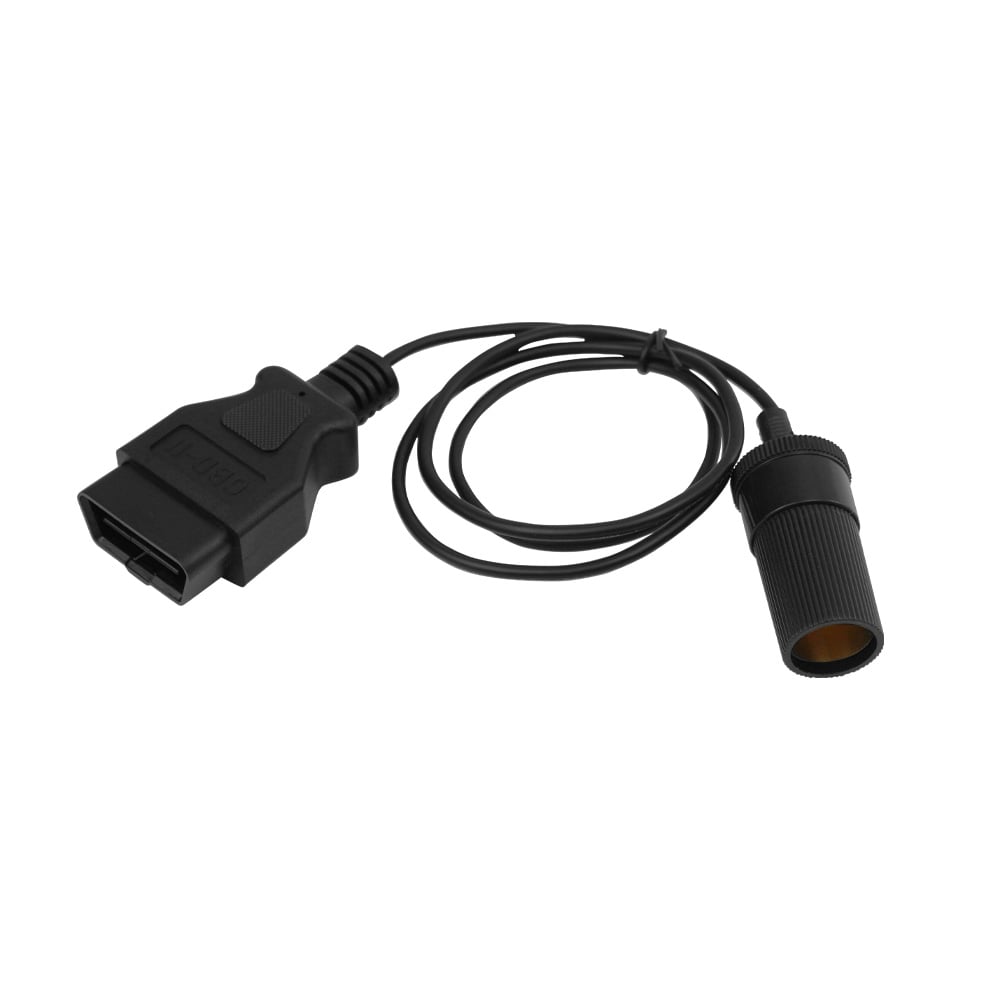
Testing a custom cable for voltage drops is a critical diagnostic skill for automotive technicians, electrical engineers, and maintenance professionals. When you test custom cable for voltage drops, you identify potential resistance issues, poor connections, and cable degradation that could compromise system performance or safety. Voltage drop testing reveals whether your custom cable maintains proper electrical conductivity under load, which directly affects everything from engine performance to sensor accuracy.
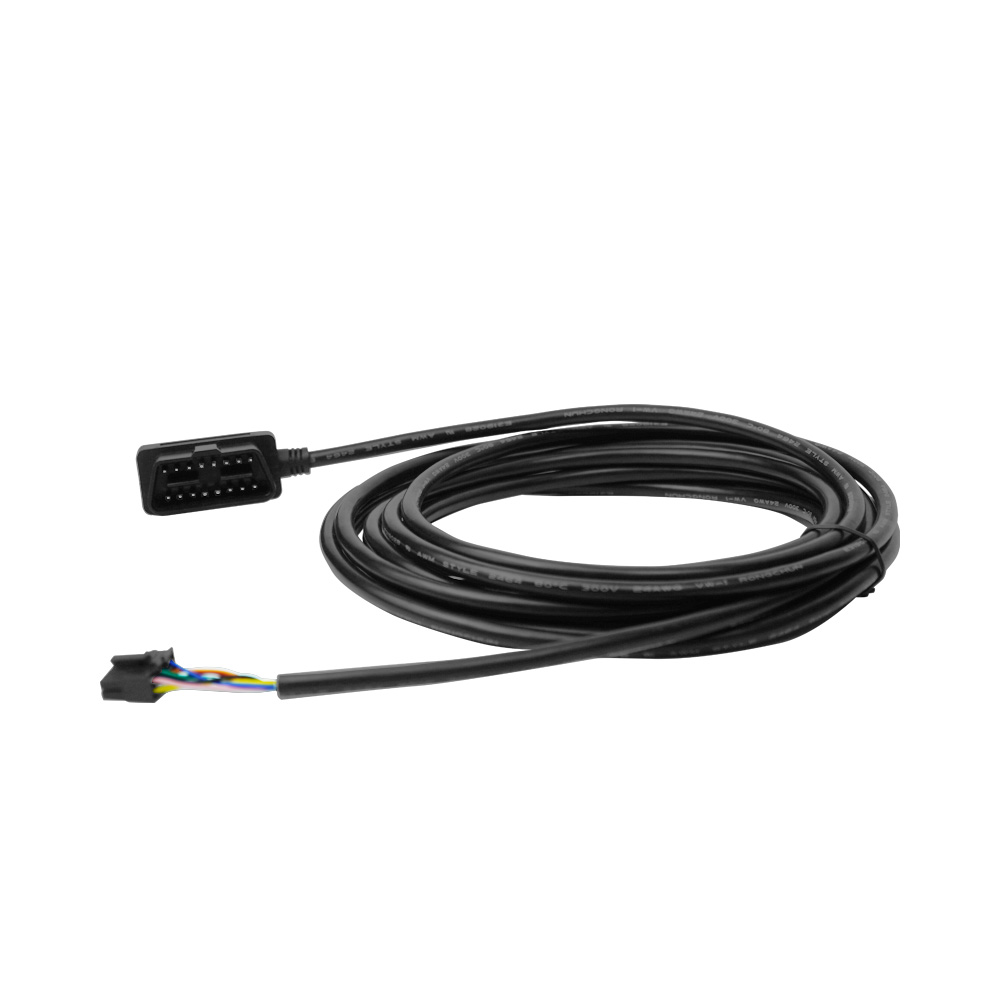
Understanding how to test custom cable for voltage drops requires knowledge of measurement techniques, proper tool usage, and interpretation of results. Whether you're diagnosing a failing power distribution system, validating a newly manufactured custom cable, or troubleshooting intermittent electrical faults, systematic voltage drop testing provides objective data about cable condition. This guide walks you through the complete process of testing custom cable for voltage drops, from pre-test preparation to result interpretation.
Understanding Voltage Drop Testing Basics
What Happens When You Test Custom Cable for Voltage Drops
When you test custom cable for voltage drops, you measure the voltage loss that occurs across the cable while current flows through it. Every conductor has inherent resistance, and when current passes through that resistance, voltage is consumed in the form of heat. If you test custom cable for voltage drops and find elevated readings, this indicates excessive resistance in the cable assembly, often caused by poor crimping, corrosion, undersized conductors, or damaged insulation affecting contact quality. The goal of testing custom cable for voltage drops is to confirm that the cable can deliver adequate voltage to the connected device while operating under normal load conditions.
Why Voltage Drop Testing Matters for Custom Cables
Custom cables manufactured to specific electrical requirements must meet strict performance standards. When you test custom cable for voltage drops, you validate that the manufacturing quality meets specifications. A custom cable with excessive voltage drop can cause sensor malfunction, reduced motor performance, dimmed lighting, or erratic component behavior. Testing custom cable for voltage drops early in the quality control process prevents field failures, warranty claims, and safety hazards. Industrial applications, automotive diagnostics, and telecommunications systems all depend on proper voltage drop performance, making this test essential for custom cable acceptance.
Preparation and Equipment for Testing
Gathering Tools to Test Custom Cable for Voltage Drops
Before you test custom cable for voltage drops, assemble the proper diagnostic equipment. A digital multimeter with millivolt accuracy is the most common tool to test custom cable for voltage drops, though more advanced technicians use clamp meters or specialized cable testers. To test custom cable for voltage drops effectively, you also need appropriate load sources that match the cable's rated current, safety equipment including insulated gloves and eye protection, and reference documentation showing the cable's specifications. If you test custom cable for voltage drops under undersized load conditions, you may miss problems that appear only under full operating load. Professional technicians often use dedicated load banks when they test custom cable for voltage drops in high-current applications.
Setting Up the Test Environment
Proper setup is critical when you test custom cable for voltage drops. Ensure the custom cable is connected to a power source and load that simulates real operating conditions. When you test custom cable for voltage drops, the load current must match or exceed the cable's intended operating current for accurate results. Environmental factors matter too—extreme temperatures can affect resistance, so ideally you test custom cable for voltage drops at ambient conditions. Clean all connection points before testing, as corrosion or dirt can falsely elevate voltage drop readings. Document the test conditions when you test custom cable for voltage drops so results can be traced and reproduced if needed.
Step-by-Step Testing Procedure
How to Measure When You Test Custom Cable for Voltage Drops
When you test custom cable for voltage drops, connect the multimeter in parallel across the cable section you're measuring. Set the multimeter to DC voltage mode and select the appropriate range—typically millivolts for low-resistance cables. Activate the load on your test circuit, then take your reading. Record the voltage drop value and note the current flowing through the cable. To test custom cable for voltage drops accurately, measure at multiple points along the cable if it's long, as different sections may show different resistance characteristics. Professional procedures to test custom cable for voltage drops often include measuring at the connector interface, along the conductor, and at termination points.
Interpreting Results When You Test Custom Cable for Voltage Drops
Industry standards provide benchmarks when you test custom cable for voltage drops. Most automotive applications allow maximum 0.5 volts drop at the connector and 3 volts across the entire circuit. When you test custom cable for voltage drops and find readings below these thresholds, the cable passes quality standards. Exceeding these limits means when you test custom cable for voltage drops, you've identified a defect requiring investigation. Compare your results against the cable manufacturer's specifications whenever available. When you test custom cable for voltage drops in specialty applications like medical equipment or aerospace systems, stricter tolerance limits typically apply. Document your test custom cable for voltage drops findings with date, load conditions, temperature, and operator identification for traceability.
Advanced Testing Considerations
Temperature Effects When You Test Custom Cable for Voltage Drops
Conductor resistance increases as temperature rises, which affects results when you test custom cable for voltage drops. If you test custom cable for voltage drops at room temperature but the cable operates in a heated engine bay or industrial furnace environment, the voltage drop will increase during actual use. Some technicians test custom cable for voltage drops at elevated temperatures to simulate real-world conditions. Copper conductors typically exhibit 0.4 percent resistance increase per degree Celsius, so temperature correction becomes important when you test custom cable for voltage drops in extreme environments. Document ambient conditions when you test custom cable for voltage drops to provide context for your measurements.
Connector and Termination Quality When You Test Custom Cable for Voltage Drops
When you test custom cable for voltage drops, the quality of connections significantly impacts results. Poor crimping, corroded terminals, or loose connectors create additional resistance that appears when you test custom cable for voltage drops. Sometimes when you test custom cable for voltage drops, you discover the conductor itself is acceptable but the terminations fail. This distinction is important because a defective connector can be replaced separately. Inspect all connection points visually before you test custom cable for voltage drops, and consider measuring connector resistance separately. When you test custom cable for voltage drops in automotive applications like OBD diagnostic cables, connector quality directly affects signal integrity and diagnostic accuracy.
FAQ
What is the acceptable voltage drop when you test custom cable for voltage drops?
Acceptable voltage drop varies by application, but automotive standards typically limit drop to 0.5 volts at connectors and 3 volts across the entire circuit. When you test custom cable for voltage drops, compare results to the cable manufacturer's specifications and relevant industry standards. Specialty applications may have stricter limits, so always verify requirements before you test custom cable for voltage drops.
Can you test custom cable for voltage drops without a load?
Testing without load provides incomplete results. When you test custom cable for voltage drops under no-load conditions, you measure only DC resistance without simulating real operating stress. Proper procedure requires you to test custom cable for voltage drops with load current matching the cable's intended application. Only then will you detect resistance issues that appear under actual electrical stress.
How often should you test custom cable for voltage drops?
Test custom cable for voltage drops during manufacturing quality control, after repairs or modifications, and periodically during service to verify integrity. Environmental stress, vibration, thermal cycling, and age all affect cable condition. When you test custom cable for voltage drops regularly on critical systems, you catch degradation early before failures occur. High-reliability applications may require periodic testing schedules documented in maintenance protocols.