

 EN
EN
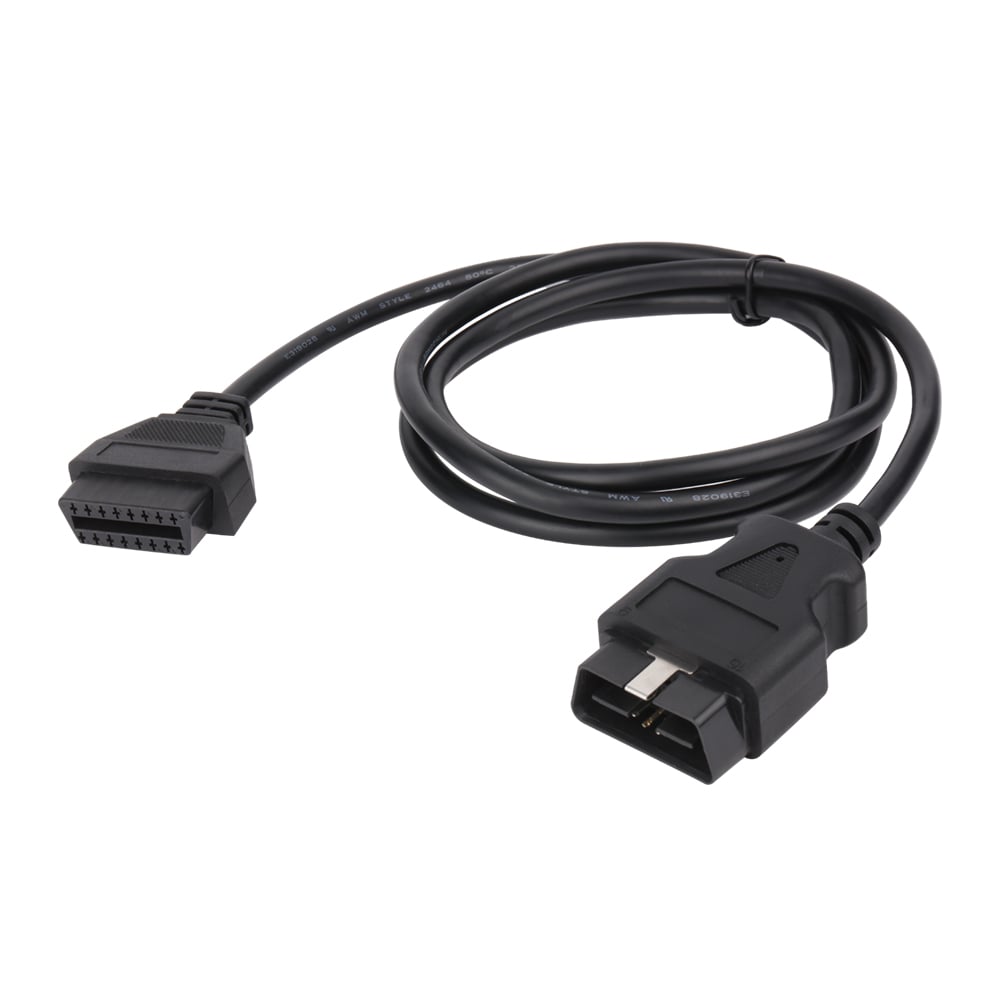
An OBD extension cable serves as a critical protective component in automotive and industrial diagnostic systems, safeguarding the machinery port from damage, electrical faults, and environmental contamination. The OBD extension cable acts as a buffer between diagnostic equipment and the onboard diagnostic port, absorbing mechanical stress and protecting delicate internal connections. Understanding how an OBD extension cable protects machinery ports is essential for technicians, fleet managers, and maintenance professionals who rely on consistent diagnostic accuracy and equipment longevity.
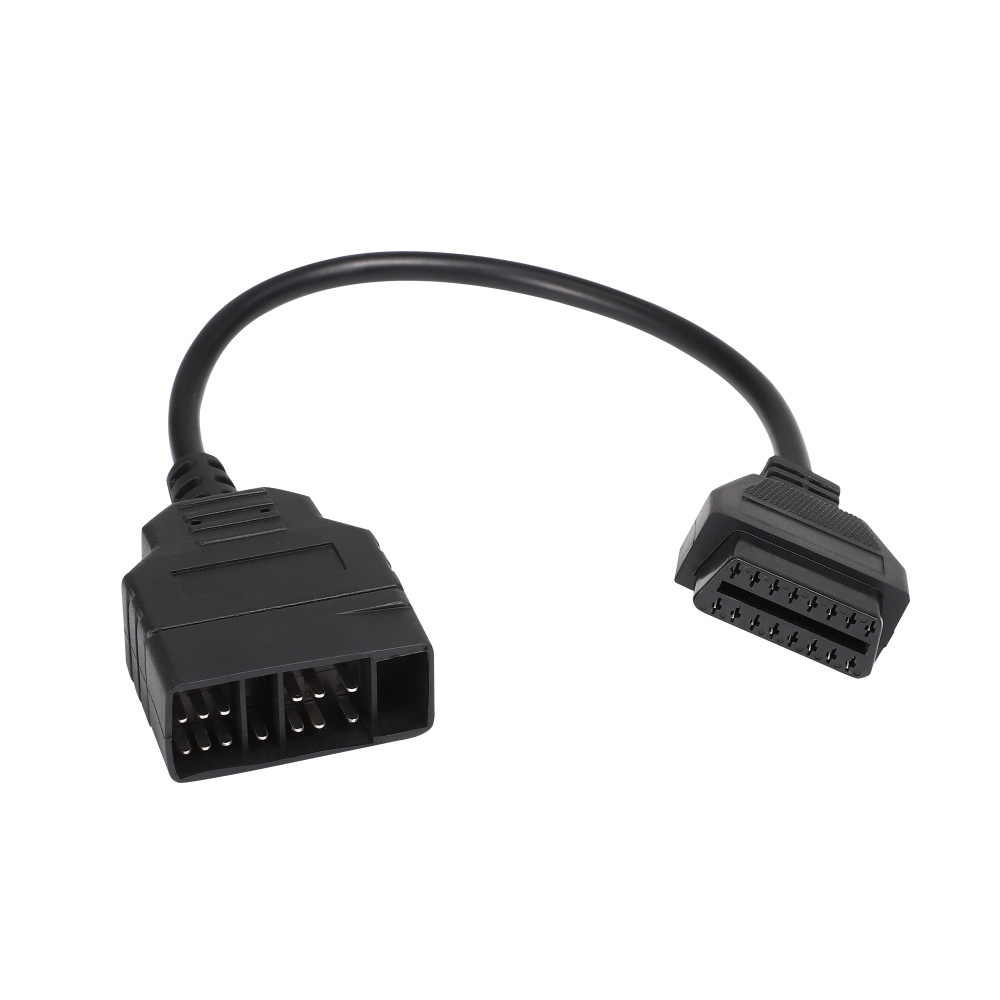
Every time a technician connects diagnostic equipment to a vehicle or industrial machine, the machinery port faces potential wear, misalignment risk, and electrical interference. An OBD extension cable mitigates these risks by providing a physical separation layer, reducing direct stress on the sensitive port connector and maintaining signal integrity throughout diagnostic sessions. The OBD extension cable design incorporates shielding, proper gauge conductors, and reinforced connectors to ensure reliable protection across diverse operating environments and repeated connection cycles.
Mechanical Stress Prevention Through Cable Design
Buffer Distance and Connection Integrity
The primary protective function of an OBD extension cable is absorbing mechanical stress that would otherwise transfer directly to the machinery port. When technicians plug diagnostic equipment directly into the port, physical pressure, angular force, and vibration can degrade the internal connector pins over time. An OBD extension cable extends the connection point away from the vehicle's wiring harness, allowing the cable itself to flex and absorb tension rather than transmitting that strain to the port's delicate contacts. This mechanical separation is especially valuable in high-vibration environments such as industrial equipment, construction vehicles, or manufacturing facilities where constant motion poses a continuous threat to connector integrity.
Connector Protection and Repeated Use Durability
An OBD extension cable incorporates robust connector housings and reinforced strain relief points designed to withstand hundreds or thousands of connection cycles without degradation. The OBD extension cable's external connectors are engineered to tolerate mechanical wear while maintaining secure contact with diagnostic tools. Proper connector geometry in an OBD extension cable ensures that repeated connections do not loosen or corrupt the internal pin alignment within the machinery port itself. This design philosophy protects the expensive onboard diagnostic port from premature failure while extending the diagnostic tool's usable lifespan.
Electrical Signal Protection and Noise Isolation
Shielding Against Electromagnetic Interference
Modern machinery and vehicles generate significant electromagnetic noise from alternators, ignition systems, power supplies, and radio frequency sources. An OBD extension cable incorporates multi-layer shielding that attenuates this noise before it reaches the machinery port's internal circuits. The shielding in an OBD extension cable prevents corrupted data packets, false fault codes, and diagnostic errors that occur when electromagnetic interference infiltrates unprotected signal lines. Foil shielding and braided mesh in a quality OBD extension cable create a Faraday cage effect, isolating diagnostic signals and protecting both the port and the diagnostic equipment from electrical disturbance.
Signal Integrity and Data Transmission Reliability
An OBD extension cable maintains signal fidelity across longer distances than a direct connection, using proper conductor gauge and impedance matching to preserve diagnostic data accuracy. The OBD extension cable ensures that CAN bus communications, serial protocols, and power delivery remain stable even when routed through complex engine compartments or industrial control cabinets. Without proper cable design, signal degradation occurs, leading to intermittent connection failures and unreliable diagnostic results. The OBD extension cable's engineered approach to twisted pair arrangement and ground plane integration ensures that the machinery port receives clean, reliable signals regardless of ambient electrical conditions.
Environmental Protection and Port Longevity
Moisture, Corrosion, and Contamination Barriers
Industrial and automotive environments expose machinery ports to moisture, salt spray, oil mist, and chemical residue that accelerates corrosion and creates intermittent connection faults. An OBD extension cable provides a protective physical barrier, keeping contaminants away from the machinery port's internal pins and contact surfaces. The sealed connectors on a quality OBD extension cable prevent water ingress and salt accumulation that would otherwise degrade the port over months or years of outdoor operation. An OBD extension cable with proper IP-rated connectors ensures that the machinery port remains protected even in harsh industrial settings, coastal facilities, or agricultural equipment exposed to extreme conditions.
Temperature Stability and Connection Reliability
Temperature cycling from -20°C to +60°C causes expansion and contraction in connector materials, leading to micro-fractures and intermittent contact failures at the machinery port interface. An OBD extension cable absorbs these thermal stresses through flexible cable jacketing and connector materials engineered for wide temperature ranges. The OBD extension cable's design prevents direct thermal shock from reaching the machinery port's internal circuitry, maintaining consistent electrical contact across seasonal and operational temperature extremes. This thermal buffering capability makes an OBD extension cable invaluable for machinery operated in variable climates or high-heat environments such as engine compartments or industrial furnace control systems.
FAQ
What specific damage does an OBD extension cable prevent at the machinery port?
An OBD extension cable prevents mechanical wear from repeated connections, eliminates angular stress that loosens internal pins, blocks electromagnetic noise from corrupting diagnostic signals, and protects the port from environmental contamination including moisture, salt, and oil residue. By extending the connection point away from the machinery port, an OBD extension cable absorbs vibration and mechanical shock that would otherwise accelerate connector degradation. The combined effect of these protections significantly extends the operational life of the machinery port and ensures consistent diagnostic accuracy over years of heavy use.
How does an OBD extension cable maintain signal quality better than direct connections?
An OBD extension cable employs multi-layer shielding, twisted pair conductor arrangement, and impedance-matched design to isolate diagnostic signals from external electromagnetic interference. The OBD extension cable provides superior grounding and noise cancellation compared to shorter direct connections, especially in electrically noisy engine compartments or industrial facilities. This enhanced signal protection means that an OBD extension cable delivers cleaner data to diagnostic equipment, reducing false fault codes and connection dropouts that plague unshielded or poorly designed connections.
Why should industrial facilities prioritize an OBD extension cable for equipment maintenance?
Industrial facilities face extreme environmental conditions, high vibration levels, and critical uptime requirements that make an OBD extension cable essential for diagnostic reliability and port longevity. An OBD extension cable protects expensive diagnostic equipment and onboard diagnostic ports from the accelerated wear common in manufacturing, construction, and heavy-duty applications. By investing in a robust OBD extension cable, facilities reduce unplanned equipment failures, minimize downtime caused by corrupted diagnostic data, and extend the lifespan of critical diagnostic infrastructure across their machinery fleet.