
 EN
EN
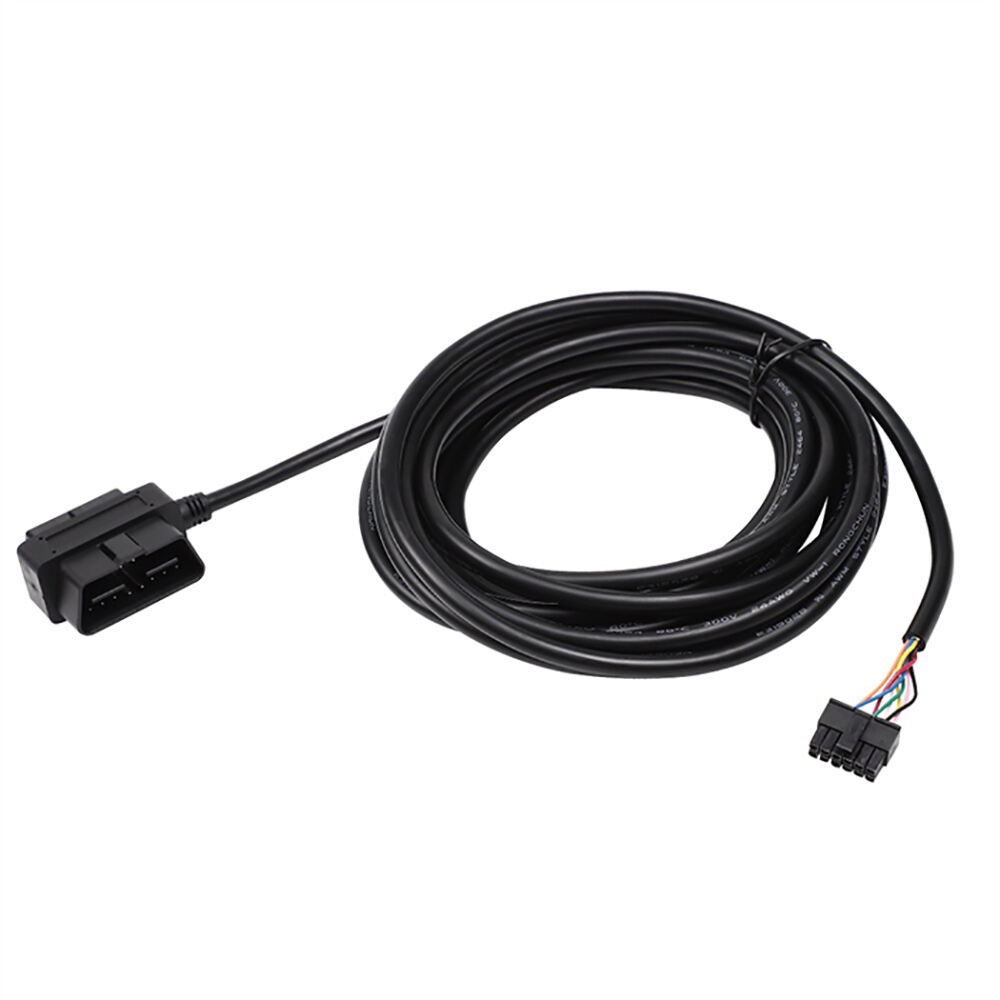
Selecting the right OBD diagnostic cable for multi-system compatibility requires understanding both technical specifications and practical application requirements. Modern vehicles incorporate complex electronic systems that communicate through standardized diagnostic protocols, making the choice of diagnostic interface crucial for comprehensive vehicle analysis. Professional technicians and automotive enthusiasts alike need reliable diagnostic tools that can seamlessly integrate with various vehicle makes, models, and diagnostic software platforms. The selection process involves evaluating connector types, protocol support, build quality, and software compatibility to ensure optimal performance across different automotive systems.
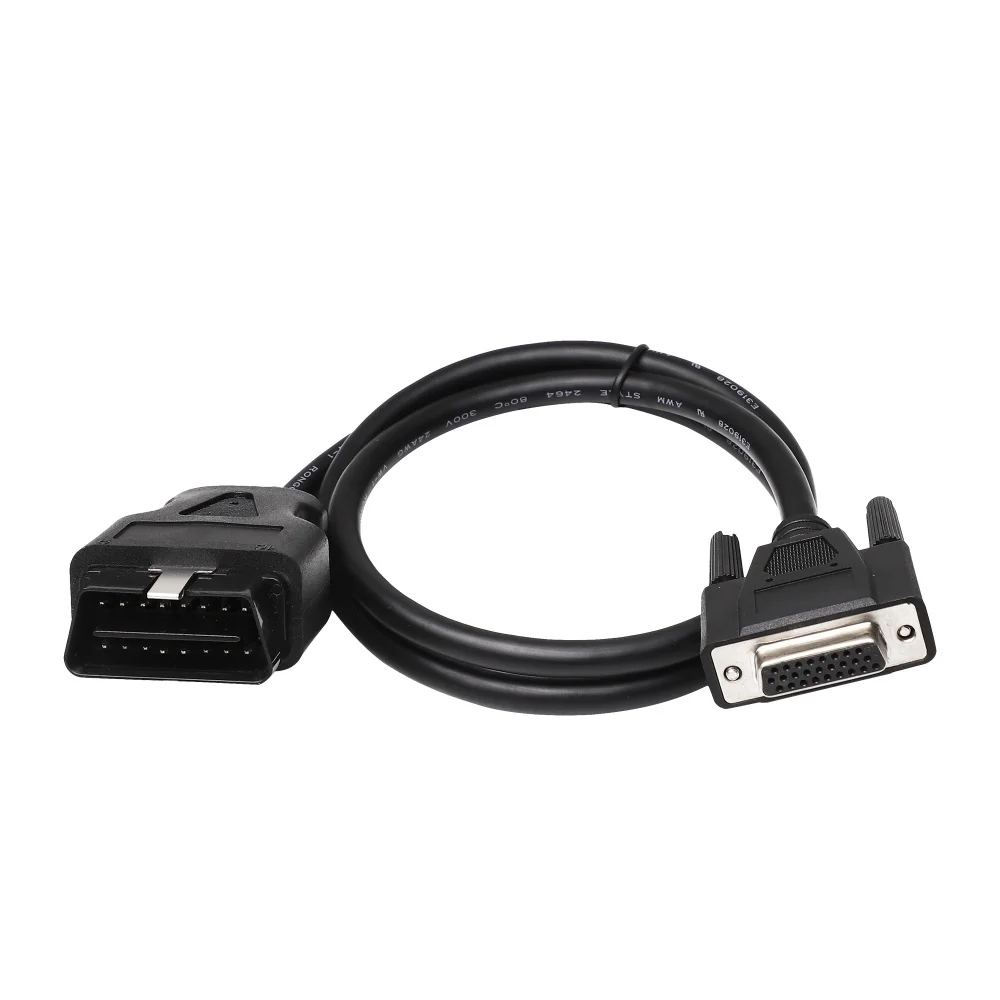
Understanding OBD Protocol Standards and Compatibility
Evolution of OBD Standards
The On-Board Diagnostics system has evolved significantly since its introduction, with OBD-II becoming the mandatory standard for vehicles manufactured after 1996 in the United States. This standardization ensures that diagnostic cables can communicate with a wide range of vehicles using consistent protocols and connector configurations. The 16-pin diagnostic connector, also known as the Data Link Connector (DLC), serves as the primary interface for accessing vehicle diagnostic information. Understanding these standards helps technicians select cables that maintain backward compatibility while supporting modern diagnostic requirements.
Protocol support encompasses multiple communication standards including ISO 9141-2, ISO 14230 (KWP2000), ISO 15765 (CAN), SAE J1850 PWM, and SAE J1850 VPW. Each protocol serves specific vehicle manufacturers and model years, requiring diagnostic cables to support multiple communication methods simultaneously. Advanced OBD diagnostic cable designs incorporate intelligent switching capabilities that automatically detect and adapt to the appropriate communication protocol based on vehicle requirements.
Multi-Protocol Integration
Modern diagnostic cables must support simultaneous multi-protocol communication to handle complex vehicle systems effectively. Advanced automotive systems often utilize multiple communication protocols within the same vehicle, requiring diagnostic tools capable of seamless protocol switching without interrupting diagnostic sessions. This capability proves essential when working with hybrid vehicles, electric vehicles, or luxury automobiles that incorporate sophisticated electronic control units across different subsystems.
Intelligent protocol detection eliminates manual configuration requirements, automatically identifying the optimal communication method for each diagnostic session. This automation reduces setup time and minimizes the potential for communication errors that could result from incorrect protocol selection. Professional-grade cables incorporate robust microprocessors that manage protocol switching while maintaining stable data transmission rates across all supported communication standards.
Physical Construction and Durability Considerations
Connector Quality and Design
The physical construction of diagnostic cable connectors directly impacts reliability and longevity in professional environments. High-quality connectors feature precision-molded housings with secure locking mechanisms that prevent accidental disconnection during diagnostic procedures. Gold-plated contact pins ensure optimal electrical conductivity while resisting corrosion and oxidation that can degrade signal quality over time. The connector design should accommodate various vehicle DLC orientations and provide adequate clearance for installation in confined spaces.
Cable strain relief components protect internal conductors from damage caused by repeated flexing and tension during daily use. Professional-grade cables incorporate reinforced strain relief boots at both connector ends, distributing mechanical stress across a larger area to prevent wire breakage. The connector shell material should provide adequate impact resistance while maintaining dimensional stability across temperature variations commonly encountered in automotive environments.
Cable Construction and Shielding
Internal cable construction significantly influences signal integrity and electromagnetic interference resistance in automotive diagnostic applications. Multi-strand copper conductors provide superior flexibility compared to solid wire designs while maintaining excellent electrical conductivity for reliable data transmission. Proper conductor gauge selection ensures adequate current carrying capacity for power delivery to vehicle diagnostic systems without excessive voltage drop.
Electromagnetic shielding becomes critical when working near high-power automotive systems that generate significant electrical noise. Quality diagnostic cables incorporate braided copper shielding or aluminum foil barriers that protect internal signal conductors from external interference. The shielding design must provide complete coverage while maintaining cable flexibility for practical use in confined automotive environments.
Software Compatibility and Interface Requirements
Universal Software Support
Diagnostic cable compatibility extends beyond hardware specifications to encompass software interface requirements across multiple diagnostic platforms. Professional technicians often utilize various diagnostic software packages depending on vehicle manufacturer, diagnostic task complexity, and available feature sets. Universal compatibility ensures that a single diagnostic cable can support multiple software applications without requiring different interface hardware for each platform.
Driver support across operating systems becomes increasingly important as diagnostic software migrates to modern computing platforms. Quality diagnostic cables provide comprehensive driver packages supporting Windows, Linux, and mobile operating systems to accommodate diverse workshop computing environments. Automatic driver installation capabilities streamline setup procedures and reduce technical support requirements for end users.
Real-Time Communication Performance
Diagnostic applications requiring real-time data streaming place demanding requirements on cable communication performance and latency characteristics. Live data monitoring, ECU programming, and advanced diagnostic functions require consistent data throughput without interruption or corruption. High-performance cables incorporate optimized USB interfaces or dedicated communication processors that prioritize diagnostic data transmission over standard USB traffic.
Buffer management within the cable interface prevents data loss during high-speed diagnostic operations while maintaining synchronization with vehicle ECU responses. Advanced cables feature intelligent buffering algorithms that adapt to varying data transmission rates across different vehicle systems and diagnostic protocols. This optimization ensures reliable communication even when working with older vehicle systems that may have slower response characteristics.
Advanced Features and Professional Applications
Enhanced Diagnostic Capabilities
Professional diagnostic cables often incorporate advanced features that extend beyond basic OBD-II communication protocols to support manufacturer-specific diagnostic functions. These enhanced capabilities enable access to proprietary diagnostic modes, ECU programming functions, and advanced system calibration procedures that standard generic cables cannot support. The ability to perform manufacturer-specific diagnostics significantly increases the versatility and value of diagnostic equipment in professional environments.
Bi-directional control capabilities allow technicians to perform active diagnostic tests and component activation procedures through the diagnostic interface. This functionality proves essential for comprehensive system testing and verification of repair procedures across various vehicle subsystems. Advanced cables support high-speed data transfer rates required for ECU flashing and programming operations while maintaining data integrity throughout the process.
Integration with Mobile Platforms
Modern diagnostic workflows increasingly incorporate mobile devices and wireless connectivity to enhance technician mobility and diagnostic efficiency. Bluetooth-enabled diagnostic cables eliminate physical tethering between diagnostic equipment and computing devices while maintaining reliable communication performance. Wireless connectivity enables technicians to perform diagnostic procedures from various positions around the vehicle without being constrained by cable length limitations.
Mobile application compatibility expands diagnostic capabilities to smartphone and tablet platforms, providing cost-effective diagnostic solutions for independent technicians and automotive enthusiasts. Quality wireless diagnostic interfaces incorporate robust encryption and authentication protocols to ensure secure communication and prevent unauthorized access to vehicle systems. Battery management systems within wireless cables provide extended operating periods while maintaining consistent communication performance.
Selection Criteria for Professional Use
Performance Specifications
Evaluating diagnostic cable performance requires consideration of multiple technical specifications that directly impact operational effectiveness and reliability. Communication speed specifications determine the maximum data transfer rates achievable across different diagnostic protocols and vehicle systems. Higher communication speeds enable faster diagnostic scan completion and more responsive real-time data monitoring capabilities essential for efficient workflow management.
Temperature operating ranges define the environmental conditions under which diagnostic cables maintain reliable performance characteristics. Professional automotive environments subject diagnostic equipment to extreme temperature variations, requiring cables designed to operate effectively across wide temperature ranges without performance degradation. Quality cables specify operating temperature ranges that encompass typical automotive shop conditions while maintaining specification compliance.
Certification and Compliance Standards
Professional diagnostic cables should meet relevant industry certification standards to ensure compatibility and safety in commercial automotive environments. FCC certification for electronic devices confirms electromagnetic compatibility requirements and prevents interference with other electronic equipment. CE marking indicates compliance with European safety and performance standards, enabling use in international markets and professional environments.
ISO certification demonstrates adherence to international quality management standards and manufacturing processes that ensure consistent product quality and reliability. Professional users should prioritize cables from manufacturers maintaining comprehensive quality management systems and documented testing procedures. Certification documentation provides verification of performance specifications and regulatory compliance for professional procurement requirements.
FAQ
What protocols should a multi-system OBD diagnostic cable support?
A comprehensive OBD diagnostic cable should support all major communication protocols including ISO 9141-2, ISO 14230 (KWP2000), ISO 15765 (CAN), SAE J1850 PWM, and SAE J1850 VPW. These protocols cover the vast majority of vehicles manufactured since 1996 and ensure compatibility across different manufacturers and model years. Advanced cables may also support manufacturer-specific protocols for enhanced diagnostic capabilities.
How important is build quality for professional diagnostic applications?
Build quality proves critical for professional applications where diagnostic cables experience frequent use and demanding environmental conditions. High-quality connectors with gold-plated contacts ensure reliable electrical connections, while robust cable construction with proper shielding prevents signal degradation and electromagnetic interference. Professional-grade cables incorporate strain relief components and durable materials that withstand repeated flexing and mechanical stress encountered in daily shop operations.
Can wireless diagnostic cables maintain the same performance as wired versions?
Modern wireless diagnostic cables utilizing Bluetooth or WiFi connectivity can achieve performance levels comparable to wired versions for most diagnostic applications. However, certain high-speed operations such as ECU programming may still require wired connections for optimal data transfer rates and security. Wireless cables offer significant advantages in terms of technician mobility and convenience while maintaining adequate performance for routine diagnostic procedures and real-time data monitoring.
What software compatibility should I consider when selecting a diagnostic cable?
Software compatibility encompasses both diagnostic application support and operating system requirements. Quality diagnostic cables provide broad compatibility across popular diagnostic software platforms and include comprehensive driver support for Windows, Linux, and mobile operating systems. Consider cables that offer automatic driver installation and regular firmware updates to maintain compatibility with evolving software platforms and diagnostic applications.
Table of Contents
- Understanding OBD Protocol Standards and Compatibility
- Physical Construction and Durability Considerations
- Software Compatibility and Interface Requirements
- Advanced Features and Professional Applications
- Selection Criteria for Professional Use
-
FAQ
- What protocols should a multi-system OBD diagnostic cable support?
- How important is build quality for professional diagnostic applications?
- Can wireless diagnostic cables maintain the same performance as wired versions?
- What software compatibility should I consider when selecting a diagnostic cable?