
 EN
EN
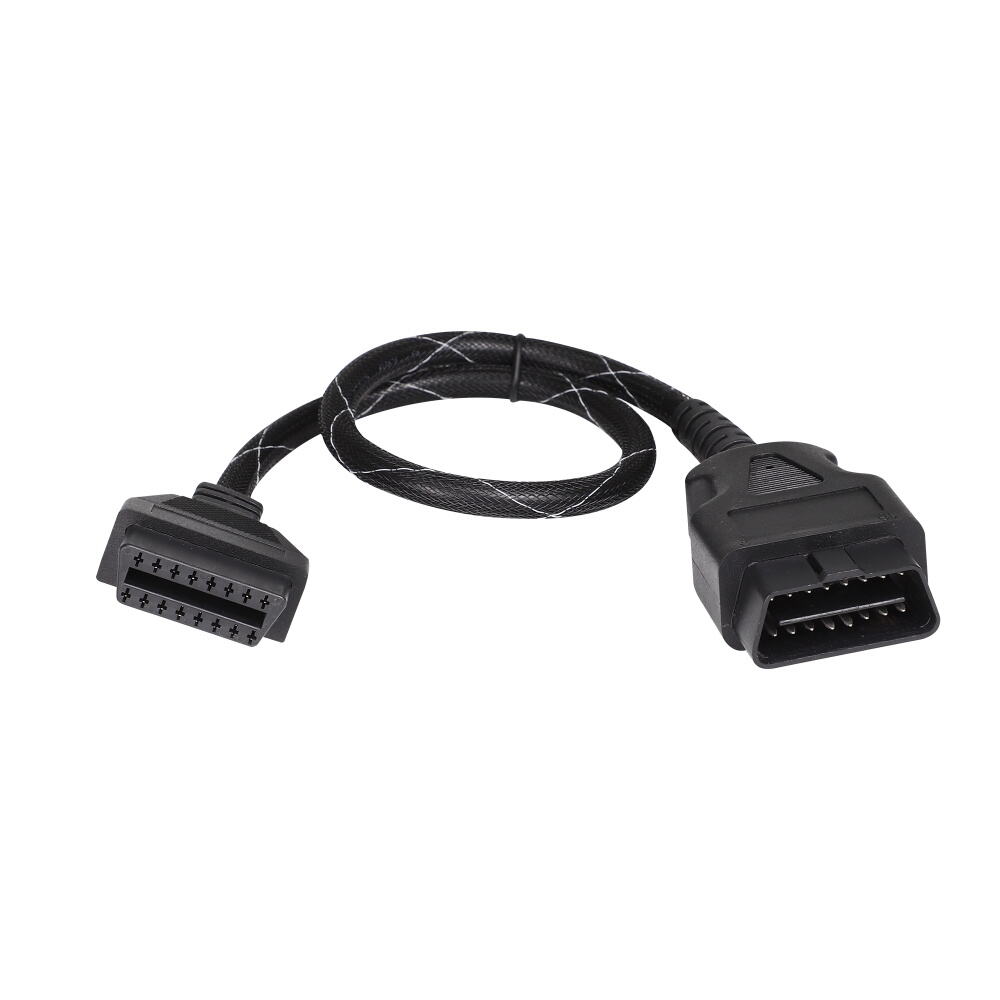
The modern automotive industry relies heavily on sophisticated electrical systems that power everything from engine management to entertainment systems. At the heart of these complex networks lies the automotive wiring harness, a critical component that ensures reliable connectivity and electrical distribution throughout vehicles. This intricate assembly of wires, connectors, and protective materials serves as the nervous system of automobiles, enabling seamless communication between various electronic components and systems.
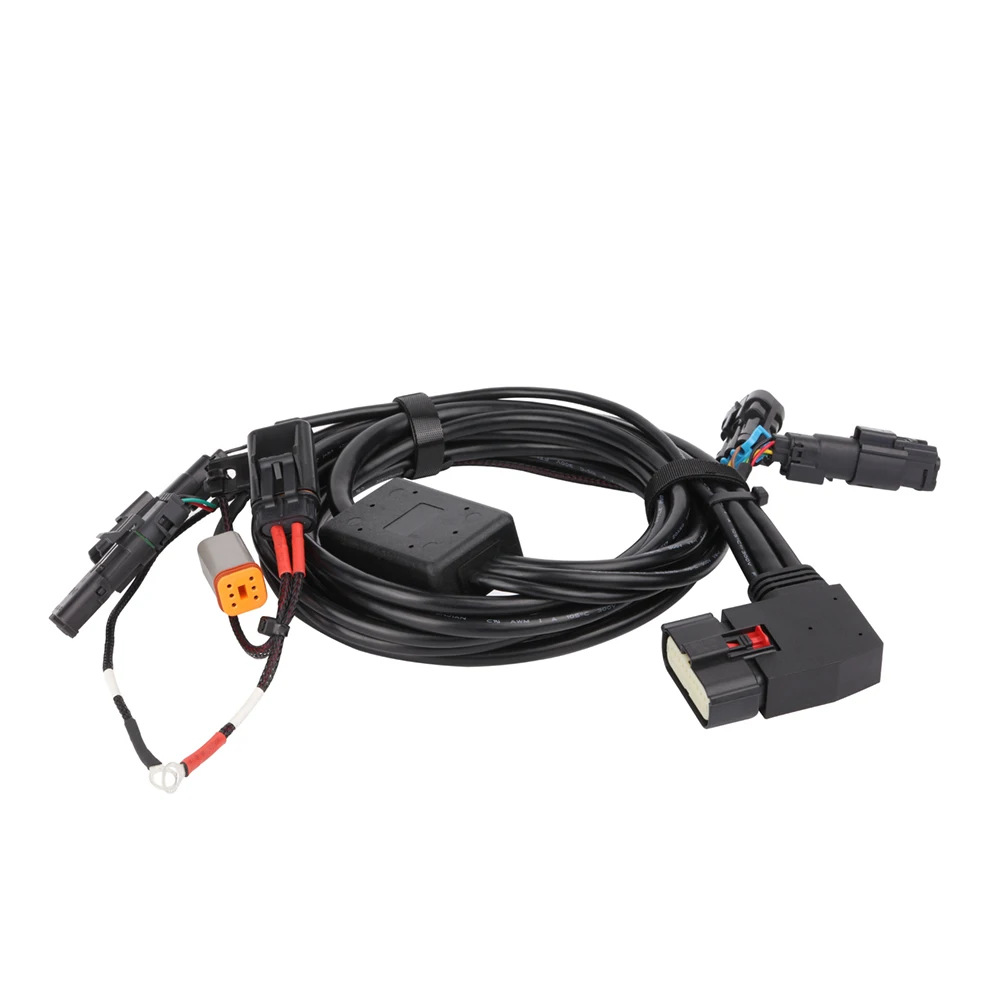
Understanding the fundamental role and construction of these electrical assemblies helps manufacturers, technicians, and automotive professionals appreciate their significance in vehicle performance and safety. The evolution of automotive technology has made these harnesses increasingly sophisticated, incorporating advanced materials and design principles to meet the demanding requirements of contemporary vehicles.
Understanding Automotive Wiring Harness Construction
Core Components and Materials
The construction of an automotive wiring harness involves several essential components that work together to create a reliable electrical pathway. The primary element consists of carefully selected copper conductors that provide optimal electrical conductivity while maintaining flexibility for installation in tight spaces. These conductors are wrapped in specialized insulation materials designed to withstand extreme temperatures, moisture, and chemical exposure commonly encountered in automotive environments.
Protective sheathing forms another crucial layer, often incorporating materials like polyethylene, PVC, or specialized thermoplastic compounds that resist abrasion and environmental degradation. The selection of these materials directly impacts the harness's longevity and performance under various operating conditions. Additionally, strain relief components and protective boots ensure connections remain secure despite constant vibration and movement inherent in vehicle operation.
Assembly and Manufacturing Processes
The manufacturing process for automotive wiring harnesses requires precision engineering and quality control measures to ensure consistent performance. Advanced automated systems cut wires to exact specifications, strip insulation with millimeter accuracy, and crimp terminals with precise force applications. This level of automation reduces human error while maintaining the high standards required for automotive applications.
Quality assurance protocols involve comprehensive testing procedures that verify electrical continuity, insulation resistance, and mechanical integrity. Each harness undergoes rigorous inspection to ensure compliance with automotive industry standards and manufacturer specifications. The integration of these quality measures throughout the production process helps maintain the reliability that automotive manufacturers demand from their electrical components.
Critical Functions in Vehicle Systems
Engine Management and Control
Modern vehicles depend on sophisticated engine management systems that require precise electrical connections to monitor and control various parameters. The automotive wiring harness facilitates communication between sensors, actuators, and the engine control unit, enabling real-time adjustments that optimize performance and emissions. These connections must maintain integrity under extreme conditions including high temperatures, vibration, and chemical exposure from engine fluids.
The reliability of these electrical connections directly impacts fuel efficiency, emissions compliance, and overall engine performance. Any degradation in harness performance can lead to miscommunication between components, resulting in reduced efficiency or potential system failures. This critical role emphasizes the importance of using high-quality materials and manufacturing processes in harness construction.
Safety and Comfort Systems
Contemporary vehicles incorporate numerous safety and comfort features that rely on electrical power and communication networks. Anti-lock braking systems, electronic stability control, airbag deployment systems, and advanced driver assistance features all depend on reliable electrical connections provided by wiring harnesses. The failure of these connections could compromise critical safety functions, making harness reliability a paramount concern.
Climate control systems, infotainment units, and convenience features also require dependable electrical connections to function properly. The increasing complexity of these systems demands sophisticated harness designs that can accommodate multiple circuits while maintaining electromagnetic compatibility and signal integrity. This complexity requires careful planning and engineering to ensure optimal performance across all vehicle systems.
Design Considerations and Engineering Challenges
Space Optimization and Routing
Vehicle manufacturers face constant pressure to maximize interior space while accommodating increasingly complex electrical systems. Wiring harness design must consider optimal routing paths that minimize interference with mechanical components while maintaining accessibility for service and maintenance. Engineers must balance space efficiency with the need to protect electrical connections from potential damage during vehicle operation.
The integration of multiple circuits within a single harness assembly requires careful consideration of signal types and power levels to prevent electromagnetic interference. Proper segregation of high-power circuits from sensitive communication lines ensures reliable operation of all vehicle systems. This design approach helps minimize the overall complexity while maintaining system reliability and serviceability.
Environmental Protection and Durability
Automotive environments present numerous challenges including temperature extremes, moisture, salt exposure, and mechanical stress from vehicle operation. Harness designers must select materials and construction methods that provide adequate protection against these environmental factors while maintaining flexibility and ease of installation. The choice of connector types, sealing methods, and protective coverings significantly impacts the long-term reliability of electrical connections.
Durability testing protocols simulate years of vehicle operation under various conditions to validate harness performance over expected service life. These comprehensive evaluations help identify potential failure modes and guide design improvements that enhance reliability. The investment in thorough testing ultimately reduces warranty costs and improves customer satisfaction through reliable vehicle operation.
Installation and Maintenance Considerations
Professional Installation Practices
Proper installation of automotive wiring harnesses requires adherence to manufacturer specifications and industry best practices to ensure optimal performance and longevity. Technicians must understand routing requirements, securing methods, and connector engagement procedures to avoid damage during installation. The use of appropriate tools and techniques prevents stress concentrations that could lead to premature failure.
Training programs for installation personnel emphasize the importance of following established procedures and quality checkpoints throughout the installation process. This systematic approach helps maintain consistency and reduces the likelihood of installation-related issues that could compromise harness performance. Regular updates to training materials ensure technicians stay current with evolving technologies and installation methods.
Diagnostic and Troubleshooting Methods
Effective diagnostic procedures enable technicians to quickly identify and resolve harness-related issues without unnecessary component replacement. Modern diagnostic equipment can detect intermittent connections, insulation breakdown, and circuit integrity problems that might not be apparent through visual inspection alone. These advanced capabilities reduce diagnostic time while improving repair accuracy.
Preventive maintenance practices help identify potential harness issues before they result in system failures. Regular inspections of visible harness sections, connector conditions, and protective coverings can reveal signs of wear or damage that warrant attention. Early intervention through maintenance activities helps extend harness service life and prevents more costly repairs.
FAQ
How long does an automotive wiring harness typically last?
A properly designed and installed automotive wiring harness can last the entire service life of a vehicle, typically 15-20 years or more. However, the actual lifespan depends on factors such as environmental conditions, installation quality, and vehicle usage patterns. Regular maintenance and protection from physical damage help maximize harness longevity.
What are the signs of a failing wiring harness?
Common symptoms of harness problems include intermittent electrical issues, warning lights on the dashboard, non-functioning accessories, and visible damage to wires or connectors. Corrosion, fraying, or melting of wire insulation are clear indicators that harness replacement or repair may be necessary. Professional diagnosis can confirm harness-related issues and determine appropriate corrective actions.
Can automotive wiring harnesses be repaired or must they be replaced?
Minor harness damage such as individual wire breaks or connector issues can often be repaired using proper techniques and materials. However, extensive damage, corrosion, or degradation typically requires harness replacement to ensure reliable operation. The decision between repair and replacement depends on the extent of damage, cost considerations, and long-term reliability requirements.
What factors should be considered when selecting a replacement wiring harness?
Key considerations include compatibility with vehicle specifications, quality of materials and construction, manufacturer reputation, and compliance with automotive industry standards. OEM or equivalent quality harnesses provide the best assurance of proper fit and performance. Price should be balanced against quality expectations and the importance of reliable vehicle operation.