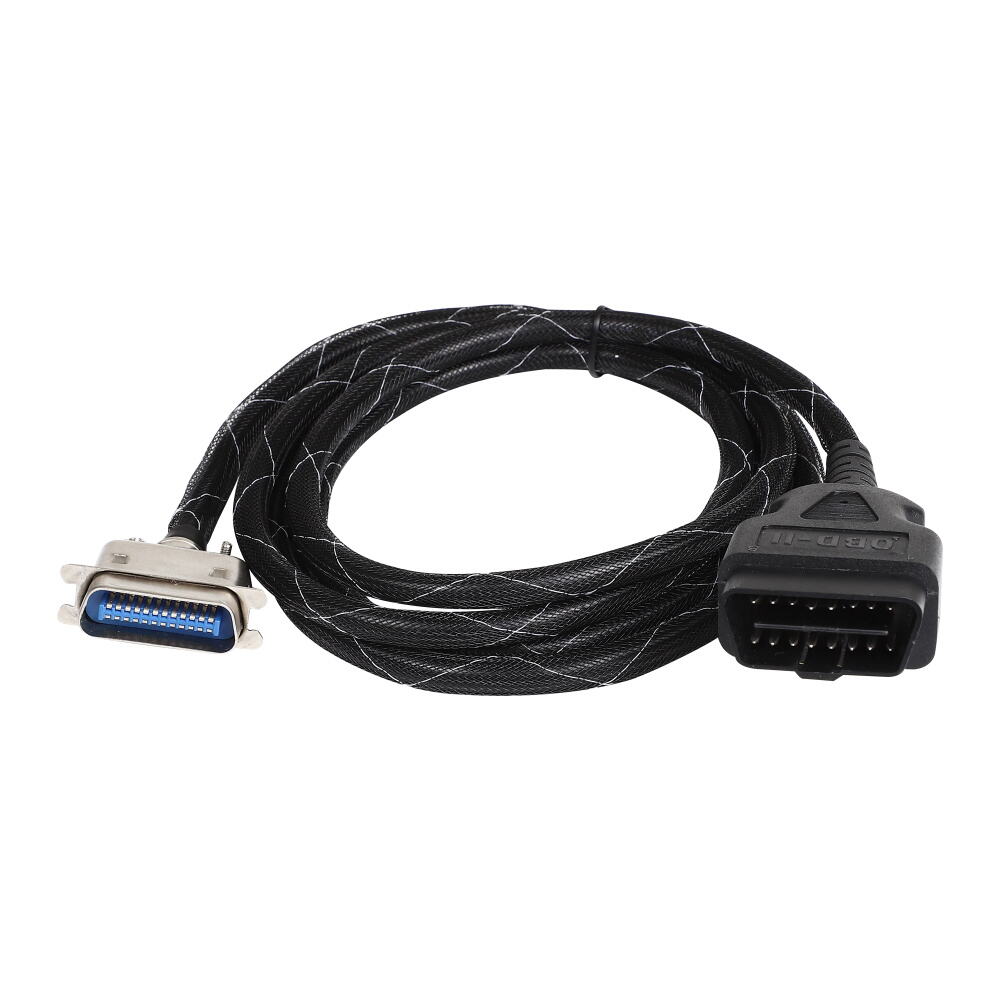
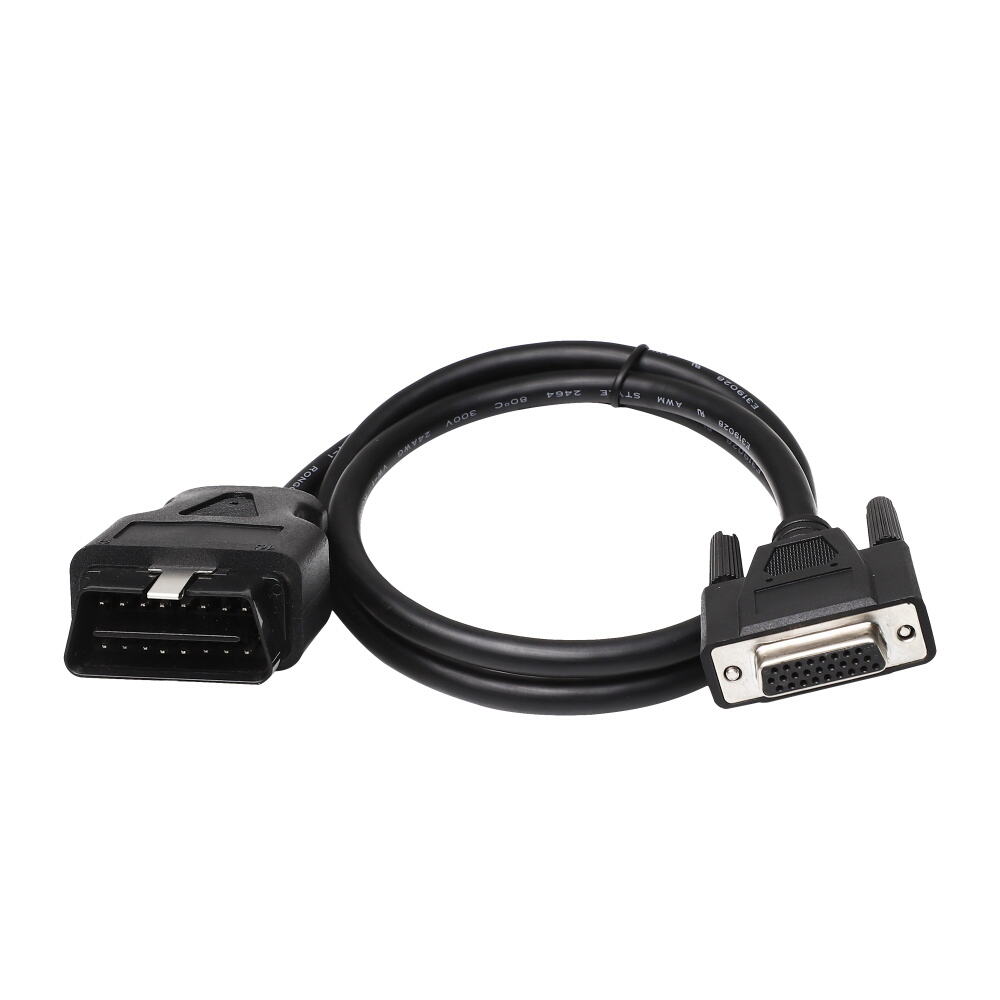
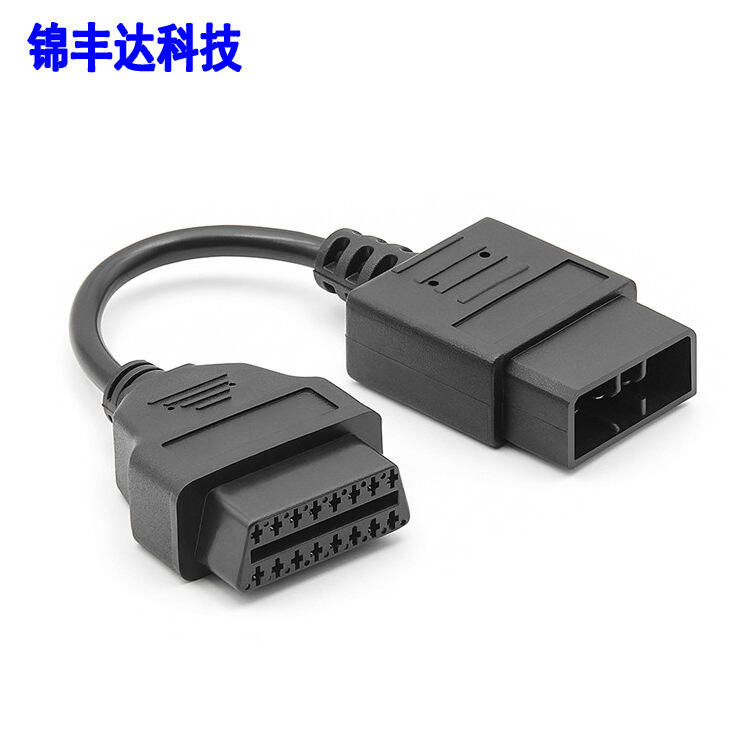
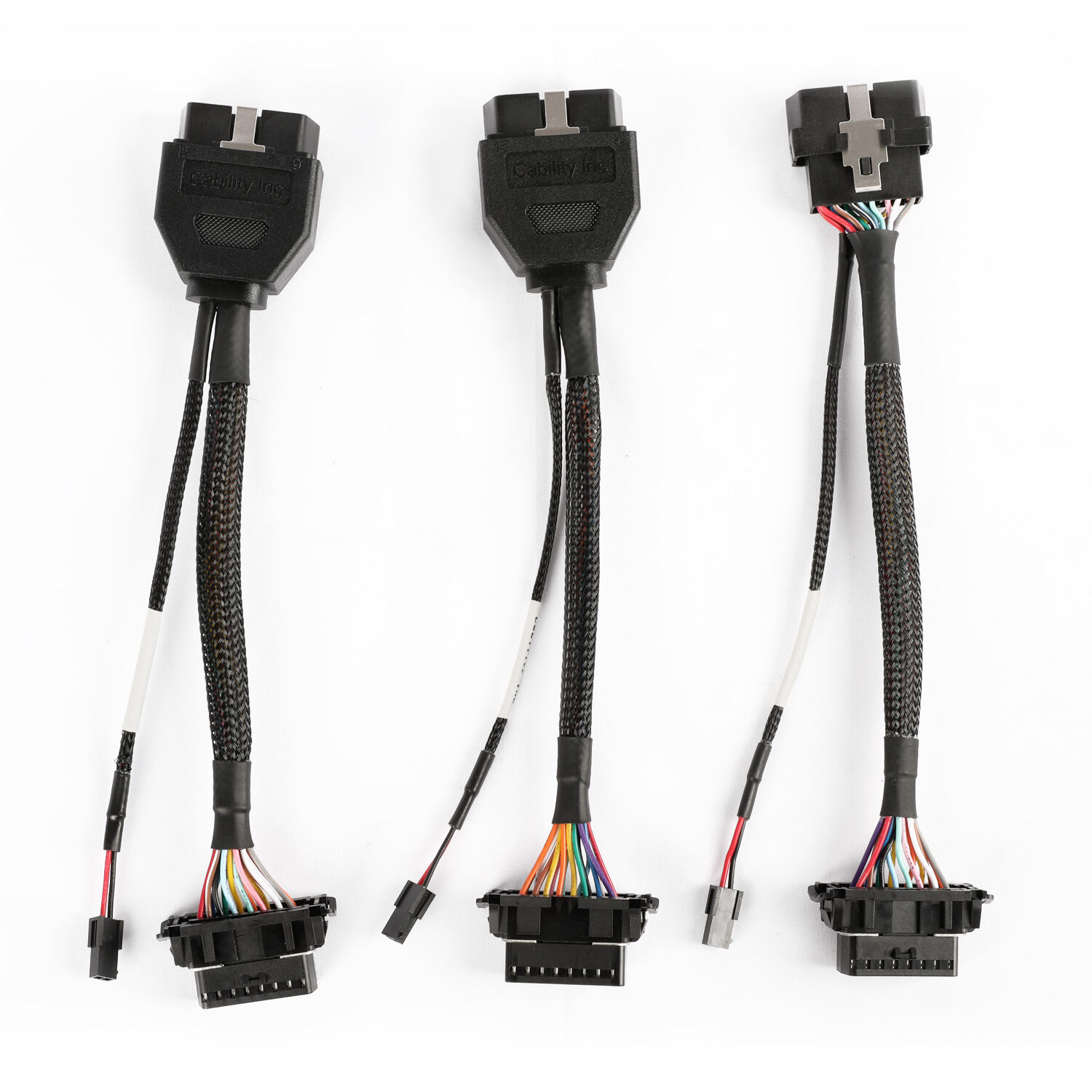
trailer adapter wiring
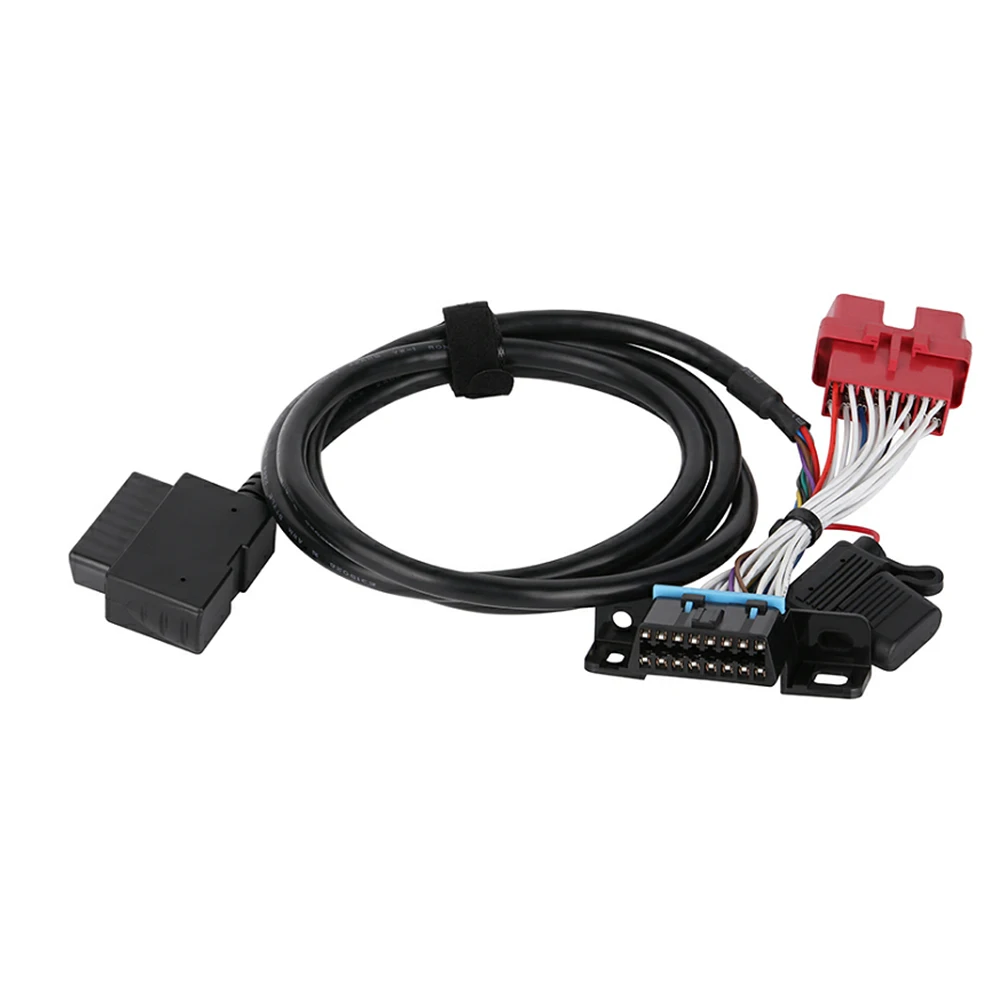
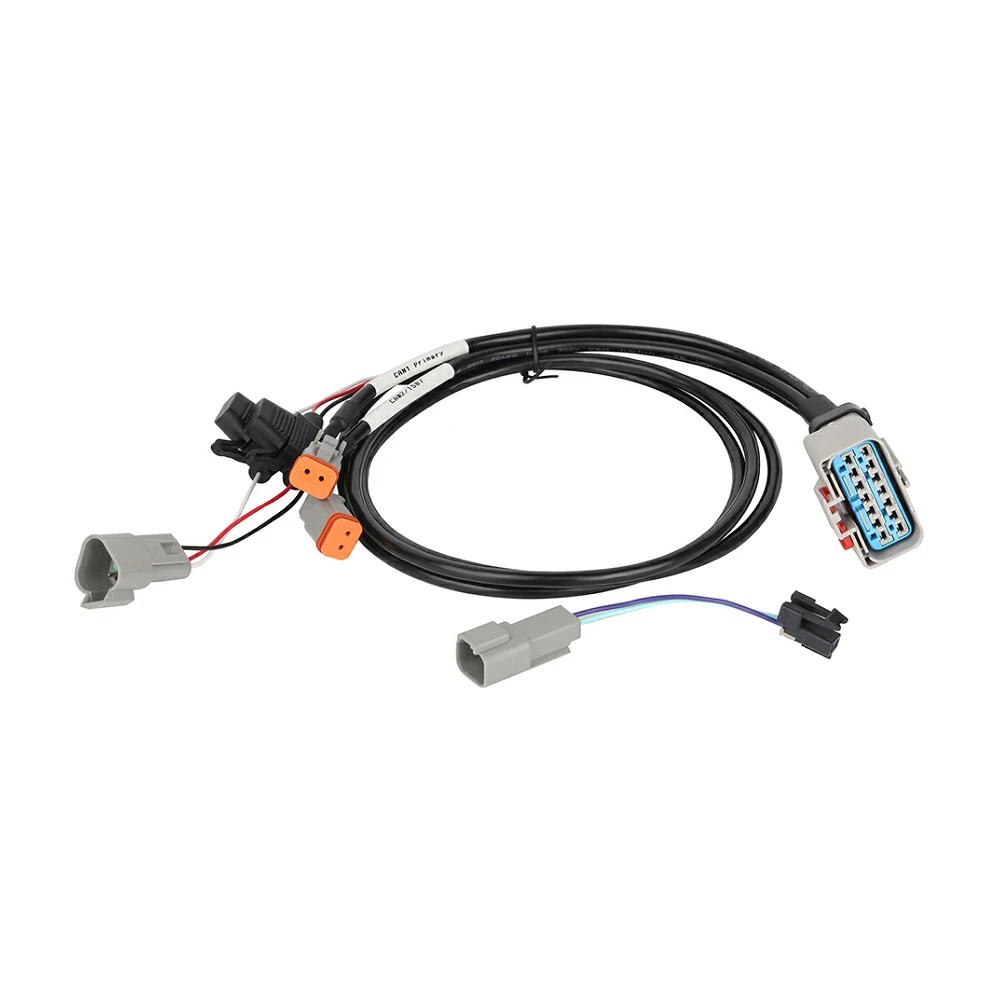
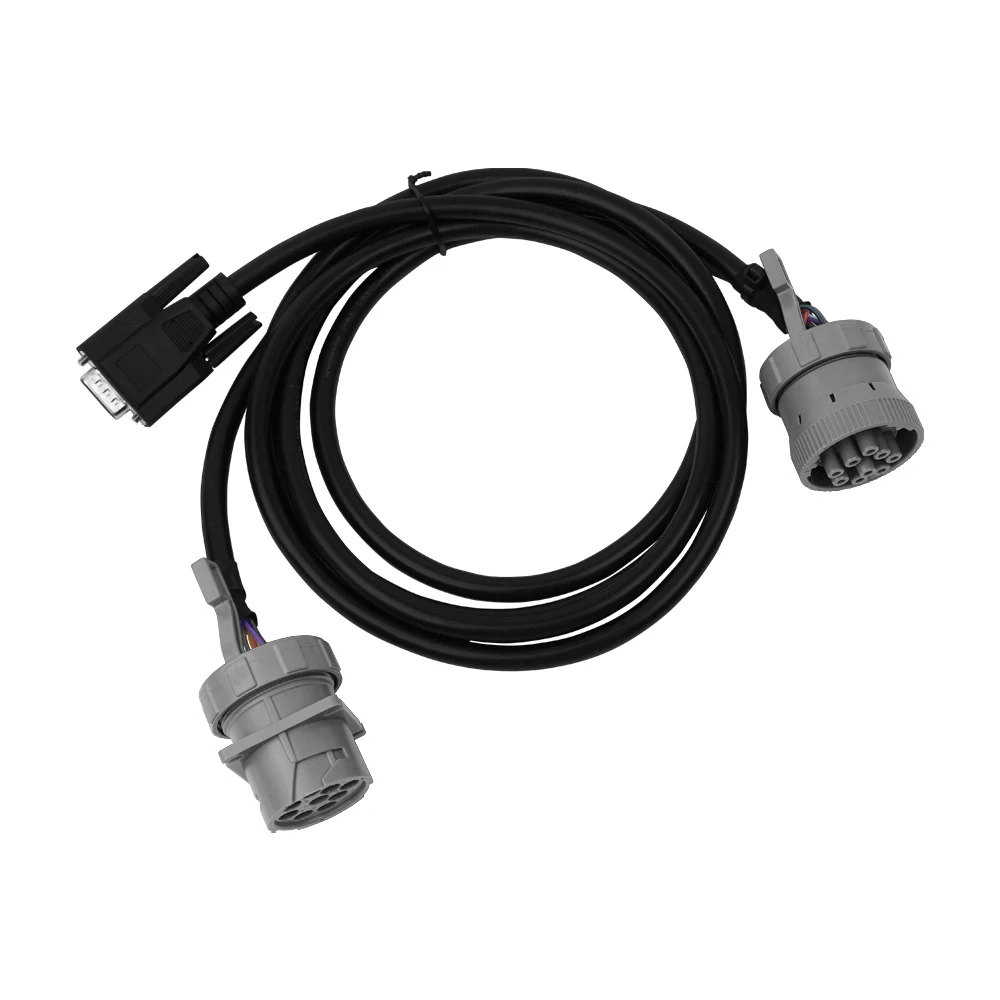
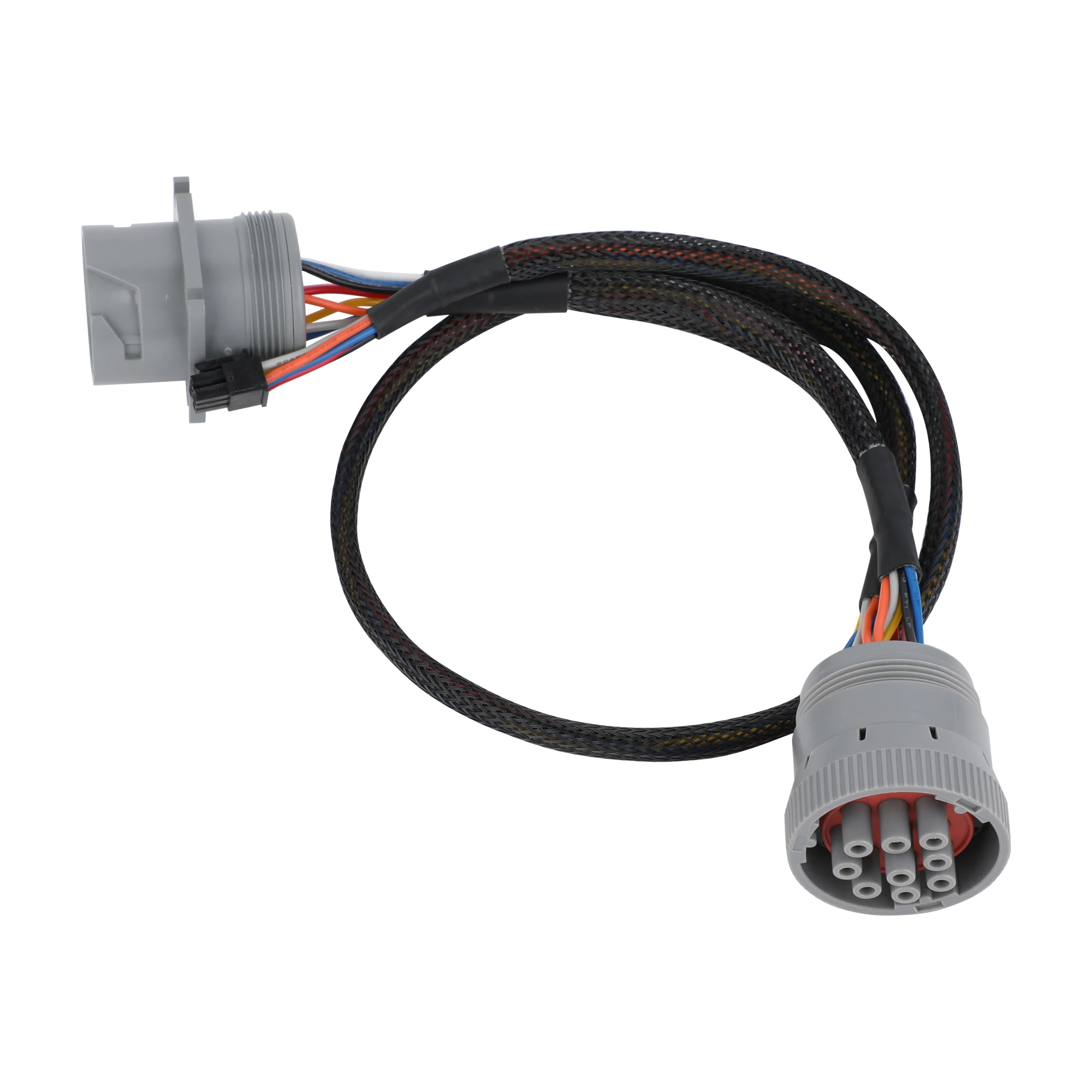
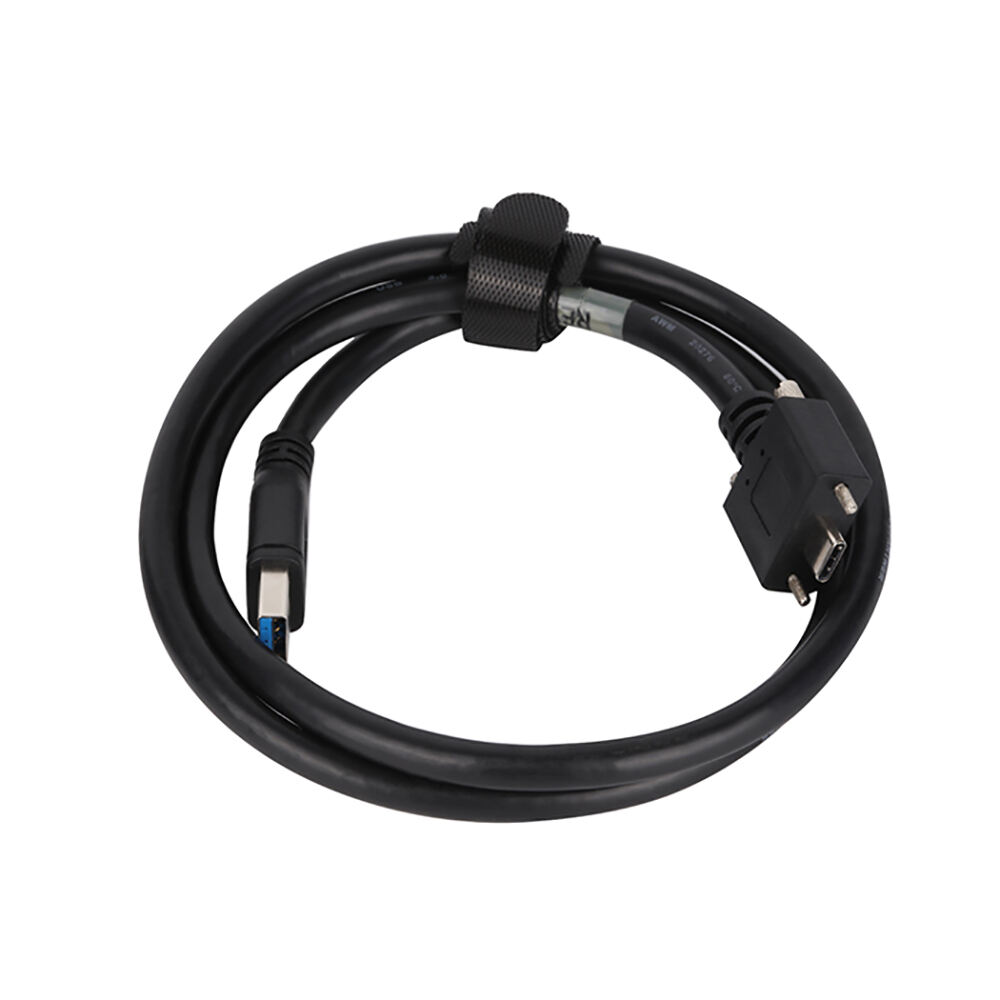
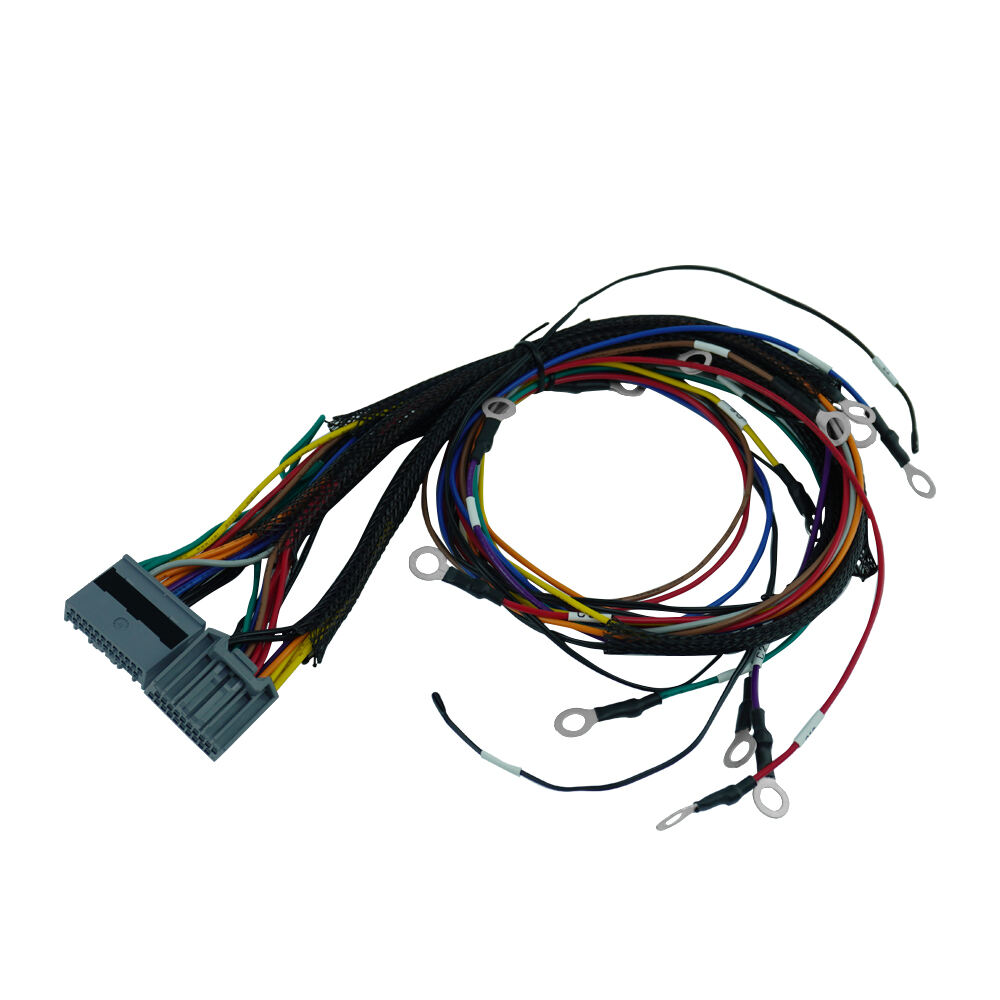
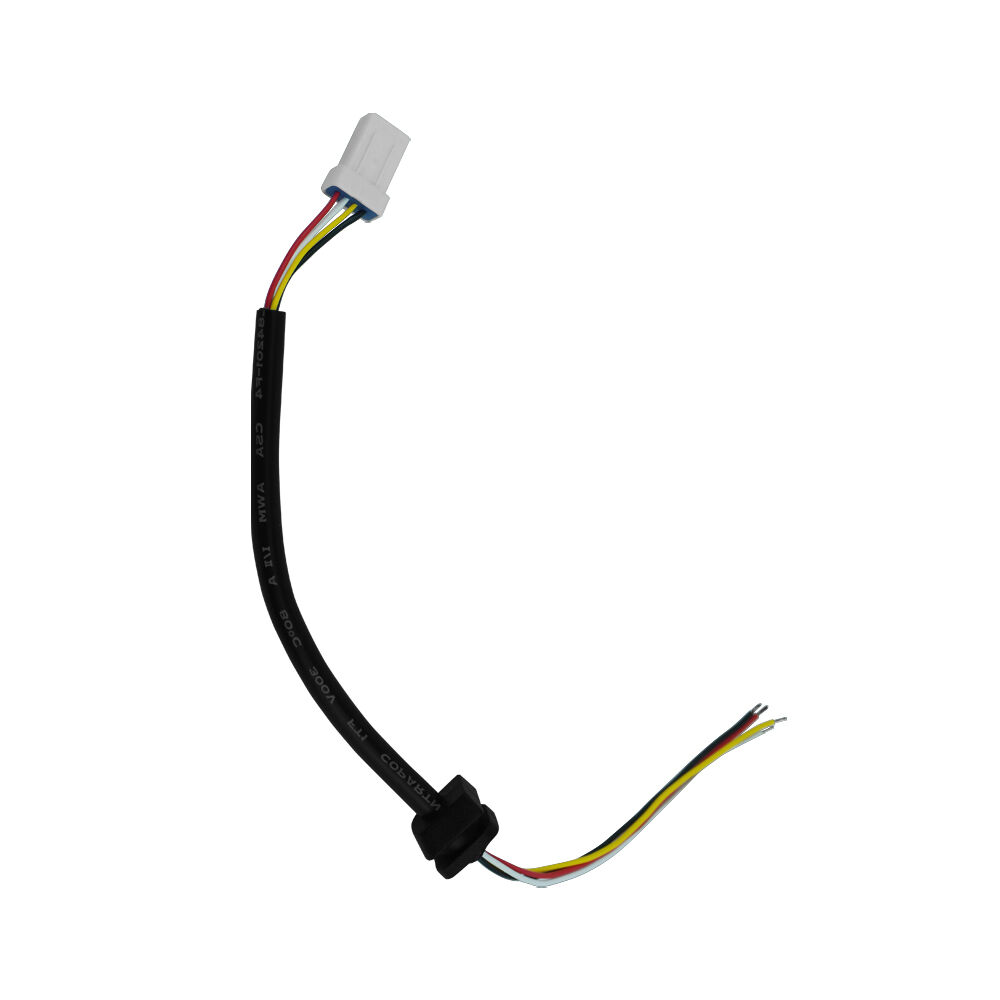
Trailer adapter wiring serves as a critical connection system that bridges the electrical components between your towing vehicle and the trailer being hauled. This essential automotive accessory ensures seamless communication between both units, allowing brake lights, turn signals, running lights, and other electrical functions to operate synchronously. The primary function of trailer adapter wiring revolves around safety and compliance with transportation regulations, enabling drivers to signal their intentions clearly to other motorists while transporting cargo or recreational vehicles. Modern trailer adapter wiring systems incorporate advanced technological features including weatherproof connectors, corrosion-resistant materials, and standardized plug configurations that accommodate various trailer types. The wiring harness typically consists of color-coded cables that correspond to specific electrical functions, making installation straightforward even for those with limited technical expertise. These adapters come in multiple configurations, including four-pin, five-pin, six-pin, and seven-pin designs, each serving different trailer requirements and electrical load capacities. The four-pin variant handles basic lighting functions, while seven-pin adapters support additional features like electric brakes and auxiliary power supplies. Applications for trailer adapter wiring span across numerous industries and recreational activities, from construction sites requiring heavy-duty equipment transport to families enjoying weekend camping trips with travel trailers. Commercial enterprises utilize these wiring systems for cargo trailers, livestock transportation, and business equipment hauling. The technology behind these adapters has evolved significantly, incorporating features such as built-in circuit protection, LED compatibility, and modular designs that facilitate quick disconnection and reconnection. Quality trailer adapter wiring systems undergo rigorous testing to withstand extreme temperatures, moisture exposure, road vibrations, and continuous flexing during vehicle operation. The standardization of connector types across the industry ensures compatibility between different manufacturers, providing consumers with flexibility when selecting trailers and towing vehicles from various brands.


 EN
EN