Professional ELD Cable Manufacturing Solutions - Reliable Data Transmission Cables for Fleet Compliance

All Categories

Get a Free Quote

Our representative will contact you soon.
Email
Name
Company Name
Message
0/1000

eld cable manufacturing

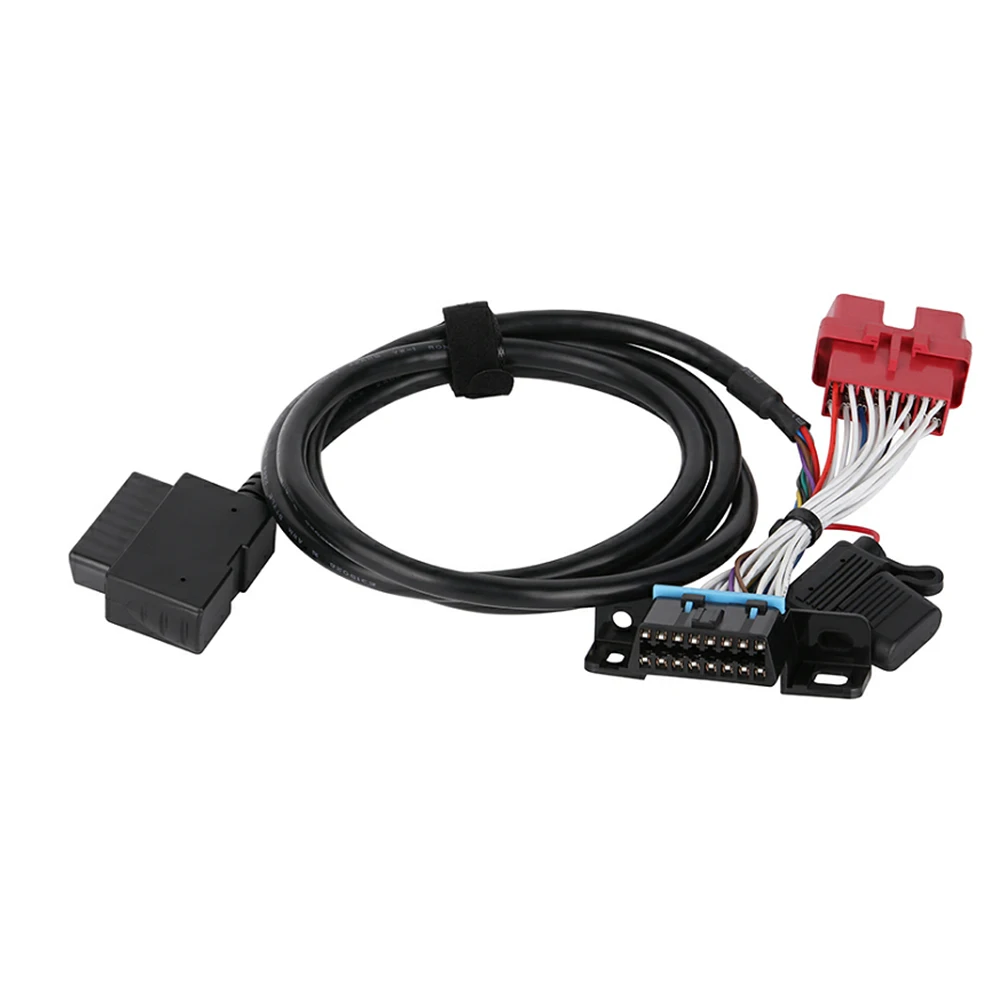
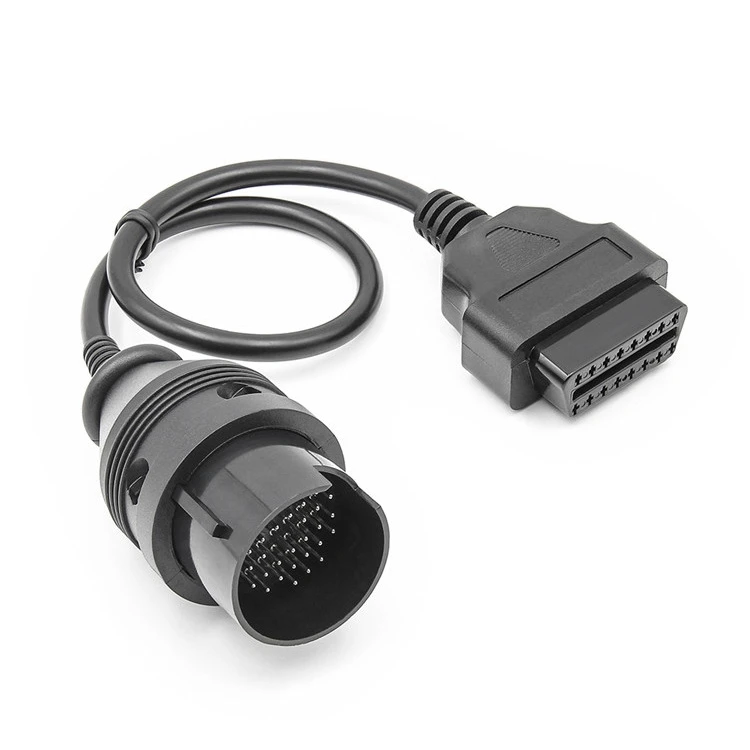
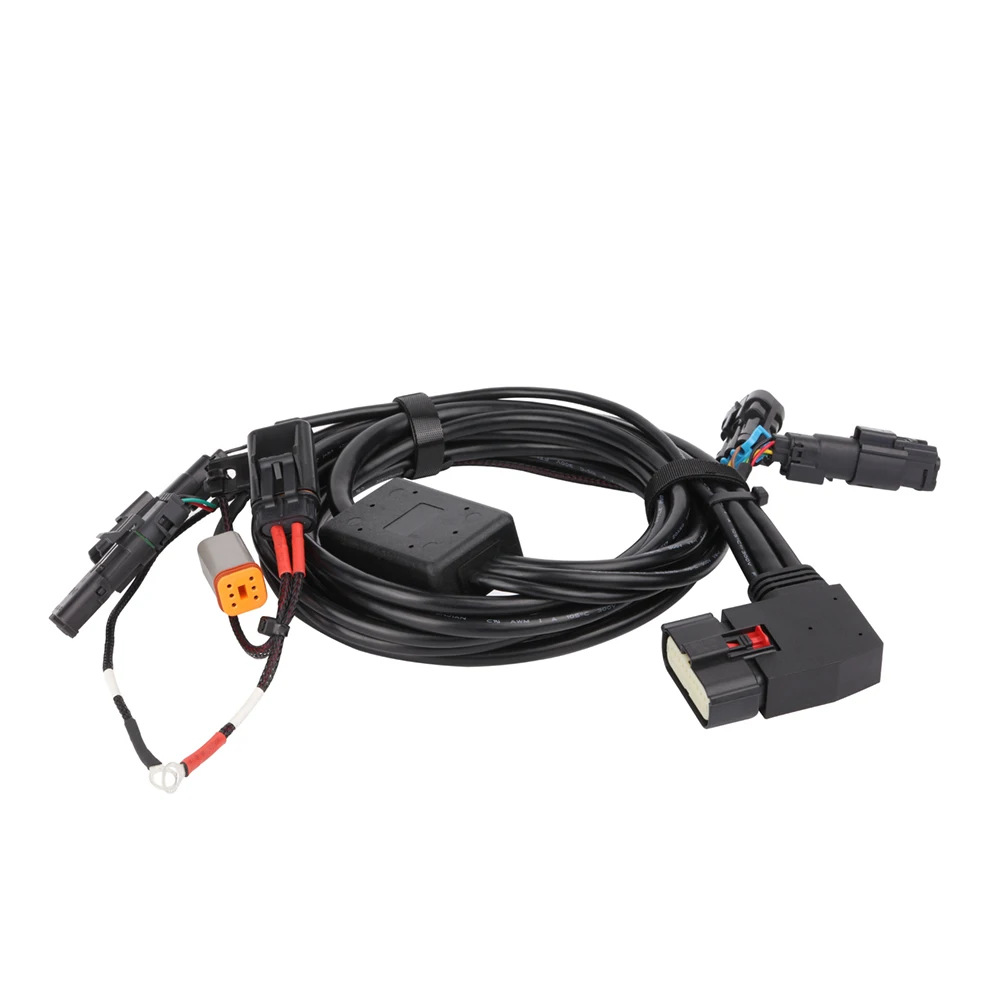
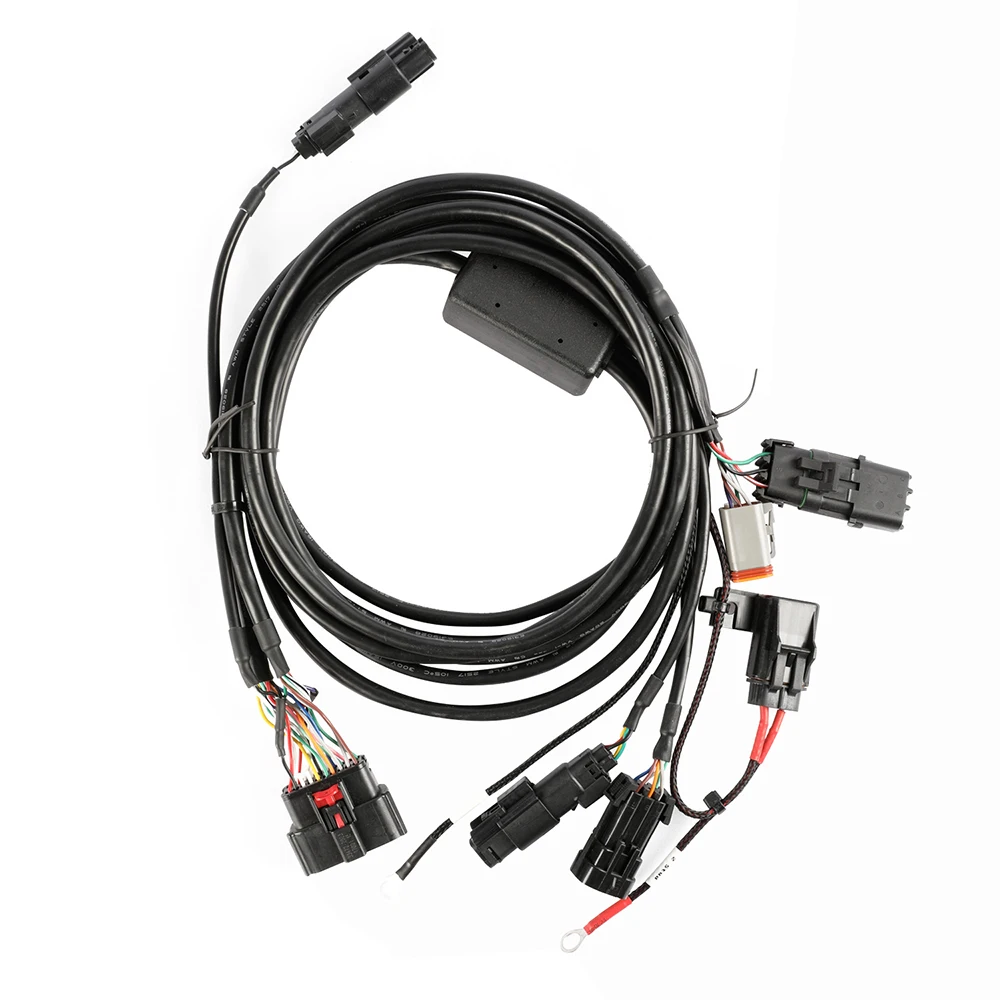
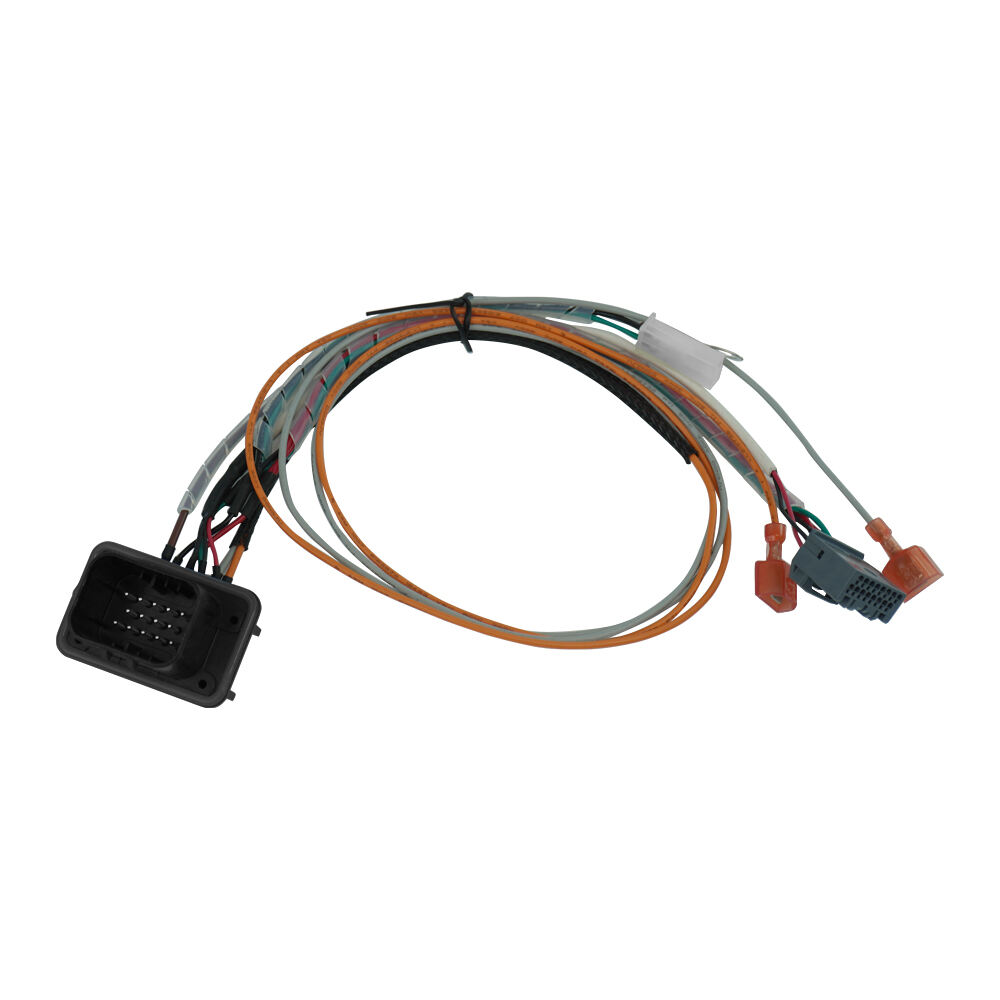
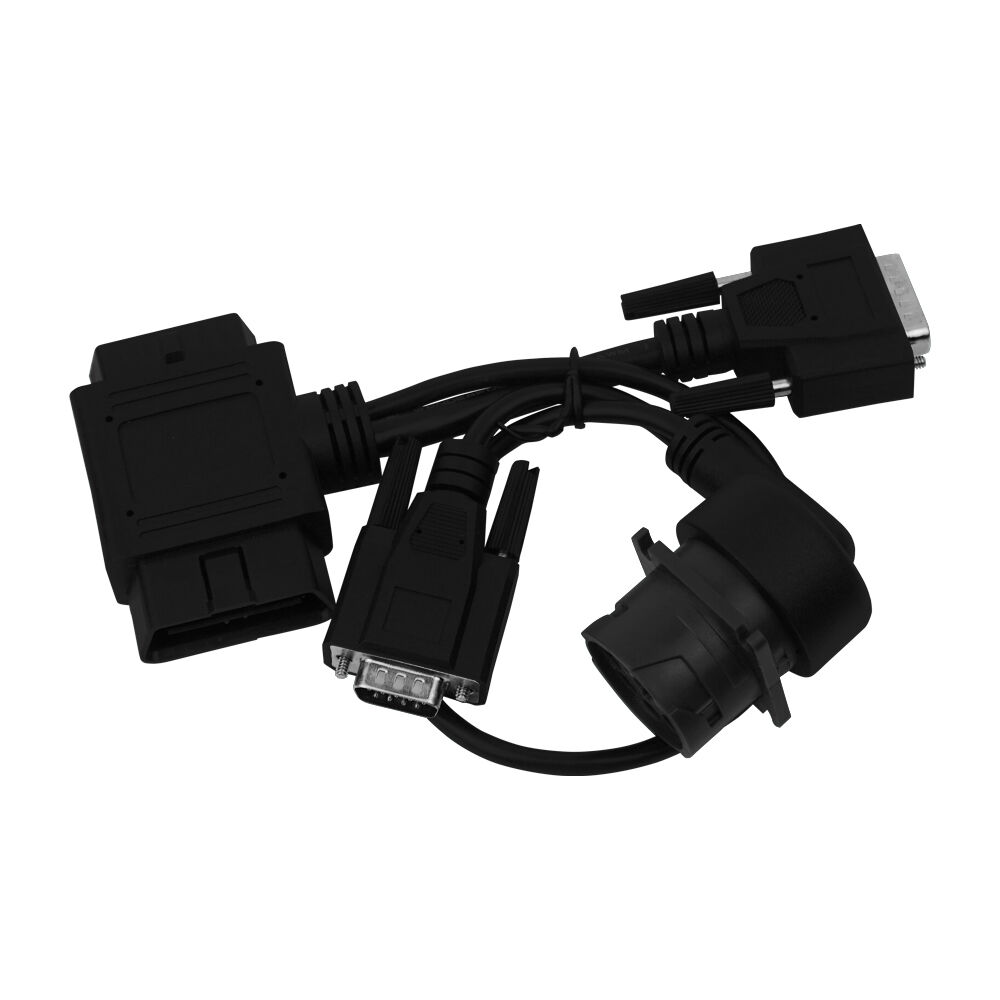
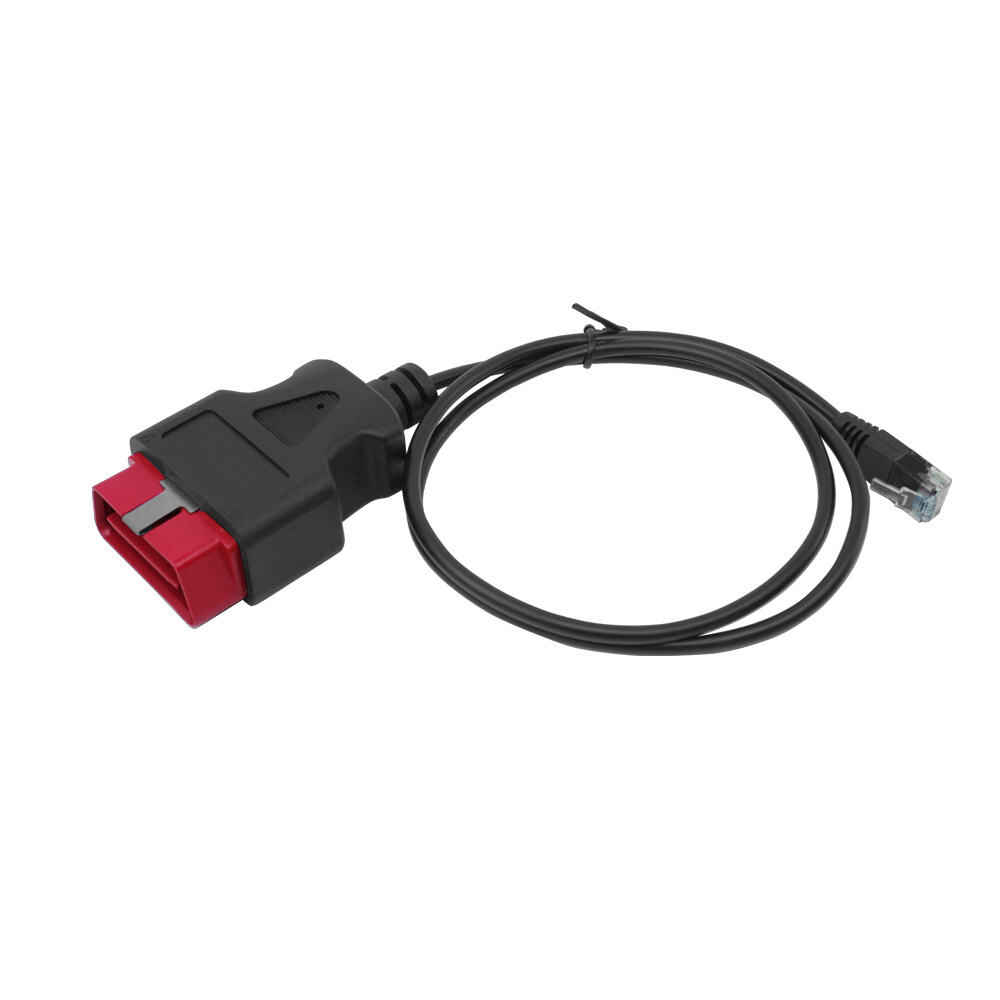
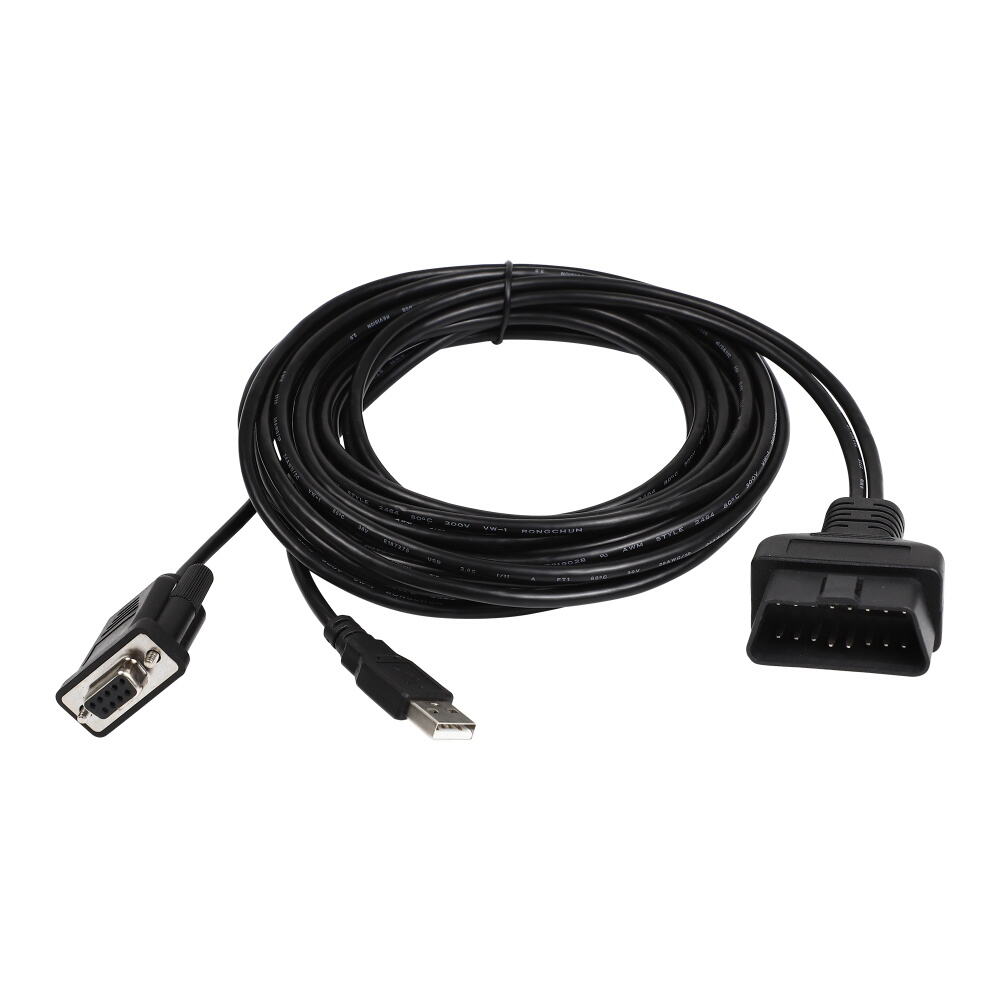
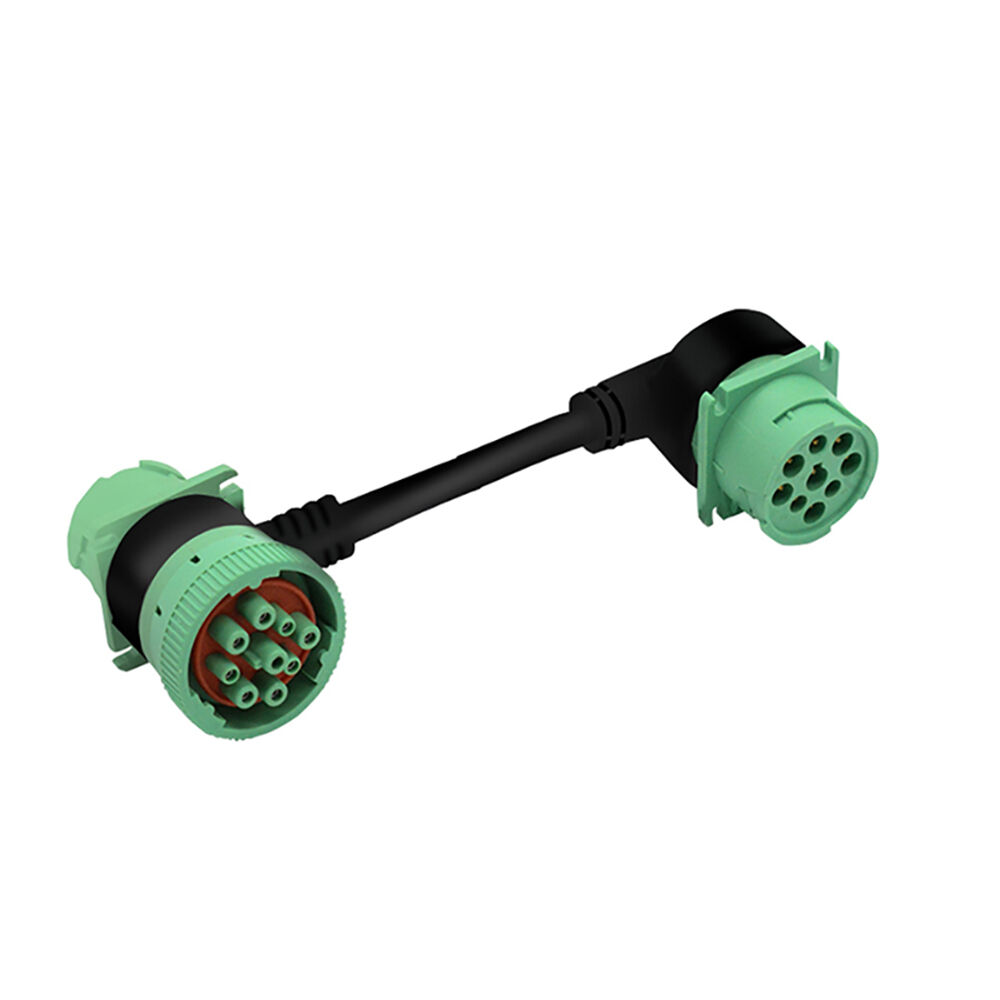
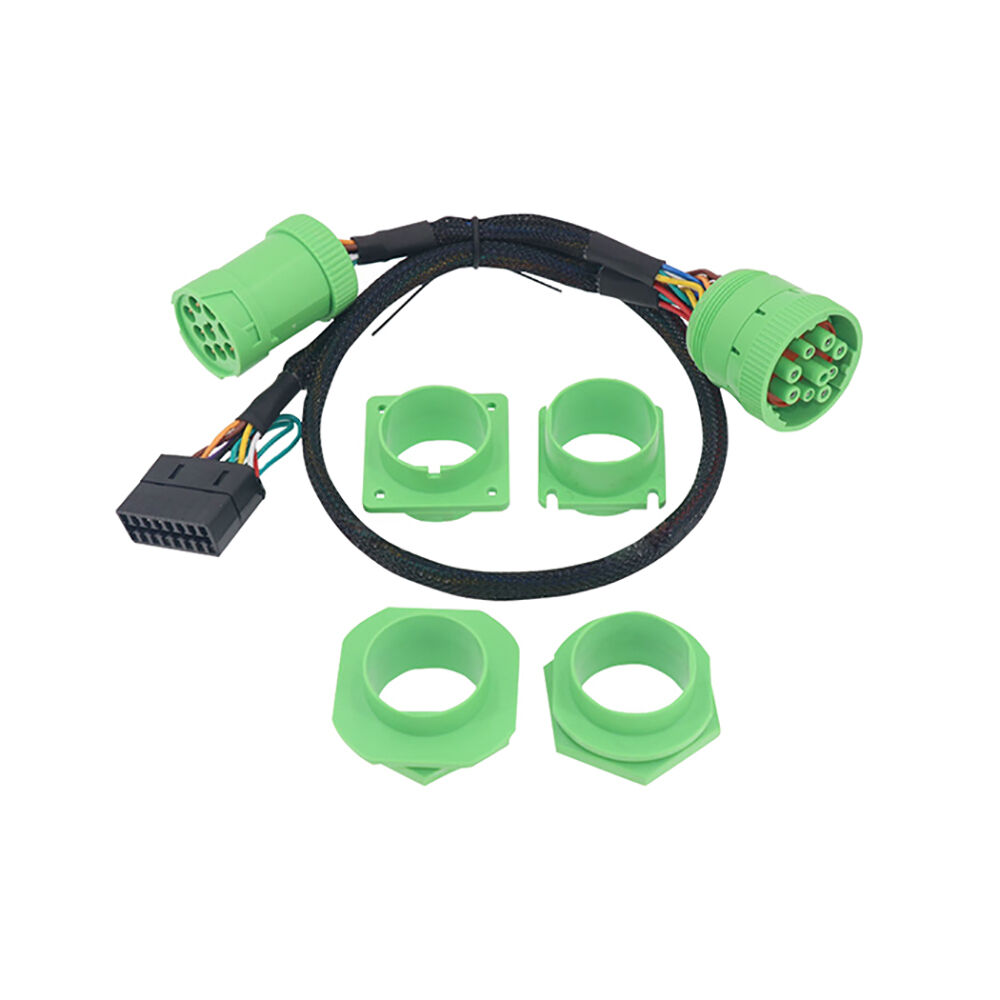
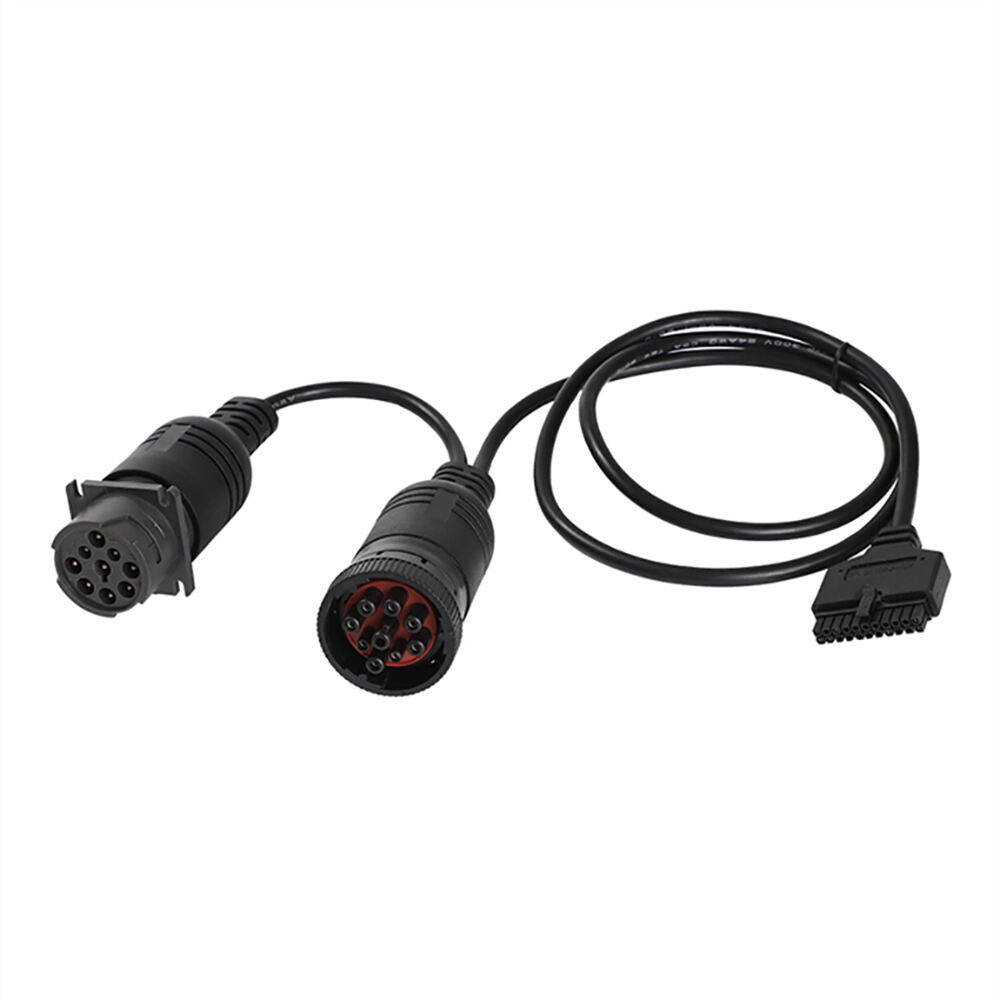
ELD cable manufacturing represents a specialized sector within the electrical cable industry, focusing on producing high-quality Electronic Logging Device cables that meet stringent regulatory and performance standards. This manufacturing process involves creating cables specifically designed to connect electronic logging devices with vehicle diagnostic systems, ensuring reliable data transmission and consistent performance under demanding conditions. The primary functions of ELD cable manufacturing include designing cables that withstand temperature variations, vibration, electromagnetic interference, and physical wear while maintaining signal integrity. These cables serve as critical communication links between onboard vehicle systems and electronic logging devices, enabling real-time tracking of driver hours, vehicle diagnostics, and compliance monitoring. Technologically, ELD cable manufacturing incorporates advanced materials such as oxygen-free copper conductors, specialized insulation compounds, and robust shielding systems that protect against electrical noise and environmental factors. The manufacturing process utilizes precision extrusion equipment, automated testing systems, and quality control protocols that ensure every cable meets industry specifications. Modern ELD cable manufacturing facilities employ computer-controlled production lines that maintain consistent conductor sizing, insulation thickness, and shielding coverage throughout the manufacturing run. Applications for these cables span the commercial transportation sector, including long-haul trucking fleets, delivery vehicles, construction equipment, and agricultural machinery. The cables must comply with Federal Motor Carrier Safety Administration regulations while providing durability that matches vehicle service life expectations. Manufacturing facilities typically implement ISO quality standards and automotive-grade certification processes to guarantee product reliability. The technology behind ELD cable manufacturing continues evolving, incorporating innovations like enhanced flame-retardant materials, improved flexibility for easier installation, and connector designs that simplify maintenance procedures. These manufacturing capabilities support the transportation industry's transition toward comprehensive electronic monitoring systems, playing an essential role in fleet management modernization and regulatory compliance initiatives across North America and international markets.

New Products

The advantages of ELD cable manufacturing extend far beyond simple wire production, offering tangible benefits that directly impact fleet operations and bottom-line performance. First, professionally manufactured ELD cables deliver exceptional reliability that reduces unexpected downtime and maintenance costs for fleet operators. When vehicles remain operational without cable-related failures, companies avoid expensive roadside repairs and lost productivity from disabled trucks. The manufacturing process ensures consistent quality across every cable produced, meaning fleet managers can standardize their equipment knowing each replacement cable will perform identically to the original. This consistency eliminates the guesswork from maintenance planning and parts inventory management. Second, properly manufactured ELD cables provide superior durability that extends service intervals and reduces replacement frequency. The specialized materials and construction techniques used in professional manufacturing create cables capable of withstanding millions of flexing cycles, extreme temperature swings from minus forty to plus eighty degrees Celsius, and constant exposure to vehicle vibration. This longevity translates directly into lower total cost of ownership because fleets purchase fewer replacement cables over their vehicle lifespans. Third, quality manufacturing processes ensure optimal signal transmission that maintains accurate data logging without interruptions or errors. Clean, interference-free communication between the ELD device and vehicle systems means compliance records remain complete and accurate, protecting carriers from potential violations due to equipment malfunctions. Fourth, advanced manufacturing techniques produce cables with enhanced flexibility that simplifies installation procedures, reducing labor time during initial setup or replacement operations. Technicians appreciate cables that route easily through tight spaces without kinking or requiring excessive force, making their jobs faster and less frustrating. Fifth, reputable ELD cable manufacturing includes comprehensive testing protocols that verify electrical performance, mechanical strength, and environmental resistance before products ship to customers. This quality assurance means buyers receive cables that work correctly from day one without requiring returns or exchanges. Sixth, established manufacturers maintain consistent product availability and standardized specifications, enabling fleet operators to source replacements quickly without compatibility concerns or lengthy searches for obscure parts. Seventh, professional manufacturing operations provide technical support and documentation that helps installers troubleshoot issues and ensure proper cable selection for specific vehicle applications. Finally, quality manufactured cables contribute to overall vehicle electrical system health by preventing voltage drops, reducing electromagnetic interference with other systems, and maintaining proper grounding connections that protect sensitive electronic components throughout the vehicle.

Tips And Tricks

How to Identify the Right Connectors and Gauge for Your Custom Wiring Harness Project?

20

Jan

How to Identify the Right Connectors and Gauge for Your Custom Wiring Harness Project?

Selecting the appropriate connectors and wire gauge for your custom wiring harness project represents one of the most critical decisions in electrical system design. A properly engineered custom wiring harness ensures reliable performance, safety com...
View More
How does the manufacturing process of J1939 connection cables guarantee excellent weather resistance and anti-interference?

10

Feb

How does the manufacturing process of J1939 connection cables guarantee excellent weather resistance and anti-interference?

Modern automotive and industrial applications demand robust communication systems that can withstand harsh environmental conditions while maintaining signal integrity. J1939 connection cables represent a critical component in heavy-duty vehicle netwo...
View More
How Can a High-Quality J1939 Connection Cable Ensure Reliable Data Transmission in Heavy-Duty Vehicles?

02

Apr

How Can a High-Quality J1939 Connection Cable Ensure Reliable Data Transmission in Heavy-Duty Vehicles?

Heavy-duty vehicles rely on sophisticated electronic systems to manage engine performance, emissions control, transmission functions, and safety features. At the heart of these interconnected systems lies the Controller Area Network (CAN) bus archite...
View More
How to choose the right Tesla wiring harness for aftermarket audio system upgrades?

02

Apr

How to choose the right Tesla wiring harness for aftermarket audio system upgrades?

Upgrading your Tesla's audio system requires careful consideration of the vehicle's unique electrical architecture, and selecting the appropriate Tesla wiring harness stands as the most critical decision in this process. Tesla vehicles employ sophist...
View More

Get a Free Quote

Our representative will contact you soon.
Email
Name
Company Name
Message
0/1000

eld cable manufacturing

Advanced Material Engineering for Maximum Durability

Advanced Material Engineering for Maximum Durability

The foundation of superior ELD cable manufacturing lies in the sophisticated material engineering that transforms standard components into robust, long-lasting products capable of surviving harsh transportation environments. Professional manufacturers carefully select copper conductors with optimal purity levels, typically using oxygen-free copper that offers superior conductivity and flexibility compared to standard grades. The conductor stranding patterns receive particular attention, with engineers calculating the ideal wire gauge, strand count, and lay patterns that balance flexibility with current-carrying capacity. This engineering approach ensures cables bend repeatedly around tight corners during installation while maintaining electrical performance throughout their service life. The insulation materials represent another critical aspect of ELD cable manufacturing, with premium manufacturers utilizing specialized polymer compounds engineered specifically for automotive applications. These insulation materials must resist petroleum products, hydraulic fluids, and cleaning chemicals commonly encountered in vehicle environments while maintaining dielectric strength across wide temperature ranges. Advanced formulations incorporate plasticizers that remain stable over time, preventing the brittleness that causes inferior cables to crack and fail after several years of service. The shielding systems employed in quality ELD cable manufacturing provide essential protection against electromagnetic interference that could compromise data transmission accuracy. Manufacturers apply braided shields, foil barriers, or combination approaches that block external noise sources while preventing the cable itself from radiating interference that might affect nearby vehicle systems. The shield coverage percentage, measured during manufacturing, must meet precise specifications to ensure consistent performance across the entire production run. Jacket materials complete the protective layer system, with manufacturers selecting compounds rated for abrasion resistance, UV stability, and flame retardancy. These outer jackets withstand scraping against sharp metal edges, exposure to sunlight during outdoor storage, and potential contact with hot engine components without degrading. The manufacturing process carefully controls jacket thickness and uniformity, ensuring complete coverage without weak spots that could allow environmental contamination to reach inner cable layers. Temperature performance specifications receive rigorous validation during ELD cable manufacturing, with samples subjected to thermal cycling tests that simulate years of seasonal variation compressed into accelerated testing periods. Cables must maintain flexibility in freezing conditions while insulation materials resist softening or flowing in extreme heat, requirements that demand precise material selection and processing parameter control throughout manufacturing operations.
Precision Manufacturing Processes Ensuring Consistent Quality

Precision Manufacturing Processes Ensuring Consistent Quality

The technological sophistication of modern ELD cable manufacturing processes directly determines the consistency and reliability of finished products, with leading manufacturers investing heavily in automated equipment and quality control systems that eliminate variation and defects. The manufacturing journey begins with conductor preparation, where precision drawing equipment reduces raw copper to exact diameters measured in thousandths of an inch, with computerized monitoring systems continuously verifying dimensions throughout production. Stranding machines then combine individual wires into conductor bundles using carefully programmed twisting patterns that optimize flexibility while maintaining circular cross-sections essential for uniform insulation application. The insulation extrusion process represents a critical manufacturing phase where molten polymer flows through precision dies that center the conductor while applying insulation layers at controlled thicknesses. Temperature control systems maintain extruder barrel zones within narrow ranges, ensuring polymer viscosity remains consistent for uniform material flow and optimal adhesion to conductor surfaces. Cooling systems then solidify the insulation at controlled rates that prevent internal stresses or dimensional changes that could compromise long-term performance. Advanced manufacturing facilities incorporate real-time measurement systems that continuously monitor insulation diameter, concentricity, and wall thickness, automatically adjusting process parameters to maintain specifications without operator intervention. Shielding application requires specialized equipment that applies braided or spiral-wrapped metal layers with precise coverage percentages, with automated systems maintaining consistent tension and overlap patterns throughout production runs. The final jacketing operation encapsulates the cable assembly in protective outer layers using extrusion processes similar to insulation application but optimized for different material properties and thickness requirements. Quality control procedures integrated throughout ELD cable manufacturing include electrical testing stations that verify conductor resistance, insulation dielectric strength, and shield effectiveness before cables proceed to subsequent operations. Mechanical testing protocols evaluate flexibility through repeated bend cycles, assess tensile strength through pull tests, and confirm abrasion resistance through standardized wear procedures. Environmental testing exposes sample cables to temperature extremes, humidity variations, and chemical exposure conditions that simulate accelerated aging, with manufacturers analyzing results to validate material selections and process parameters. Traceability systems implemented during manufacturing assign unique identifiers to production batches, enabling manufacturers to track materials, process conditions, and test results for every cable produced. This documentation capability supports quality investigations, facilitates continuous improvement initiatives, and provides customers with confidence in manufacturing consistency and accountability.
Application-Specific Design Optimizing Performance and Installation

Application-Specific Design Optimizing Performance and Installation

The versatility and effectiveness of ELD cable manufacturing stems from the industry's commitment to developing application-specific designs that address the unique challenges faced by different vehicle types, installation scenarios, and operating environments. Professional manufacturers collaborate with fleet operators, vehicle manufacturers, and ELD device producers to understand real-world requirements, then engineer cable solutions optimized for those specific conditions rather than offering generic products that compromise performance in specialized applications. For heavy-duty trucking applications, ELD cable manufacturing focuses on designs that withstand constant vibration from diesel engines and rough road conditions while routing through confined spaces in modern truck cabs filled with electronic systems. These cables feature enhanced flexibility that allows tight bending radii around dashboard components and through firewall grommets without kinking or creating strain points that accelerate failure. The connector systems integrated into trucking-focused cables utilize automotive-grade contacts rated for thousands of mating cycles and incorporate retention features that prevent accidental disconnection during vehicle operation. Light commercial vehicle applications drive different ELD cable manufacturing priorities, with emphasis on cost-effectiveness balanced against adequate durability for less severe operating conditions compared to heavy trucks. Manufacturers develop streamlined designs that eliminate unnecessary features while maintaining essential performance characteristics, enabling competitive pricing that makes ELD compliance affordable for small fleet operators and independent contractors. Agricultural equipment presents unique challenges for ELD cable manufacturing due to extreme environmental exposure, with cables potentially contacting fertilizers, pesticides, hydraulic fluids, and abrasive dust while experiencing wide temperature swings between seasons. Specialized cable designs for agricultural applications incorporate enhanced chemical resistance, reinforced jackets that withstand abrasion from crop debris, and sealing systems that prevent moisture ingress in outdoor storage conditions. Construction equipment cables must survive punishing vibration from impact tools and rough terrain travel while resisting damage from concrete dust, welding spatter, and petroleum products common on job sites. The manufacturing approach for construction applications emphasizes mechanical ruggedness through thicker jackets, additional strain relief, and connector systems that lock securely despite frequent disconnection for equipment sharing between vehicles. Installation efficiency represents another critical consideration driving ELD cable manufacturing design decisions, with manufacturers developing cable lengths, routing configurations, and connector placements that minimize installation time and reduce errors during setup procedures. Color-coding systems, labeling conventions, and connector keying features help installers quickly identify correct connections without consulting complex diagrams or risking incorrect hookups that could damage equipment. Manufacturers also provide detailed installation instructions, technical support resources, and training materials that empower technicians to complete installations correctly the first time, reducing callbacks and warranty claims that impact customer satisfaction and manufacturer profitability.


Get a Free Quote

Our representative will contact you soon.
Email
Name
Company Name
Message
0/1000

Get a Free Quote

Our representative will contact you soon.
Email
Name
Company Name
Message
0/1000

Get a Free Quote

Our representative will contact you soon.
Email
Name
Company Name
Message
0/1000

Get a Free Quote

Our representative will contact you soon.
Email
Name
Company Name
Message
0/1000