

 EN
EN
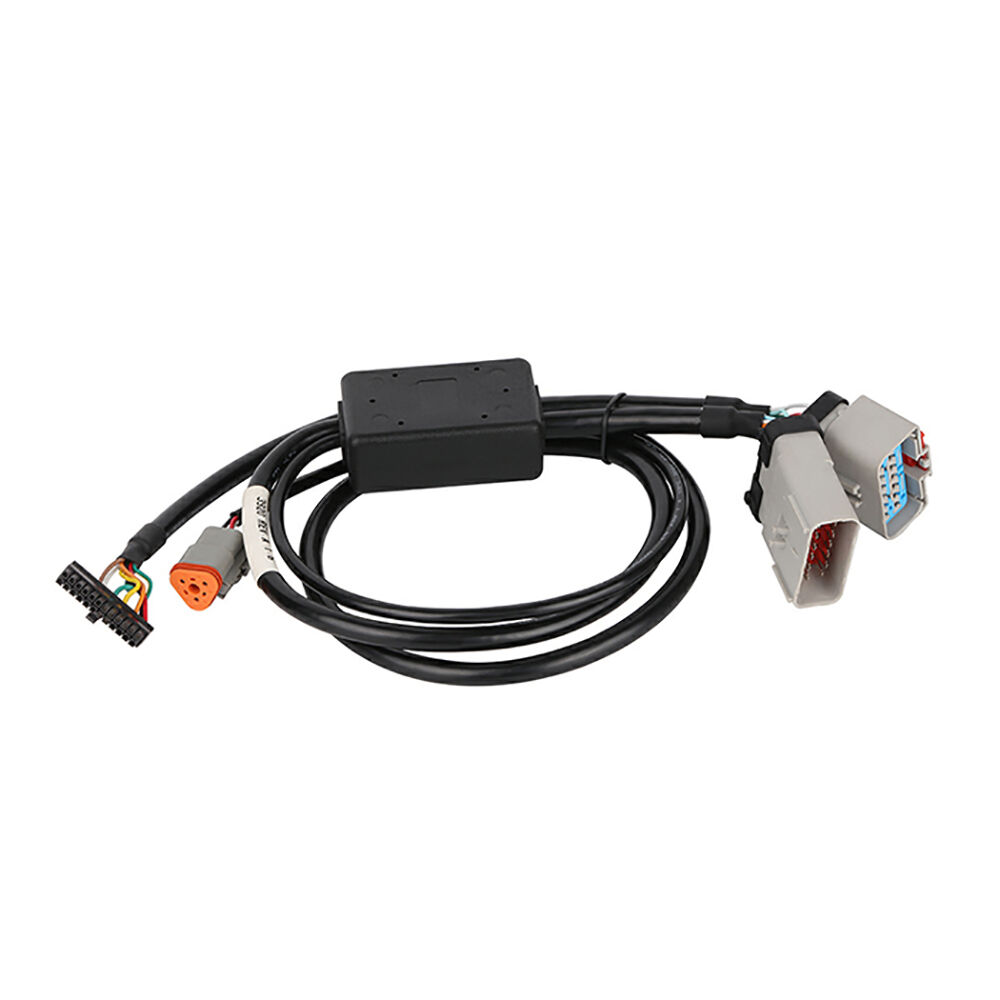
Cum instrumenta diagnosticia cum vehiculo aut machina communicare non possunt, causa prima saepe est incompatibilitas connexorum, non autem scanner vitiosus aut systema fractum. Unus fascia adaptativa hanc lacunam supplet, incompatibiles interfacies coniungens, ut instrumentum diagnosticum data accurate legere possit, sine necessitate carissimi apparatus substituendi. Fasciculus adaptatoris iam pars essentialis est in officinis, operationibus manutentionis flottarum, et ambientibus validationis OEM, ubi plures machinarum species continuitatem signali fidam postulant.
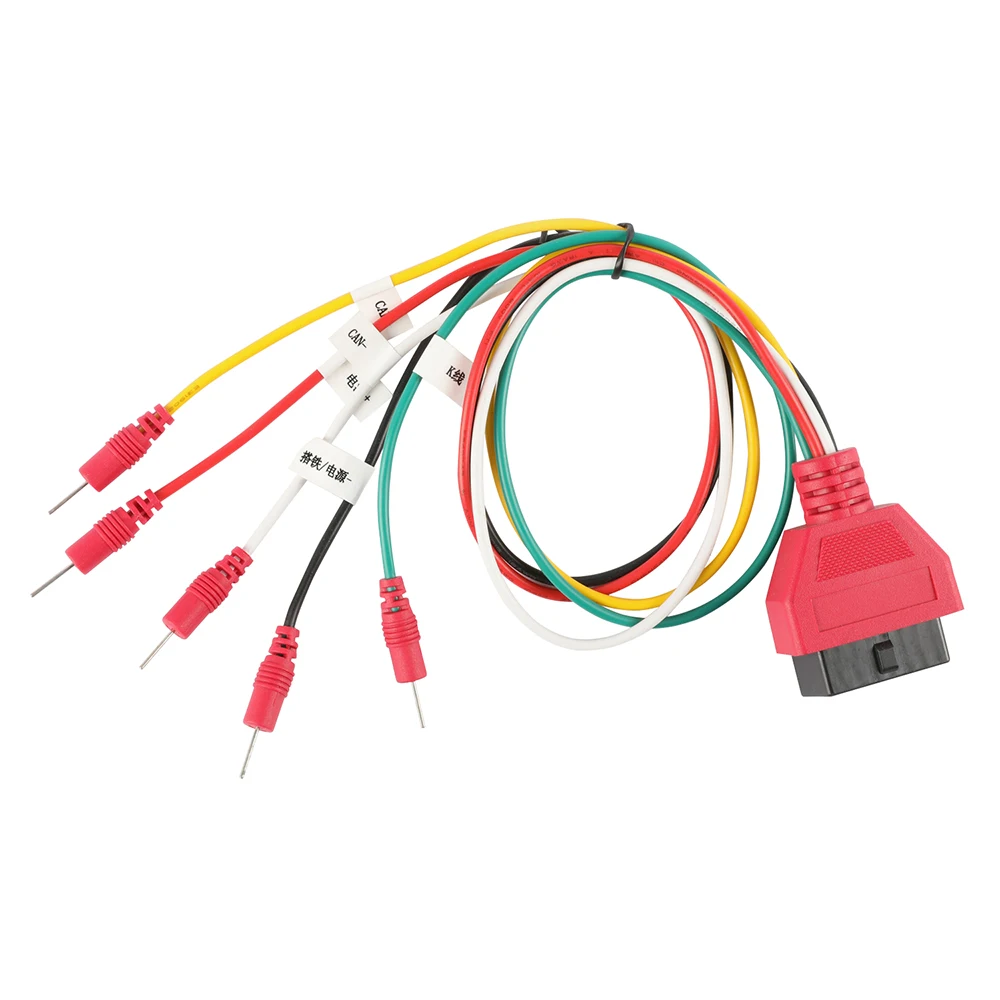
Brevis responsio est: ita — fasciculus adaptatoris recte specificatus in maiore parte casuum realium dissimilitudinem diagnosticam machinarum solvere potest. Tamen efficacia fasciculi adaptatoris dependet a configuratione pinorum, compatibilitate signali, et qualitate usae retis electricae. Intellectus quo modo et cur fasciculus adaptatoris haec problemata resolvat, technicis et iis qui emptiones administrant, adiuvabit ut ante novum instrumentum diagnosticum emendum decisiones informatas faciant.
Intellectus de Incongruentia Diagnostica Instrumentorum
Quae Causae Incongruentiae Diagnosticae Primo Locum Habent
Incongruentia diagnostica accidit cum connexio physica, dispositio pinarum, aut protocolum signali instrumenti diagnosticis non congruit cum foramine instrumenti examinandi. Haec praesertim communis est cum uno tantum scannere OBD2 utitur per diversas aetates vehiculorum, marcas machinarum, aut instrumenta industrialia ad usum specialem fabricata. Fasciculus adaptans specialiter est constructus ut huiusmodi incompatibilitas tollatur. Sine fideli fasciculo adaptante, technici saepe coguntur ad artificia uti quae rumorem signali aut transfectionem incompletam inducunt, quae totum processum diagnosticum subvertunt.
Singulus adaptatoris fasciculus ita construitur ut singulae connexionis clavulae ad singulas clavulas alterius connexionis formati aptentur, quae signa e uno formato connexorum in formatum input quod instrumentum diagnosticum exigit convertunt. Cum mappatio adaptatoris fasciculi cum protocollo instrumenti congruit, data sine impedimento fluunt et codices defectuum sine errore extrahuntur. In contrario, adaptatoris fasciculi incongruentia vel inferioris qualitatis causare potest circuitus terrae, interruptos circuitus, aut signa inter se coniuncta quae falsas lectiones generant. Hoc est cur qualitas constructio adaptatoris fasciculi tanta ponderis habet quantus ipsa configuratio clavularum.
Industriae Communis Ubi Adaptatoris Fasciculi Incongruentia Occurrunt
Necessitas fideli adaperiendi fasciculi in pluribus industriis apparet. In automobilium reparatione, adaperiens fasciculus requiritur cum vetustiora vehicula curantur, quae non-standardes conectoris OBD1 habent, simul cum modernis instrumentis OBD2-compatibilibus. In commercio vehiculorum cura, gravia autocarros et autobusa saepe proprios portus diagnosticos utuntur, qui adaperientem fasciculum specialem postulant, ut cum universalibus scanneribus communicent. Fabricatores apparatus industrialis etiam ad adaperientem fasciculum confidunt, dum unitates de controllo incorporatas in testibus productionis conprobant. Quisque usus confirmat adaperientem fasciculum non esse accesorium specialis ambitus, sed componentem diagnosticam fundamentalem pro quolibet ambiente multi-plataformae.
Quomodo Adaperiens Fasciculus Dissidium Resolvit
Iter Signi et Logica Mappationis Pinarum
Praecipua functio fasciculi adaptatoris est creare verificatum iter electricum inter duos incompatibiles conectores. Bene dispositus fasciculus adaptatoris continet conductores recte notatos, nucleos filorum scutatos ubi integritas signi critica est, et connectores qui tolerantiis mechanicis tam portus instrumenti quam instrumenti diagnosticorum satisfaciunt. Designatio extensionis ad 16 nucleos, quae in productis professionalis gradus fasciculorum adaptatorum utitur, certam facit ut omnes pinnas OBD2 normales — inter quas potestas, terra, CAN bus altus, CAN bus infimus, linea K, et linea L — recte dirigantur sine ulla effusione signi inter canales.
Cum technicus fasciculum adaperteris inter instrumentum diagnosticum et portum apparatus connectit, fasciculus efficaciter ‘interpretatur’ interfaciem physicam. Hoc permittit scanneri ut sessio initiaretur, numeri identificationis vehiculi petantur, et codices diagnosticos defectuum extrahantur tamquam directe coniungeretur. Bonus fasciculus adaperteris hoc efficit sine incremento resistentiali mensurabili aut attenuatione signali, quod est critica condicio pro communicationibus temporis-sensitivis in bus CAN. Aequipes experientiales, quae in ambientes productionis fasciculum adaperteris utuntur, errores diagnosticos significative minores nuntiant quam aequipes quae solutiones connexionis improvisatas utuntur.
Capacitas Extensionis et Commoda Practica
Praeter quod pinum inaequalitatem solvit, fasciculus adaptans praebet beneficium extensionis quod ergonomiam in angustis locis installationis meliorat. Cum portus diagnosticus in positione inconveniente sit — uti post tabulam instrumentorum aut sub pavimento cabinae — fasciculus adaptans permittit technico ut ab loco facilius accessibili operetur. Fasciculus adaptans effecive extendit interfaciem diagnosticam sine deterioriatione qualitatis signi, dummodo longitudo cavi et crassitudo fili ad velocitatem baud protocoli communicationis usurpati idoneae sint. Haec utilitas practica fasciculum adaptantem non solum ad solutionem inaequalitatum sed etiam ad ordinarias operationes diagnosticas praefertur.
Eligere Fasciculum Adaptantem Idoneum Ad Tuum Instrumentum
Principales Proprietates Ad Evaluandas
Adoptatio recta coniunctionis adiutoris technicis pluribus parametris aestimandis indiget. Primum, confirmare oportet typum coniunctionis tam in instrumento diagnosticorum quam in foramine apparatus. Instrumenta OBD2 communia 16-pin femineam coniunctionem typi A utuntur, sed foramina apparatus coniunctiones rotundas DIN, coniunctiones rectangulares proprias, aut variantes pauciorum pinum habere possunt. Coniunctio adiutoris ad utrumque caput exacte congruere debet. Secundo, numerus filorum centralium coniunctionis adiutoris verificandus est. Coniunctio adiutoris 16-filorum omnem distributionem pinorum OBD2 sustinet, dum coniunctio adiutoris pauciorum filorum pinos rarius usitatos omittit, qui tamen ab aliquibus protocollis propriis requiruntur.
Tertio, aestimare oportet gradum isolationis et scutum fasciculi adiuncti. In ambientibus industrialibus, ubi interventus electromagneticus altus est, fasciculus adiunctus absque scuto sonos in lineas communicationis tensionis humilis inducere potest. Fasciculus adiunctus scutatus cum filo drenante ad terram chassidis hunc periculum minuit. Quarto, considerare oportet longitudinem cavi fasciculi adiuncti respectu velocitatis baud protocolli destinati. Autobus CAN ad 500 kbps longiores cursus fasciculi adiuncti tolerare potest quam autobus LIN aut FlexRay altae velocitatis; igitur semper longitudinem cavi ad tolerantiam protocolli accommodare oportet, cum fasciculus adiunctus pro diagnosticis praecisis seligitur.
Cum solus fasciculus adiunctus non sufficiat
Cum fasciculus adaptivus plerumque resolvat casus incompatibilitatis physicae et electricae, sunt tamen quaedam condicionis, ubi incompatibilitas protocolli software inter instrumentum diagnosticum et ECU apparatus non solvitur per fasciculum adaptivum solum. Si apparatus utitur proprio protocollo communicationis quod firmware scanneris non sustinet, fasciculus adaptivus connexionem physicam instituet, sed nulla commutatio data significativa eveniet. In his casibus, fasciculus adaptivus cum compatibili software diagnosticum aut modulo translationis protocolli coniungendus est. Cognitio limitis inter incompatibilitatem hardware — quam fasciculus adaptivus solvit — et incompatibilitatem software — quae solutiones firmware requirit — ad accuratam isolationem defectus necessaria est.
FAQ
Num fasciculus adaptivus cum omnibus instrumentis diagnosticis OBD2 compatibilis est?
Plurima producta adaperantium fasciculorum ad instrumenta diagnostica OBD2 standardia per conectorum typi-A 16-pin destinata sunt. Tamen compatibilitas etiam dependet a conectore ex parte instrumentorum. Semper verificare oportet ut adaperans fasciculus cum portu specifico in instrumento tuo destinato congruat antequam emas. Fasciculus adaperans sexdecim-core latissimam copiam pinorum et maximam amplitudinem compatibilitatis inter diversa instrumenta praebet.
Num adaperans fasciculus deterioris qualitatis falsas lectiones diagnosticas causare potest?
Ita. Adaperans fasciculus inferioris qualitatis, qui habet mappam pinorum incorrectam, iuncturas soldatas infirmas aut insulatio impar, interference signorum, circuitus apertos aut commixtionem inter lineas communicationis causare potest. Hoc falsos codices errorum, sessiones communicationis frustratas aut intermissionem amissionis datorum producere potest. Investire in adaperante fasciculo recte specificato et professione fabricato ad certam ac repetibilem exactitudinem diagnosticam obtinendam necessarium est.
Quomodo scio an discordantia diagnositica ab arnica adapertrice an ab scanneri causata sit?
Ut fontem discordantiae isolare possis, instrumentum diagnositicum in portu apparatus noto-compatibili sine arnica adapertrice experire. Si instrumentum recte communicat in connexionem directam, arnica adapertrix aut eius dispositio pinorum probabiliter causa problematis est. Si instrumentum etiam in connexionem directam deficiat, causa in firmware scanneris aut in ECU apparatus sita est. Hoc processus isolationis gradatim institutus confirmare iuvat utrum substitutio aut reconfiguratio arnicae adapertricis discordantiam diagnositicam resolvat.