

 EN
EN
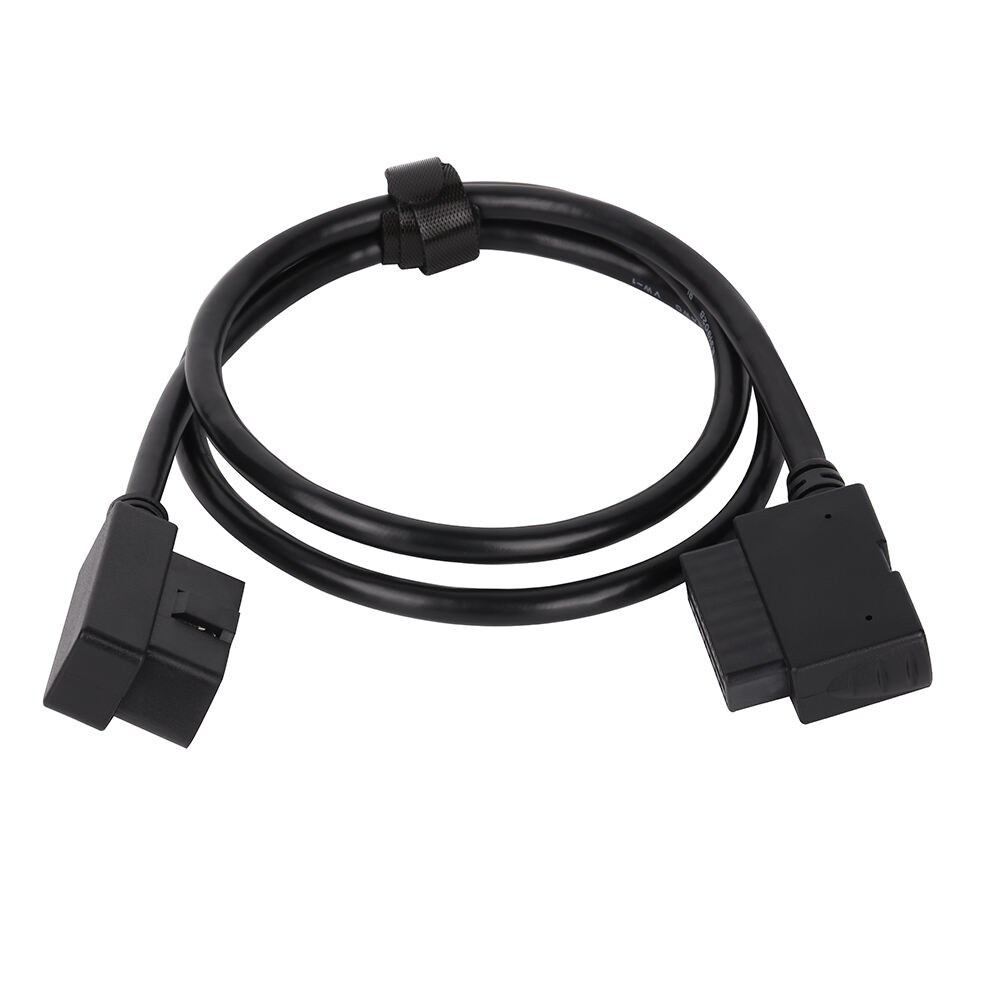
A custom adapter harness is not a one-size-fits-all component. It is an engineered wiring solution designed to bridge electrical connections between systems, modules, or vehicles that were never originally built to communicate with each other. Understanding where a custom adapter harness delivers the greatest value helps procurement teams, engineers, and OEM designers make smarter decisions before specifying or sourcing one.
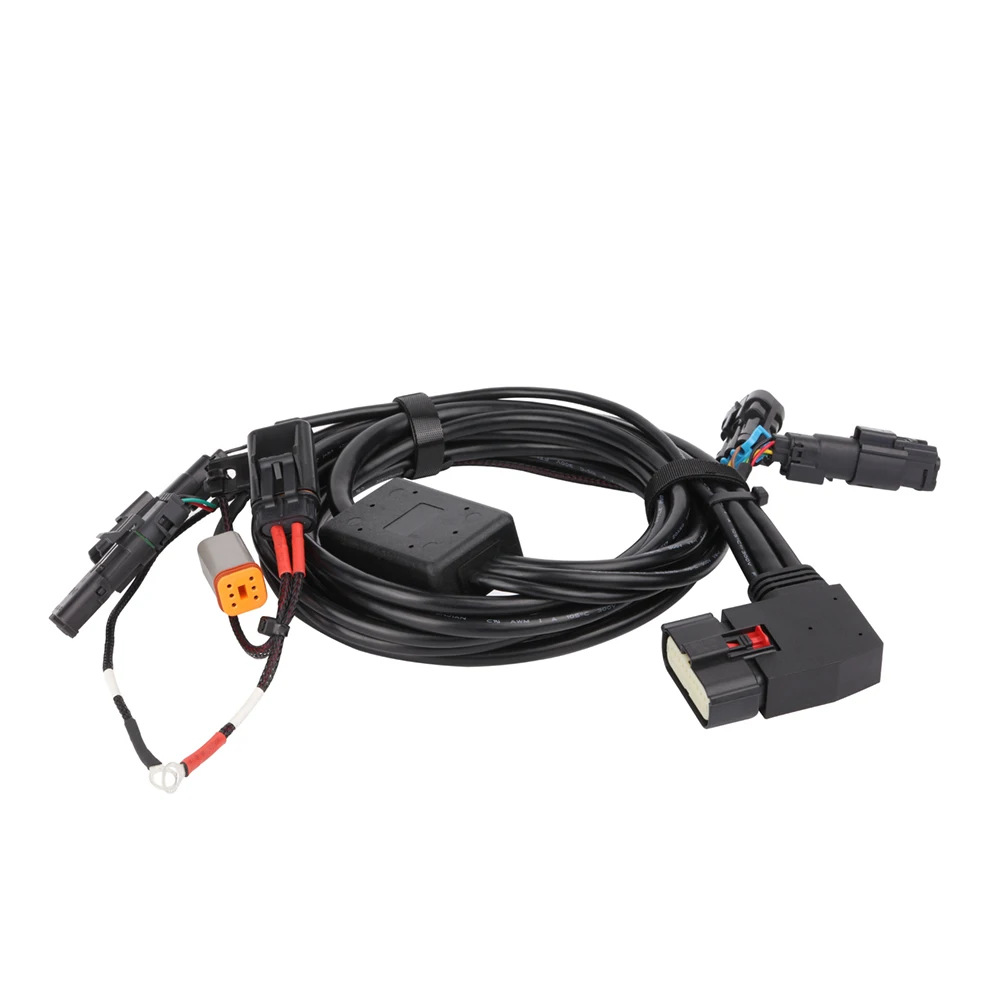
The effectiveness of a custom adapter harness depends heavily on the application environment. When a standard harness cannot meet the physical, electrical, or compatibility requirements of a specific system, a custom adapter harness steps in to solve the problem with precision. From automotive retrofits to heavy equipment integration, the scenarios where a custom adapter harness truly excels are both broad and specific.
Custom Adapter Harness in Automotive Applications
Engine Swaps and Powertrain Conversions
One of the most demanding environments for a custom adapter harness is an engine swap or powertrain conversion. When a different engine is installed into a vehicle chassis that was not designed for it, the original wiring looms rarely match the new powertrain's connector pinouts or sensor layout. A custom adapter harness resolves this mismatch by translating the signals from the new engine control unit to the existing vehicle body harness. Without a properly engineered custom adapter harness, critical signals such as fuel injection timing, throttle position, and temperature sensing can fail entirely.
In performance and restoration builds, a custom adapter harness is especially effective because it allows the builder to retain the original dashboard instrumentation while integrating a modern drivetrain. The custom adapter harness acts as the translation layer, ensuring both old and new systems communicate reliably. This level of precision simply cannot be achieved with off-the-shelf harness kits that were not built for the specific combination of components involved.
Air Conditioning and Climate Control Integration
Another highly effective application for a custom adapter harness is in automotive air conditioning and climate control systems. When an aftermarket AC compressor, evaporator unit, or control module is installed in a truck, van, or specialty vehicle, the factory connector patterns rarely align. A custom adapter harness bridges the wiring gap, ensuring the AC control signals, blower motor commands, and sensor feedback all reach the correct pins without modification to the vehicle's original loom. This makes the custom adapter harness a preferred solution for commercial fleet operators who regularly retrofit vehicles with upgraded climate systems.
Custom Adapter Harness in Industrial and Off-Road Equipment
Heavy Equipment Control System Upgrades
In industrial machinery and off-road equipment, a custom adapter harness is highly effective when older machines receive upgraded electronic control units. Excavators, loaders, and agricultural machines often run on legacy electrical architectures that were designed before modern CAN bus systems became standard. When operators upgrade the control modules on these machines, a custom adapter harness provides the electrical interface needed to connect new electronics to the existing wiring infrastructure. A well-designed custom adapter harness ensures signal integrity is maintained even in high-vibration, high-dust, and high-temperature environments typical of heavy equipment operation.
The custom adapter harness in these applications must meet strict durability standards. Connectors rated for IP67 or higher sealing, heat-resistant insulation, and secure strain relief are all characteristics that make a custom adapter harness suitable for industrial deployment. When sourcing for these environments, specifying a custom adapter harness that meets automotive-grade or industrial-grade standards is critical to long-term performance.
Marine and Specialty Vehicle Applications
Marine vessels and specialty vehicles present unique wiring challenges that a custom adapter harness is well positioned to address. In marine environments, a custom adapter harness must resist moisture, salt corrosion, and constant vibration. When a boat owner installs a new navigation system, engine monitor, or electrical accessory from a different manufacturer, the connectors and voltage requirements rarely match the existing boat wiring. A custom adapter harness designed for marine use incorporates tinned copper conductors, sealed terminals, and moisture-resistant jacket materials, making it far more effective than a generic harness in these conditions.
Custom Adapter Harness for OEM and Production Line Use
OEM Integration and Product Compatibility
For original equipment manufacturers, a custom adapter harness is an essential tool for managing component compatibility across product lines. When an OEM sources sensors, actuators, or control modules from multiple suppliers, the connector styles and pin configurations rarely match from one supplier to another. A custom adapter harness standardizes the interface, allowing the production line to accept components from different sources without redesigning the main vehicle or machine harness. This reduces production complexity and lowers the risk of assembly errors on the line.
A custom adapter harness is also effective during product transition periods. When an OEM phases in a new generation of components while still producing vehicles with the older architecture, a custom adapter harness allows both generations to coexist on the same production line without costly tooling changes. This makes the custom adapter harness an important asset for flexible, cost-conscious manufacturing operations.
Aftermarket Accessory Fitment
In the aftermarket accessories sector, a custom adapter harness is commonly used to fit lighting systems, audio equipment, towing modules, and telematics devices to vehicles where plug-and-play solutions do not exist. A custom adapter harness eliminates the need for splicing into factory wiring, protecting the vehicle's original circuits and maintaining warranty compliance in many cases. For commercial installers and upfitters, a custom adapter harness designed for a specific vehicle-accessory combination reduces installation time and improves the quality of the final result.
FAQ
What makes a custom adapter harness different from a standard wiring harness?
A custom adapter harness is specifically engineered to connect two or more systems that were not originally designed to interface with each other. A standard wiring harness follows a fixed design for a single application. The custom adapter harness is built around the exact connector types, pin counts, wire gauges, and signal requirements of the specific integration being performed.
How do I determine if my application needs a custom adapter harness?
If your application involves replacing or upgrading a component whose connectors do not match the existing vehicle or machine wiring, you likely need a custom adapter harness. A custom adapter harness is also appropriate when signal translation, voltage conversion, or pin remapping is required between two otherwise incompatible electrical systems.
What specifications should I provide when ordering a custom adapter harness?
When ordering a custom adapter harness, provide the connector part numbers or mating connector samples from both sides of the interface, the wire gauge and current rating for each circuit, the required cable length, and the environmental rating needed for the installation environment. A complete specification ensures the custom adapter harness is built to function correctly the first time.