

 EN
EN
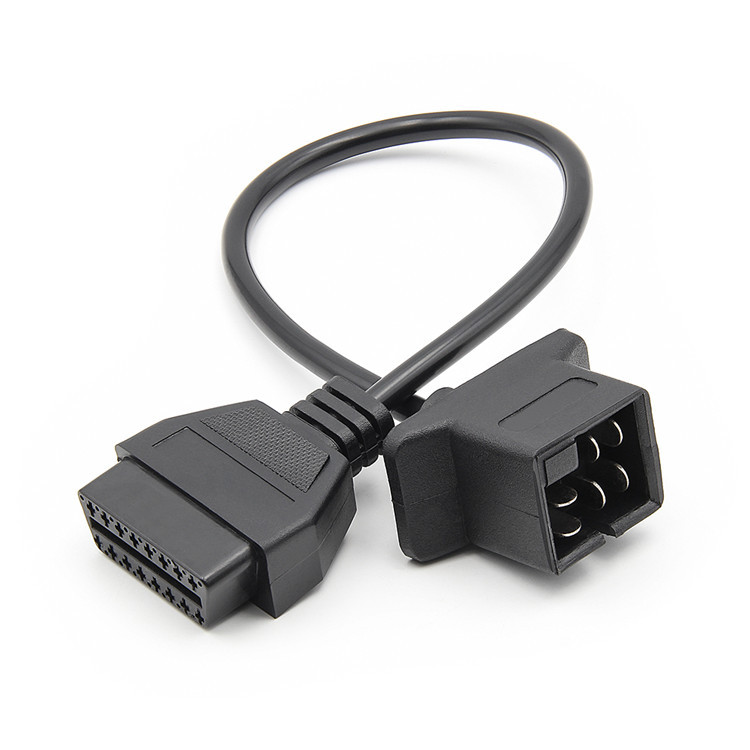
Harness manufacturers face constant pressure to balance cost efficiency with product quality, yet many are increasingly investing in premium obd connector solutions rather than settling for budget alternatives. This strategic shift reflects a deeper understanding of how connector quality directly impacts vehicle diagnostics, warranty claims, and long-term customer satisfaction. Premium obd connector designs deliver superior electrical performance, mechanical durability, and compatibility across diverse automotive platforms, making them essential components in modern vehicle harness assemblies.
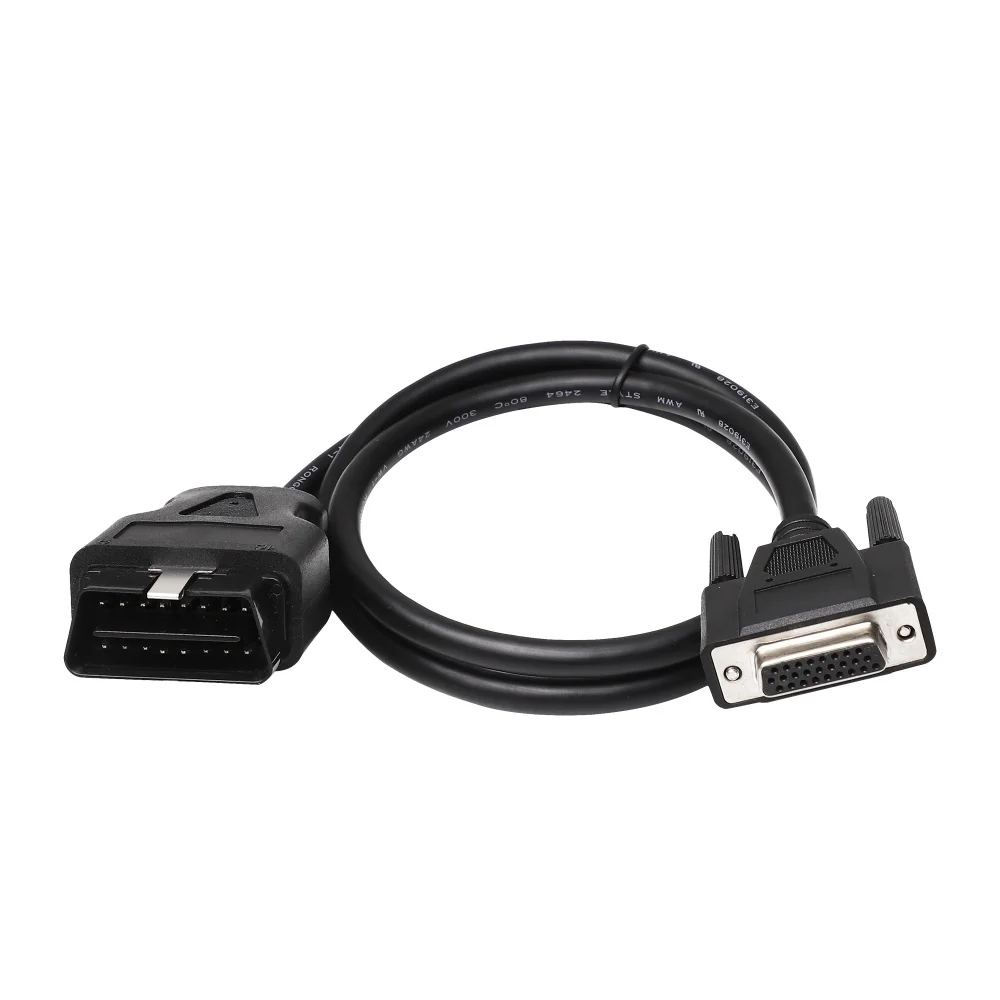
The decision to specify premium obd connector components goes far beyond simple connector replacement. Harness makers recognize that every obd connector serves as the critical interface between vehicle diagnostic systems and external testing equipment, making reliability non-negotiable in professional automotive environments. When manufacturers standardize on quality obd connector specifications, they reduce rework, minimize field failures, and strengthen their reputation as reliable harness suppliers.
Superior Electrical Performance and Signal Integrity
Consistent Contact Resistance in Premium OBD Connector Designs
Premium obd connector designs incorporate advanced contact materials and plating systems that maintain consistent electrical performance throughout the connector's service life. Gold-plated contacts in quality obd connector solutions resist corrosion and oxidation, ensuring stable signal transmission even in harsh automotive environments where moisture, temperature fluctuations, and vibration present ongoing challenges. Harness makers who specify premium obd connector components benefit from predictable contact resistance that remains within tight tolerances, preventing the intermittent connection issues common in lower-grade alternatives.
The electrical stability of a premium obd connector directly affects diagnostic accuracy and scan tool reliability. When an obd connector exhibits excessive contact resistance or signal noise, diagnostic readers produce incomplete or unreliable data, frustrating technicians and delaying vehicle service completion. Premium obd connector specifications eliminate these performance variables, allowing harness makers to guarantee consistent diagnostic functionality across all units they produce.
Shielding and EMI Protection in Quality OBD Connector Systems
Modern vehicles generate complex electromagnetic environments where premium obd connector shielding becomes critical to preventing signal interference and cross-talk. Quality obd connector designs incorporate sophisticated shielding architectures that separate diagnostic signal lines from power circuits, high-voltage systems, and communication networks that operate simultaneously in the vehicle. Harness makers who invest in properly shielded obd connector solutions significantly reduce the risk of diagnostic communication failures that compromise vehicle service workflows.
An obd connector lacking adequate electromagnetic interference protection can cause intermittent connection drops, false error codes, and unreliable vehicle data streaming. Premium obd connector engineering addresses these risks through multi-layer shielding, grounded contact shells, and optimized signal routing that maintains data integrity even in electrically noisy automotive environments. This level of performance justifies the investment harness makers make in premium obd connector specifications.
Mechanical Durability and Extended Service Life
Robust Contact Retention and Mating Cycle Performance
Harness makers recognize that obd connector durability directly impacts field performance and customer satisfaction rates. Premium obd connector designs feature reinforced contact retention systems that withstand hundreds of mating cycles without degradation, whereas budget obd connector alternatives often experience contact looseness or separation after repeated use. The mechanical robustness of a quality obd connector ensures stable connections that endure professional diagnostic environments where technicians routinely connect and disconnect scan tools.
Service centers and dealerships perform thousands of diagnostic connections annually, making connector durability a practical business concern. When harness makers specify premium obd connector components with superior contact retention, they reduce field complaints related to loose connections, intermittent communication failures, and warranty claims for harness replacement. This reliability advantage strengthens customer relationships and reduces the cost of warranty support.
Environmental Sealing and Weather Resistance
Premium obd connector solutions incorporate advanced sealing systems that protect internal contacts from moisture ingress, salt spray, and environmental contamination that accumulates in vehicle engine compartments. A quality obd connector maintains environmental protection over years of exposure to temperature extremes, humidity cycles, and chemical exposure that degrade inferior sealing designs. Harness makers who specify sealed obd connector variants eliminate moisture-related failures that plague unsealed or poorly sealed alternatives.
Vehicles operate in diverse climates ranging from desert heat to coastal salt environments, and the obd connector must survive these conditions without performance degradation. Premium obd connector designs withstand accelerated weathering tests that simulate years of environmental stress, providing harness makers with confidence that their products will perform reliably across global markets. This environmental resilience justifies the premium pricing harness makers assign to quality obd connector specifications.
Diagnostic System Compatibility and Standards Compliance
Universal Protocol Support and Multi-Standard Functionality
Modern vehicles employ multiple diagnostic protocols including CAN, K-Line, J1850, and ISO standards, requiring obd connector designs that reliably support diverse communication formats. Premium obd connector solutions provide universal pin configurations that maintain compatibility across legacy systems and contemporary vehicles, enabling harness makers to serve diverse customer bases with single component specifications. A high-quality obd connector ensures scan tools receive consistent signal characteristics regardless of vehicle protocol or manufacturer platform.
Harness makers must design systems that work seamlessly with diagnostic equipment from multiple manufacturers, and premium obd connector standardization enables this interoperability. When an obd connector adheres strictly to SAE standards and maintains precise electrical characteristics across all protocol types, scan tool manufacturers trust the connector to deliver reliable vehicle communication. This standardization reduces compatibility issues and strengthens the harness maker's reputation as a quality supplier.
Certification and Industry Standards Alignment
Premium obd connector manufacturers invest in comprehensive testing and certification programs that validate performance against ISO, SAE, and automotive OEM specifications. Harness makers who specify certified obd connector components gain competitive advantage through documented quality compliance and third-party validation of electrical and mechanical performance. A certified obd connector demonstrates commitment to industry standards and provides harness makers with technical documentation that satisfies customer quality requirements.
Original equipment manufacturers and aftermarket customers increasingly demand obd connector solutions backed by comprehensive test reports and certification evidence. Premium obd connector suppliers provide detailed specifications, test data, and compliance documentation that allow harness makers to confidently specify these components in production designs. This transparency and accountability represent core value differentiators between premium obd connector suppliers and commodity competitors.
FAQ
What makes a premium obd connector different from standard alternatives?
Premium obd connector designs deliver superior contact materials, advanced shielding, robust sealing systems, and rigorous quality testing that standard alternatives lack. A quality obd connector maintains consistent electrical performance, withstands extended mating cycles, and resists environmental degradation over years of service. These performance advantages directly reduce field failures, warranty claims, and customer dissatisfaction compared to budget obd connector options.
How does obd connector quality impact diagnostic accuracy and scan tool performance?
An obd connector with poor contact integrity or inadequate shielding introduces signal noise, intermittent communication failures, and unreliable vehicle data transmission that compromise diagnostic functionality. Premium obd connector engineering eliminates these variables through consistent contact resistance, multi-layer shielding, and environmental protection that enables reliable vehicle communication. Harness makers who invest in quality obd connector components ensure diagnostic systems operate consistently and accurately across all service scenarios.
Why should harness makers prioritize obd connector standardization in production designs?
Standardizing on premium obd connector specifications reduces design complexity, simplifies supplier management, and enables harness makers to leverage volume pricing while maintaining consistent quality across product lines. When harness makers establish obd connector standards aligned with industry certifications and OEM requirements, they strengthen customer confidence, reduce engineering support costs, and differentiate themselves as reliable quality suppliers. Premium obd connector standardization represents strategic investment in long-term customer relationships and operational efficiency.