

 EN
EN
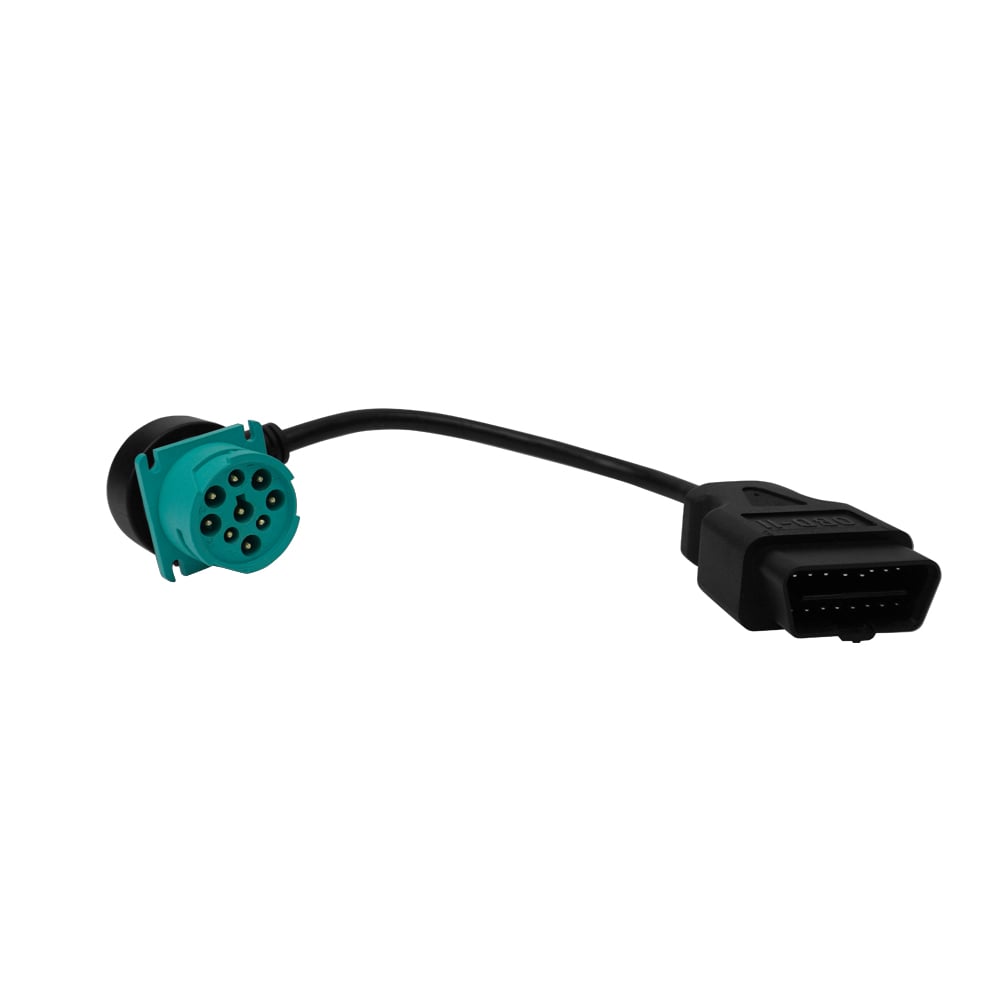
An obd2 cable serves as a critical bridge between diagnostic equipment and vehicle systems, enabling technicians and engineers to access real-time performance data. The standardized obd2 cable has become indispensable across multiple testing environments, from automotive repair shops to manufacturing facilities. Understanding where and how to utilize an obd2 cable in machine testing helps businesses optimize diagnostic workflows, reduce downtime, and ensure accurate system performance validation.
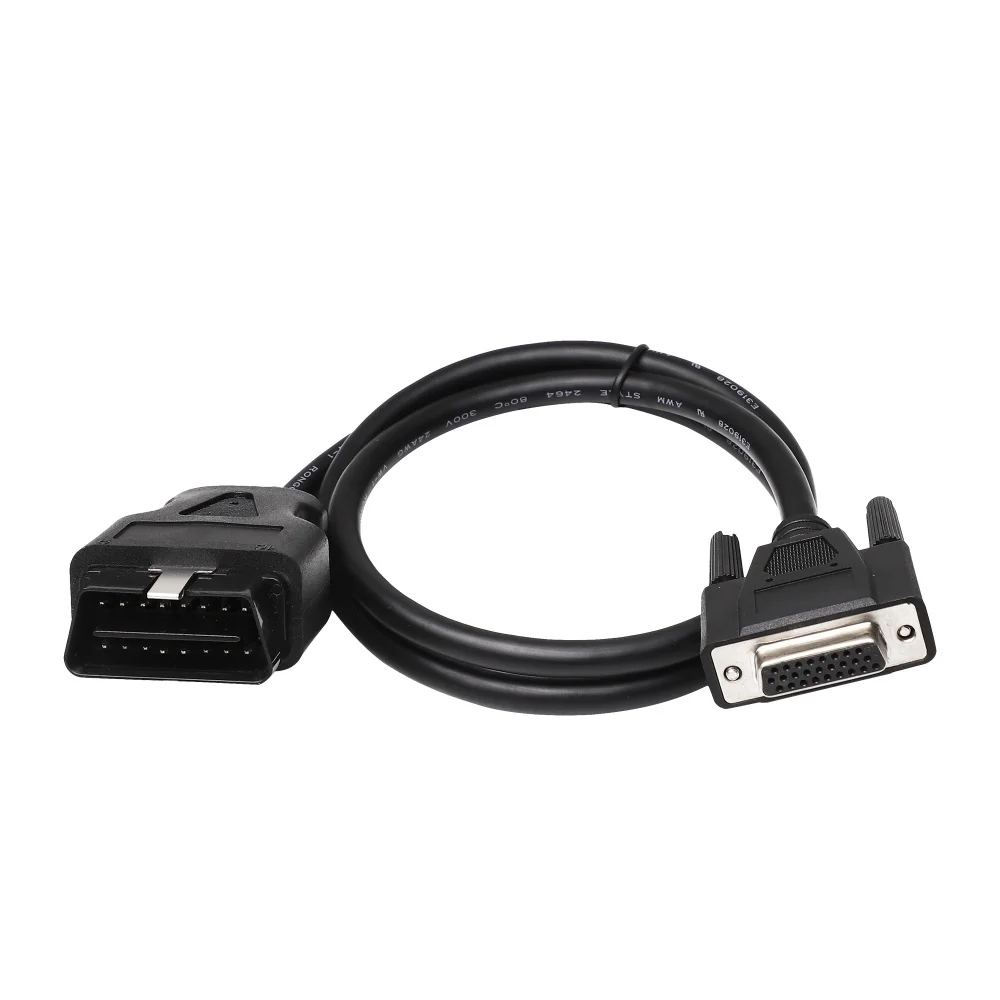
The obd2 cable connects directly to a vehicle's onboard diagnostic port, established as a standard since 1996 for light-duty vehicles in North America and adopted globally. In modern machine testing scenarios, the obd2 cable facilitates seamless communication between diagnostic tools and embedded control systems. This connection allows technicians to retrieve diagnostic trouble codes, monitor engine parameters, and validate system responses under various operating conditions, making the obd2 cable essential for quality assurance, compliance testing, and predictive maintenance programs.
Automotive Diagnostics and Performance Testing
Real-Time Vehicle System Monitoring
The obd2 cable enables real-time access to engine control module data during vehicle operation and laboratory testing. Technicians use the obd2 cable to monitor fuel injection timing, oxygen sensor readings, ignition advance, and emissions control system performance. In comprehensive machine testing environments, the obd2 cable provides live parameter streaming that allows engineers to correlate sensor inputs with output responses, identify lag patterns, and validate calibration accuracy. This capability transforms diagnostic workflows by providing immediate visibility into system health without requiring vehicle disassembly.
Emission Compliance and Regulatory Validation
Environmental regulations require vehicles to pass rigorous emission testing, and the obd2 cable plays a central role in this validation process. Through the obd2 cable connection, testing facilities retrieve stored and pending diagnostic codes that indicate system faults affecting emissions output. The obd2 cable allows compliance engineers to verify that onboard diagnostic monitors function correctly and that the vehicle maintains proper fuel-air mixture ratios. Many emission testing protocols mandate obd2 cable integration to confirm that vehicles meet current standards before release to market or service centers.
Manufacturing Quality Assurance and Production Testing
Assembly Line Validation Protocols
Modern automotive assembly lines integrate obd2 cable testing stations to validate newly built vehicles before shipment. Each vehicle passes through diagnostic checkpoints where technicians connect an obd2 cable to verify proper sensor function, correct calibration of control modules, and absence of manufacturing defects. The obd2 cable streamlines this validation by providing instant feedback on system readiness, allowing production teams to identify and correct issues immediately rather than discovering problems in the field. This proactive approach using obd2 cable testing significantly reduces warranty claims and customer dissatisfaction.
Subsystem and Component Testing
Engineers utilize the obd2 cable during component-level testing to isolate and validate individual systems before full vehicle integration. Transmission control modules, engine management units, and hybrid powertrain controllers communicate through obd2 cable connections during bench testing scenarios. The obd2 cable allows technicians to stimulate sensor inputs, observe control module responses, and verify output commands match expected behavior for each operating scenario. This methodical approach using obd2 cable testing catches integration issues early, reducing costly recalls and design iterations.
Aftermarket Support and Fleet Maintenance
Diagnostic Troubleshooting in Service Centers
Professional repair shops depend on the obd2 cable to diagnose customer vehicles efficiently and accurately. When a check engine light illuminates, technicians connect an obd2 cable to retrieve the specific diagnostic code responsible for the fault. The obd2 cable grants access to system parameters that help technicians differentiate between sensor failures, wiring issues, and control module malfunctions. This diagnostic capability makes the obd2 cable indispensable for reducing labor time and ensuring correct first-time repairs that restore customer confidence.
Fleet Management and Predictive Maintenance
Fleet operators employ obd2 cable technology to monitor vehicle health across dozens or hundreds of assets simultaneously. Many fleet management systems integrate obd2 cable data streams to build predictive maintenance schedules based on actual component degradation patterns rather than calendar intervals. The obd2 cable enables fleet managers to identify vehicles approaching maintenance thresholds, schedule service proactively, and prevent catastrophic failures that interrupt operations. This data-driven approach powered by obd2 cable insights reduces total cost of ownership and maximizes vehicle availability.
Industrial Equipment Integration and Extended Applications
Heavy Equipment and Off-Road Machinery Adaptation
Beyond light-duty vehicles, the obd2 cable concept extends to heavy equipment diagnostics in industrial environments. Diesel engines, hydraulic systems, and control networks in construction equipment increasingly adopt obd2 cable compatible interfaces for standardized diagnostic access. Equipment manufacturers recognize the value of obd2 cable integration for remote monitoring, predictive analytics, and cross-fleet compatibility. Mining operations, agriculture producers, and logistics companies benefit from obd2 cable standardization that allows field technicians to troubleshoot equipment using common tools and protocols.
Research and Development Testing Applications
Automotive research facilities and university engineering labs utilize obd2 cable connections for advanced machine testing and performance benchmarking. Engineers connect obd2 cable interfaces to data acquisition systems that record extended datasets for analysis and modeling. The obd2 cable provides a non-invasive diagnostic pathway that preserves sensor signal integrity while enabling comprehensive testing of control algorithms and system responses. This research application of obd2 cable technology supports innovation in fuel efficiency, emissions reduction, and autonomous vehicle development.
FAQ
Can an obd2 cable work with all vehicles?
The obd2 cable standard applies to most vehicles manufactured after 1996 in North America, with similar standards adopted globally by 2001. However, vehicles from different manufacturers may have proprietary diagnostic protocols overlaid on the obd2 cable foundation, requiring manufacturer-specific software to fully access all parameters. Classic vehicles and some imported models may require adapter cables or alternative diagnostic approaches beyond the standard obd2 cable interface. Always verify compatibility between your specific obd2 cable and vehicle before assuming full diagnostic access.
What diagnostic information can an obd2 cable retrieve?
An obd2 cable provides access to standardized data including diagnostic trouble codes, engine operating parameters like fuel trim and oxygen sensor readings, emissions system status, and component command values from the control module. The obd2 cable allows technicians to view real-time data streams, freeze frame information captured at the moment a fault occurred, and pending codes that indicate developing problems. Some manufacturers provide extended diagnostic functions through proprietary obd2 cable protocols that unlock additional testing capabilities beyond the base standardized information available through standard obd2 cable connections.
How does an obd2 cable improve maintenance efficiency?
An obd2 cable accelerates diagnostics by providing immediate access to system data without requiring technicians to physically access sensors or control modules. This capability reduces troubleshooting time and enables faster root cause identification for vehicle problems. Using an obd2 cable during routine maintenance allows technicians to catch developing issues before they cause failures, supporting preventive service strategies that reduce total maintenance costs. Fleet managers leverage obd2 cable data to optimize maintenance schedules, extend component life through informed service decisions, and minimize unexpected breakdowns that disrupt operations.