

 EN
EN
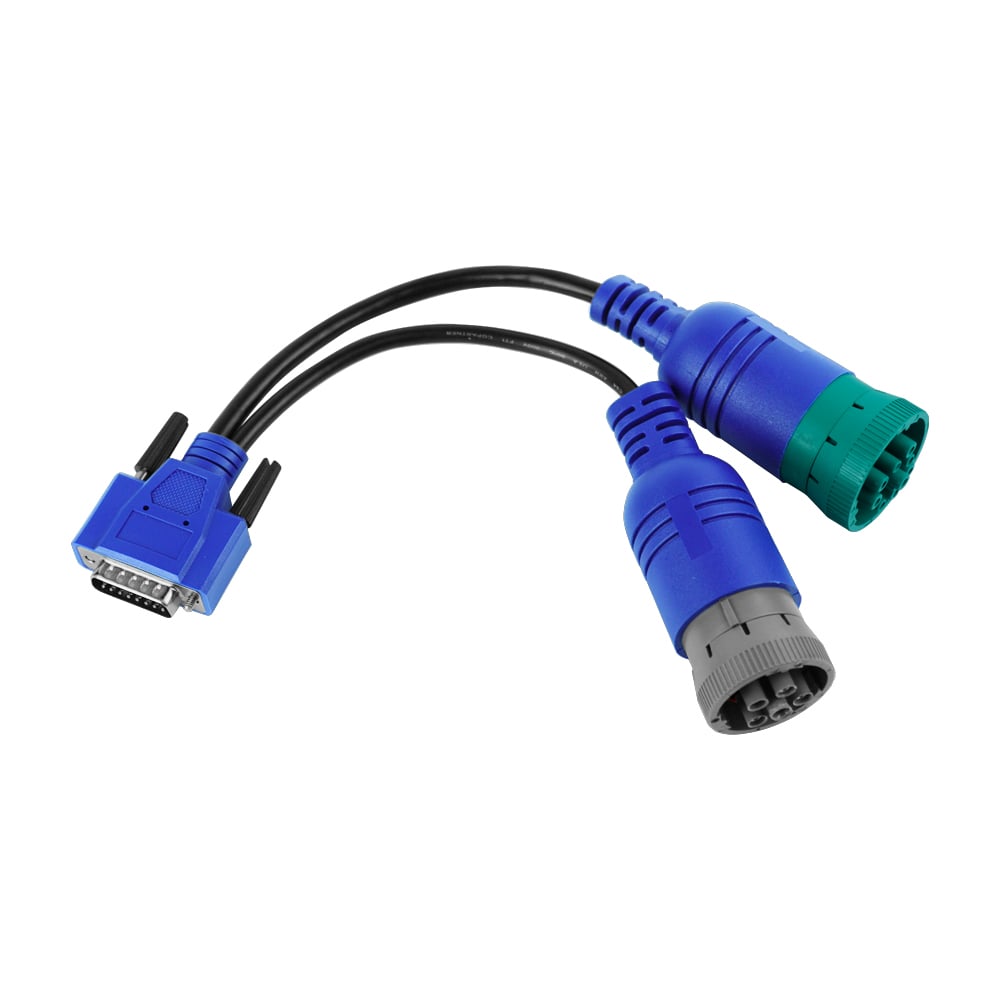
An ELD cable serves as the critical bridge between a vehicle's onboard diagnostic system and electronic logging devices, making secure data logging essential for fleet operations and regulatory compliance. Understanding how an ELD cable maintains secure data logging requires examining the technical architecture, encryption protocols, and hardware safeguards that protect sensitive vehicle and driver information. Fleet managers depend on the integrity of an ELD cable to ensure accurate records that meet Department of Transportation regulations while preventing tampering and unauthorized access to operational data.
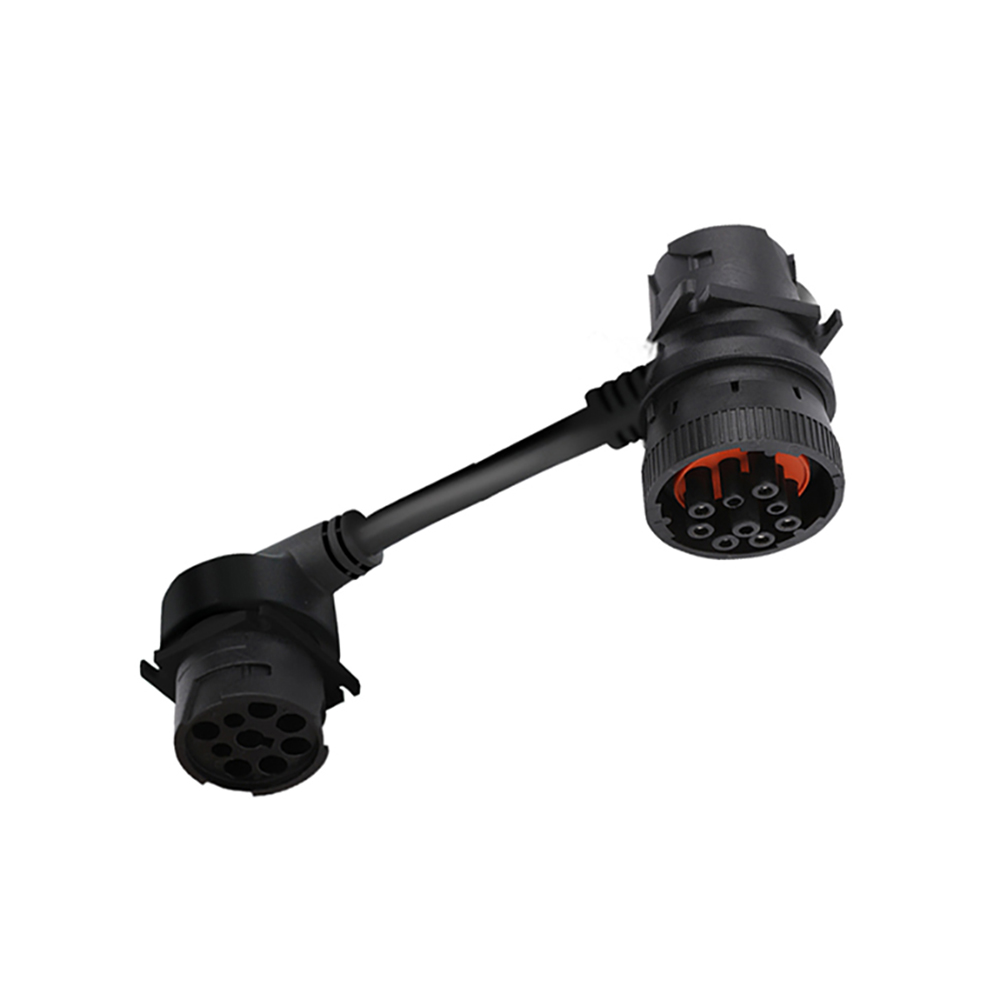
The functionality of an ELD cable extends beyond simple data transmission; it represents a fundamental security layer in modern fleet management systems. When an ELD cable connects to the OBD2 port, it initiates a secure handshake that validates both the vehicle and the logging device before any data exchange occurs. This authentication process ensures that only authorized equipment can access vehicle diagnostics, preventing unauthorized telematics collection and protecting proprietary fleet information from external threats.
Hardware Security Architecture in ELD Cable Design
Connector Integrity and Physical Protection
An ELD cable incorporates advanced connector design that prevents physical tampering and ensures reliable data transmission under harsh vehicle conditions. The male and female connectors within an ELD cable feature precision engineering that creates secure mating surfaces, reducing the risk of loose connections that could compromise data integrity. Additionally, an ELD cable includes shielding layers that protect internal conductors from electromagnetic interference, which could otherwise corrupt logged data or create security vulnerabilities. The physical robustness of an ELD cable directly impacts how securely data remains protected throughout the vehicle's operational lifecycle.
Port-Level Authentication Mechanisms
When an ELD cable establishes connection with the vehicle's OBD2 port, it triggers encryption protocols that verify device legitimacy before data access begins. The ELD cable must support multi-factor validation that checks device certificates, software versions, and operator credentials simultaneously. This layered authentication ensures that an ELD cable cannot be deceived by counterfeit logging equipment or compromised by inserting the cable into unauthorized scanning devices. Fleet operators benefit from knowing that every data transmission through an ELD cable undergoes continuous verification.
Data Encryption and Transmission Security
End-to-End Encryption Standards
An ELD cable facilitates encrypted data streams that transform raw vehicle diagnostics into protected information flows that meet federal compliance standards. The encryption protocols implemented across an ELD cable typically follow AES-256 standards, creating mathematical barriers that make intercepted data useless to unauthorized parties. Fleet managers can trust that an ELD cable safeguards critical information including driver hours, vehicle location, speed, and engine diagnostics through military-grade encryption during both transmission and storage. The security effectiveness of an ELD cable depends on maintaining encryption throughout the entire data pathway from vehicle sensor to cloud logging platform.
Real-Time Data Validation
An ELD cable continuously monitors data integrity by comparing transmitted values against expected ranges and historical patterns that would indicate tampering or corruption. Sophisticated validation algorithms running through an ELD cable detect anomalies such as impossible speed changes, reverse mileage readings, or timestamp inconsistencies that signal potential security breaches. This active protection mechanism means an ELD cable serves as more than a passive conduit; it functions as an intelligent security checkpoint that flags suspicious activity for investigation. Fleet compliance officers appreciate how an ELD cable's real-time validation prevents fraudulent record creation while maintaining data accuracy.
Regulatory Compliance and Audit Trail Protection
Immutable Logging and Tamper Detection
An ELD cable connects to logging systems designed to create immutable records that cannot be retroactively altered without detection, meeting strict FMCSA requirements for Hours of Service compliance. The security architecture supporting an ELD cable includes cryptographic signatures and timestamped entries that form an audit trail traceable back to specific data collection events. When an ELD cable transmits driver hours or vehicle location data, that information becomes part of a blockchain-style ledger that documents exactly when, where, and how the data entered the system. This immutability protection makes an ELD cable invaluable for defending against accusations of record falsification during DOT inspections.
Secure Data Storage and Access Control
An ELD cable's security extends beyond transmission to encompass how data remains protected after reaching the logging platform, with role-based access controls determining who can view specific information. The backend systems connected to an ELD cable maintain encryption at rest, ensuring that stored data remains protected even if database servers are physically compromised. Fleet administrators configure access permissions through an ELD cable's management interface, restricting sensitive driver information to authorized personnel only while allowing supervisors to view compliance reports. This multi-layered approach to data security means an ELD cable operates within a complete ecosystem designed to protect vehicle and driver information.
FAQ
What makes an ELD cable different from a standard OBD2 diagnostic cable?
An ELD cable incorporates specialized security protocols, encryption capabilities, and authentication systems that standard diagnostic cables lack, specifically designed to meet federal compliance requirements. While a standard OBD2 cable might simply read vehicle data, an ELD cable creates tamper-proof records with cryptographic signatures and continuous validation. The difference reflects the critical role an ELD cable plays in regulatory compliance, making security features essential rather than optional.
How does an ELD cable prevent unauthorized data modification?
An ELD cable connects to logging systems that immediately encrypt and timestamp every data point, creating permanent records that cannot be altered without creating obvious discrepancies in the audit trail. The cryptographic signatures applied to each transmission through an ELD cable make tampering immediately detectable because modifying any historical record would break the mathematical integrity of the signature chain. Fleet managers can confidently present records transmitted through an ELD cable during inspections knowing the data integrity remains verified.
Can an ELD cable be used with multiple vehicles securely?
An ELD cable maintains security across multiple vehicles because it creates isolated, encrypted data sessions for each connection and validates the vehicle identity before establishing communication. Each time an ELD cable connects to a different vehicle's OBD2 port, the authentication process repeats, ensuring that data from different vehicles never becomes mixed or compromised. Fleet operators can safely rotate an ELD cable among multiple vehicles while maintaining complete data integrity and regulatory compliance for each vehicle's individual records.