

 EN
EN
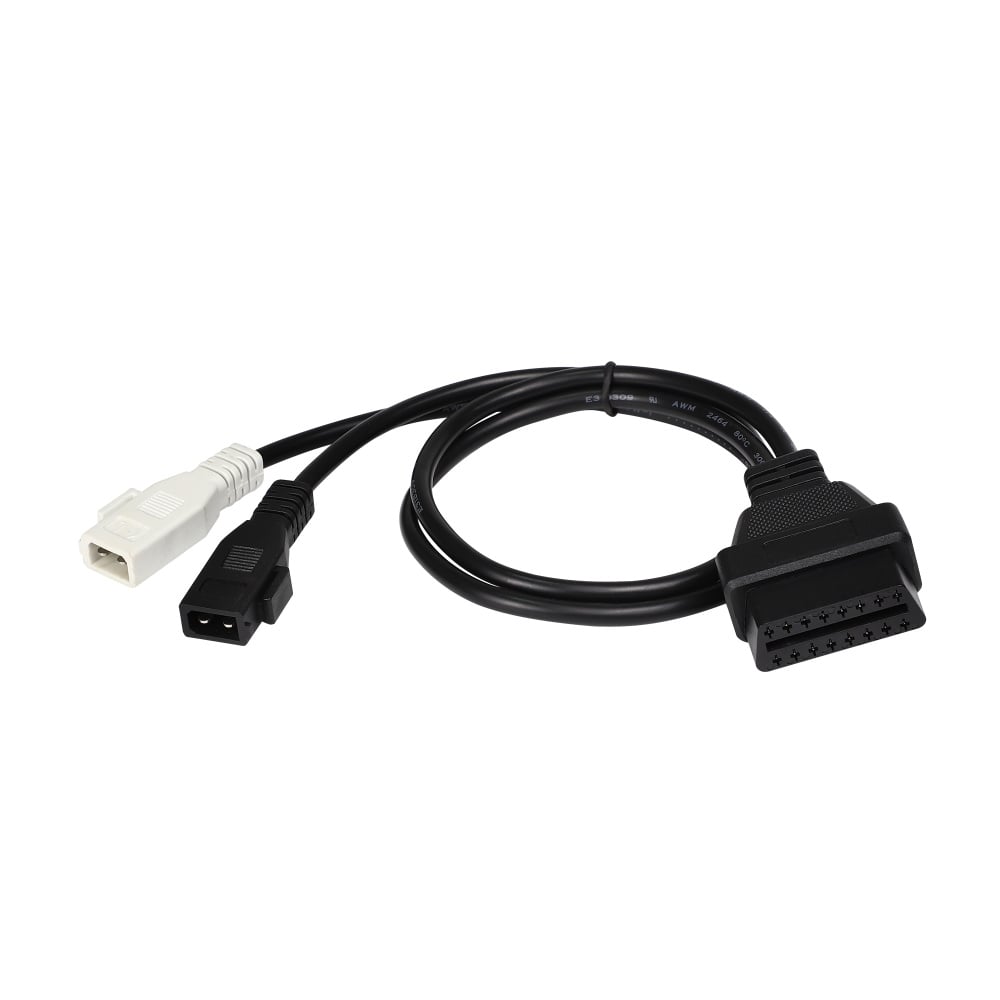
Modern automotive diagnostics demands flexibility and compatibility across multiple vehicle platforms and manufacturer specifications. The question of whether an OBD extension cable can support dual-protocol tools is critical for technicians and fleet managers who invest in diagnostic equipment. An OBD extension cable serves as a bridge between a vehicle's onboard diagnostic port and external diagnostic tools, but its ability to handle multiple protocols depends on several technical factors that go beyond simple physical connection.
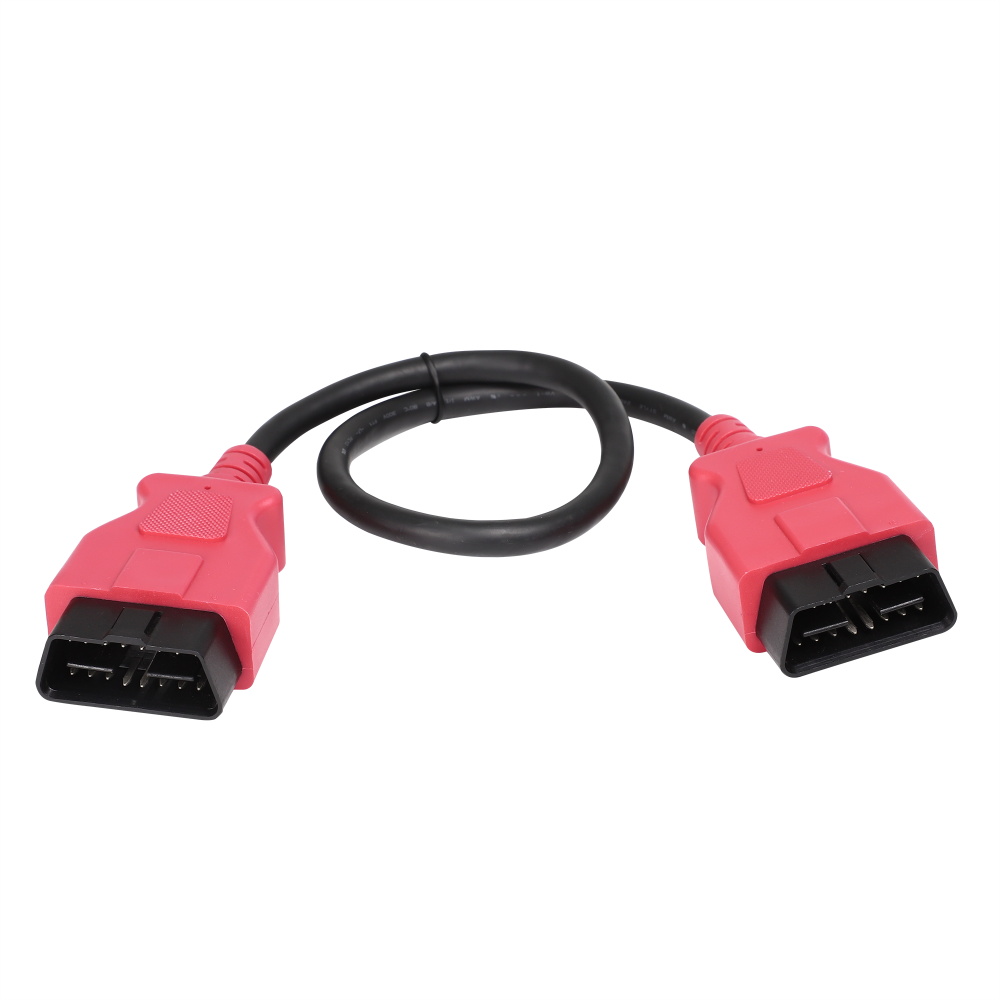
The short answer is yes, an OBD extension cable can support dual-protocol tools, provided it meets specific electrical and mechanical standards. However, not every OBD extension cable on the market is designed or rated for multi-protocol operation. Understanding the technical requirements, protocol standards, and proper cable specifications ensures that your diagnostic investment delivers reliable results across different vehicle types and communication standards.
Understanding OBD Protocol Standards and Cable Design
What Protocols Does an OBD Extension Cable Need to Support?
An OBD extension cable must facilitate communication between a vehicle's engine control unit and external diagnostic scanners. The primary protocols used in automotive diagnostics include CAN (Controller Area Network), ISO 9141-2, KWP2000, and J1850. Each protocol operates at different voltage levels, baud rates, and signal requirements. A quality OBD extension cable includes proper shielding, wire gauge specifications, and connector pins designed to handle these varying electrical parameters without signal degradation or data loss.
The J1962 connector standard defines the physical layout of the OBD port, but it does not mandate protocol selection. An OBD extension cable using the J1962 connector can theoretically carry multiple protocols through the same physical connection. However, the cable's internal construction, shielding quality, and manufacturing tolerances directly impact whether dual-protocol operation remains stable and reliable. Poor-quality OBD extension cable designs may introduce crosstalk, signal interference, or impedance mismatches that degrade protocol switching performance.
Signal Integrity and Electrical Requirements
An OBD extension cable designed for dual-protocol support must maintain signal integrity across all specified protocols. This requires proper conductor gauge, sufficient shielding, and appropriate grounding throughout the cable length. CAN protocol, for example, operates as a differential signal pair requiring twisted conductors and low impedance to function correctly. An OBD extension cable that lacks these characteristics may support one protocol adequately but fail when switching to another. Professional-grade OBD extension cable products typically include specifications for impedance matching, capacitance limits, and maximum cable length recommendations to ensure reliable dual-protocol performance.
Practical Considerations for Dual-Protocol Tool Compatibility
Selecting an OBD Extension Cable for Multiple Diagnostic Tools
When choosing an OBD extension cable to support dual-protocol tools, verify that the cable specification sheet explicitly states multi-protocol compatibility and lists supported protocols. An OBD extension cable marked only for single-protocol use may not include the electrical characteristics required for reliable switching between different communication standards. Look for cables rated for automotive OBD-II compliance, which typically ensures broader protocol support. The OBD extension cable you select should meet or exceed OEM specifications and industry standards for signal quality and electrical safety.
An OBD extension cable used in professional diagnostic environments must handle rapid protocol switching without introducing latency or connection errors. This requires robust connector contacts, proper strain relief, and durable shielding that resists electromagnetic interference from engine bay noise and high-voltage sources. Technicians working with multiple diagnostic platforms benefit from OBD extension cable products that explicitly support CAN, ISO, and KWP protocols simultaneously, reducing the need for multiple cables and minimizing diagnostic equipment clutter.
Environmental and Installation Factors
The performance of an OBD extension cable in supporting dual-protocol tools also depends on proper installation and environmental conditions. An OBD extension cable routed near high-current automotive circuits, ignition components, or alternators may experience signal interference that degrades protocol communication. Professional installation practices for an OBD extension cable include routing away from power lines, securing the cable to prevent sharp bends, and ensuring connectors remain clean and corrosion-free. Temperature extremes, humidity, and vibration can affect an OBD extension cable over time, so products rated for extended temperature ranges and harsh automotive environments typically maintain better dual-protocol reliability.
Testing and Validation of Dual-Protocol Functionality
How to Verify Dual-Protocol Support in Your OBD Extension Cable
Before relying on an OBD extension cable for dual-protocol diagnostic work, perform basic validation tests to confirm compatibility. Connect the OBD extension cable to multiple diagnostic tools known to operate on different protocols and verify that communication establishes reliably on each platform. Monitor signal quality indicators in diagnostic software while switching between protocols to identify any degradation or connection dropouts. A properly functioning OBD extension cable should support seamless protocol transitions without requiring physical reconnection or scanner rebooting.
Advanced testing for an OBD extension cable involves using oscilloscopes or protocol analyzers to measure signal voltage levels, timing accuracy, and noise margins across supported protocols. An OBD extension cable that maintains consistent signal characteristics regardless of which protocol is active demonstrates true dual-protocol support. If your diagnostic workflow demands absolute reliability, invest in an OBD extension cable from reputable manufacturers who provide detailed test reports and compliance certifications confirming multi-protocol functionality.
Common Issues That Compromise Dual-Protocol Performance
Several manufacturing and design issues can prevent an OBD extension cable from supporting dual-protocol tools effectively. Inadequate shielding allows external electromagnetic noise to corrupt signals, causing protocol-specific errors or intermittent connection failures. Poor connector pin contact or corroded contacts degrade signal transmission across all protocols. An OBD extension cable with incorrect wire gauges may introduce excessive voltage drop, affecting signal levels required for specific protocols. Additionally, mixing connector standards or using non-standard pin assignments within an OBD extension cable can render dual-protocol operation unreliable or impossible.
FAQ
Can any OBD extension cable work with dual-protocol diagnostic scanners?
Not every OBD extension cable is rated for dual-protocol operation. While the J1962 connector physical standard is universal, the internal electrical construction determines protocol support capability. An OBD extension cable manufactured to professional automotive standards with proper shielding, wire gauge, and impedance matching can support multiple protocols reliably. Always verify that your OBD extension cable explicitly lists multi-protocol compatibility in the specification documentation before purchasing for dual-protocol diagnostic use.
What happens if I use a low-quality OBD extension cable with dual-protocol tools?
A low-quality OBD extension cable may appear to function initially but often exhibits intermittent failures when switching between protocols. Poor shielding and inadequate conductor specifications cause signal degradation, leading to communication errors, slow scan times, or complete connection losses. An OBD extension cable of substandard quality may also fail to properly ground all signal paths, introducing crosstalk that interferes with specific protocols. Using an unreliable OBD extension cable wastes diagnostic time and may produce incorrect error codes, compromising vehicle repair accuracy.
How long can an OBD extension cable be while maintaining dual-protocol support?
The maximum effective length for an OBD extension cable depends on the protocols being used and the cable quality. Most professional-grade OBD extension cable products maintain reliable dual-protocol performance at lengths up to 15 to 25 feet, depending on conductor gauge and shielding effectiveness. Longer OBD extension cable runs introduce increased capacitance and resistance, which can degrade signal quality and cause protocol-specific communication failures. Manufacturer specifications should always indicate the recommended maximum length for your OBD extension cable to ensure dual-protocol reliability across its intended use environment.