

 EN
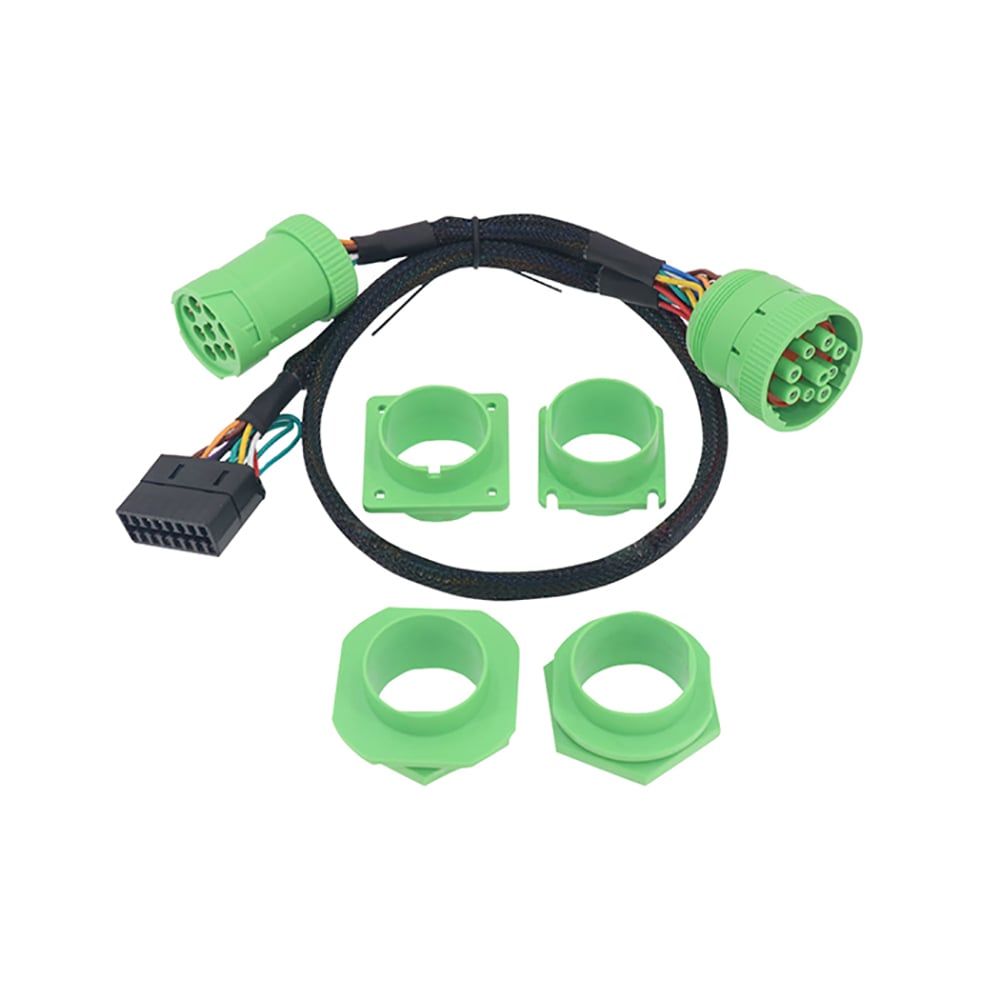
Low-smoke halogen-free cable lines are useful where fire safety planning must account for both smoke visibility and corrosive gases. They are especially relevant in enclosed, occupied, or difficult-to-evacuate spaces, where a cable fire could affect people, equipment, and emergency response. Their value depends on the building, circuit function, applicable code, and installation environment, not simply on the material label.
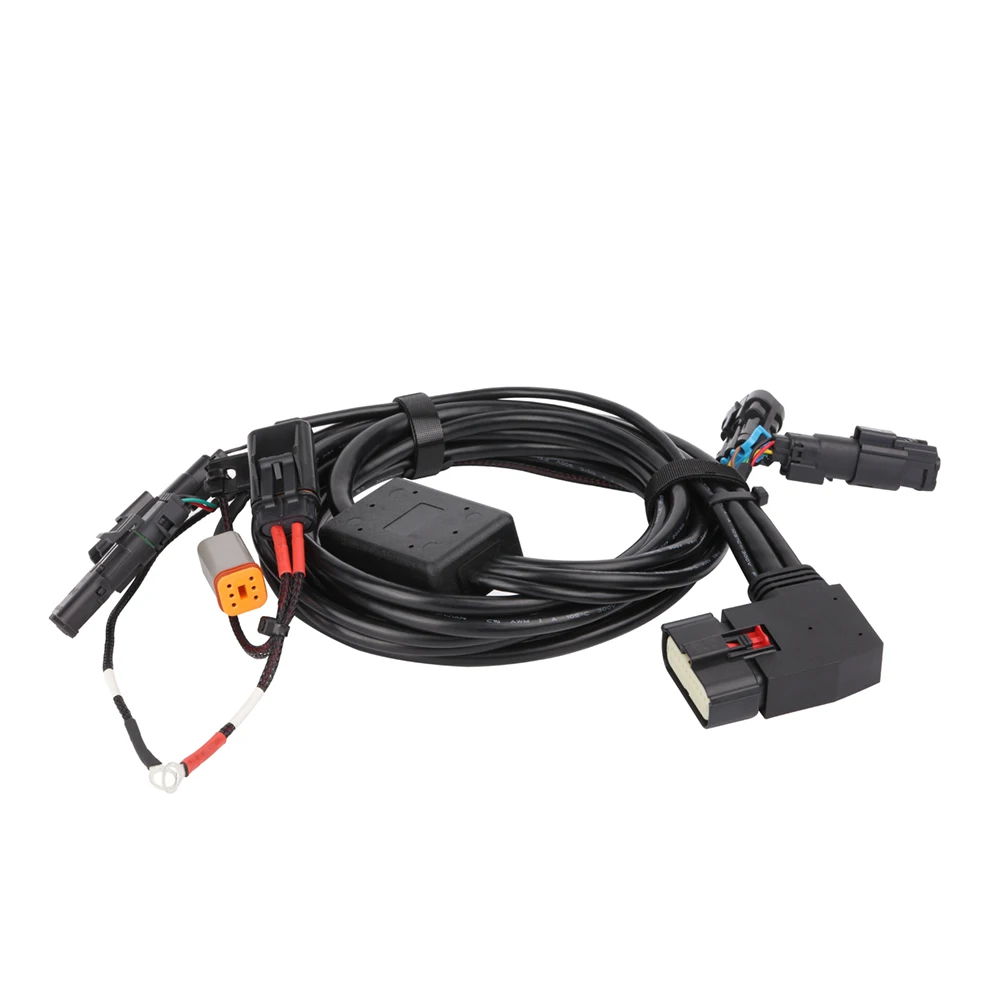
The right application is therefore defined by the consequences of smoke and fire products in a specific location. A cable with low-smoke, halogen-free properties can support a broader safety design, but it does not make an installation fireproof or remove the need for compliant routing and protection. The sections below explain where this cable is most useful and how to judge its fit.
Enclosed spaces with people and limited escape routes
Transit facilities and underground areas
Rail stations, tunnels, airports, and underground service corridors can contain long cable routes with limited natural ventilation. In these settings, smoke may reduce visibility and complicate evacuation, while corrosive combustion gases can affect nearby electrical and control equipment. A low-smoke halogen-free cable is often considered for circuits serving lighting, communications, alarms, and operational controls, subject to project specifications and local requirements.
The decision should start with the cable route, not just the destination equipment. Designers need to identify whether a cable passes through public areas, enclosed shafts, escape paths, or equipment rooms. They should also check the required fire behavior, circuit integrity, voltage rating, and mechanical protection. A low-smoke cable may be appropriate in an occupied tunnel, while a separate fire-resistant design may be needed when a circuit must continue operating during a fire.
Transit projects also demand coordination between electrical, civil, and safety teams. The cable specification should match the installation method, including supports, penetrations, and joints. A halogen-free cable can reduce certain combustion-related concerns, but its performance depends on tested product properties and correct installation. Reviewing certificates and project requirements helps prevent a general material description from being mistaken for proof that the complete route meets a specific safety objective.
Hospitals, schools, and public buildings
Hospitals, schools, hotels, and assembly buildings bring people together in spaces where evacuation may take time or require assistance. Low-smoke cable can be useful in corridors, risers, plant areas, and shared service routes because these locations may carry wiring for essential building systems. A cable choice should account for occupants, building layout, and the likely consequences of smoke reaching escape routes or sensitive rooms.
In a hospital, for example, engineers may distinguish between general power circuits and wiring that supports alarms, emergency lighting, or medical services. Each cable has a defined role, and some circuits may need enhanced fire survival rather than low-smoke construction alone. In a school or office, the focus may include dense ceiling voids and vertical shafts. The specification should identify the relevant performance criteria for each cable type instead of applying one material requirement indiscriminately.
Facilities where equipment and operations matter
Data centers and communications infrastructure
Data centers, control rooms, and telecommunications facilities contain interconnected systems that rely on stable power and signal paths. A fire can create risks beyond direct flame exposure: smoke and corrosive gases may contaminate equipment or disrupt maintenance and recovery. Low-smoke halogen-free cable can therefore be considered for internal routes, especially where many cables share trays, raised floors, or enclosed technical spaces.
Selection still needs to distinguish between cable functions. Power, data, alarm, and control circuits can have different electrical, transmission, and fire-performance requirements. A cable suitable for one signal path may not meet the bandwidth, shielding, temperature, or fire-resistance needs of another. Teams should verify the complete specification, including conductor size, insulation, sheath, flame behavior, smoke performance, and compatibility with connectors or glands.
Operational continuity is another consideration. A low-smoke cable does not automatically maintain circuit function when exposed to fire, so continuity requirements must be stated separately. Where a control or alarm cable must operate for a defined period, the project may require a tested fire-resistant assembly and an approved support method. This distinction helps procurement teams compare like-for-like specifications and avoids relying on the cable material description as a substitute for system-level design.
Industrial plants and transport vehicles
Industrial plants may use low-smoke halogen-free cable in control rooms, enclosed production buildings, utility tunnels, and areas with concentrated electrical infrastructure. The application is strongest when smoke or corrosive emissions could create added hazards for workers, instrumentation, or recovery work. However, industrial environments may also involve oil, chemicals, vibration, heat, or abrasion, so the cable must meet those service conditions as well as fire-related criteria.
Vehicles and mobile equipment present a different set of constraints. Automotive, rail, and other transport wiring may need to tolerate vibration, temperature cycling, tight bend radii, and restricted installation space. A cable assembly intended for a vehicle must match the relevant vehicle specification and connection design; building-wire properties alone are not enough. Low-smoke or halogen-free features may contribute to the safety case, but they do not establish suitability for every moving application.
Specification conditions that determine suitability
Match the cable properties to the actual hazard
Before specifying a cable, define the risk the project is trying to control. Low smoke addresses smoke generation under specified test conditions, while halogen-free construction concerns the absence or limitation of halogenated materials in relevant components. Flame spread, heat release, toxicity, and circuit integrity are separate performance questions. The required combination depends on regulations, owner standards, occupancy, and the cable’s role in the system.
A useful specification names the required tests and acceptance criteria rather than relying only on a broad label. It should also clarify whether requirements apply to the finished cable, a cable assembly, or the complete installed system. Environmental ratings matter too: outdoor exposure, moisture, oil contact, temperature, and mechanical stress can rule out a cable that otherwise fits the smoke and halogen criteria. Confirming these details early supports accurate procurement and reduces substitution risk.
Coordinate the route, installation, and maintenance plan
Cable performance depends on how the route is designed and installed. Consider segregation, tray fill, bend radius, penetrations, support spacing, fire stopping, and access for inspection. A low-smoke cable installed through an unsealed wall opening may not deliver the intended compartmentation. Likewise, selecting a compliant cable without compatible terminations or installation practices can weaken the overall design.
For an existing facility, review drawings and inspect the route before replacement or expansion. Confirm circuit criticality, available space, termination compatibility, and any changes in fire strategy. For a new project, align the cable schedule with the electrical design and the building’s emergency plan. These checks make the specification practical, help maintenance teams identify the correct cable later, and keep safety decisions tied to real operating conditions.
FAQ
Where is low-smoke halogen-free cable most useful?
It is commonly considered in enclosed, occupied, or high-consequence spaces such as transit facilities, public buildings, technical rooms, and industrial service areas. Suitability depends on the route, circuit duty, applicable rules, and other environmental demands.
Does halogen-free cable also provide fire resistance?
Not necessarily. Halogen-free construction and low-smoke behavior describe specific material or fire-test characteristics; they do not automatically mean a cable will maintain circuit operation during a fire. Check fire-resistance requirements separately.
What should a project team verify before specifying it?
Confirm the required test standards, electrical ratings, smoke and halogen criteria, flame performance, and any circuit-integrity needs. Also check installation conditions, environmental exposure, compatible accessories, and local code or owner requirements.