

 EN
EN
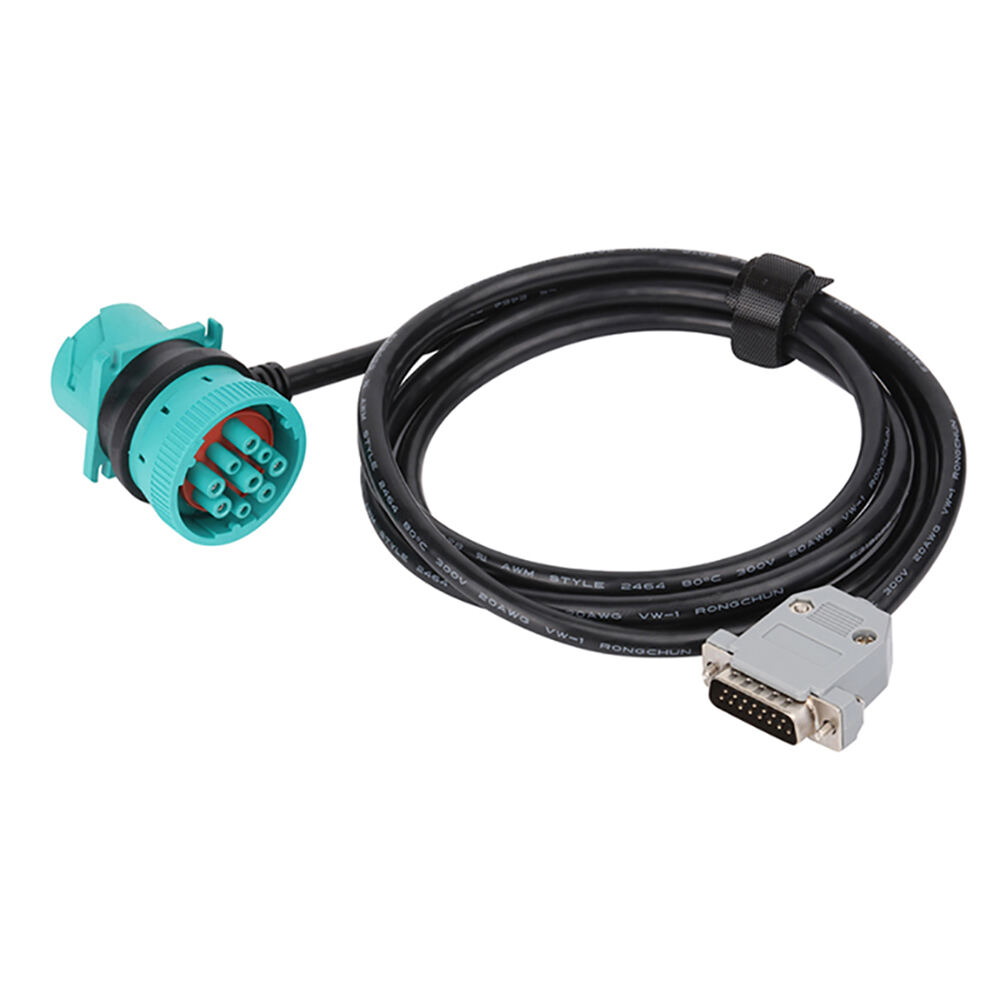
CAN avtobus tarmog‘ingiz ishonchliligi tizimdagi har bir komponentning sifatiga to‘g‘ridan-to‘g‘ri bog‘liq bo‘lib, J1939 ulanish kabeli — bu ayniqsa muhim aloqa vositasi bo‘lib, u yoki uzluksiz ma'lumot uzatishni ta'minlaydi, yoki esa qimmatga tushadigan nosozliklarga sabab bo‘ladi. Sanoat jihozlari, tijorat avtomobillari va og‘ir texnika elektron boshqaruv bloklari o‘rtasidagi haqiqiy vaqt rejimida aloqa uchun Kontroller maydoni tarmog‘i (CAN) protokollariga tayanadigan paytda J1939 ulanish kabelining butunligi operatsion samaradorlikni saqlash hamda kutilmagan ishlamay qolishni oldini olish uchun juda muhim ahamiyatga ega.
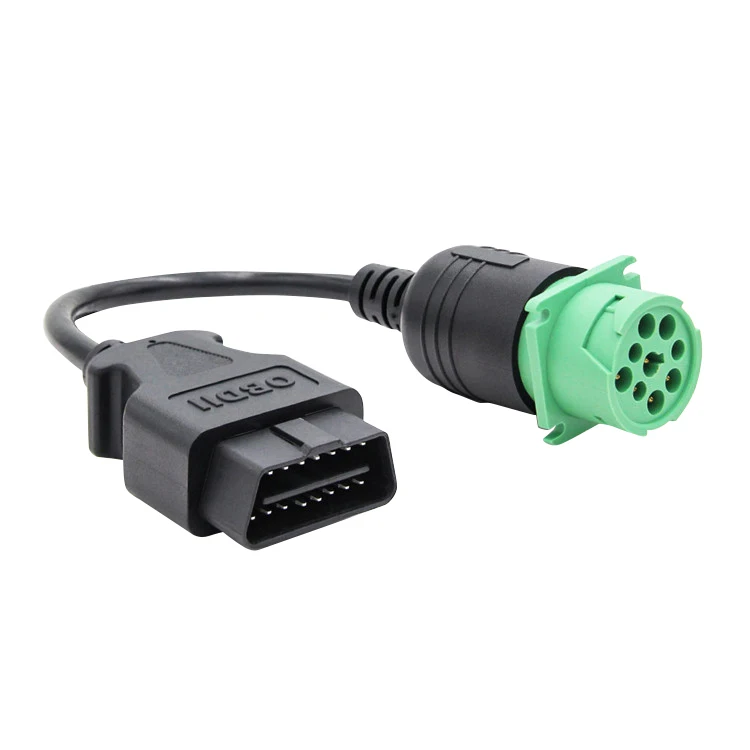
Tarmoq ishlashiga kabel sifatining qanday ta'sir qilishini tushunish uchun J1939 ulanish kabelarining professional darajadagi namunalari bilan past sifatli alternativlar orasidagi farqlarni aniqlaydigan jismoniy xususiyatlar, elektr xususiyatlari va atrof-muhitga chidamlilikni o'rganish talab etiladi. Yomon kabel sifati uzluksiz aloqa xatolari, signal sifatining pasayishi, elektromagnit to'siqning ortishi va bog'langan tizimlar bo'ylab tarqaladigan to'liq tarmoq uzilishlariga sabab bo'lishi mumkin; bu oxir-oqibatda vazifaga e'tibor qilinadigan dasturlarning xavfsizligi va ish unumdorligini buzadi.
Jismoniy qurilish standartlari va ularning signal butunligiga ta'siri
O'tkazgich materialining sifati va qarshilik xususiyatlari
J1939 uloq simi ichidagi o'tkazgich materiali CAN avtobus tarmog'ida elektr qarshiligi va signal uzatish sifatini asosan belgilaydi. Yuqori sifatli simlar ishonchli ma'lumot uzatish uchun zarur bo'lgan qarshilikni kamaytiruvchi va doimiy impedans xususiyatlarini saqlaydigan kislorodsiz mis o'tkazgichlardan foydalanadi. Agar shuningdek, mis bilan qoplangan aluminiy yoki qayta ishlangan mis kabi past sifatli materiallardan foydalanilsa, qarshilikning oshishi kuchlanish pasayishiga olib keladi va bu CAN protokolidagi aloqa xatolari hamda vaqt boshqaruvi buzilishlariga sabab bo'ladi.
Kabel uzunligi bo'ylab qarshilik o'zgarishlari signallarning orqaga qaytib, keyingi uzatmalarga aralashib ketishiga sabab bo'ladigan akslantirish nuqtalarini yaratadi; bu bit xatolarga va tarmoqning nobarqarorligiga olib keladi. Professional darajadagi J1939 ulanish kabelari o'tkazuvchi qarshiligidagi aniq doyimiylikni saqlaydi, shu tufayli CAN spetsifikatsiyasi talab qiladigan 120 om differensial impendans kabelning butun uzunligi bo'yiicha doimiy qoladi. Bu doimiylik signallarning to'g'ri darajasini saqlash va ma'lumotlar kadrlarini buzadigan turuvchi to'lqin namunalarni oldini olish uchun juda muhim.
O'tkazgichlarning kesim yuzasi ham uzun kabel uzunliklari bo'ylab signallarning butunligini saqlashda muhim rol o'ynaydi. Past sifatli kabelarda kichik o'lchamli o'tkazgichlar ortiqcha kuchlanish tushishiga sabab bo'ladi, bu esa signal darajasini qabul qiluvchi portlar uchun belgilangan chegaradan pastga tushirib, aniqlash va hal qilish qiyin bo'lgan vaqtinchalik aloqa uzilishlariga olib keladi. Sifatli kabelda ulangan qurilmalarning maksimal kabel uzunligi va tok talablari asosida mos o'tkazgich qalinligi ko'rsatilgan.
Elektromagnit ta'sirlarga qarshi ekranlash samaradorligi
Elektromagnit to'siq CAN avtobus aloqasiga jiddiy xavf soladi va J1939 ulanish kabelining ekranlash dizayni tarmoqning elektr jihatdan shovqinli muhitda ishonchli ma'lumot uzatishini saqlash qobiliyatiga bevosita ta'sir qiladi. Yuqori sifatli kabelarda odatda yuqori chastotali to'siqqa nisbatan folga ekran va past chastotali shovqinlarga nisbatan to'rqali ekran kabi bir nechta ekran qatlamlari mavjud bo'lib, bu butun elektromagnit spektr bo'ylab to'liq himoya ta'minlaydi.
Sifatli kablarda to'qilgan ekranlarning qoplamasi foizi 85% dan oshadi, bu esa kablga shovqinlarning kirib borishiga imkon beradigan minimal bo'shliqlarni ta'minlaydi. Past sifatli kablar ko'pincha yetarli bo'lmagan ekranlardan foydalanadi, ularning qoplamasi foizi past bo'ladi yoki faqat folga ekranlardan foydalanadi, bu esa sanoat sohalari uchun zarur bo'lgan chidamlilik va past chastotali shovqinlarga qarshi himoyani ta'minlamaydi. Elektromagnit shovqin J1939 ulanish kabilari uzunligidagi differensial signallarga ta'sir qilganda, hosil bo'ladigan umumiy rejimli shovqin qabul qiluvchining haqiqiy ma'lumotlar bilan shovqinni ajratib olish qobiliyatini buzib yuborishi mumkin.
Shuningdek, ulagichlarda to'g'ri ekranlashni tugatish ekranlash samaradorligini saqlashda ham muhim ahamiyatga ega. Sifatli simlar 360 darajali ekranlashni tugatish xususiyatiga ega bo'lib, ekranlarning elektr uzluksizligini boshidan oxirigacha saqlaydi; aks holda, past sifatli simlarda ekran ulanishlari yetarli emas yoki uzluksiz bo'lmasa, himoya to'siqda bo'shliqlar hosil bo'ladi. Bu bo'shliqlar interferentsiyani bloklay olmay, aksincha, kuchaytirib yuboradigan antennga aylanishi mumkin.
Ulagich Qurilma va aloqa ishonchliligi
J1939 ulanish simidagi ulagichlarning mexanik va elektr butunligi CAN avtobus tarmoqlarining uzoq muddatli ishonchliligiga sezilarli ta'sir ko'rsatadi. Yuqori sifatli ulagichlarda korroziyaga chidamli, minglab ulanish sikllari davomida past kontakt qarshiligi saqlaydigan oltin bilan plitalangan kontaktlar mavjud. Sifatli kontaktlarning prujina g'altaklanishi harakatdagi va sanoatda keng tarqalgan vibratsiya hamda issiqlik sikllariga qaramay, doimiy elektr ulanishni ta'minlaydi.
Ulanish interfeyslaridagi kontakt qarshiligi o'zgarishlari signallarni aks ettiruvchi va tarmoq ichida shovqin hosil qiluvchi impedans uzilishlariga sabab bo'ladi. Agar kontakt sirtlari yomon plitalash yoki yetarli asosiy materiallardan foydalanmaganlik tufayli buzilsa, qarshilikning oshishi signal vaqtining va amplitudaning buzilishiga olib keladigan kuchlanish pasayishiga sabab bo'ladi. Bu ta'sirlar dominant va retsessiv bitlar orasidagi aniq vaqt munosabatlari protokolning to'g'ri ishlashi uchun muhim bo'lgan CAN tarmoqlarida ayniqsa muammoli.
Ulanish qutisining mexanik dizayni ham atrof-muhitni sig'dirish va kabelga ta'sir etuvchi kuchlarni yo'qotish orqali ishonchlilikka ta'sir qiladi. Sifatli J1939 ulanish kabeli ulanishlar IP67 yoki undan yuqori sig'dirish darajasiga ega bo'lib, namlik kirib kelishini oldini oladi; bu esa korroziya va qisqa tutashuvlarga sabab bo'ladi. To'g'ri kuchlarni yo'qotish ulanish interfeysida kabelning egilishini oldini oladi va o'tkazgichlarning uzilish xavfini kamaytiradi, bu esa ochiq zanjirlar yoki noaniq ulanishlarga sabab bo'ladi.
Tarmoq barqarorligiga ta'sir qiluvchi elektr ishlash parametrlari
Qarshilikni boshqarish va xarakterli qarshilikni moslashtirish
J1939 ulanish kabelining xarakterli qarshiligi, ma'lumotlarni uzatishni buzuvchi signallarning akslanishini oldini olish uchun CAN avtobus standartida talab qilinadigan 120 omga aniq mos kelishi kerak. Sifatli kabelar o'tkazgichlar geometriyasini, dielektrik materiallarni va ishlab chiqarish jarayonlarini ehtiyotkorlik bilan boshqarish orqali qarshilikni ±5% doirasida saqlaydi. Qarshilikdagi o'zgarishlar bu doiralardan tashqariga chiqqanda, qarshilikdagi uzilishlarda akslanishlar paydo bo'lib, signallarni qabul qilishga ta'sir qiluvchi turuvchi to'lqinlar hosil bo'ladi.
Qarshilik mos kelmasligi tarmoq ma'lumotlar tezligi oshgan sari va kabel uzunliklari qisqa ulanishlar (patch-ulanishlar) chegarasidan o'tgan sari tobora muammoliroq bo'lib boradi. 1 Mbps tezlikda ishlaydigan yuqori tezlikdagi CAN tarmoqlarida hatto mayda qarshilik o'zgarishlari ham tez o'suvchi va tez pasayuvchi signallarning chetlarini buzish uchun yetarli o'tkazuvchanlik (refleksiyalarga) sabab bo'ladi. Kabellarning uzunligi bo'ylab bir nechta qarshilik uzilishlarining yig'ilgan ta'siri murakkab refleksiya namunalari hosil qiladi, bu esa tarmoqni nosozliklarni aniqlashni juda qiyinlashtiradi.
J1939 ulanish kabellari seriyali ishlab chiqarishda qarshilikni nazorat qilish uchun ishlab chiqarishning doimiylikka ega bo'lishi juda muhim. Sifatli ishlab chiqaruvchilar statistik jarayon nazoratini va har bir kabelning qarshiligini 100% tekshirishni amalga oshiradi, shunda har bir kabel belgilangan talablarga javob beradi. Arzonroq alternativlar bunday sifat nazoratini o'tkazmaydi, natijada keng qamrovli qarshilik o'zgarishlari bilan ishlab chiqarilgan kabellar paydo bo'ladi, bu esa turli o'rnatishlarda tasodifiy ko'rinadigan va uzluksizlikda muammolarga sabab bo'ladigan tarmoq nosozliklariga olib keladi.
Sig'im va tarqalish kechikmasi hisobga olinishi
J1939 ulanish kabelining birlik uzunlikdagi sig’imi CAN magistrali transseiverlariga ta’sir qiladigan yukni to’g’ridan-to’g’ri belgilaydi va erishilishi mumkin bo’lgan maksimal tarmoq ma’lumotlar tezligini ta’sirlaydi. Yuqori sifatli kabellarda odatda standart CAN transseiverlarining chiqish quvvati imkoniyatlariga mos kelish uchun 1 metrga 40 pF dan kam bo’lgan maksimal sig’im qiymatlari ko’rsatiladi. Past sifatli kabellardagi ortiqcha sig’im signallarning o’tishini sekinlashtirib, shovqin chegaralarini pasaytiradi va yuqori ma’lumotlar tezliklarida aloqa xatolariga sabab bo’ladi.
Kabel orqali tarqalish kechikishi tarmoqdagi turli nuqtalarda signallar o'rtasidagi vaqt munosabatlarini belgilaydi. Dielektrik xususiyatlarning noaniqliigidan kelib chiqqan tarqalish kechikishidagi o'zgarishlar CAN protokoli kadrlarida vaqt cheklovlari (timing violations)ga sabab bo'ladi, ayniqsa barcha tarmoq tugunlarida bit vaqtini moslashtirishni ta'minlaydigan sinkronizatsiya segmentlariga ta'sir qiladi. Sifatli kabel lar bashorat qilinadigan tarqalish kechikish qiymatlarini ta'minlaydigan doimiy dielektrik xususiyatlarga ega bo'ladi, bu esa tarmoq vaqt hisoblashlari uchun muhimdir.
Sig'im va tarqalish kechikishi o'rtasidagi munosabat shuningdek, asosiy CAN tarmoq traktiga ulangan tugunlar uchun ruxsat etilgan maksimal stub uzunligiga ham ta'sir qiladi. Yuqori sig'imli kabel lar ortiqcha yuklanish va vaqt cheklovlari (timing violations)ni oldini olish uchun qisqa stub ulanishlarini talab qiladi. Bu elektr parametrlarini tushunish tizim loyichalari mutaxassislarga J1939 ulanish kabel larini tanlashda kerakli tarmoq topologiyasi va ishlash spetsifikatsiyalarini qo'llab-quvvatlaydigan variantlarni tanlashga yordam beradi.
Haroratning barqarorligi va issiqlik ishlashi
Harorat o'zgarishlari J1939 ulanish simlari elektr ishlashini o'tkazuvchi qarshilik, dielektrik xususiyatlari va mexanik o'lchamlardagi o'zgarishlar orqali sezilarli darajada ta'sir qiladi. Sifatli simlar kutilayotgan ishlatish harorat doirasida ishlashni kamaytiradigan past harorat koeffitsientli materiallardan foydalanadi. O'tkazuvchi qarshiligi harorat bilan oshadi va issiqlik barqarorligi yomon bo'lgan simlar signal darajasiga ta'sir qiladigan ortiqcha qarshilik o'zgarishlariga uchrashi mumkin.
Sifatli simlarning dielektrik materiallari keng harorat doirasida barqaror elektr xususiyatlarini saqlab turadi, bu esa impedans va sig'im qiymatlarining doimiylikka kafolat beradi. Sifatsiz dielektriklar haroratga qarab dielektrik doimiysidagi katta o'zgarishlarga uchrashi mumkin, bu esa impedans o'zgarishlariga va signal akslanishlariga sabab bo'ladi. Bu issiqlik ta'sirlari simlar tez harorat o'zgarishlariga yoki ekstremal harorat sharoitlariga uchrab qoladigan sohalarda ayniqsa muammoli hisoblanadi.
Issiqlik sikllari J1939 ulanish simlarining mexanik butunligiga ham turli materiallarning farq qiluvchi kengayishi va torayishi orqali ta'sir qiladi. Sifatli simlar issiqlik kengayish koeffitsiyentlari mos keladigan materiallardan va issiqlik kuchlanishini elektr uzunosligini pasaytirmasdan qabul qiladigan moslashuvchan dizaynlardan tashkil topgan. Sifatsiz simlar issiqlik sikllari ta'sirida mikro-troshiqchalar yoki qatlamlarning ajralishi paydo qilishi mumkin, bu esa tarmoqning bashorat qilinmaydigan ishlashiga sabab bo'ladigan vaqtinchalik ulanishlarga olib keladi.
Atmosferaviy sharoitga chidamlilik va uzoq muddatli ishonchlilik omillari
Kimyoviy muqavimat va material uyumiyati
Sanoat va mobil qo'llanishlar J1939 ulanish simlariini turli xil kimyoviy moddalarga, yoqilg'iga, moylarga va tozalash erituvchilariga qarshi chidamli bo'lmagan sim materiallarini buzish va tarmoq ishonchliligini pasaytirish xavfiga uchratadi. Yuqori sifatli simlar kimyoviy ta'sirlarga chidamli va uzun muddatli ta'sirga qaramay moslashuvchanlikni saqlaydigan poliuretan yoki maxsus termoplastik elastomerlardan tayyorlangan qoplam materiallaridan foydalanadi. Past sifatli simlar oddiy sanoat kimyoviy moddalarga ta'sirida qattiqroq yoki shisha kabi singari qiladigan PVC yoki boshqa materiallardan foydalanishi mumkin.
Sim qoplamlarining kimyoviy degradatsiyasi namlikning kirib borishiga, o'tkazgichlarning korroziyasiga va oxir-oqibat simning vafot etishiga olib keladi. Degradatsiya jarayoni ko'pincha asta-sekin sodir bo'ladi va dastlab aralash-aroq aloqa muammolarini keltirib chiqaradi, bu muammolar vaqt o'tishi bilan yomonlashib boradi va nihoyat butun tarmoqning ishlamay qolishiga sabab bo'ladi. Sifatli simlar mo'ljallangan qo'llanish muhitida uzoq muddatli ishonchlilikni ta'minlash uchun keng qamrovli kimyoviy moslik sinovlaridan o'tadi.
UV chidamlilik — quyosh nuri yoki ichki UV manbalarga qarshi ishlatiladigan simlarda yana bir muhim omil. Sifatli J1939 ulanish simlari simning qoplam materiallariga UV barqarorlashtiruvchilarni kiritadi, bu esa simlarning shaffoflashib, qattiq va sinqirishga moyil bo'lishiga sabab bo'ladigan foto-degradatsiyani oldini oladi. UV ta'sirida degradatsiyalangan simlar dastlab elektr uzluksizligini saqlab turishi mumkin, lekin odatdagi ishlatish yoki texnik xizmat ko'rsatish jarayonlarida mexanik shikastlanishga uchraydi va bu ochiq zanjir yoki qisqa tutashuvga olib keladi.
Mehanik kuchlanishga chidamlilik va egiluvchanlik hayoti
Mobil va sanoat sohalari J1939 ulanish simlarini uzluksiz egilish, tebranish va mehanik kuchlanishga uchratadi; bu esa o'tkazgichlarning tezda charchashi va izolyatsiyaning buzilishiga sabab bo'ladi. Sifatli simlar elektr o'tkazuvchanlikni saqlab turish bilan birga egiluvchanlik hayotini maksimal darajada oshirish uchun mos miqdordagi o'tkazgich tarmoqlari va alohida tarmoqlarning diametri bilan ishlab chiqilgan tarmoqli o'tkazgichlardan foydalanadi. Qattiq o'tkazgichlar yoki yetarli darajada tarmoqlanmagan simlar uzluksiz egilish natijasida o'tkazgichlarning uzilishiga olib keladi.
Kabel qurilmasi mexanik moslashuvchanlikni elektr uzatish talablariga moslashtirishga majbur. Sifatli kabellar qo‘zg‘alish paytida qarshilik o‘zgarishlarini minimal darajada kamaytiradigan va ishonchli CAN avtobusi ishlash uchun zarur bo‘lgan impedans nazoratini saqlaydigan o‘tkazgich konstruksiyalaridan foydalanadi. Sifatsiz kabellar qo‘zg‘alish xususiyatlarini emas, balki arzonlikni afzal ko‘radi va bu keng qo‘llaniladigan kabellarning ko‘p harakatlanadigan ilovalarda tezda buzilishiga sabab bo‘ladi.
Birlashma ulagichlaridagi kuchlanishni yo‘qotish qismi kabel-uloqchi interfeysida mexanik kuchlanishning jamlanishini oldini olmoqda. Sifatli J1939 ulagich kabellari kabelning uzunroq qismiga mexanik kuchlanishni taqsimlaydigan to‘g‘ri loyihalangan kuchlanishni yo‘qotish qopqoqlariga ega bo‘lib, o‘tkazgichlarning uzilishiga yoki izolyatsiyaning shikastlanishiga sabab bo‘ladigan keskin egilishlarni oldini oladi. Sifatsiz kabellarda yetarli bo‘lmagan kuchlanishni yo‘qotish qismi aynan shu nuqtalarda kuchlanishning jamlanishiga olib keladi va bu yerda aksariyat buzilishlar sodir bo‘ladi.
Namlikdan himoya qilish va sig‘im doimiylik
Namlik kirib kelishi CAN bus tarmog‘i nosozliklarining eng keng tarqalgan sabablaridan biridir; shu sababli J1939 ulanish simlari namlikdan himoya qilish qobiliyati uzun muddatli ishonchlilik uchun juda muhimdir. Sifatli simlarda namlik kirib kelishiga qarshi bir nechta to‘siqlar qo‘llaniladi: germetik ulagichlar, namlikka chidamli qoplam materiallari va ba’zida o‘tkazgichlarga gel bilan to‘ldirilgan dizaynlar yoki lenta o‘ramlari kabi ichki namlik to‘siqlari.
Sifatli simlarning ulagichlarini germetiklashtirish tizimlari odatda to‘g‘ri ulanganda IP67 yoki IP68 darajasiga erishadi va mobil uskunalarni texnik xizmat ko‘rsatishda keng qo‘llaniladigan yuqori bosimli yuvish sharoitida ham namlik kirib kelishini oldini oladi. Sifatsiz ulagichlar etarli darajada germetiklanmagan bo‘lishi yoki vaqt o‘tishi bilan buziladigan past sifatli rezina gasket materiallaridan foydalangan bo‘lishi mumkin; bu esa namlikning ulagich interfeysiga kirib kelishiga, korroziyaga yoki qisqa tutashuvga sabab bo‘ladi.
Kapillyarlik harakati namlikni asosiy kabel qoplamasi butun bo'lib qolganida ham o'tkazgich tolalar bo'ylab tortib olishi mumkin. Sifatli kabellar namlikning shu yo'nalishda tarqalishini oldini olish uchun o'tkazgichlarga maxsus ishlov berish yoki to'siq materiallardan foydalanadi. Agar namlik kabelga kirib qolsa, u elektr o'tkazuvchanlik xususiyatlarining asta-sekin pasayishiga sabab bo'ladi: o'tkazuvchanlik oqimlari ortadi va o'tkazgichlar korroziyaga uchraydi, natijada yuqori qarshilikka ega ulanishlar yoki ochiq zanjirlar hosil bo'ladi.
Tarmoq ishlashiga ta'siri va muammolarni hal qilish qiyinliklari
Davriy nosozliklarning namoyon bo'lishi va ularni aniqlash murakkabligi
Past sifatli J1939 ulanish simlari ko'pincha tarmoqning uzluksiz ishlamay qolishiga sabab bo'ladigan, aniqlash va hal qilish juda qiyin bo'lgan muammolarga olib keladi. Bu muammolar ba'zan aloqa vaqtinchalik uzilishi, shakli buzilgan ma'lumotlar kadrilari yoki tarmoq tugunlarining vaqtinchalik yo'qolishi sifatida namoyon bo'ladi; bu tugunlar keyinchalik hech qanday tashkilotga ehtiyoj bermasdan o'zlarini tiklaydi. Bu nosozliklarning uzluksiz emasligi ularni ayniqsa muammoli qiladi, chunki ular rejalashtirilgan texnik xizmat ko'rsatish yoki muammolarni hal qilish faoliyati davomida sodir bo'lmasa ham bo'ladi.
Harorat va tebranishdagi o'zgarishlar cheklangan simlarda kontakt qarshiligini, o'tkazgichning uzluksizligini yoki ekranlash samaradorligini vaqtinchalik ta'sirlab, uzluksiz emas nosozliklarga sabab bo'lishi mumkin. Statik sinovda to'g'ri ishlaydigan J1939 ulanish simi faqatgina ma'lum atrof-muhit sharoitlari ostida yoki uzoq muddat ishlashdan keyin nosozlikka uchraydi. Shu sharoitga bog'liq nosozliklarni aniqlash va hal qilish uchun murakkab diagnostika uskunalari va keng ko'lamli kuzatuv talab etiladi.
CAN avtobus tarmoqlarining tarqoq tuzilishi, yomon sifatli kabel tarmoqning bir nechta segmentlarini ta'sirlaganda nosozliklarni aniqlashni qiyinlashtiradi. Bitta sifatsiz kabel butun tarmoq bo'ylab tarqaladigan xato kadrlarga sabab bo'lishi mumkin, bu esa muammoni keltirib chiqarayotgan aniq kabel yoki ulanishni aniqlashni qiyinlashtiradi. Sifatli kabel bu tashxis qo'yish qiyinchiliklarini kamaytirishga yordam beradi, chunki u barqaror va bashorat qilinadigan ishlashni ta'minlab, muammolar sodir bo'lganda tarmoqni tekshirishni soddalashtiradi.
Zanjirsimon nosozliklar ta'siri va tizim darajasidagi ta'sir
J1939 ulanish kabeli sifati pasayganda, hosil bo'ladigan aloqa xatolari butun CAN avtobus tarmog'iga ta'sir qiladigan zanjirsimon nosozliklarga sabab bo'lishi mumkin. Sifatsiz kabel orqali aloqa qilishga harakat qilayotgan tugunlar tomonidan yaratilgan xato kadrlar tarmoq uzatish tezligini iste'mol qiladi va boshqa tarmoq tugunlari o'rtasidagi muvaffaqiyatli aloqani oldini oladi. Bu zanjirsimon ta'sir natijasida bitta yomon sifatli kabel butun tizim ishonchliligini buzib yuborishi mumkin.
Mashqiyat xatosi miqdorini aniqlaydigan tugunlar CAN protokoli tomonidan belgilangan xato-passiv yoki avtobus-off holatiga o'tishi mumkin, bu esa tarmoqqa qo'shimcha buzilishlarni oldini olish uchun ularni samarali ravishda tarmoqdan chiqarib yuboradi. Bu himoya mexanizmi nuqsonli tarmoq segmentlarini ajratishga yordam bersa ham, past sifatli kabel sifati tufayli aloqa uzilishlari sababli muhim boshqaruv modullari mavjud bo'lmasa, muhim tizim funktsiyalarini ham o'chirib qo'yishi mumkin.
Tarmoqda bir nechta cheklangan sifatdagi kabelarning yig'ilgan ta'siri tizimning umumiy aloqa ishonchliligi chegarasida ishlashi holatini yaratishi mumkin. Harorat o'zgarishlari, elektromagnit to'siq va mexanik tebranish kabi kichik qo'shimcha kuchlanishlar tizimni uning chidamlilik chegarasidan tashqari itarib, bashorat qilish yoki oldini olish qiyin bo'lgan keng tarqalgan aloqa uzilishlariga sabab bo'lishi mumkin, agar yuqori sifatli ulanish kabelarga o'tilmagan bo'lsa.
Kabel sifati qarorlarining uzoq muddatli xarajat oqibatlari
Pastki sifatli J1939 ulanish simlari tanlashdan kelib chiqqan dastlabki xarajatlarning kamayishi ko'pincha tarmoq ishonchsig'izligi, texnik xizmat ko'rsatish talablari oshishi va rejasiz to'xtashlar bilan bog'liq uzoq muddatli xarajatlar tomonidan qoplab qo'yiladi. Yomon sim sifati tez-tez almashtirishni talab qiladi, bu esa texnik xizmat ko'rsatish resurslarini sarflaydi va muhim operatsion davrlarda tizimni to'xtatishni talab qilishi mumkin.
Yomon sim sifati tufayli vujudga keladigan vaqtinchalik tarmoq muammolari bilan bog'liq diagnostika xarajatlari katta bo'lishi mumkin, ayniqsa maxsus sinov uskunalari va mutaxassis texniklar kerak bo'lganda noaniq nuqsonlarni aniqlash uchun. Simga oid tarmoq muammolarini aniqlash va hal qilish uchun ketadigan vaqt ko'pincha haqiqiy simni almashtirish uchun ketadigan vaqtdan ortiq bo'ladi; shu sababli sifatli sim tanlash orqali oldini olish — xarajatlarga iqtisodiy yondashuvdir.
J1939 ulanish kabelarini muhim ilovalar uchun tanlashda kafolat va mas’uliyatga oid jihatlarni ham hisobga olish kerak. Ulanish muammolari tufayli yuzaga kelgan jihozlar nosozligi, agar ular belgilangan yoki past sifatli kabellardan foydalanish natijasida sodir bo'lsa, kafolat doirasiga kirmasligi mumkin. Ishonchli ishlab chiqaruvchilarning sifatli kabelalari odatda to'liq texnik qo'llab-quvvatlash va qo'shimcha himoya ta'minlaydigan kafolatni o'z ichiga oladi, bu esa kutilmagan xarajatlarga qarshi himoya beradi.
Tez-tez so'raladigan savollar
Mening CAN bus tarmog'idagi muammolari yomon J1939 ulanish kabeli sifatidan kelib chiqqanmi, buni qanday aniqlash mumkin?
Yomon kabel sifati tufayli vujudga keladigan tarmoq muammolari odatda uzluksiz bo'lmagan aloqa xatolari, tarmoqni nazorat qilish vositalarida xato freymlar paydo bo'lishi yoki tugunlarning ba'zan tarmoqdan chiqib, qaytadan ulanishi shaklida namoyon bo'ladi. Tarmoqning turli nuqtalarida signallarning sifatini tekshirish uchun osiloskopdan foydalaning; bu yerda kabel muammolarini ko'rsatuvchi ortiqcha shovqin, signal akslanishlari yoki kuchlanish darajasidagi o'zgarishlarni aniqlang. Tarmoq muammolarining harorat va tebranishga sezgirliklari ko'pincha ulanish kabellari dagi mexanik yoki elektrik degradatsiyaga ishora qiladi.
J1939 ulanish kabellari sifatini baholashda qanday aniq elektr parametrlarini tekshirish kerak?
Asosiy parametrlar xarakteristik impedansni (120 om ±5%), metrga to'g'ri keladigan sig'imi (odatda <40 pF/m), o'tkazgichning metrga to'g'ri keladigan qarshiligi va 1 MHz dan 1 GHz gacha bo'lgan chastota diapazonida ekranlash samaradorligini o'z ichiga oladi. Kabellarning kuchlanish darajasi, harorat diapazoni va atrof-muhitga nisbatan germetiklik bo'yicha SAE J1939 talablariga mos kelishini tekshiring. CAN avtobusi elektr talablari va kabellarning uzunligi bo'ylab impedans o'lchovlari bo'yicha moslikni ko'rsatuvchi sinov sertifikatlarini so'rang.
Bir xil tarmoqda turli sifat darajali J1939 ulanish kabellari aralashtrilishi muammolarga sabab bo'lishi mumkinmi?
Ha, kabel sifatini aralashtirish impedans uzilishlariga va umumiy tarmoq ishonchliligini pasaytiruvchi ishlashdagi o'zgarishlarga sabab bo'ladi. Hatto yuqori sifatli kabel ham akslanishlarga yoki ortiqcha yuklamaga sabab bo'ladigan past sifatli segmentlarga ulanganda optimal ishlamaydi. Eng yaxshi natijalar uchun butun tarmoq bo'ylab, jumladan, tizim loyihalash paytida ko'pincha e'tibordan chetda qolinadigan shoxlama ulanishlar va ulagich kabelari hamda boshqa kabel parametrlarini bir xil saqlash kerak.
Sanoat sohasidagi qo'llanmalarda J1939 ulanish kabelining buzilishiga eng ko'p sabab bo'ladigan atrof-muhit omillari qanday?
Eng zararli omillar orasida issiqlik kuchlanishiga sabab bo'ladigan harorat o'zgarishi, gidravlik suyuqliklari va tozalash erituvchilari bilan kimyoviy ta'sir, tashqi muhitda UV-nurlanish, shuningdek, shikastlangan ulagichlar yoki simlarning qoplamasi orqali namlik kirib kelishi kiradi. Tebranish va doimiy egilish natijasida vujudga keladigan mexanik kuchlanish ham uzoq muddatli degradatsiyaga hissa qo'shadi. Sifatli simlar ushbu omillarga mos materiallarni tanlash, atrof-muhitni germetiklab qo'yish va mustahkam mexanik dizayn orqali javob beradi.
Mundarija
- Jismoniy qurilish standartlari va ularning signal butunligiga ta'siri
- Tarmoq barqarorligiga ta'sir qiluvchi elektr ishlash parametrlari
- Atmosferaviy sharoitga chidamlilik va uzoq muddatli ishonchlilik omillari
- Tarmoq ishlashiga ta'siri va muammolarni hal qilish qiyinliklari
-
Tez-tez so'raladigan savollar
- Mening CAN bus tarmog'idagi muammolari yomon J1939 ulanish kabeli sifatidan kelib chiqqanmi, buni qanday aniqlash mumkin?
- J1939 ulanish kabellari sifatini baholashda qanday aniq elektr parametrlarini tekshirish kerak?
- Bir xil tarmoqda turli sifat darajali J1939 ulanish kabellari aralashtrilishi muammolarga sabab bo'lishi mumkinmi?
- Sanoat sohasidagi qo'llanmalarda J1939 ulanish kabelining buzilishiga eng ko'p sabab bo'ladigan atrof-muhit omillari qanday?