

 EN
EN
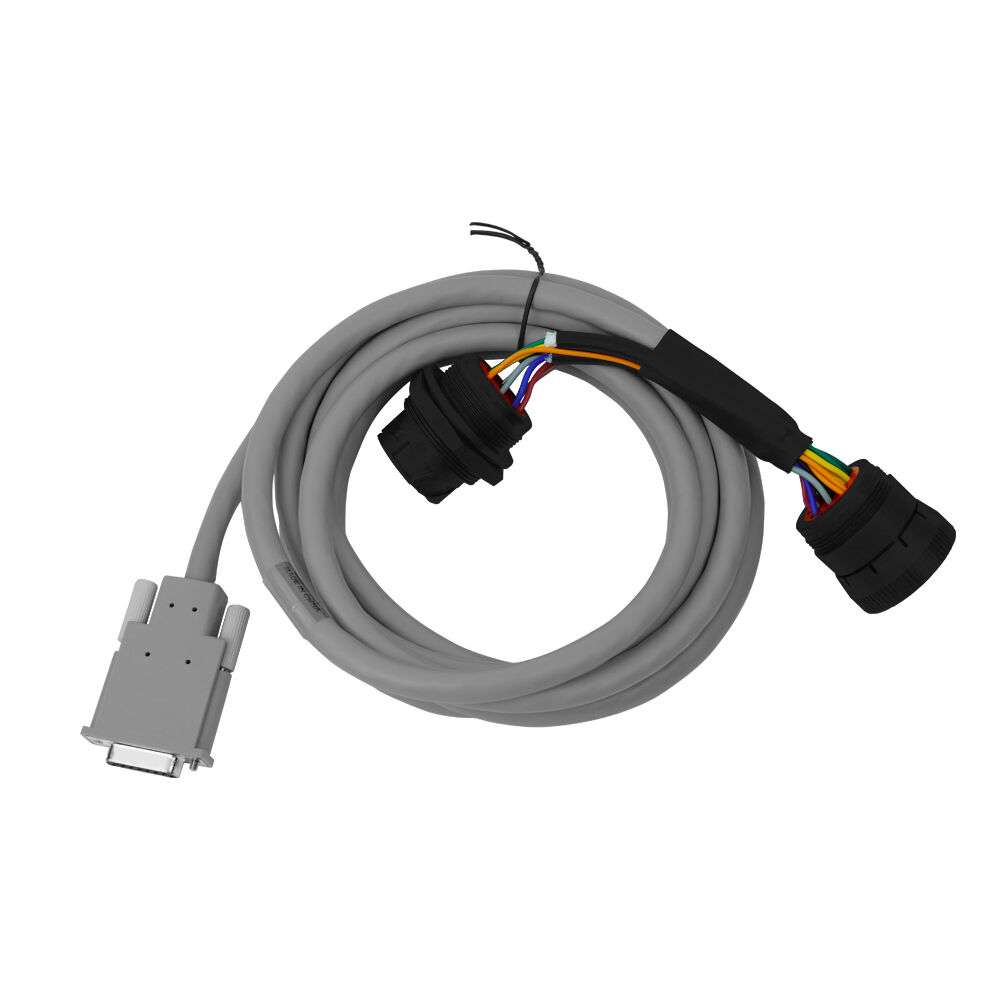
Naročilo OEM OBD Vodilnik zdi se preprosto, a kupci, ki so že opravili ta postopek, vedo, da vključuje veliko več kot le izbiro številke dela in potrditev količine. Vsako naročilo kabla OBD vključuje niz tehničnih, logističnih in poslovnih odločitev, ki neposredno vplivajo na zmogljivost izdelka, roke dobave in dolgoročno zanesljivost dobavitelja. Pravilne odločitve že na začetku ločijo gladko nabavo od tiste, ki je polna ponovnega dela, zamud in dragih napačnih komunikacij.
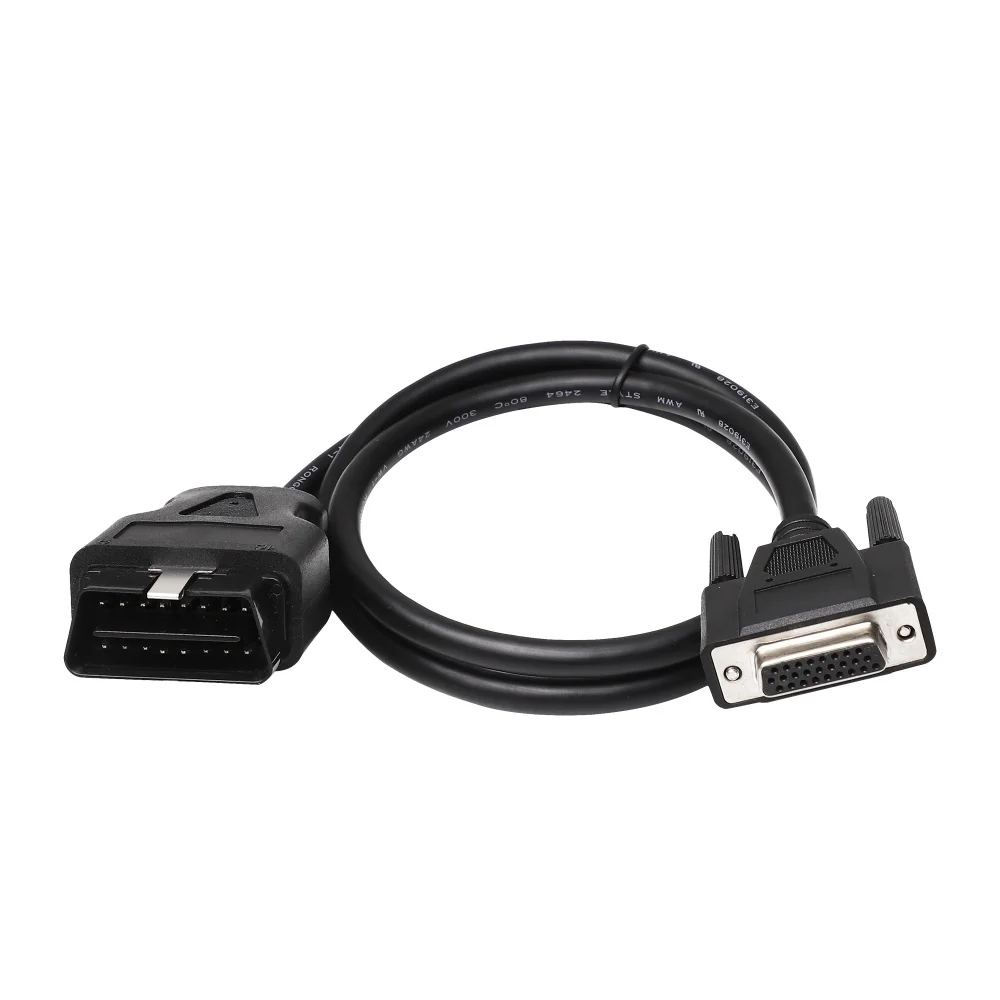
Ali naročate kabel OBD za avtomobilsko diagnostiko, orodja za upravljanje vozilnih flot ali naprave za telematiko na tržišču po prodaji, so prioritete, ki jih določite v fazi naročanja, ključnega pomena za vse naslednje korake. V tem članku so opisani najpomembnejši dejavniki, ki jih morajo kupci oceniti pri izbiri naročila kabla OBD OEM, da bodo njihove odločitve o nabavi temeljile na praktični, v praksi preizkušeni logiki namesto na ugibanju.
Tehnične specifikacije, ki določajo pravi kabel OBD
Konfiguracija priključkov in združljivost protokolov
Temelj vsake naročilnice OBD-kabla je konfiguracija priključkov. Standardni 16-priključkov OBD2-vezni element je široko uporabljen, vendar za OEM-uporabe pogosto zahtevajo posebne določitve priključkov, da se ujemajo s protokoli komunikacije vozil, kot so CAN-bus, ISO 9141, KWP2000 ali J1850. Pred potrditvijo naročila OBD-kabla morajo kupci preveriti, ali razporeditev priključkov natančno ustreza ciljnim vozilnim platformam. Neujemanje na ravni priključkov lahko naredi celotno serijo OBD-kablov nepotrebnih, ne glede na to, kako dobro je ostali del sestave izdelan.
Združljivost protokolov določa tudi, katere diagnostične funkcije lahko OBD-kabel podpira. OBD-kabel, zasnovan za en standard komunikacije, morda ne bo zanesljivo prenašal signalov prek drugega protokola, kar lahko povzroči napake podatkov ali neuspešne rokovanja med živimi diagnostičnimi sejami. Vedno zahtevajte diagram razporeditve priključkov in listo specifikacij protokola od proizvajalca, preden končate naročilo OBD-kabla.
Dolžina kabla, premer žice in zaslonitev
Fizična izdelava kabla je enako pomembna pri ocenjevanju naročila kabla OBD. Dolžina kabla mora ustrezati predvideni uporabi. Kratek kabel OBD je primeren za orodja v delavnih salkah, kjer se naprava nahaja blizu priključka vozila, medtem ko je za daljinske telematske enote ali vgradne vmesnike na plošči za instrumente potreben daljši kabel OBD. Premer žice vpliva na nosilno zmogljivost toka in celovitost signala, zato lahko tanjši premeri žic na kablu OBD z visoko obremenitvijo s časom povzročijo težave z odpornostjo. Zaslonitev je še ena plast, ki je pomembna v električno šumnih okoljih. Ustrezno zaslonjen kabel OBD zmanjša elektromagnetno motnjo in zagotavlja čisto prenos podatkov, kar je še posebej pomembno pri uporabi na težkih vozilih.
Standardi kakovosti in zahtevki glede skladnosti
Priključek Material in zanesljivost stikov
Ohišje povezovalnika in materiali stikov v kablu OBD neposredno vplivajo na število ciklov priključevanja, ki jih sestava lahko prenese pred začetkom degradacije signala. Povezovalniki kabla OBD za originalne opremne proizvajalce so običajno izdelani iz ABS ali PBT plastike z visoko udarno odpornostjo ter bakrenih stikov z zlatim ali kositrenim prevlečenjem. Povezovalniki nižje kakovosti se na prvi pogled morda zdi enaki, vendar se hitreje obrabljajo, zlasti v okoljih z visoko frekvenco priklapljanja in odklapljanja, kot so jih pogosto uporabljali profesionalni diagnostični orodji. Pri pregledu proizvajalca za vaš naročilni kabel OBD zahtevajte informacije o materialu ohišja povezovalnika, debelini prevleke stikov in številu ciklov vstavljanja, za katere je povezovalnik certificiran.
Kakovost prelivnega odlitka je še en pokazatelj dobro izdelanega OBD kabla. Čist in enoten prelivni odlitek na mestu vstopa priključka zaščiti notranje priključke žic pred mehanskim obremenitvami in prodorom vlage. Slaba kakovost prelivnega odlitka na OBD kablu je eden od glavnih razlogov za predčasne okvare v uporabi, zato je pregled vzorčnih enot pred odobritvijo za serijsko proizvodnjo nujna in nepogojna stopnja.
Certifikati in skladnost z regulativnimi zahtevami
Odvisno od ciljnega trga lahko naročilo OBD kabla zahteva izpolnjevanje določenih regulativnih certifikatov. Označba CE je obvezna za izdelke OBD kabla, ki se prodajajo na evropskem trgu, medtem ko skladnost z direktivo RoHS zagotavlja, da materiali, uporabljeni v sestavi OBD kabla, ne vsebujejo omejenih nevarnih snovi. Nekateri kupci zahtevajo tudi komponente, ki so priznane po standardu UL, v okviru konstrukcije OBD kabla zaradi odgovornosti in zavarovalnih zahtev. Zahteve glede certifikatov je vedno treba jasno določiti z izdelovalcem že v fazi naročila, ne pa šele ugotavljati manjkajočih elementov po zaključku proizvodnje.
Upravljanje naročil in izvajanje stranke dobavitelja
Minimalne količine naročil in obseg prilagajanja
Kupci OEM pogosto potrebujejo prilagojen kabel OBD, ki vključuje določeno blagovno znamko, barvno kodiranje ali različice priključkov, ki niso na voljo v standardnih kataloških ponudbah. Razumevanje minimalne količine naročila (MOQ) za proizvodnjo prilagojenih kablov OBD je ključnega pomena za usklajevanje proračunov za nakup s časovnimi okvirji projekta. Nekateri proizvajalci ponujajo fleksibilne strukture MOQ za naročila kablov OBD, ki vključujejo zasebno označevanje ali prilagojeno litje, drugi pa določijo stroge minimalne količine, ki ustrezajo le kupcem z visokimi prostorninami. Znanje te meje že v začetni fazi preprečuje zamude v projektu, ki jih povzroča neusklajenost MOQ. Želeni obseg zahtev za prilagajanje kabla OBD naj se obravnava že v zgodnji fazi, vključno z natisom nalepk, ujemanjem barv in izbiro različic priključkov, da lahko proizvajalec zagotovi natančno oceno proizvodnje.
Čas izdelave, odobritev vzorca in kakovostni pregled
Upravljanje časovnega okvira je ena najpogosteje podcenjenih komponent pri naročilu kabla OBD. Standardni časovni okvir za proizvodnjo kabla OBD običajno znaša od dveh do šestih tednov, odvisno od velikosti naročila in stopnje zapletenosti prilagoditve. Kupci, ki izpustijo fazo odobritve predproizvodnega vzorca, pogosto srečajo težave na ravni celotne serije, kar zahteva drago ponovno obdelavo. Zahteva zlatih vzorcev kabla OBD pred začetkom serijske proizvodnje omogoča vašim inženirskim in kakovostnim ekipam preveriti natančnost priključkov, gibljivost kabla, celovitost prelivnega ovoja in silo zadrževanja priključka. Nadzor kakovosti s strani tretje osebe ali v vrsti med proizvodnjo kabla OBD dodatno zagotavlja varnost, saj napake zazna že pred njihovim prihodom v vašo skladiščno enoto, ne pa šele po tem.
Jasna komunikacija o zahtevah glede embalaže je pomembna tudi pri naročilu kabla OBD. Zapiranje v polietilenskih vrečkah, dolžina navitja kabla, označevanje z barcodami in embalaža, pripravljena za prodajo, morajo biti vnaprej natančno določene, da se izognejo težavam pri razvrščanju na stopnji izpolnjevanja naročil. Vsako naročilo kabla OBD obravnavajte kot celovit projekt specifikacij, ne le kot zahtevek za izdelek.
Pogosto zastavljena vprašanja
Katera konfiguracija priključkov je najpogostejša pri naročilu originalnega opreme (OEM) kabla OBD?
Postavitev z 16 priključki (OBD2) je najbolj razširjena konfiguracija pri proizvodnji kabla OBD za originalno opremo (OEM). Vendar se dodelitev priključkov znotraj ohišja kabla OBD z 16 priključki razlikuje glede na komunikacijski protokol, ki ga zahteva ciljno vozilo ali naprava. Pred oddajo naročila kabla OBD vedno potrdite natančno razporeditev priključkov.
Kako preverim kakovost kabla OBD pred odobritvijo serijne proizvodnje?
Zahtevajte predproizvodni vzorec OBD kabla in ga preizkusite glede na vaš celoten funkcionalni kontrolni seznam, vključno z silo vstavitve povezovalnika, natančnostjo prenosa podatkov, fleksibilnostjo prelivne ovojnice in učinkovitostjo zaklepnega klina. Fizični pregled vzorca OBD kabla je najzanesljivejša kakovostna vrata pred tem, da se odločite za polno proizvodno serijo.
Ali lahko naročim OBD kabel sestavljen po meri glede na dolžino in z lastno blagovno znamko?
Da, večina proizvajalcev, ki so osredotočeni na OEM, lahko izdelajo OBD kabel sestavljen po meri glede na dolžino in z označbami lastne blagovne znamke, če vaše naročilo izpolnjuje minimalno količino za po meri izdelane izdelke. Dolžino kabla, barvo, obliko označevanja ter morebitne zahteve glede različic povezovalnikov obravnavajte neposredno z proizvajalcem OBD kabla že v fazi povpraševanja, da pridobite natančno ponudbo in čas izdelave.