

 EN
EN
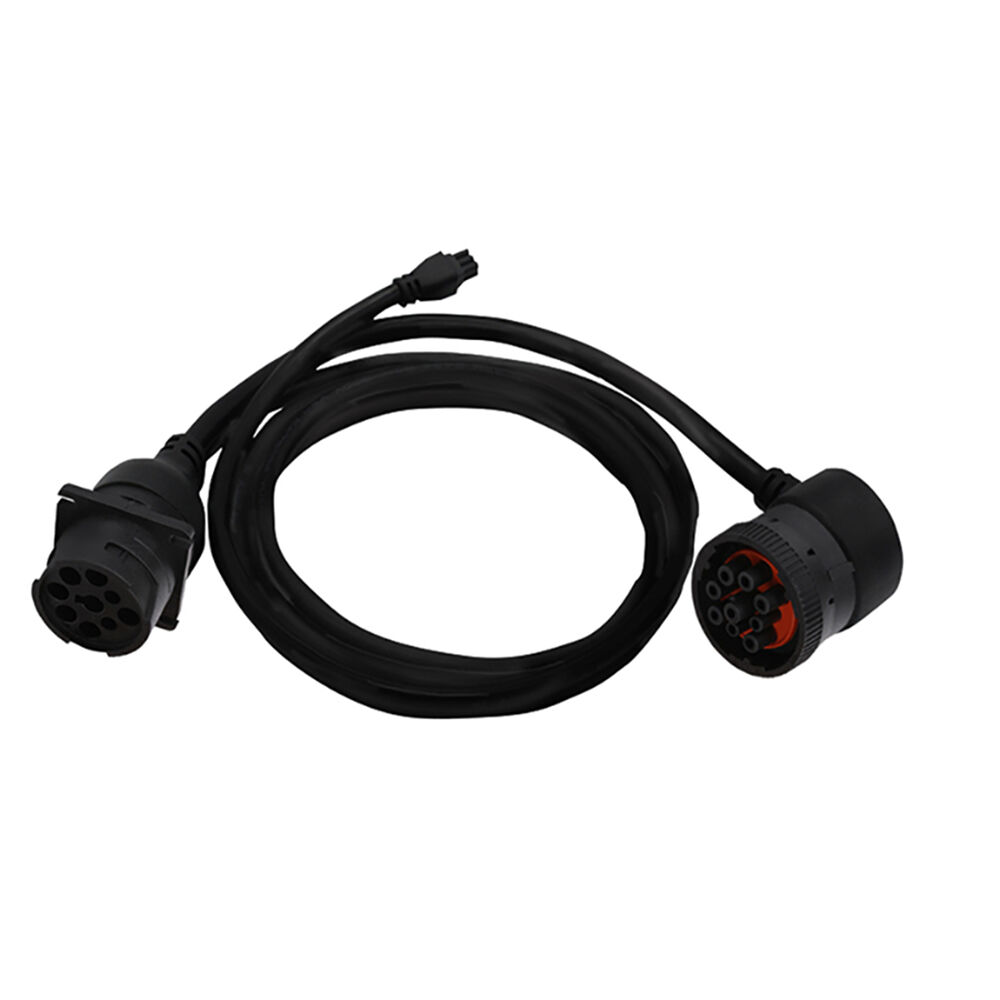
Высокого качества Кабель obd является одним из наиболее критически важных компонентов в любом процессе диагностики транспортного средства. Независимо от того, являетесь ли вы профессиональным техником, работающим в загруженной ремонтной мастерской, или менеджером автопарка, осуществляющим мониторинг нескольких транспортных средств, физическое качество и гибкость вашего кабеля OBD напрямую влияют на эффективность и точность получения диагностических данных. Многие пользователи упускают из виду сам кабель и сосредотачиваются исключительно на диагностическом инструменте, однако кабель OBD представляет собой ключевое соединение между бортовой системой транспортного средства и внешним считывателем.
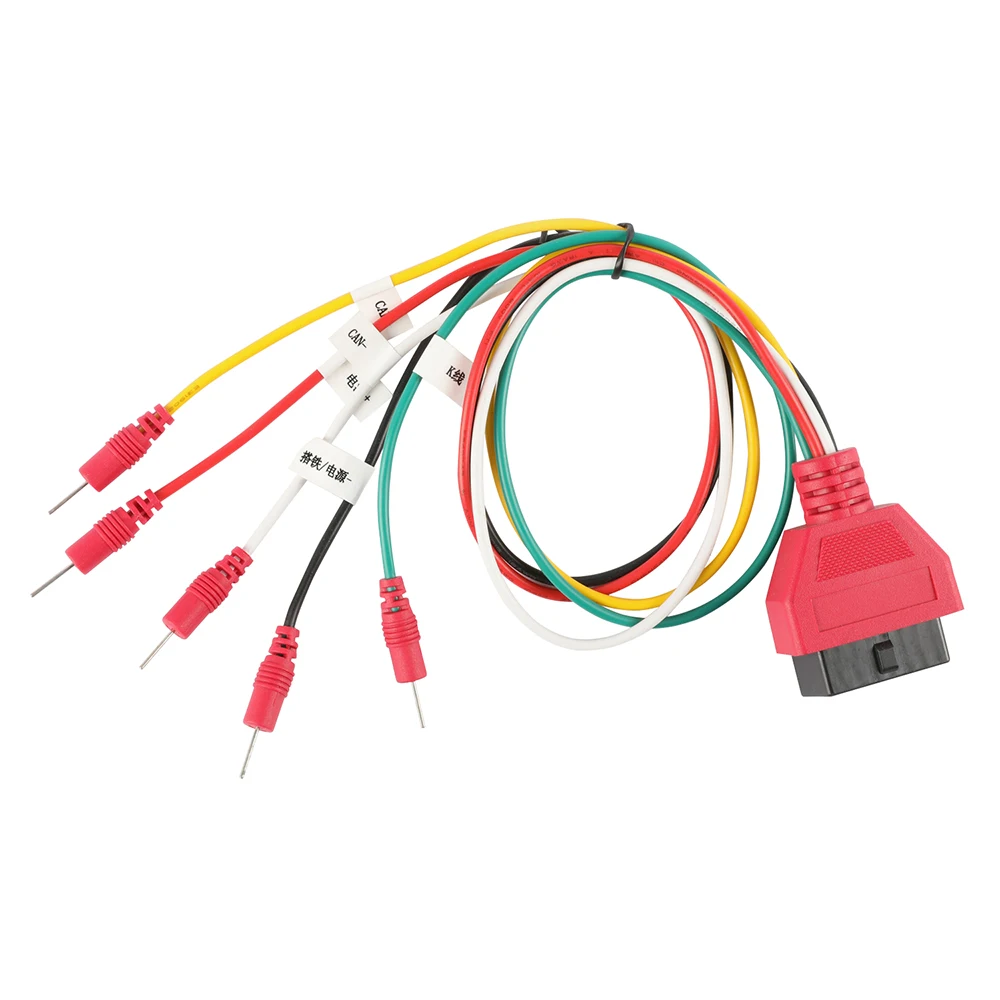
Гибкие кабели OBD всё чаще предпочитают как в автомобильных мастерских, так и в промышленных автопарках. Гибкий кабель OBD спроектирован таким образом, чтобы изгибаться, растягиваться и принимать нужное положение без создания нагрузки на разъём порта или диагностическое устройство. Такая гибкость обеспечивает реальные эксплуатационные преимущества, выходящие далеко за рамки простого удобства. Понимание этих преимуществ помогает компаниям и техникам принимать более обоснованные решения при выборе кабеля OBD для ежедневного профессионального использования.
Повышенная долговечность и физическая устойчивость
Почему гибкая конструкция защищает ваш кабель OBD
Гибкий кабель OBD предназначен для многократного изгиба и перемещения без растрескивания или обрыва внутренних проводников. Традиционные жёсткие кабели со временем образуют микротрещины в местах механического напряжения, особенно вблизи коннекторов, после длительного ежедневного использования. Гибкий кабель OBD использует многожильные медные проводники и эластичную внешнюю оболочку, которая поглощает механическое напряжение, а не передаёт его на разъёмы. Это значительно увеличивает срок службы кабеля OBD в условиях интенсивного профессионального применения.
В условиях автосервиса кабель OBD используется десятки раз в день. Автомеханики подключают и отключают кабель OBD к различным моделям автомобилей, зачастую работая в стеснённых условиях под приборной панелью. Гибкий кабель OBD снижает износ как самого кабеля, так и порта OBD2 автомобиля. Инвестиции в прочный и гибкий кабель OBD позволяют сократить расходы на замену и минимизировать риск повреждения портов автомобиля из-за жёсткого и негибкого кабеля.
Сопротивление воздействию окружающей среды
Профессиональные мастерские ежедневно подвергают каждый кабель OBD воздействию масла, высоких температур и механических нагрузок. Гибкий кабель OBD, как правило, оснащён усиленной оболочкой, устойчивой к загрязнению маслом и перепадам температуры. Благодаря этому гибкий кабель OBD обеспечивает значительно более высокую надёжность по сравнению со стандартными кабелями в условиях, где температура резко меняется — от холодной наружной среды до раскалённого моторного отсека. Быстрое деградирование кабеля OBD в таких условиях приводит к ненужным простоем и диагностическим ошибкам, что в профессиональной среде обходится дорого.
Улучшенный радиус действия и позиционная гибкость
Лёгкий доступ к труднодоступным разъёмам OBD
Не у всех транспортных средств разъём OBD расположен в легко доступном месте. В некоторых моделях разъём OBD установлен глубоко под панелью приборов, за декоративными панелями или под неудобным углом. Гибкий кабель OBD позволяет технику прокладывать кабель естественным образом вокруг препятствий, не заставляя разъём занимать неудобное положение. Такая адаптивность по положению обеспечивает надёжное соединение с полным контактом даже в том случае, если разъём OBD расположен не в идеальном месте.
Гибкий удлинительный кабель OBD обеспечивает дополнительную длину, позволяя размещать диагностическое устройство на сиденье или на тележке, в то время как кабель OBD аккуратно прокладывается к разъёму. Такой способ работы снижает утомляемость оператора и обеспечивает постоянную видимость и лёгкий доступ к диагностическому устройству на протяжении всего процесса сканирования. Таким образом, хорошо спроектированный гибкий кабель OBD повышает как эргономичность, так и точность диагностики за счёт минимизации перемещений и случайных отключений.
Совместимость с различными транспортными средствами и стабильное качество сигнала
Гибкий кабель OBD, разработанный с конфигурацией из 16-жильного проводника, обеспечивает стабильную целостность сигнала при работе с различными протоколами связи. Автомобили, совместимые со стандартом OBD2, используют различные уровни протоколов, и качественный кабель OBD должен надёжно передавать сигналы без помех или потери данных. Гибкая конструкция кабеля OBD не ухудшает электрическое экранирование; напротив, она обеспечивает стабильный контакт между всеми 16 проводниками независимо от того, как проложен кабель OBD. Это гарантирует, что каждый диагностирующий сканирование автомобиля даёт точные и полные диагностические данные.
Для операторов автопарков, работающих с транспортными средствами различных типов, один универсальный гибкий OBD-кабель, совместимый с различными ориентациями разъёмов и положениями диагностических разъёмов, позволяет значительно сэкономить время. Вместо необходимости использовать несколько адаптерных кабелей один качественно выполненный гибкий OBD-кабель удовлетворяет требованиям по расположению разъёма на разных моделях автомобилей. Такая универсальность делает гибкий OBD-кабель экономически выгодным стандартным инструментом для любой диагностической операции с использованием нескольких транспортных средств.
Эксплуатационная эффективность и преимущества для рабочих процессов
Сокращение простоев при диагностике за счёт надёжного OBD-кабеля
Каждая минута простоя при диагностике обходится профессиональной мастерской в определённые затраты. Гибкий OBD-кабель напрямую повышает эффективность рабочего процесса, сокращая количество неудачных подключений, периодические проблемы с передачей сигнала и физические повреждения кабеля, вынуждающие останавливать работу. Когда техники используют гибкий OBD-кабель, который надёжно подключается и сохраняет своё положение на протяжении всего сканирования, они могут выполнить больше диагностики транспортных средств за одну смену. OBD-кабель становится инструментом повышения производительности, а не источником раздражения.
Надежный кабель OBD также снижает риск неполных диагностических считываний, что может привести к ошибочному диагнозу и повторным затратам на труд. Когда кабель OBD обеспечивает стабильный контакт на протяжении всего цикла сканирования, диагностическое устройство фиксирует все коды неисправностей и данные в реальном времени без перерывов. Такая надежность особенно важна при проведении проверок на соответствие нормам выбросов, предпродажных осмотров и ремонтных работ по гарантии, где точность диагностики является обязательным требованием. Гибкий кабель OBD, выполненный из качественных разъемов и проводников, последовательно обеспечивает такой уровень точности.
Безопасное обращение и снижение риска повреждения разъема
Гибкий кабель OBD снижает механическое напряжение на диагностический разъём OBD транспортного средства при подключении, эксплуатации и отключении. Жёсткие кабели OBD могут оказывать рычажное воздействие на корпус разъёма при прокладке кабеля под углом, постепенно ослабляя фиксирующие зажимы разъёма или деформируя контактные штырьки. Гибкий кабель OBD естественным образом повторяет траекторию прокладки, устраняя боковые нагрузки на разъём. Это защищает как разъём кабеля OBD, так и собственный диагностический разъём транспортного средства от преждевременного износа, снижая общую стоимость технического обслуживания автопарка.
Часто задаваемые вопросы
В чём преимущество гибкого кабеля OBD по сравнению со стандартным жёстким кабелем OBD?
Гибкий кабель OBD поглощает изгибающие нагрузки без повреждения внутренних проводников, увеличивает срок службы и снижает риск повреждения диагностического разъёма транспортного средства. Жёсткий кабель OBD более склонен к растрескиванию и ослаблению соединителя при ежедневном многократном использовании, поэтому гибкий кабель OBD является предпочтительным выбором для профессиональных условий эксплуатации.
Может ли гибкий кабель OBD поддерживать все протоколы связи OBD2?
Да, качественный гибкий кабель OBD с полным 16-жильным проводником поддерживает все стандартные протоколы OBD2. Гибкость корпуса кабеля не влияет на электрические характеристики кабеля OBD при условии соблюдения надлежащей экранировки и высокого качества проводников по всей длине кабеля.
Как выбрать подходящий гибкий кабель OBD для диагностики автопарка?
При выборе гибкого кабеля OBD для использования в автопарке обращайте внимание прежде всего на количество жил в проводнике, качество материала оболочки, золотое покрытие разъёмов и общую длину кабеля. Гибкий 16-жильный кабель OBD с маслостойкой оболочкой и прочным корпусом разъёма обеспечит необходимую долговечность и целостность сигнала для частой диагностики множества транспортных средств.