

 EN
EN
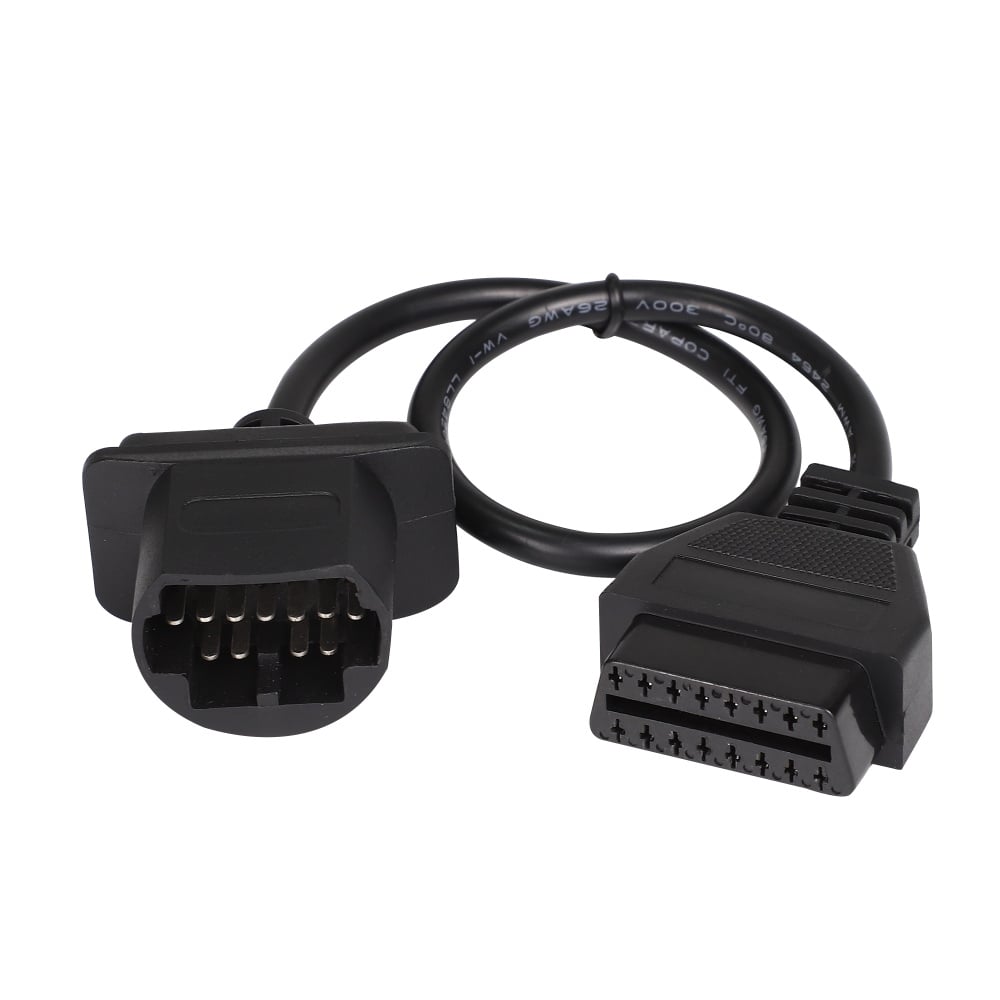
Gdy technicy i operatorzy flot podłączają narzędzia diagnostyczne do pojazdów, jakość każdego elementu w łańcuchu ma znaczenie. Wtyczka rozgałęziająca OBD typu Y znajduje się w kluczowym punkcie tego łańcucha, dzieląc jeden port OBD na dwa użyteczne kanały diagnostyczne. Wybór wtyczki rozgałęziającej OBD typu Y wykonanej metodą formowania zamiast wersji złożonej lub o otwartej konstrukcji nie jest jedynie kwestią preferencji — jest to istotna decyzja dotycząca bezpieczeństwa, która wpływa na trwałość sprzętu, niezawodność sygnału oraz ochronę operatora.
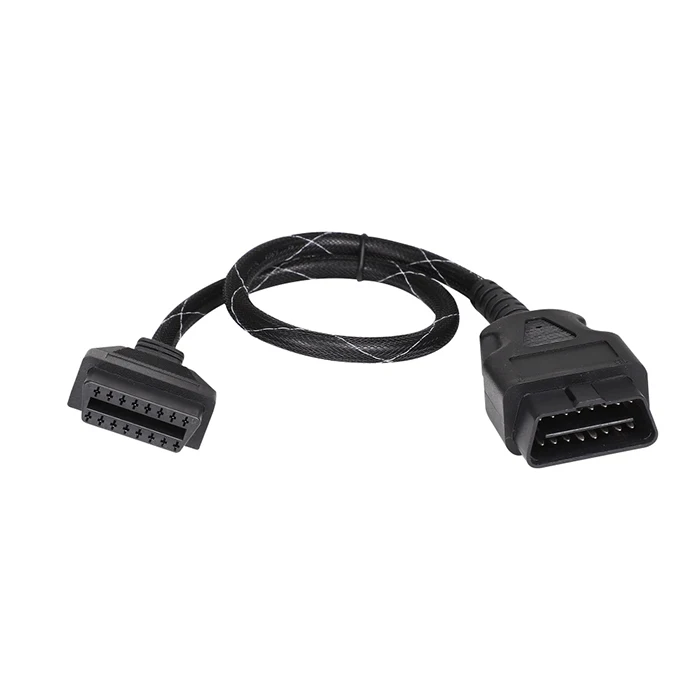
Wielu zakupujących zakłada, że każda wtyczka rozgałęziająca OBD typu Y będzie działać wystarczająco dobrze, o ile dopasuje się do portu. Jednak konstrukcja wewnętrzna i obudowa zewnętrzna wtyczki rozgałęziającej OBD typu Y bezpośrednio decydują o tym, jak skutecznie radzi sobie ona z obciążeniem elektrycznym, naprężeniem mechanicznym oraz ekspozycją na czynniki środowiskowe. Wtyczka rozgałęziająca OBD typu Y wykonana metodą formowania rozwiązuje każdy z tych problemów w sposób, którego nie potrafią osiągnąć alternatywy bez formowania. Zrozumienie, dlaczego ta konstrukcja jest z natury bezpieczniejsza, pomaga zespołom zakupowym i kierownikom warsztatów podejmować bardziej świadome decyzje zakupowe.
Strukturalna przewaga formowanego rozgałęznika OBD Y Złącze
Formowanie nadlewane eliminuje wystające punkty połączenia
Formowany rozgałęznik OBD Y jest produkowany w taki sposób, że zewnętrzna obudowa jest wtryskiwana lub formowana bezpośrednio na przewodach wewnętrznych oraz połączeniach zacisków. Ten proces, zwany formowaniem nadlewanym, uszczelnia każdy punkt lutowania i każdy zacisk skręcany w ramach jednej, spójnej obudowy. W typowym, montowanym rozgałęzniku OBD Y miejsce połączenia przewodów z zaciskami jest często chronione jedynie przez rurkę termokurczliwą lub plastikową obudowę z zatrzaskami. Te metody pozostawiają niewielkie szczeliny, które z czasem pozwalają wilgoci, kurzowi oraz wibracjom przedostać się do przewodów wewnętrznych.
Dzięki wtryskanemu łącznikowi Y OBD nie ma odsłoniętych punktów połączenia, które mogłyby się rozluźnić lub ulec korozji. Połączenie pomiędzy przewodem a obudową jest trwałe. Znacznie zmniejsza to ryzyko wystąpienia przerywanego utraty sygnału, zwarcia lub wyładowania łukowego, które mogłyby uszkodzić podłączone urządzenie diagnostyczne lub port OBD pojazdu. W środowisku warsztatowym, gdzie narzędzia są wielokrotnie obsługiwane, wytrzymałość konstrukcyjna wtryskanego łącznika Y OBD znacznie przewyższa wytrzymałość wersji złożonych.
Ochrona przed przeciążeniem mechanicznym wbudowana w projekt
Jednym z najczęstszych trybów uszkodzenia dowolnego kabla łączącego jest zmęczenie mechaniczne w miejscu, w którym kabel wchodzi do obudowy. Jeśli strefa przejściowa nie jest odpowiednio wzmocniona, wielokrotne zginaanie i pociąganie powodują pęknięcie izolacji przewodów lub łamanie przewodników. Wtryskany łącznik Y typu OBD integruje ochronę przed przeciążeniem mechanicznym bezpośrednio w ciele wykonanym metodą overmoldingu. Stopniowa elastyczność w każdym punkcie wyprowadzenia kabla rozprasza naprężenia związane z jego zginaнием na dłuższym odcinku kabla, zamiast skupiać je w jednym słabym miejscu.
Ta wbudowana ochrona przed przeciążeniem mechanicznym czyni wtryskany łącznik Y typu OBD znacznie bezpieczniejszym rozwiązaniem do użytku intensywnego. Stacje diagnostyczne flot, centra badania emisji oraz mechanicy mobilni poddają swoje łączniki Y typu OBD wielokrotnym wstawianiom i ruchom kabli w ciągu dnia. Konstrukcja wtryskowa została zaprojektowana tak, aby wytrzymać takie obciążenia bez degradacji połączeń elektrycznych wewnątrz.
Ulepszenia bezpieczeństwa elektrycznego w wtryskanym łączniku Y typu OBD
Spójne wyrównanie pinów i stałe naciski stykowe
Wtryskany łącznik Y typu OBD zapewnia precyzyjną geometrię pinów, ponieważ obudowa jest formowana wokół zacisków w kontrolowanych warunkach produkcyjnych. Dzięki temu każdy z szesnastu pinów uzyskuje spójny, pełnogłębokościowy kontakt z odpowiadającym mu gniazdem w porcie OBD pojazdu. Niewłaściwe wyrównanie pinów w luźno zmontowanym łączniku Y typu OBD może prowadzić do częściowego kontaktu, podwyższonego oporu oraz nagrzewania się na styku. Z czasem ciepło to może uszkodzić port, łącznik lub oba te elementy.
Spójna geometria styków w wtryskanym łączniku Y typu OBD chroni również skaner diagnostyczny. Skanery odczytują napięcia i sygnały danych, które muszą dotrzeć bez zakłóceń i w ramach określonych tolerancji. Łącznik Y typu OBD z niepoprawnie wyrównanymi pinami powoduje zniekształcenie sygnału, co może skutkować fałszywymi kodami usterki lub pominięciem zdarzeń diagnostycznych. Konstrukcja wtryskana zapobiega przesuwaniu się pinów pod obciążeniem, zachowując integralność danych przy każdym cyklu połączenia.
Integralność izolacji pod wpływem obciążenia elektrycznego
Materiały stosowane w formowanym łączniku Y OBD są dobierane pod kątem wytrzymałości dielektrycznej i odporności termicznej. Obudowa wykonana metodą overmoldingu zapewnia ciągłą barierę izolacyjną wokół wszystkich przewodów wewnętrznych. W przypadku wystąpienia nieoczekwanego skoku napięcia w którymś z przewodów, formowana obudowa zawiera i rozprasza tę energię, uniemożliwiając przeskoczenie iskry do sąsiednich przewodów lub do ręki technika. Nieformowany łącznik Y OBD z odsłoniętymi przewodami wewnętrznymi nie zapewnia takiej ochrony przed przejściowymi zdarzeniami elektrycznymi.
Odporność środowiskowa i niezawodność długoterminowa formowanego łącznika Y OBD
Odporność na zanieczyszczenia warsztatowe
Warsztaty samochodowe to surowe środowiska. W takich warunkach złącze Y OBD jest regularnie narażone na mgłę olejową, środki czyszczące, wilgotność oraz wahania temperatury. Złącze Y OBD wykonane metodą wtrysku hermetyzuje swoje elementy wewnętrzne przed tymi zanieczyszczeniami. Połączenie pomiędzy osłoną kabla a obudową złącza jest w pełni otoczone materiałem uszczelniającym, co uniemożliwia przenikanie cieczy lub cząstek w kierunku styków.
Z kolei niehermetyczne złącze Y OBD często posiada małe szczeliny w miejscach połączeń elementów, w których zanieczyszczenia gromadzą się przez miesiące użytkowania. Te osady mogą powodować korozję styków, zwiększać opór kontaktowy, a ostatecznie prowadzić do awarii złącza Y OBD podczas sesji diagnostycznej. Wymiana uszkodzonego złącza Y OBD w trakcie kontroli wiąże się z marnowaniem czasu technika oraz generuje niepotrzebny simply przestój sprzętu. Zapieczętowany projekt złącza Y OBD wykonanego metodą wtrysku zapobiega takiemu scenariuszowi.
Dłuższy okres eksploatacji zmniejsza ryzyko awarii sprzętu
Ponieważ formowany złącza Y typu OBD odporność na degradację fizyczną, elektryczną i środowiskową jednocześnie, zachowuje swoje właściwości bezpieczeństwa przez znacznie dłuższy okres użytkowania niż porównywalne złącza składane. Urządzenia, które zależą od degradującego się złącza Y typu OBD, są narażone na rosnące ryzyko przy każdym cyklu użytkowania. Inwestycja w formowane złącze Y typu OBD od samego początku oznacza, że łańcuch diagnostyczny pozostaje niezawodny i bezpieczny przez większą liczbę godzin serwisowych. Jest to szczególnie ważne w operacjach komercyjnych flot pojazdów, gdzie jedno uszkodzone złącze Y typu OBD może opóźnić konserwację wielu pojazdów.
Często zadawane pytania
Co czyni formowane złącze Y typu OBD innym niż standardowe złącze składane?
Wytłoczony złączy Y OBD ma obudowę utworzoną bezpośrednio nad wewnętrznymi przewodami i zaciskami w procesie otulania. Zapieczętuje to wszystkie punkty połączenia i integruje ochronę przed przeciążeniem mechanicznym, podczas gdy standardowy zmontowany złączy Y OBD wykorzystuje oddzielne obudowy i pokrywy, które mogą się poluzować, rozdzielić lub dopuścić przedostanie się wilgoci wraz z upływem czasu.
Czy wytłoczony złączy Y OBD można używać ze wszystkimi narzędziami diagnostycznymi zgodnymi z OBD-II?
Tak. Wytłoczony złączy Y OBD zgodny ze standardem 16-pinowym OBD-II jest kompatybilny z ogromną większością skanerów diagnostycznych OBD-II oraz urządzeń telematycznych. Konstrukcja wytłoczona nie zmienia interfejsu elektrycznego — poprawia jedynie ochronę fizyczną i środowiskową złącza Y OBD.
W jaki sposób użycie wytłoczonego złącza Y OBD chroni port OBD pojazdu?
Wytłoczony łącznik Y typu OBD chroni port pojazdu dzięki stałemu wyrównaniu pinów i kontrolowanej sile wkładania. Ponieważ piny w wytłocznym łączniku Y typu OBD nie mogą przesuwać się ani ulegać odkształceniom podczas użytkowania, zapewniają one czyste i bezpieczne połączenie z kontaktami portu bez wyginania lub obciążania gniazda. Dzięki temu zachowuje się integralność portu OBD pojazdu oraz zapobiega się jego uszkodzeniom, które mogą wynikać z zastosowania niewłaściwie skonstruowanego łącznika Y typu OBD.