

 EN
EN
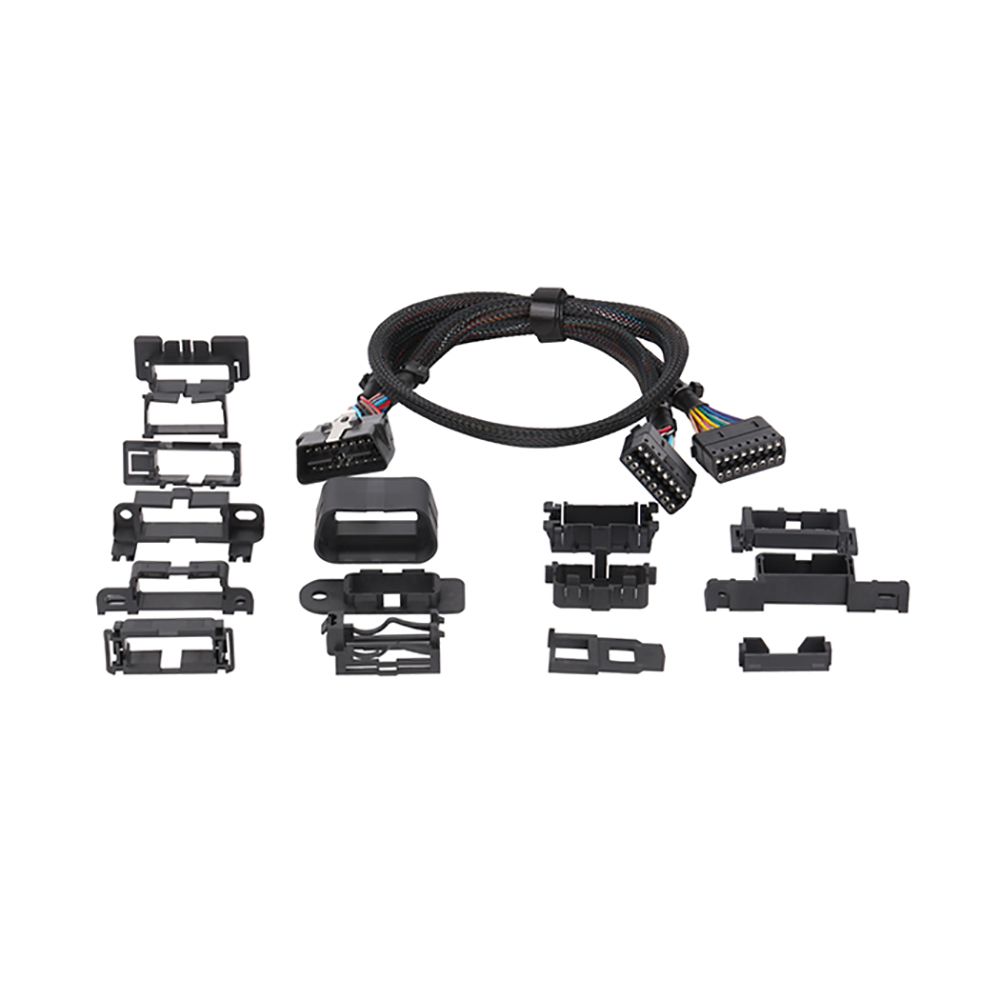
The zestaw o napędzie elektrycznym jest jednym z najbardziej złożonych podzesłów w dowolnym nowoczesnym pojeździe. W miarę jak pojazdy integrują coraz więcej systemów elektronicznych, zapotrzebowanie na niezawodny przewód samochodowy rośnie znacznie. Maszyny do przewodów stały się fundamentem wydajnej produkcji przewodów samochodowych, umożliwiając producentom spełnianie ścisłych допусków, wysokich objętości produkcji oraz surowych wymagań jakościowych.
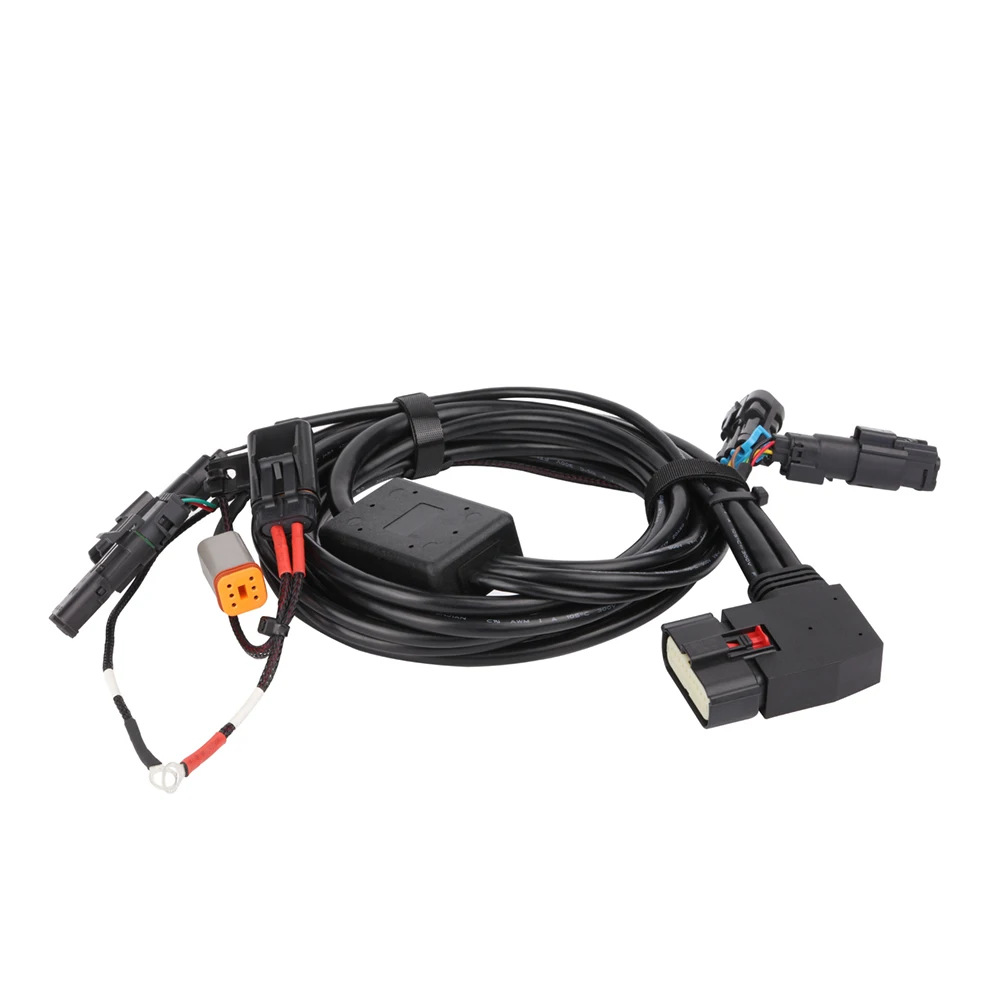
Zrozumienie tego, dlaczego maszyny do przewodów są tak skuteczne w optymalizacji produkcji przewodów samochodowych, wymaga bliższego przyjrzenia się ich precyzji mechanicznej, zautomatyzowaniu procesów oraz możliwości weryfikacji jakości. Każdy z tych elementów odgrywa kluczową rolę w dostarczaniu przewodu samochodowego spełniającego specyfikacje producentów OEM i działającego niezawodnie w wymagających warunkach eksploatacji pojazdów. W niniejszym artykule omówiono kluczowe czynniki sprawiające, że maszyny do przewodów są nieodzowne w nowoczesnej produkcji przewodów samochodowych.
Precyzyjna inżynieria jako rdzeń maszyn do przewodów
Dokładne cięcie i zdejmowanie izolacji dla każdego przewodu samochodowego
Podstawą każdego wysokiej jakości przewodu samochodowego jest dokładność wymiarowa. Maszyny do cięcia przewodów przeznaczone do produkcji przewodów samochodowych zapewniają kontrolowane długości cięcia z tolerancjami mierzonymi w ułamkach milimetra. Ta precyzja gwarantuje, że każdy odcinek przewodu w przewodzie samochodowym idealnie pasuje do obudów złącz, kanałów prowadzenia i punktów zakończenia. Nieprecyzyjne cięcia prowadzą do złej rezystancji kontaktu oraz awarii montażu – oba te problemy są niedopuszczalne w przewodzie samochodowym przeznaczonym do systemów krytycznych pod względem bezpieczeństwa.
Jakość zdejmowania izolacji jest równie ważna. Nowoczesne maszyny do zdejmowania izolacji usuwają ją z przewodów bez uszkadzania przewodnika, zachowując integralność przewodzącą każdego przewodu w zestawie przewodów samochodowych. Zaawansowane systemy regulacji ostrza pozwalają operatorom precyzyjnie dostosować głębokość zdejmowania izolacji do różnych kalibrów przewodów stosowanych w jednym zestawie przewodów samochodowych. Ta elastyczność zmniejsza wskaźnik odpadów i poprawia ogólną spójność całej partii gotowych zestawów przewodów samochodowych.
Siła crimpowania i umiejscowienie końcówek
Poprawnie wykonane zaciskanie jest sercem elektrycznym i mechanicznym każdego połączenia w przewodzie samochodowym. Maszyny do przewodów wyposażone w głowice zaciskowe z serwonapędem zapewniają stałą siłę zacisku na każdym zacisku, co gwarantuje, że każde połączenie w przewodzie samochodowym osiąga odpowiednią powierzchnię styku oraz wytrzymałość na wyciąganie. Niestabilne zaciskanie jest jednym z głównych powodów awarii w warunkach eksploatacji przewodu samochodowego, dlatego kontrolowana maszynowo siła zacisku stanowi cechę niepodlegającą negocjacji dla poważnych producentów.
Dokładność umieszczania złącz determinuje również, jak płynnie przewód samochodowy integruje się w linii montażowej pojazdu. Maszyny do przewodów wyposażone w systemy pozycjonowania złącz z wykorzystaniem widzenia komputerowego eliminują błędy nieprawidłowego ustawienia występujące podczas montażu ręcznego. W przypadku programów przewodów samochodowych o wysokiej różnorodności (high-mix) systemy narzędzi szybkozamienialnych pozwalają producentom na przełączanie się między różnymi typami złączy bez utraty powtarzalności procesu, co zapewnia wysokie tempo produkcji przewodów samochodowych na różnych platformach pojazdów.
Automatyzacja procesu i przepustowość produkcji
Przetwarzanie wysokoprędkościowe spełniające duże zapotrzebowanie na przewody samochodowe
Produkcja przewodów samochodowych odbywa się w takich objętościach, że procesy ręczne po prostu nie są w stanie ich zapewnić. Do pojedynczego modelu pojazdu może być wymaganych setki indywidualnych przewodów w jednym zestawie przewodów samochodowych, a harmonogramy produkcji często wymagają tysięcy zestawów przewodów tygodniowo. Maszyny do przetwarzania przewodów radzą sobie z tym zagadnieniem, przetwarzając przewody z prędkością, jakiej nie jest w stanie osiągnąć operator ręczny, co znacznie zwiększa wydajność produkcji zestawów przewodów samochodowych bez utraty jakości.
Zautomatyzowane systemy podawania w maszynach do przetwarzania przewodów obsługują ciągłe odwijanie, wyprostowanie i transport przewodów, minimalizując czas postoju między poszczególnymi cyklami przewodów w zestawie przewodów samochodowych. Po zintegrowaniu tych maszyn w kompletną komórkę produkcyjną zestawów przewodów samochodowych zmniejsza się zależność od pracy ręcznej i umożliwia mniejszej liczbie pracowników obsługę większych objętości produkcji. Wynikiem jest bardziej opłacalny proces produkcji zestawów przewodów samochodowych, który łatwo skaluje się wraz ze wzrostem popytu klientów.
Integracja przepływu pracy w całej linii produkcji zestawów przewodów samochodowych
Współczesne maszyny do przewodów nie działają w izolacji. Łączą się one z urządzeniami znajdującymi się przed i za nimi na linii produkcyjnej przewodów samochodowych za pośrednictwem cyfrowych interfejsów oraz programowalnych sterowników logicznych. Takie zintegrowanie oznacza, że maszyny do przewodów mogą bezpośrednio otrzymywać parametry zadań z systemu zarządzania produkcją przewodów samochodowych, co zmniejsza ryzyko błędów wynikających z ręcznego wprowadzania danych i konfiguracji. Gdy wprowadzany jest nowy projekt przewodu samochodowego, maszyny można szybko przeprogramować tak, aby dopasować je do nowych długości przewodów, głębokości obcinania izolacji oraz specyfikacji zaciskania.
Połączone maszyny do przetwarzania przewodów umożliwiają również zsynchronizowany wypływ na linii produkcji przewodów samochodowych. Stacje cięcia, zdejmowania izolacji i zaciskania działają z dopasowanymi prędkościami, zapobiegając wąskim gardłom, które inaczej opóźniłyby dostawę przewodów samochodowych. Ta zsynchronizowana metoda pracy jest szczególnie ważna w systemach dostaw just-in-time, w których przewody samochodowe muszą dotrzeć na zakład montażu pojazdów zgodnie z precyzyjnym harmonogramem.
Zapewnienie jakości wbudowane w proces maszyn do przetwarzania przewodów
Monitorowanie w czasie rzeczywistym w celu zapobiegania wadom przewodów samochodowych
Jedną z najważniejszych zalet maszyn do przewodów w produkcji przewodów samochodowych jest wbudowany system monitoringu jakości. Czujniki wbudowane w maszyny do przewodów ciągle mierzą wysokość obciśnienia, siłę wyrywania oraz długość odsłoniętego przewodu w trakcie każdego cyklu produkcji przewodów samochodowych. Gdy pomiar wychodzi poza określony zakres tolerancji dla danej specyfikacji przewodu samochodowego, maszyna natychmiast oznacza lub odrzuca część, zapobiegając dalszemu przemieszczaniu się wadliwych przewodów w linii produkcyjnej przewodów samochodowych.
Ta pętla sprzężenia zwrotnego w czasie rzeczywistym jest znacznie bardziej niezawodna niż okresowe inspekcje ręczne. W masowej produkcji przewodów samochodowych inspekcja ręczna nie jest w stanie nadążyć za wydajnością maszyn. Automatyczne wykrywanie wad gwarantuje, że każdy przewód wprowadzany do końcowej montażu przewodów samochodowych został zweryfikowany, zapewniając klientom OEM możliwość śledzenia i dokumentacji jakości wymaganą przy każdej dostawie przewodów samochodowych.
Dane procesowe i ciągła poprawa
Maszyny do przewodów rejestrujące dane procesowe zapewniają producentom przewodów samochodowych praktyczne informacje w czasie. Śledzenie trendów siły zaciskania, cykli zużycia ostrzy oraz wskaźników odrzuceń w poszczególnych partiach produkcji przewodów samochodowych pozwala zespołom inżynieryjnym przewidywać potrzeby konserwacji jeszcze przed wystąpieniem awarii. Takie proaktywne podejście zapewnia utrzymanie maszyn do przewodów w stanie maksymalnej wydajności, co bezpośrednio wspiera jakość produkcji przewodów samochodowych oraz dotrzymanie terminów dostaw.
Dane zebrane z maszyn do przewodów wspierają również ciągłą poprawę procesu na linii produkcyjnej przewodów samochodowych. Identyfikacja wzorców występowania wad pomaga inżynierom dopasować ustawienia narzędzi, napięcia podawania przewodów oraz parametrów zdejmowania izolacji dla konkretnych projektów przewodów samochodowych. W dłuższym okresie taka iteracyjna poprawa zmniejsza ilość odpadów, obniża koszty prac korekcyjnych oraz podnosi średni poziom jakości każdego przewodu samochodowego produkowanego w zakładzie.
Często zadawane pytania
Jakie typy maszyn do przetwarzania przewodów są najczęściej stosowane w produkcji wiązek przewodów samochodowych?
Najczęściej stosowanymi maszynami do przetwarzania przewodów w produkcji wiązek przewodów samochodowych są zautomatyzowane maszyny do cięcia i zdejmowania izolacji, prasy do krawędziowania wyposażone w narzędzia aplikacyjne oraz zintegrowane centra do cięcia, zdejmowania izolacji i krawędziowania. Każdy typ maszyny obsługuje określony etap przygotowania przewodów do montażu wiązki przewodów samochodowych, a wiele zakładów integruje wszystkie trzy typy maszyn w jednej zautomatyzowanej komórce.
W jaki sposób precyzja maszyn do przetwarzania przewodów wpływa na długoterminową niezawodność wiązki przewodów samochodowych?
Precyzja maszyn do przetwarzania przewodów ma bezpośredni wpływ na niezawodność każdego połączenia w wiązce przewodów samochodowych. Stałe wymiary krawędziowania oraz wysoka jakość zdejmowania izolacji zmniejszają zmienność oporu i zapobiegają przedwczesnemu uszkodzeniu izolacji. Wiązka przewodów samochodowych wykonana z dokładnie przetworzonych przewodów charakteryzuje się wyższą niezawodnością w całym okresie użytkowania pojazdu, co redukuje roszczenia gwarancyjne oraz awarie występujące w eksploatacji spowodowane niską jakością połączeń.
Czy maszyny do przetwarzania przewodów mogą obsłużyć różnorodność kalibrów przewodów występujących w nowoczesnym przewodzie samochodowym?
Tak. Większość zaawansowanych maszyn do przetwarzania przewodów przeznaczonych do produkcji przewodów samochodowych obsługuje szeroki zakres kalibrów przewodów, zwykle od bardzo cienkich przewodów sygnałowych po grubsze przewody zasilające. Programowalne ustawienia noży oraz regulowane narzędzia do crimpowania pozwalają jednej maszynie do przetwarzania przewodów na przetworzenie pełnego zakresu kalibrów wymaganego w złożonym przewodzie samochodowym bez konieczności całkowitej wymiany maszyny przy zmianie typu przewodu.
Spis treści
- Precyzyjna inżynieria jako rdzeń maszyn do przewodów
- Automatyzacja procesu i przepustowość produkcji
- Zapewnienie jakości wbudowane w proces maszyn do przetwarzania przewodów
-
Często zadawane pytania
- Jakie typy maszyn do przetwarzania przewodów są najczęściej stosowane w produkcji wiązek przewodów samochodowych?
- W jaki sposób precyzja maszyn do przetwarzania przewodów wpływa na długoterminową niezawodność wiązki przewodów samochodowych?
- Czy maszyny do przetwarzania przewodów mogą obsłużyć różnorodność kalibrów przewodów występujących w nowoczesnym przewodzie samochodowym?