

 EN
EN
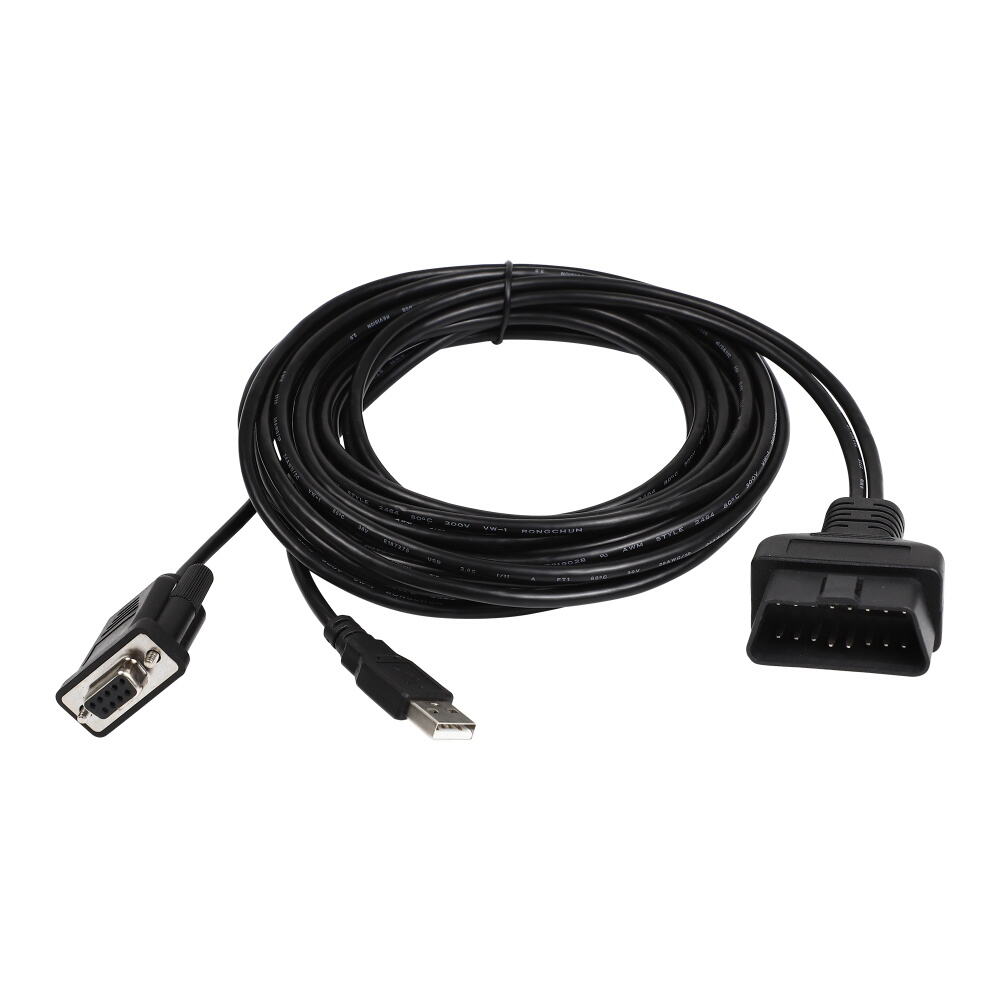
Uaktualnienie systemu audio Tesla wymaga uważnego rozważenia unikalnej architektury elektrycznej pojazdu, a wybór odpowiedniego podłącza kablowego Tesla jest najważniejszą decyzją w tym procesie. Pojazdy Tesli wykorzystują wyrafinowane systemy elektryczne z określonymi wymaganiami napięcia, protokołami komunikacyjnymi i funkcjami bezpieczeństwa, które odróżniają je od tradycyjnych platform motoryzacyjnych. Niewłaściwy pas przewodów Tesla może nie tylko zagrozić wydajności dźwięku, ale także potencjalnie uszkodzić wrażliwe elementy elektroniczne lub unieważnić gwarancję.
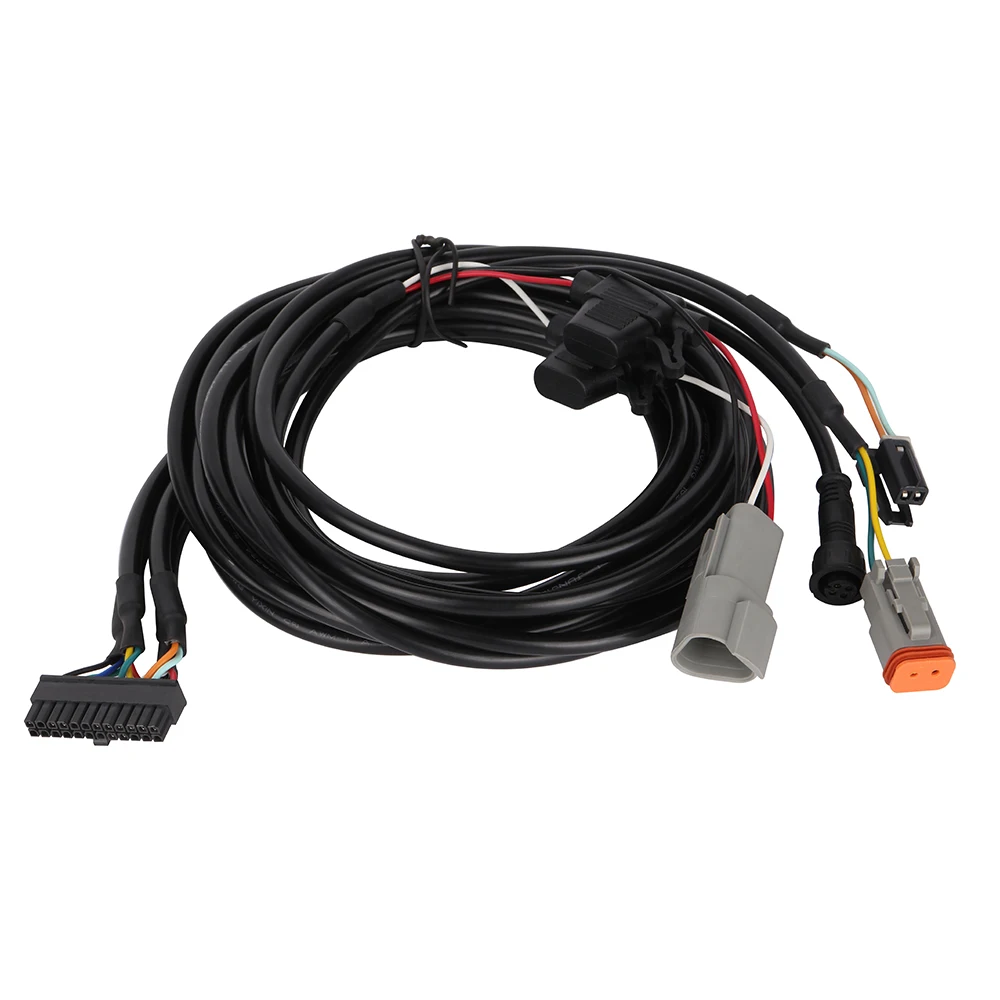
Zrozumienie infrastruktury elektrycznej Tesla staje się kluczowe przy ocenie opcji przewodów zasilających Tesla do ulepszeń systemu audio. Pojazdy Tesla integrują wiele modułów sterowanych komputerowo, które monitorują rozdział mocy, komunikują się za pośrednictwem sieci CAN oraz spełniają ścisłe wymagania dotyczące zgodności elektromagnetycznej. Instalacja systemu audio z rynku wtórnego musi bezproblemowo współpracować z tymi systemami, zachowując integralność działania pojazdu. Proces wyboru obejmuje analizę zgodności złączy, możliwości obsługi mocy, wymagań dotyczących integralności sygnału oraz zgodności ze specyfikacjami elektrycznymi Tesla, aby zapewnić optymalną wydajność i niezawodność.
Zrozumienie unikalnej architektury elektrycznej Tesla
Wymagania dotyczące integracji z siecią CAN
Pojazdy Tesla wykorzystują systemy komunikacji szynowej Controller Area Network (CAN), które umożliwiają ciągłą wymianę danych pomiędzy różnymi modułami elektronicznymi. Twój przewód złącza do Tesli musi zapewniać nieprzerwaną pracę tych ścieżek komunikacyjnych bez zakłóceń podczas integracji dodatkowego sprzętu audio. Szyna CAN przesyła krytyczne informacje dotyczące stanu pojazdu, zarządzania baterią, sterowania klimatem oraz systemów bezpieczeństwa – ich przerywanie w trakcie modyfikacji systemu audio jest niedopuszczalne. Nowoczesne konstrukcje przewodów złączy do Tesli zawierają techniki izolacji oraz mechanizmy filtrujące, zapobiegające wprowadzaniu przez sprzęt audio zakłóceń elektrycznych do tych wrażliwych kanałów komunikacyjnych.
Sieci CAN o wysokiej prędkości w pojazdach Tesla działają z innymi częstotliwościami i poziomami napięcia niż tradycyjne systemy motocyklowe. Wybór przewodów do Tesli musi uwzględniać te specyfikacje, aby uniknąć problemów z kompatybilnością, które mogą spowodować pojawienie się kodów błędów lub zakłócić funkcjonalność pojazdu. Profesjonalne zestawy przewodów do Tesli zawierają wbudowane rezystory kończące oraz komponenty kondycjonowania sygnału, zapewniające prawidłową pracę magistrali CAN oraz wspierające integrację dodatkowych systemów audio.
Uwagi dotyczące systemu zarządzania baterią
Zaawansowany system zarządzania baterią (BMS) firmy Tesla stale monitoruje obciążenia elektryczne w całym pojeździe, aby zoptymalizować wydajność energetyczną i chronić stan baterii. Wybrany przez Ciebie przewód złączeniowy Tesli musi działać zgodnie z protokołami BMS, które regulują rozdział mocy na podstawie warunków jazdy, stanu ładowania oraz zapotrzebowania systemu. Systemy audio z rynku wtórnego, które pobierają nadmierny prąd lub generują nieoczekiwane wzorce obciążenia, mogą wyzwolić mechanizmy bezpieczeństwa BMS, ograniczające dostępność mocy lub generujące kody diagnostyczne usterki.
Zrozumienie interakcji z systemem BMS staje się kluczowe przy doborze przewodów Tesla przeznaczonych do wysokomocznego sprzętu audio. System BMS śledzi wzorce zużycia energii elektrycznej i może dostosowywać algorytmy ładowania w oparciu o wykryte obciążenia dodatkowych urządzeń. Przewody Tesla muszą zapewniać systemowi BMS dokładne dane zwrotne dotyczące natężenia prądu, jednocześnie gwarantując, że sprzęt audio działa w dopuszczalnych parametrach mocy. Takie zintegrowanie zapobiega potencjalnym konfliktom, które mogłyby wpłynąć na zasięg pojazdu, wydajność ładowania lub trwałość baterii.
Normy zgodności elektromagnetycznej
Pojazdy Tesla muszą spełniać surowe normy zgodności elektromagnetycznej (EMC), które regulują emisję promieniowania elektromagnetycznego oraz podatność na zakłócenia. Wybór odpowiedniego przewodowego zespołu połączeń (harness) dla Tesli ma bezpośredni wpływ na wydajność EMC, ponieważ określa sposób prowadzenia sygnałów elektrycznych, ich ekranowania oraz uziemienia w trakcie instalacji systemu audio. Niskojakościowe zespoły przewodów do Tesli mogą wprowadzać zakłócenia elektromagnetyczne, które negatywnie wpływają na odbiór radiowy, łączność komórkową, dokładność pozycjonowania GPS lub inne układy elektroniczne.
Projekt ekranowania i strategia uziemienia zastosowane w przewodzie elektrycznym Tesli określają charakterystyki wydajności elektromagnetycznej. Wysokiej jakości zestawy zawierają przewody skręcane, ekranowane oplatańcem oraz strategicznie rozmieszczone punkty uziemienia, które minimalizują emisję zakłóceń elektromagnetycznych oraz chronią przed zewnętrznymi źródłami zakłóceń. Dzięki tym cechom system audio montowany jako wyposażenie dodatkowe zachowuje zgodność z wymaganiami EMC, zapewniając przy tym czystą transmisję sygnału oraz optymalną jakość dźwięku.
Złącze Zgodność i integracja fizyczna
Analiza łączników OEM
Pojazdy Tesla wykorzystują własny projekt złączy, który znacznie różni się od standardowych złączy motocyklowych i samochodowych, przez co zgodność złączy stanowi główny czynnik decydujący przy doborze przewodów w pojazdach Tesla. Każda generacja modelu Tesla oraz poszczególne wersje wyposażenia mogą korzystać z różnych konfiguracji złączy, rozmieszczenia pinów oraz mechanizmów blokowania, co wymaga stosowania specyficznych przewodów do pojazdów Tesla zapewniających prawidłową integrację. Użycie uniwersalnych przewodów motocyklowych lub samochodowych często prowadzi do nieprawidłowych połączeń, problemów z integralnością sygnału lub uszkodzenia fizycznego złączy pojazdu.
Analiza specyfikacji łączników OEM obejmuje identyfikację numerów części łączników, konfiguracji pinów, przekrojów przewodów oraz wymagań dotyczących siły zaciskania dla konkretnego modelu Tesli. Wiązka przewodów Tesli musi zapewniać dokładną zgodność łączników, aby zagwarantować bezpieczne połączenia mechaniczne oraz niezawodny kontakt elektryczny w czasie eksploatacji. Profesjonalni producenci wiązek przewodów Tesli utrzymują szczegółowe bazy danych zgodności, które określają odpowiednie projekty wiązek dla różnych modeli Tesli, lat produkcji oraz konfiguracji wyposażenia.
Uwagi dotyczące fizycznego prowadzenia przewodów
Filozofia projektowania wnętrza Tesli podkreśla czyste linie i minimalne wizualne zatłoczenie, co stwarza unikalne wyzwania związane z trasowaniem przewodów Tesli podczas instalacji systemów audio. Wiązka przewodów musi przebiegać przez ciasne przestrzenie, omijać elementy konstrukcyjne oraz znajdować się za panelami wykończeniowymi, nie zakłócając przy tym istniejących połączeń elektrycznych ani nie powodując komplikacji podczas montażu. Znajomość fabrycznych tras układania przewodów pozwala określić odpowiednią długość, elastyczność oraz wymagania dotyczące ochrony wiązki przewodów Tesli, zapewniając profesjonalny wygląd instalacji.
Fizyczna konstrukcja przewodów w zestawie przewodów do samochodów Tesla wpływa na złożoność instalacji oraz długotrwałą niezawodność w wyjątkowym wnętrzu tych pojazdów. Takie czynniki jak elastyczność przewodów, materiały osłon przewodów, ograniczenia promienia gięcia oraz orientacja złączy mają wpływ na to, jak łatwo można prowadzić zestaw przewodów przez wnętrze samochodów Tesla. Wysokiej jakości zestawy przewodów do samochodów Tesla zawierają takie cechy jak ochrona w postaci rozdzielonego pokrowca, zabezpieczenie przed obciążeniem rozciągającym oraz specyfikacje elastycznych przewodników, które ułatwiają estetyczną instalację i zapewniają trwałość w warunkach eksploatacji samochodowej.
Dostęp serwisowy i konserwacja
Pojazdy Tesla wymagają okresowych aktualizacji oprogramowania i procedur diagnostycznych, które mogą obejmować dostęp do połączeń elektrycznych zmodyfikowanych podczas instalacji audio z rynku wtórnego. Dobór przewodów dołączeniowych dla Tesli powinien uwzględniać wymagania dotyczące dostępu serwisowego, umożliwiające technikom Tesli wykonywanie niezbędnej konserwacji bez komplikacji wynikających z modyfikacji z rynku wtórnego. Poprawnie zaprojektowane zestawy przewodów dołączeniowych dla Tesli zawierają pętle serwisowe, łatwo dostępne punkty połączeń oraz dokumentację ułatwiającą przyszłe operacje serwisowe.
Funkcje konstrukcyjne przewodów w zestawie przewodów do Tesli, które ułatwiają serwisowanie, mają szczególne znaczenie dla zachowania ważności gwarancji oraz zapewnienia długotrwałej niezawodności pojazdu. Procedury serwisowe Tesli mogą wymagać tymczasowego odłączenia urządzeń dodatkowych podczas aktualizacji oprogramowania lub testów diagnostycznych. Zestaw przewodów do Tesli powinien być wyposażony w funkcje szybkiego rozłączenia lub łatwo dostępne punkty połączeniowe, umożliwiające tymczasowe odizolowanie sprzętu audio bez zakłócania działania pojazdu ani konieczności przeprowadzania skomplikowanych procedur rozbierania.
Wymagania dotyczące zasilania i integralność sygnału
Regulacja napięcia i dystrybucja energii
Pojazdy Tesla są zasilane 12-woltowym pomocniczym systemem elektrycznym, który zasila akcesoria i moduły sterujące, mimo że do napędu wykorzystują pakiety akumulatorów wysokiego napięcia. Twój przewód złącza (harness) do Tesli musi prawidłowo komunikować się z tym 12-woltowym systemem, zapewniając odpowiednie rozprowadzanie mocy dla dodatkowego sprzętu audio. Architektura elektryczna Tesli obejmuje zaawansowane systemy regulacji napięcia i zarządzania energią, które monitorują obciążenie akcesoriów oraz dostosowują dopływ mocy w zależności od warunków pracy pojazdu i stanu baterii.
Możliwości przesyłu mocy przez twój przewód złącza (harness) do Tesli mają bezpośredni wpływ na wydajność systemu audio oraz zgodność z systemem elektrycznym pojazdu. Wzmacniacze audio o dużej mocy wymagają solidnych połączeń zasilających, z odpowiednim przekrojem przewodów, właściwą zabezpieczeniem bezpiecznikami oraz niezawodnymi mechanizmami przełączania. Twój Przewód złącza (harness) do Tesli musi zapewniać wystarczającą zdolność przesyłania prądu, jednocześnie uwzględniając funkcje bezpieczeństwa, takie jak bezpieczniki szeregowe, ochrona obwodów oraz zarządzanie ciepłem w celu zapobiegania zagrożeniom elektrycznym lub uszkodzeniom systemu.
Optymalizacja ścieżki sygnału
Jakość sygnału audio zależy w dużej mierze od projektu ścieżki sygnałowej zastosowanej w przewodzie Tesla, szczególnie w przypadku systemów przetwarzających sygnały audio cyfrowe lub formaty audio o wysokiej rozdzielczości. Pojazdy Tesla często wykorzystują zaawansowane technologie cyfrowego przetwarzania sygnałów oraz redukcji zakłóceń, które tworzą złożone środowiska elektromagnetyczne wymagające starannej strategii trasowania sygnałów. Przewód Tesla musi zapewniać integralność sygnału, minimalizując przy tym zakłócenia pochodzące od systemów elektrycznych pojazdu, falowników mocy oraz obwodów przełączających o wysokiej częstotliwości.
Charakterystyka transmisji sygnału w przewodach Tesli określa jakość dźwięku i wydajność systemu w całym zakresie częstotliwości. Takie czynniki, jak jakość przewodników, pojemność, indukcyjność oraz dopasowanie impedancji wpływają na dokładność przesyłania sygnałów audio od komponentów źródłowych do wzmacniaczy i głośników. Profesjonalne konstrukcje przewodów Tesli zawierają przewodniki o kontrolowanej impedancji, trasy przewodów w parach dopasowanych oraz zoptymalizowaną geometrię przewodników, które zachowują wierność sygnału i jednocześnie zapobiegają zakłóceniom elektromagnetycznym pochodzącym od systemów elektrycznych pojazdu.
Zapobieganie pętli uziemienia
Złożona architektura elektryczna Tesli tworzy wiele punktów odniesienia masy, które mogą prowadzić do problemów związanych z pętlami masy, jeśli nie zostaną one odpowiednio uwzględnione w projektowaniu przewodów Tesli. Pętle masy przejawiają się jako hałas słyszalny, zakłócenia lub zmniejszony zakres dynamiki w systemach audio montowanych dodatkowo. Przewody Tesli muszą wykorzystywać odpowiednie strategie uziemienia eliminujące powstawanie pętli masy, zachowując przy tym bezpieczeństwo elektryczne oraz niezawodność systemu w całej sieci elektrycznej pojazdu.
Zrozumienie filozofii uziemienia stosowanej przez Tesla ułatwia dobór przewodów złączy do Tesli w celu osiągnięcia optymalnej wydajności pod kątem zakłóceń w instalacjach audio aftermarket. Pojazdy Tesla wykorzystują strategię uziemienia w jednym punkcie dla wrażliwych systemów elektronicznych, zapewniając jednocześnie wiele połączeń uziemiających z nadwozia dla obciążeń o wysokim prądzie. Przewody złączy do Tesli powinny uwzględniać te zasady uziemienia, zapewniając izolowane uziemienia sygnałowe, prawidłowe połączenia z nadwoziem oraz strategicznie rozmieszczone punkty izolacji uziemienia, które zapobiegają powstawaniu pętli uziemiających, a jednocześnie gwarantują zgodność z wymaganiami bezpieczeństwa elektrycznego.
Złożoność instalacji i wymagania profesjonalne
Wymagania dotyczące umiejętności technicznych
Montaż przewodów Tesla do systemów audio zewnętrznych wymaga specjalistycznej wiedzy na temat elektrycznych systemów Tesla, procedur bezpieczeństwa oraz metod instalacji wykraczających poza standardowe wymagania stawiane przy montażu systemów audio w pojazdach samochodowych. Pojazdy Tesla wyposażone są w systemy bezpieczeństwa wysokiego napięcia, moduły sterowane komputerowo oraz własną procedurę diagnostyczną, co wymaga profesjonalnej wiedzy i odpowiedniego sprzętu ochronnego. Złożoność montażu przewodów Tesla często czyni koniecznym skorzystanie z usług profesjonalnego montażu, aby zagwarantować zgodność z przepisami bezpieczeństwa oraz zachować ważność gwarancji na pojazd.
Dokumentacja techniczna i procedury instalacji przewodów do samochodów Tesla powinny zapewniać kompleksowe wskazówki dla profesjonalnych instalatorów zaznajomionych z systemami elektrycznymi Tesla. Prawidłowa instalacja wymaga zrozumienia procedur bezpieczeństwa Tesla, wymogów izolacji elektrycznej, protokołów diagnostycznych oraz procesów weryfikacji po instalacji. Profesjonalne zestawy przewodów do samochodów Tesla zawierają szczegółowe instrukcje montażu, ostrzeżenia dotyczące bezpieczeństwa oraz zasoby pomocy technicznej ułatwiające skuteczną instalację i minimalizujące ryzyko uszkodzeń elektrycznych lub zagrożeń dla bezpieczeństwa.
Protokoły bezpieczeństwa i środki ostrożności
Pojazdy Tesla zawierają układy elektryczne wysokiego napięcia, które wymagają stosowania określonych procedur bezpieczeństwa podczas instalacji przewodów w pojazdach Tesla. Choć systemy audio aftermarket zazwyczaj łączą się wyłącznie z układami elektrycznymi niskiego napięcia, należy przestrzegać odpowiednich procedur bezpieczeństwa, aby zapobiec przypadkowemu kontaktowi z elementami wysokiego napięcia lub zakłóceniu działania systemów bezpieczeństwa. Instalacja przewodów w Twoim pojeździe Tesla powinna być wykonywana zgodnie z zatwierdzonymi przez Tesla procedurami bezpieczeństwa, obejmującymi prawidłową izolację elektryczną, stosowanie środków ochrony indywidualnej oraz protokoły postępowania w nagłych sytuacjach.
Funkcje bezpieczeństwa zintegrowane w profesjonalnych projektach przewodów do samochodów Tesla pomagają zminimalizować ryzyko związane z montażem oraz zapewniają bezpieczeństwo eksploatacji na dłuższą metę. Do funkcji tych należą przewody oznaczone kolorami, dokumentacja dotycząca bezpieczeństwa, instrukcje montażu oraz procedury weryfikacji zgodności, które zmniejszają prawdopodobieństwo błędów podczas instalacji. Profesjonalni producenci przewodów do samochodów Tesla udostępniają materiały szkoleniowe dotyczące bezpieczeństwa oraz wsparcie techniczne, które wspierają zapewnienie zgodności instalacji ze standardami bezpieczeństwa Tesla przy jednoczesnym zachowaniu integralności pojazdu oraz jego charakterystyk wydajnościowych.
Rozważania dotyczące gwarancji i zgodności
Zakres gwarancji Tesla oraz wsparcie serwisowe mogą zostać wpłynięte przez modyfikacje wykonane po zakupie, w szczególności przez instalację przewodów i złączy przeznaczonych do Tesli, co czyni zgodność z gwarancją kluczowym kryterium wyboru. Polityka gwarancyjna Tesli dotycząca modyfikacji wykonanych po zakupie różni się w zależności od jakości instalacji, specyfikacji stosowanych komponentów oraz potencjalnego wpływu na systemy pojazdu. Przy wyborze przewodów i złączy przeznaczonych do Tesli należy stawiać na rozwiązania minimalizujące ryzyko utraty gwarancji, zapewniające jednocześnie dokumentację oraz profesjonalne wsparcie przy instalacji, które potwierdzają zgodność z wytycznymi Tesli dotyczącymi modyfikacji.
Dokumentacja zgodności i certyfikaty dostarczane razem z przewodem złącza do Tesli wpływają na ochronę gwarancyjną oraz na wsparcie serwisowe w przyszłości. Profesjonalni producenci przewodów złącza do Tesli często udostępniają certyfikaty zgodności, dokumentację montażu oraz wsparcie gwarancyjne, które pomagają chronić zakres gwarancji pojazdu i zapewniają prawidłową integrację z elektrycznymi systemami Tesli. Zrozumienie tych wymogów zgodności ułatwia dobór odpowiedniego przewodu złącza do Tesli, umożliwiając wybór rozwiązań zapewniających optymalną wydajność przy jednoczesnym zachowaniu ochrony gwarancyjnej i wsparcia serwisowego.
Często zadawane pytania
Jakie konkretne złącza wymaga mój model Tesli do instalacji audio aftermarket?
Wymagania dotyczące złączy Tesli różnią się znacznie w zależności od roku modelowego i wersji wyposażenia; modele S, 3, X oraz Y wykorzystują różne konstrukcje złączy i rozmieszczenia pinów. Dokładne specyfikacje złączy wymagane dla Twojego przewodowego zestawu Tesli zależą od konkretnego modelu i roku produkcji pojazdu. Profesjonalni producenci przewodowych zestawów Tesli prowadzą szczegółowe bazy danych zgodności, które identyfikują odpowiednie typy złączy, numery części oraz przypisania pinów dla każdej wersji Tesli. Przed zakupem jakiegokolwiek przewodowego zestawu Tesli skonsultuj się ze specjalistycznymi instalatorami systemów audio do Tesli lub producentami zestawów przewodowych, aby zweryfikować zgodność złączy z Twoim konkretnym pojazdem.
Czy mogę sam zainstalować przewodowy zestaw Tesli, czy wymagana jest profesjonalna instalacja?
Instalacja przewodów elektrycznych w pojazdach Tesla zwykle wymaga wiedzy specjalistycznej ze względu na złożoność systemów elektrycznych Tesla, procedur bezpieczeństwa oraz potencjalnych skutków dla gwarancji. Pojazdy Tesla są wyposażone w systemy bezpieczeństwa wysokiego napięcia, zaawansowane moduły komputerowe oraz własnościowe procedury diagnostyczne, które wymagają specjalistycznej wiedzy i sprzętu ochronnego. Choć osoby posiadające umiejętności mechaniczne mogą posiadać odpowiednie kwalifikacje do wykonywania podstawowych prac elektrycznych w samochodach, instalacje w pojazdach Tesla wiążą się z wyjątkowymi aspektami, takimi jak integracja magistrali CAN, zgodność elektromagnetyczna oraz zgodność z przepisami bezpieczeństwa – wszystkie te czynniki najlepiej pozostawić w rękach profesjonalistów z doświadczeniem w zakresie systemów elektrycznych Tesla oraz integracji dodatkowego sprzętu audio.
Czy instalacja dodatkowego przewodu elektrycznego w pojeździe Tesla unieważni moją gwarancję na pojazd?
Skutki gwarancyjne Tesli związane z instalacją niestandardowych wiązek przewodów Tesli zależą od jakości instalacji, specyfikacji komponentów oraz potencjalnego wpływu na systemy pojazdu. Tesla zazwyczaj nie może unieważnić pokrycia gwarancyjnego wyłącznie z powodu modyfikacji niestandardowych, jednak roszczenia gwarancyjne dotyczące systemów elektrycznych mogą zostać odrzucone, jeśli stwierdzi się, że awarie zostały spowodowane przez niestandardowe instalacje. Profesjonalna instalacja wysokiej jakości wiązek przewodów Tesli wraz z odpowiednią dokumentacją i certyfikatem zgodności minimalizuje ryzyko utraty gwarancji. Skonsultuj się z przedstawicielami serwisu Tesli oraz profesjonalnymi instalatorami, aby poznać konkretne aspekty gwarancyjne związane z planowanymi modyfikacjami systemu audio.
W jaki sposób wiązka przewodów Tesli różni się od standardowych wiązek przewodów samochodowych?
Zestawy przewodów Tesli różnią się od standardowych przewodów samochodowych pod względem konstrukcji złączy, specyfikacji elektrycznych, protokołów komunikacyjnych oraz wymagań dotyczących zgodności elektromagnetycznej. Pojazdy Tesli wykorzystują własnościowe złącza, systemy komunikacji magistrali CAN, zaawansowane protokoły zarządzania energią oraz rygorystyczne normy zgodności elektromagnetycznej, które wymagają zastosowania specjalnie zaprojektowanych zestawów przewodów Tesli. Standardowe przewody samochodowe nie posiadają odpowiedniej zgodności złączy, kondycjonowania sygnałów oraz ekranowania elektromagnetycznego niezbędnego do prawidłowej integracji z pojazdami Tesli. Profesjonalni producenci zestawów przewodów Tesli projektują swoje produkty specjalnie dla unikalnej architektury elektrycznej Tesli, aby zagwarantować prawidłowe działanie, zgodność z wymaganiami bezpieczeństwa oraz optymalną wydajność w zaawansowanym środowisku elektrycznym Tesli.
Spis treści
- Zrozumienie unikalnej architektury elektrycznej Tesla
- Złącze Zgodność i integracja fizyczna
- Wymagania dotyczące zasilania i integralność sygnału
- Złożoność instalacji i wymagania profesjonalne
-
Często zadawane pytania
- Jakie konkretne złącza wymaga mój model Tesli do instalacji audio aftermarket?
- Czy mogę sam zainstalować przewodowy zestaw Tesli, czy wymagana jest profesjonalna instalacja?
- Czy instalacja dodatkowego przewodu elektrycznego w pojeździe Tesla unieważni moją gwarancję na pojazd?
- W jaki sposób wiązka przewodów Tesli różni się od standardowych wiązek przewodów samochodowych?