

 EN
EN
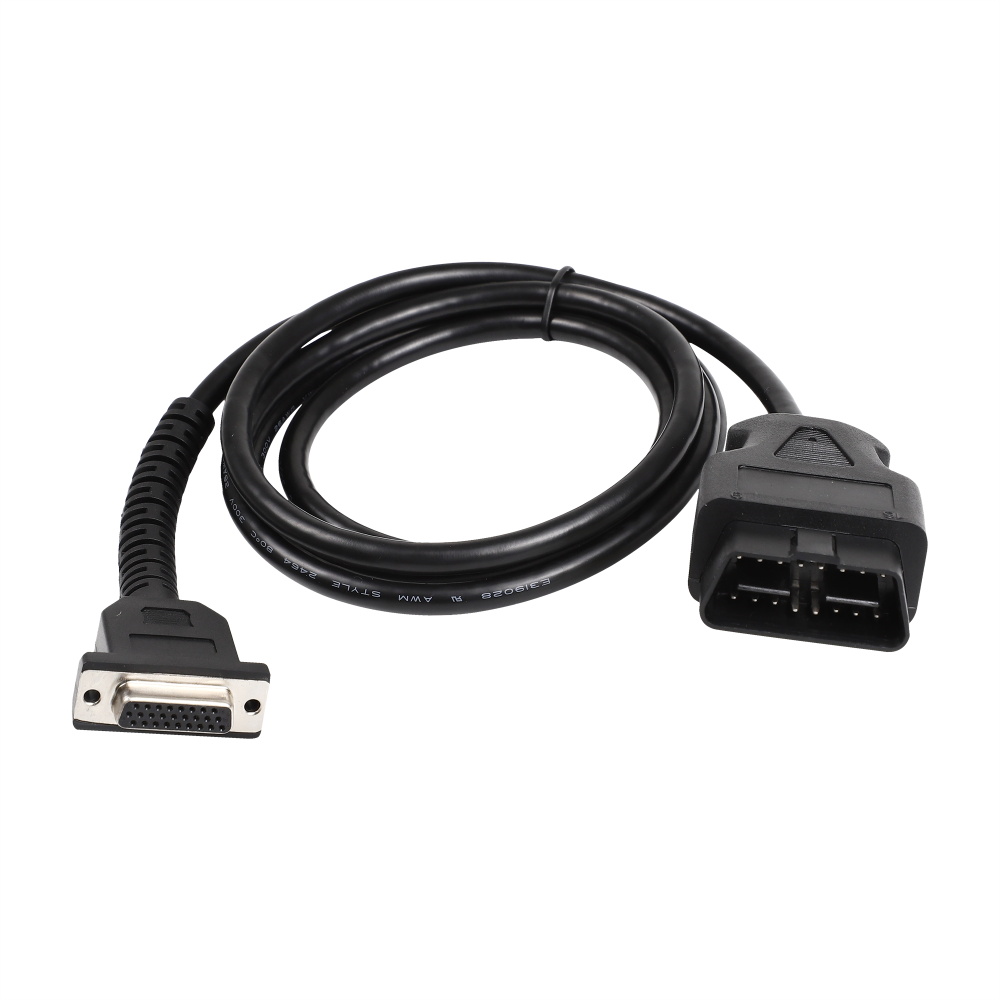
Memilih yang betul Kabel y obd untuk dua peranti adalah keputusan yang secara langsung mempengaruhi ketepatan diagnosis, kebolehpercayaan isyarat, dan jangka hayat alat diagnosis anda. Kabel OBD-Y membahagikan satu port OBD kepada dua sambungan serentak, membolehkan dua peranti diagnosis beroperasi daripada satu port kenderaan secara serentak. Dengan begitu banyak pilihan kabel OBD-Y yang tersedia di pasaran hari ini, mengetahui secara tepat aspek-aspek yang perlu dinilai sebelum membeli adalah penting bagi profesional dan juruteknik armada.
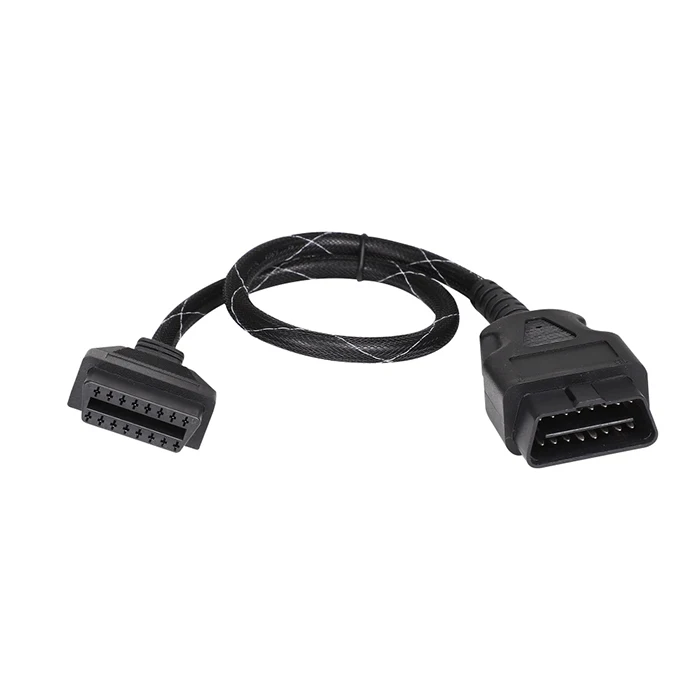
Kabel Y OBD yang tidak sesuai dengan peranti anda boleh menyebabkan ralat komunikasi, penurunan voltan, dan malah kerosakan pada perkakasan diagnostik yang sensitif. Sama ada anda menyambungkan pengimbas bersama modul telematik atau menjalankan dua sistem pemantauan secara serentak, memilih kabel Y OBD yang betul memerlukan perhatian teliti terhadap konfigurasi pin, saiz dawai (wire gauge), kualiti pelindung (shielding), dan ketahanan penyambung. Panduan ini menerangkan kriteria pemilihan yang paling penting supaya anda dapat memilih kabel Y OBD yang tepat untuk aplikasi dwi-peranti khusus anda dengan keyakinan.
Memahami Konfigurasi Pin Kabel Y OBD dan Keserasiannya
Mengapa Susunan Pin Penting untuk Penggunaan Dwiperanti
Asas kepada pemilihan kabel Y OBD yang boleh dipercayai bermula dengan memahami konfigurasi pin. Kabel Y OBD piawai menggunakan susunan penyambung OBD-II 16-pin, tetapi tidak semua pin aktif dalam setiap rekabentuk kabel Y OBD. Apabila anda menyambung dua peranti melalui kabel Y OBD, kedua-dua peranti tersebut berkongsi pin kuasa yang sama, pin tanah yang sama, dan talian bas komunikasi yang sama. Jika kabel Y OBD tidak memetakan setiap pin secara betul ke kedua-dua penyambung keluaran, satu atau kedua-dua peranti mungkin gagal berkomunikasi dengan ECU kenderaan. Sentiasa sahkan bahawa kabel Y OBD yang anda pilih menyokong laluan terus penuh 16-pin untuk kedua-dua keluaran, terutamanya jika peranti diagnostik anda bergantung pada pin khas pengilang di luar bas CAN piawai.
Sokongan Protokol dalam Kabel Y OBD
Kenderaan moden menggunakan beberapa protokol komunikasi termasuk CAN, ISO 9141, KWP2000, dan J1850. Sebatang kabel OBD Y berkualiti mesti menyokong protokol yang diperlukan oleh kedua-dua peranti yang disambungkan tanpa konflik isyarat. Apabila dua peranti berkongsi kabel OBD Y yang sama dan kedua-duanya cuba menginisialisasi komunikasi secara serentak, konflik protokol boleh berlaku jika reka bentuk kabel OBD Y tidak memasukkan isolasi bas yang sesuai atau sokongan arbitrase. Sebelum membeli kabel OBD Y, pastikan protokol yang diperlukan oleh alat diagnosis anda dan sahkan bahawa kabel OBD Y tersebut diklasifikasikan untuk menangani protokol-protokol tersebut tanpa gangguan silang. Memilih kabel OBD Y dengan reka bentuk yang peka terhadap protokol dapat mencegah pelanggaran komunikasi dan melindungi peralatan diagnosis anda.
Menilai Kualiti Binaan dan Ketepatan Isyarat Kabel OBD Y
Saiz Dawai dan Perlindungan dalam Pembinaan Kabel OBD Y
Kualiti pembinaan merupakan salah satu faktor paling penting apabila memilih kabel OBD Y untuk kegunaan profesional. Kabel OBD Y yang menggunakan saiz dawai terlalu kecil akan menimbulkan rintangan yang boleh menyebabkan penurunan voltan pada talian kuasa, seterusnya mengakibatkan operasi peranti menjadi tidak boleh dipercayai. Bagi aplikasi dua peranti, kabel OBD Y mesti mampu membawa arus yang mencukupi untuk menyalakan kedua-dua peranti secara serentak tanpa tekanan haba pada konduktor. Cari kabel OBD Y yang menggunakan pendawaian pasangan terpilin berperisai pada talian data, kerana ini secara ketara mengurangkan gangguan elektromagnetik daripada sistem pencucuh kenderaan, alternator, dan sumber hingar elektrik lain. Kabel OBD Y yang mempunyai perlindungan yang baik memastikan penghantaran data yang stabil walaupun dalam persekitaran berhingar tinggi seperti lori diesel, jentera berat, dan kenderaan hibrid.
Penyambung Ketahanan Rumah dan Sambungan
Kualiti penyambung fizikal kabel OBD Y menentukan sejauh mana ia dapat mengekalkan hubungan secara andal dalam keadaan dunia sebenar. Kabel OBD Y yang kukuh harus menggunakan sambungan berlapis emas atau berlapis nikel di dalam rumah penyambung untuk menghalang pengoksidaan dan memastikan hubungan elektrik yang konsisten selama beribu-ribu kali pemasangan. Rumah luar kabel OBD Y bertaraf profesional harus diperbuat daripada termoplastik gred kejuruteraan yang tahan retak di bawah tekanan mekanikal dan perubahan suhu. Rumah penyambung berkualiti rendah pada kabel OBD Y sering menyebabkan hubungan tidak sekata, yang terutamanya menjadi masalah apabila dua sesi diagnosis dijalankan secara serentak. Pemeriksaan reka bentuk pelepasan tegangan pada kabel OBD Y juga penting, kerana ini melindungi simpulan kabel daripada kerosakan akibat pembengkokan berulang atau tarikan tidak sengaja.
Menyesuaikan Kabel OBD Y dengan Situasi Aplikasi Peranti Dwikutub Anda
Konfigurasi Modul Telematik Scanner Plus
Salah satu senario penggunaan kabel OBD-Y dua-peranti yang paling biasa ialah memadankan pengimbas diagnostik mudah alih dengan modul telematik armada. Dalam konfigurasi ini, kabel OBD-Y mesti membenarkan modul telematik mengekalkan sambungan pasif yang berterusan manakala pengimbas menginisiatifkan sesi diagnostik aktif apabila diperlukan. Pilih kabel OBD-Y yang menyokong sambungan peranti pasif dan aktif secara serentak tanpa menyebabkan modul telematik terputus dari aliran datanya. Sesetengah model kabel OBD-Y dilengkapi port keluaran beralih yang membolehkan satu peranti diberi keutamaan apabila kedua-dua peranti cuba mengakses bus pada masa yang sama. Jenis kabel OBD-Y ini amat bernilai dalam aplikasi pengurusan armada di mana masa operasi (uptime) dan pencatatan data berterusan merupakan keperluan kritikal.
Kes Penggunaan Data Logger Plus Penguji Emisi
Kes penggunaan praktikal lain untuk kabel OBD Y melibatkan penyambungan pencatat data masa nyata bersama peranti ujian emisi semasa alur kerja pemeriksaan kenderaan. Dalam senario ini, kabel OBD Y mesti mampu mengendali permintaan bacaan serentak daripada dua peranti tanpa memperkenalkan kelengahan atau kehilangan bingkai. Kabel OBD Y yang direka khas untuk aplikasi data berfrekuensi tinggi harus menggunakan pendawaian berkapasitans rendah bagi mengekalkan integriti isyarat pada kelajuan bas yang lebih tinggi. Apabila memilih kabel OBD Y untuk tetapan dua peranti jenis ini, pertimbangkan juga panjang kabel, kerana kabel OBD Y yang lebih panjang akan meningkatkan kapasitans talian dan boleh merosakkan kualiti isyarat di hujung jauh. Menjaga panjang kabel OBD Y sependek mungkin secara praktikal sambil masih mampu menjangkau lokasi pemasangan kedua-dua peranti akan membantu mengekalkan prestasi komunikasi yang optimal.
Soalan Lazim
Adakah mana-mana kabel OBD Y mampu menyokong dua peranti diagnosis aktif secara serentak?
Tidak semua kabel Y OBD direka untuk dua peranti yang aktif secara serentak. Ramai model kabel Y OBD asas direka untuk kombinasi pasif ditambah aktif, bukan untuk dua pengimbas sepenuhnya aktif. Sentiasa semak spesifikasi kabel Y OBD untuk mengesahkan sama ada ia menyokong operasi dwi-aktif sebelum membelinya bagi kegunaan tersebut.
Apakah perbezaan antara pembahagi piawai dan kabel Y OBD yang sesuai?
Pembahagi piawai hanya menduplikasi penyambung tanpa mengambil kira arbitrase bas atau pemencilan isyarat, manakala kabel Y OBD yang direka khas direkabentuk untuk menguruskan akses bersama ke bas, melindungi integriti isyarat, dan menyokong keserasian dwi-peranti. Menggunakan pembahagi biasa sebagai ganti kabel Y OBD yang sesuai sering menyebabkan ralat komunikasi dan berpotensi merosakkan peranti yang disambungkan.
Bagaimanakah saya mengesahkan bahawa kabel Y OBD adalah serasi dengan kenderaan dan peranti saya?
Untuk mengesahkan keserasian kabel Y OBD, pertama-tama sahkan bahawa kabel tersebut menyokong varian protokol OBD-II kenderaan anda dan bahawa pemetaan pin sepadan dengan keperluan peranti diagnostik anda. Semak lembaran data kabel Y OBD untuk mengetahui protokol yang disokong, kadar arus, dan sebarang sekatan pemasangan peranti. Pengujian kabel Y OBD dalam persekitaran terkawal sebelum pelaksanaan penuh sentiasa digalakkan apabila menyambungkan perkakasan diagnostik atau telematik yang kritikal.