

 EN
EN
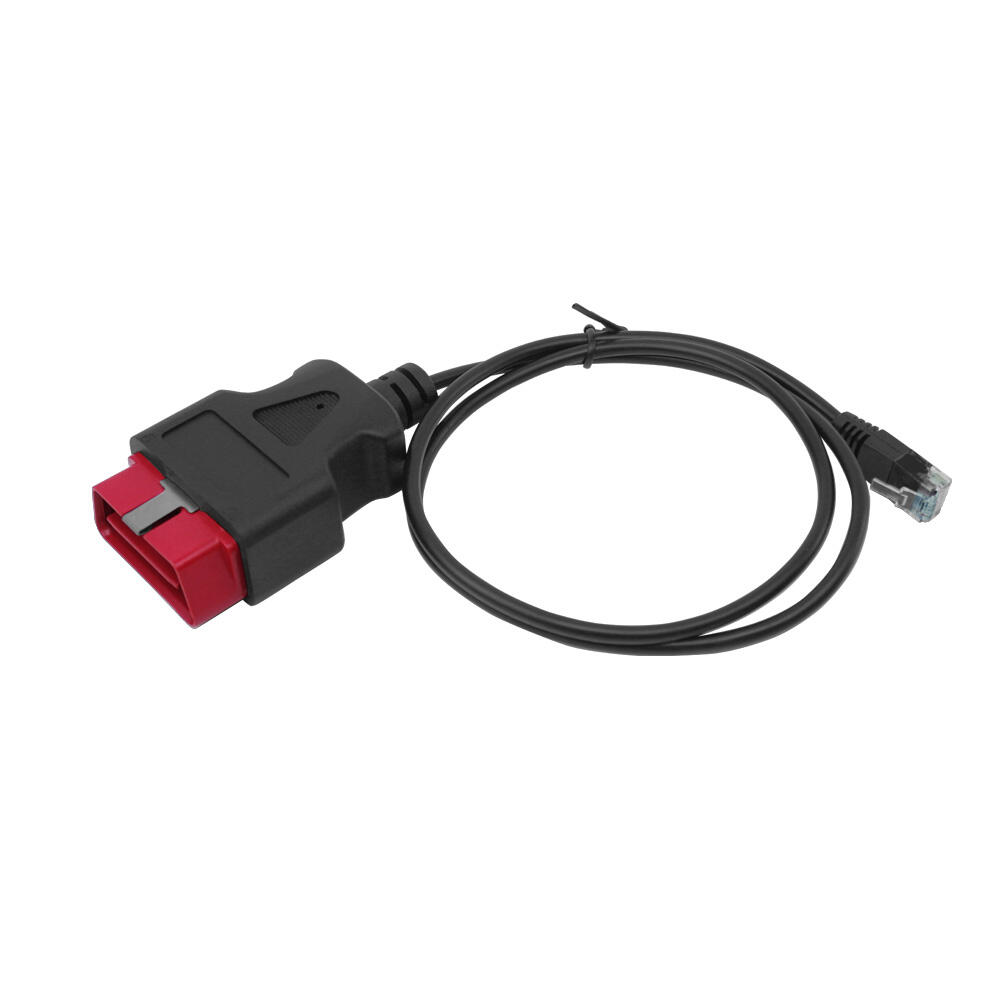
Instrumenta diagnosticia in vehiculis commercialibus, camionibus gravioris oneris, et apparatus industrialibus difficultatem criticam obviant quae saepe praeteritur donec systemata deficiant. Fides communicationis electronicorum diagnosticorum penitus pendet a qualitate et recta terminatione cavi connexionis J1939 quod instrumenta diagnosticia ad systemata controlis vehiculorum connectit. Cum haec cava terminationem rectam desiderant, instrumenta diagnosticia errores communicationis, conexiones intermitentes, et transmissionem incompletam datorum experiunt, quae ad falsam diagnosin et dispendiosum tempus inoperationis ducere possunt.
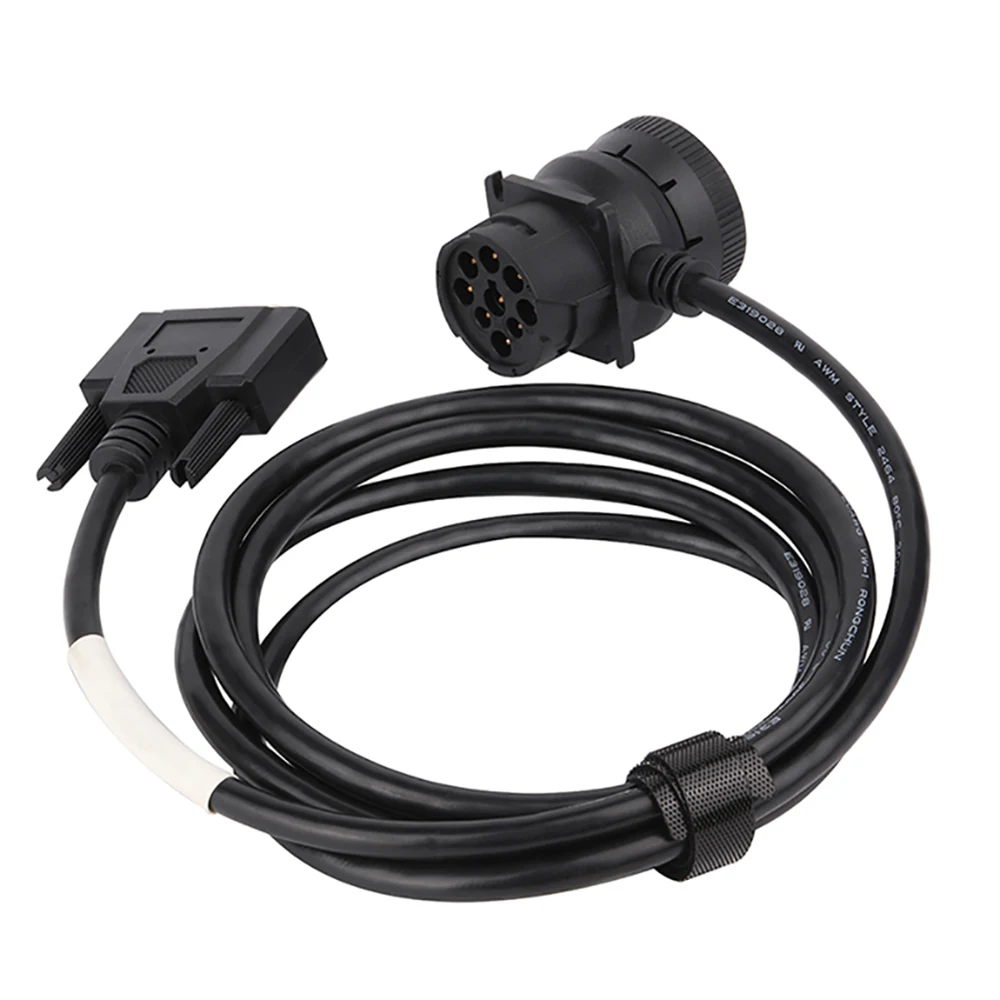
Protocollum J1939 operatur ut robustum norma communicationis speciatim ad applicationes vehiculorum graviorum destinata, sed eius efficacia pendet a servanda rectis proprietatibus electricis per totam catenam connexionis. Sine cableis recte terminatis, instrumenta diagnosticorum stabiliter communicare non possunt cum modulis controlis motoris, moderatoribus transmutationis, et aliis systematibus vehicularibus criticis, quod ad resultata diagnosticorum instabilia et potestiales difficultates de salute ducit.
Requisita Integritatis Signi et Stabilitatis Communicationis
Principia Adaptationis Impedantiae
Cavea coniunctionis J1939 impedantiam characteristicam 120 ohm per totam suam longitudinem servare debet, ut transmissio signorum inter instrumenta diagnosticas et unitates de controllo vehiculorum recte fiant. Hoc imperium congruentiae impedantiae exsistit, quia protocolum J1939 signa differentialis per configurationem parum contortum utitur, ubi signa electrica ut differentiae voltarum inter duos conductores progrediuntur. Cum impeditur congruentia impedantiae propter terminationem inpropiam, reflexiones signorum interferencem creant quae transmissionem datorum corrumpunt et instrumenta diagnosticas ad informationem confusam aut incompletam recipiendam cogunt.
Terminatio recta consistit in ponendo resistores 120-ohm ad utrumque extremum rete J1939, ut energiam signali absorbeant et reflexiones impediant. Instrumenta diagnostica nituntur in signis mundis, sine reflexionibus, ut accurate decodificarent data systematum vehiculorum; et, nisi terminatio recta adhibeatur, haec instrumenta temporum intermissiones in communicatione experiuntur, errores summae controlis, et intermittentes difficultates connexionis quae accuratam diagnostice minuunt.
Designatio pariter intorti („twisted pair“) in qualibet optima J1939 connectione cable naturaliter praebet immunitatem adversus rumorem et integritatem signali servat, sed tantummodo si recte terminetur. Cacula non terminata aut perperam terminata permittunt energiam signali ut retro in rete reflectatur, undas permanentes creans quae transmissioni legitimae datorum obstant et instrumenta diagnostica ad falsam interpretationem informationis systematum vehiculorum impellunt.
Fides Transmissionis Data
Rete J1939 operatur ad velocitatem ducentorum quinquaginta kilobitorum per secundum, transmittens data diagnosticorum vehiculorum critica in praecise temporatis structuris mensagium, quas instrumenta diagnostica accurate capere debent. Cavis connectens j1939 fungitur medium physicum huius communicationis digitalis altius velocitatis, et terminatio recta efficit ut singula data bita ad instrumentum diagnosticum perveniant cum sufficienti vi signi et accurate temporis. Sine recta terminatione, errores bitorum exponencialiter augentur, cogendo instrumenta diagnostica ad repetendas postulationes transmissionum et processum diagnosticum notabiliter retardantes.
Ferramenta diagnosticorum moderna exspectant constantes signorum niveos et temporales proprietates dum cum systematibus vehiculorum per caleum coniunctionis J1939 communicant. Terminus idoneus has proprietates electricas servat, onerem regulatum circuitibus emittentibus praebens, ut niveles voltarum intra specificata manent et transitiones signorum pure fiant. Haec stabilis electricitas ferramentis diagnosticis permittit communicationem synchronam cum pluribus modulis controlis vehiculorum simul servare.
Effectus cumulativus terinationis inidae ultra errores singulorum nuntiorum extenditur ad fidem totius sessionis diagnosticorum. Ferramenta diagnosticorum quae saepius errores communicationis inveniunt, possunt proceduras diagnosticas praemature interrompere, codices defectuum criticos legere non posse, aut informationem de statu systematis incompletam praebere, quae technicos ad conclusiones falsas de conditione vehiculi ducit.
Topologia Retei et Architectura Coniunctionis
Configuratio Retei Bus
Systema communicationis J1939 utitur topologia bus lineari, ubi plura unitatum electronicarum de controllo ad communem cavi dorsalem connectuntur, et instrumenta diagnosticorum in hanc rete iam existentem integranda sunt sine perturbatione operationum normalium vehiculi. Cavis connexions J1939, quae instrumenta diagnosticorum ad rete vehiculi iungunt, pars fit huius systematis communicationis distributi, et terminatio recta efficit ut instrumentum diagnosticum quasi legittimus particeps rete appareat, non autem ut fons interference electricae.
Singulae unitates de controllo electronicis in rete J1939 habent proprias proprietates intrantis et extrantis quae ad impeditantiam totius rete conferunt; et additio instrumenti diagnosticorum per cavi connexi non recte terminati potest has proprietates electricas ita mutare ut defectus communicationis in toto systemate vehiculi oriantur. Terminus rectus stabilitatem rete servat, praebens onus electricum idoneum systematibus vehiculi iam existentibus, simul vias certas pro commutatione datorum diagnosticorum suppeditans.
Puncta connexionis physicae, ubi instrumenta diagnosticia cum retibus vehiculorum J1939 interagunt, diligentiam exigit in terminatione cavi, quoniam hae connexiones saepe sunt puncta infirmiora in catena communicationis. Cavum connexionis J1939 recte terminatum certum facit ne integratio instrumenti diagnosticis reflexiones signorum, rumorem aut discontinuitates impeditantis inducat, quae communicationem inter praesentes modulos controllos vehiculorum afficere possint.
Considerationes de Connexionibus Multi-Drop
Vehicula commercialia saepe retia J1939 complexa habent, cum multis ramis et punctis connexionis, ubi instrumenta diagnosticorum communicationes instituere debent sine ulla interruptione operationum vehicularium currentium. Cavo connexionis J1939 ad accessum diagnosticum utendo accommodare oportet has configurationes multi-drop, simul servans terminationem electricam propriam ad interfaciem instrumenti diagnosticorum. Terminationes impropriae in quolibet puncto connexionis reflexiones signorum creare possunt, quae per totum rete propagantur, fidem communicationis omnium dispositivorum connexorum afficientes.
Instrumenta diagnosticia per bene terminatos cables connecta rete spectare possunt, in commutatione nuntiorum participare, et ad data systematum vehiculorum accedere, sine interruptione fluxus communicationis inter modulos controllos iam existentes. Haec operatio non-intrusiva requirit ut cavo connexionis J1939 propriae characteristicae electricae rete praebere possint, quod solum per technicas terminationis idoneas fieri potest, quae naturam distributam systematum communicationis vehiculorum considerent.
Structura ramificata retium J1939 in vehiculis modernis plures vias signales et puncta reflexionis potestiale creat, quare terminatio recta cavorum connexionis diagnosticarum adhuc magis critica fit. Una sola connexio diagnostica male terminata problemata integritatis signali creare potest quae fidem communicationis per totum rete vehiculare afficiant, et alios modulos controllos errores communicationis pati aut in statum defectus ingredi facere possunt.
Interferentia Electrica et Immunitas ad Rumorem
Reiectio Modi Communis
Durum ambientem electricum quod in vehiculis commercialibus invenitur magnam interfectionem electromagneticam generat ex alternatoribus, motoribus electricis, commutantibus subministrationibus electricis, et fontibus radii frequentialibus, quae signa communicationis diagnosticarum opprimere possunt. Cavo coniunctionis J1939 recte terminato reiectio modi communis maximizatur, dum transmissio signorum aequilibrata servatur, ubi rumor utrumque conductorem aequaliter afficit et in circuitu accipiente exstinguitur. Sine recta terminatione haec configuratio aequilibrata deterioratur, ita ut rumor data diagnostica corrumpat et errores communicationis efficiat, qui analysin accuratam systematum vehicularium prohibent.
Instrumenta diagnosticorum in receptione signi mundi dependunt, ut missa J1939 accurate decodificentur, et reiectio modi communis, quam cavi bene terminati praebent, certam facit ne interventus electricus externus data legitima systematis vehicularis vel obtegat vel distorqueat. Significatio differentialis, quae in communicatione J1939 insita est, excellentem immunitatem adversus rumorem praebet, sed tantummodo cum cavis connexionis aequilibrii electrici proprii per rectas praxes terminationis conservantur.
Systemata electrica vehiculorum interfectionem continuam generant ex systematibus accensionis, circuitibus injectionis carburantis, et modulis gestionis potentiae, quae in cavis diagnosticis male terminatis induci possunt et signa falsa creare aut transmissionem legittimorum datum corrumpere. Terminus idoneus cavi coniunctionis J1939 efficit ut hae interfectiones non possint qualitatem communicationis diagnosticarum notabiliter impedicere, ita ut instrumenta diagnostica contactum firmum cum systematibus controlis vehiculorum servare possint etiam in ambientes electricis perturbatis.
Praeventio Circuli Terrae
Coniunctio inter instrumenta diagnosticas et retia vehiculorum J1939 creat potestiales circuitus terrae, ubi currere potest currentis per vias non intendas, generans rumorem et distortionem signali quae interpellant fidem communicationis. Terminus idoneus cavi coniunctionis J1939 includit curam de practicis terrae faciendae, quae istos circuitus currentis prohibent dum tamen servatur securitas electrica et integritas signali quae ad exactas operationes diagnosticas requiruntur. Circuitus terrae causare possunt offset voltages qui signorum niveles transferunt extra limites acceptabiles, ita ut instrumenta diagnostica data male interpretentur aut communicationem omnino amittant.
Instrumenta diagnosticorum moderna includunt circuitus ingressus peritos, qui ad difficultates electricas communicationis inter retia vehiculorum sunt comparati; sed hi circuitus necessitant cables coniunctionis recte terminatos, ut optime operentur. Currentes buccae terrae per cables inrecte terminatos fluentes amplificatores ingressus saturare possunt, voltages bias inducere, et distortionem signi creare, quae instrumenta diagnosticorum impedit, ne data systematum vehiculorum accurate capiant.
Systemata terrae distributa, quae in vehiculis commercialibus inveniuntur, plures puncta referentiae creant, quae differentias potentialis terrae producere possunt; et hae variationes voltarum per cables inrecte terminatos in vias communicationis diagnosticorum influere possunt. Terminus recte factus cassis coniunctionis J1939 praebet isolationem propriam et controllem referentiae, quae impediat interferencem ex terra ortam, ne qualitatem communicationis diagnosticorum afficiat.
Effectus in Performance et Accuratitudine Instrumenti Diagnosticorum
Fides Receptionis Nuntiorum
Instrumenta diagnosticorum capere et decodificare debent milia missivorum J1939 in sessionibus diagnosticis typicis; et unumquodque missivum informationem criticam continet de statu systematum vehiculi, codicibus defectuum, et parametris operationis, quae technici ad accuratam aestimationem vehiculi utuntur. Caleus coniunctionis j1939 fungitur via physica pro his missivis; et terminatio recta efficit ut instrumenta diagnosticorum data integra et incorrupta accipiant, quae conclusiones diagnosticas fideles subtegant. Calei male terminati errores binarios, tempora exspectationis missivorum, et transmissiones inperfectas inducunt, quae instrumenta diagnosticorum possunt impedire ut informationem criticam de defectibus praetermittant aut conditiones systematum vehiculi perperam interpretentur.
Natura temporis-critica communicationis J1939 exigit ut instrumenta diagnosticia praecise synchronizentur cum modulis controlis vehiculorum, et haec synchronizatio pendet a qualitate signali constante, quae a cavis connexionis recte terminatis praebetur. Cum problemata terminationis causent reflexiones signali aut injectionem rumoris, instrumenta diagnosticia synchronisationem amittere possunt et nullo modo iuste decodere possunt, quod ad data diagnostica incompleta ducit, quae ad falsam diagnosin et inutiles operationes reparationis perducunt.
Vehicula moderna informationem diagnosticam transmitunt in complexis sequentiis messagiorum, quas instrumenta diagnosticia totas capere debent, ut analysin significativam valetudinis systematum vehiculorum praebere possint. Cavum connexionis J1939 recte terminatum certificat ut hae sequentiae messagiorum ad instrumenta diagnosticia cum sufficienti integritate signali perveniant, ut accurata decodificatio et interpretatio subleventur, qua technici vera problemata identificare possint, non autem falsa monita, quae ex defectibus communicationis oriuntur, persequantur.
Accuratio Codicum Defectuum
Moduli vehiculi de controllo servent codices diagnosticos defectuum qui systematum malfunctiones specificas indicant, et instrumenta diagnostica hos codices accurate extrahere debent ut proceduras reparationis efficaciter dirigant. Via communicationis inter modulos vehiculi de controllo et instrumenta diagnostica in catena i1939 coniunctionis nititur ut integritas signi per totum processum extractionis codicum servetur, et terminatio recta certam transfusionem codicum defectuum sine corruptione aut amissione efficit. Catene male terminatae transmissionem partialem codicum, valores codicum incorrectos, aut defectus communicationis causare possunt, quae instrumenta diagnostica prohibent ut ad informationem criticam de defectibus accedant.
Formatum codicum diagnosticorum de defectu, quod in retibus J1939 utitur, plura continet campos datorum, qui informationem exactam de condicionibus defectus praebent, inter quos frequentia defectus, gradus gravitatis et circumstantiae apparitionis. Instrumenta diagnostica ad informationem defectuum integram per cables coniunctionis recte terminatos accipiendam dependunt, ut technicis directionem diagnosticam efficacem praebere possint. Cum problemata terminationis corruptionem datorum efficiunt, instrumenta diagnostica fortasse registra defectuum incompleta accipiunt, quae non satis copiosam informationem pro efficaci investigatione defectuum habent.
Codices fault activi, qui indicant problemata systematum vehiculi in cursu, requirunt communicationem in tempore reali inter modulos de controllo et instrumenta diagnosticorum; et haec permutatio continua dati exigit qualitatem signi constantem, quae praebetur a cableis recte terminatis. Interruptiones communicationis, quae causantur a defectibus terminationis, possunt impedire instrumenta diagnosticorum ne active faulta observent efficaciter, ita ut problemata critica systematum vehiculi potuerint inexplorata manere dum procedurae diagnosticorum fiunt.
FAQ
Quid accidit cum cavo coniunctionis J1939 desideratur terminatio recta?
Cum cavo coniunctionis J1939 desideratur terminatio recta, instrumenta diagnosticorum experiuntur reflexiones signi, quae errores communicationis, coniunctiones intermittentes et transmissionem dati incompletam causant. Haec problemata apparent ut tempus exspectationis diagnosticum, nuntii confusi et repetitio codicum fault non fidens, quae ad falsam diagnosin et ad tempus longius investigandi ducere possunt.
Quomodo terminatio impropra accuratiam instrumentorum diagnosticorum afficit?
Terminatio impropra deteriorat qualitatem signali et inducit rumorem electricum qui facit ut instrumenta diagnostica data systematum vehicularium corrupta accipiant. Haec corruptio potest ad codices defectus desideratos, ad lectiones statuum systematis incorrectas, et ad conclusiones diagnosticas falsas ducere, quae technicos ad reparations inutiles perficiendas aut ad vera problemata vehiculorum praetermittenda impellunt.
Possuntne sessiones diagnosticae continuare cum cavis J1939 partim terminatis?
Licet sessiones diagnosticae cum cavis partim terminatis videre videantur functionem habere, fiducia communicationis notabiliter minuitur, quod ad intermissiones amissionis conexionis et ad capturam incompletam datorum ducit. Haec problemata saepe tempore augentur, dum interventus electricus accumulatur, tandem impedientes ut instrumenta diagnostica communicationem stabilem cum systematibus controlis vehicularibus servare possint.
Cur vehicula commercialia robustiorem terminationem cavorum J1939 postulant?
Vehicula commercialia in locis electricis asperis operantur, ubi altus gradus interfectionis electromagneticae ex potenteris systematibus electricis oritur, quare apta terminatio cuniculorum essentialis est ad fidem communicationis servandam. Rete complurimum J1939 in his vehiculis etiam multiplices vias signorum creat, ubi terminatio impropria problemata communicationis per totum rete generare potest, quae simul plura systemata vehiculi afficiunt.
Index Contentorum
- Requisita Integritatis Signi et Stabilitatis Communicationis
- Topologia Retei et Architectura Coniunctionis
- Interferentia Electrica et Immunitas ad Rumorem
- Effectus in Performance et Accuratitudine Instrumenti Diagnosticorum
-
FAQ
- Quid accidit cum cavo coniunctionis J1939 desideratur terminatio recta?
- Quomodo terminatio impropra accuratiam instrumentorum diagnosticorum afficit?
- Possuntne sessiones diagnosticae continuare cum cavis J1939 partim terminatis?
- Cur vehicula commercialia robustiorem terminationem cavorum J1939 postulant?