

All Categories

Get a Free Quote

Our representative will contact you soon.
Email
Name
Company Name
Message
0/1000

What are the distinct advantages of an adapter harness?

2026-06-08 16:52:00
What are the distinct advantages of an adapter harness?

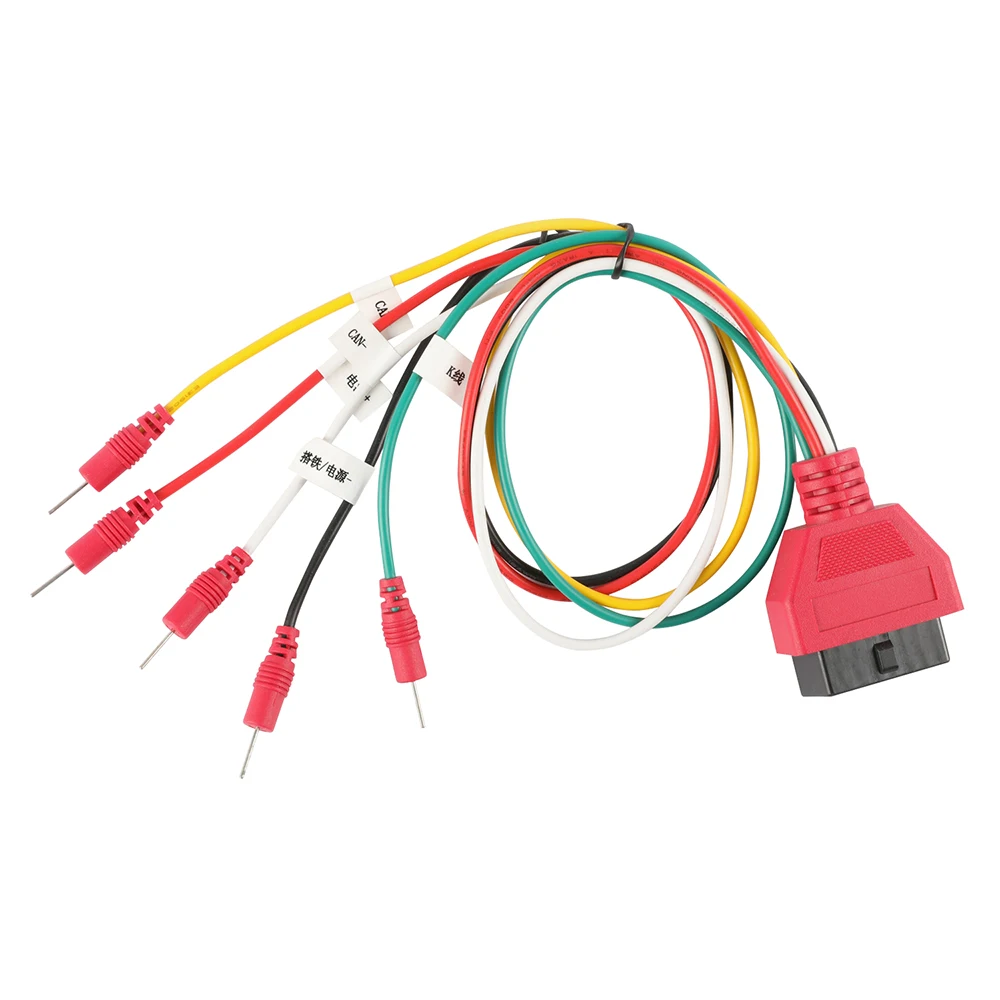
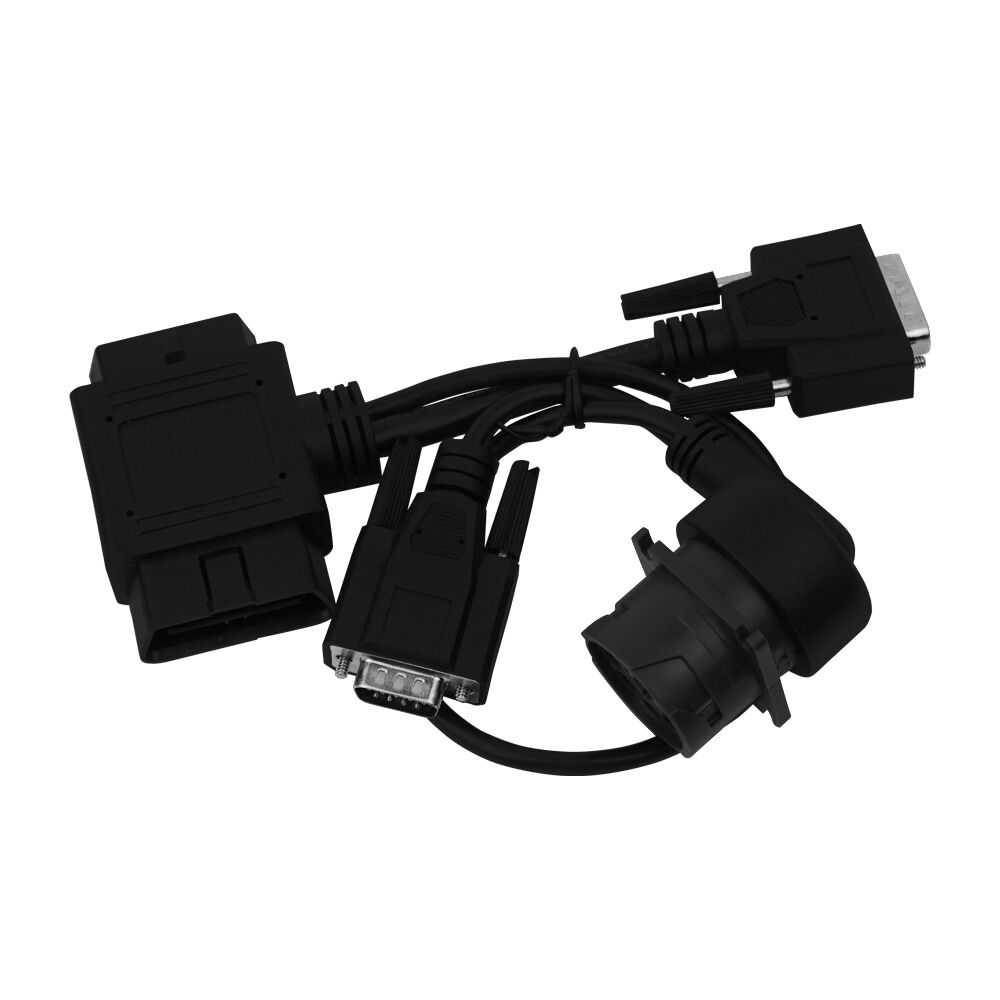
An adapter harness is a purpose-built wiring assembly designed to bridge different electrical connectors, systems, or protocols without permanent modification to the original circuit. In automotive and industrial applications, the adapter harness serves as an intermediary layer that enables fast, reliable connectivity between devices that were not originally designed to communicate directly. Understanding the distinct advantages of an adapter harness helps engineers, fleet managers, and technicians make better decisions when selecting diagnostic or integration tools.

adapter harness

The adapter harness is increasingly valued across B2B sectors because it reduces complexity, protects original equipment, and accelerates deployment timelines. Whether used in OBD2 vehicle diagnostics, industrial machinery integration, or fleet management systems, the adapter harness delivers a combination of practical and economic benefits that few alternative wiring solutions can match. This article examines those advantages in depth, covering compatibility, durability, and operational efficiency.

Compatibility and Flexibility Benefits of an Adapter Harness

Bridging Diverse Connector Standards

One of the most compelling advantages of an adapter harness is its ability to connect systems that rely on different connector standards. In the automotive sector alone, dozens of OBD connector variants exist across manufacturers and model years. An adapter harness resolves these differences by providing the correct pin mapping, voltage tolerance, and signal routing required for each specific pairing. This means a single diagnostic tool can work across multiple vehicle platforms without needing a dedicated cable for every configuration.

The adapter harness approach is far more scalable than redesigning connectors or rewiring vehicles. A technician working across a mixed fleet can carry a compact set of adapter harness units, each pre-configured for a particular make or protocol. This flexibility dramatically reduces the tools and time needed on the job, making the adapter harness a practical investment for any service operation that handles diverse equipment.

Protocol and Signal Compatibility

Beyond physical connectors, an adapter harness can be engineered to support multiple communication protocols simultaneously. When a diagnostic system must interface with both legacy CAN-bus networks and newer LIN or Ethernet-based systems, the adapter harness provides the necessary signal conditioning and routing. This protocol-level flexibility is critical for businesses managing mixed-generation fleets or equipment inventories. The adapter harness removes the need for separate interface units for each protocol, consolidating functionality into a single, organized assembly.

Protection and Reliability Advantages of an Adapter Harness

Preserving Original Equipment Integrity

A major advantage of using an adapter harness is that it protects the original vehicle or equipment wiring from direct modification. Rather than splicing into factory harnesses, which can void warranties and introduce failure points, the adapter harness connects non-destructively to existing ports. This preserves the integrity of the original electrical system and ensures that removing the adapter harness restores the system to its factory state. For fleet operators and equipment managers, this non-invasive approach significantly reduces liability and maintenance risk.

The adapter harness also acts as a protective buffer between sensitive ECUs and external diagnostic devices. Surge protection, proper grounding, and shielded cabling within a quality adapter harness reduce the risk of electrical noise or voltage spikes reaching critical control units. This makes the adapter harness an important safeguard in environments where electrical interference is a common challenge, such as heavy-duty transport or industrial workshop settings.

Durability in Demanding Conditions

A professionally manufactured adapter harness is built to withstand the physical and environmental demands of regular industrial use. High-quality insulation materials, reinforced connector housings, and strain-relief designs give the adapter harness a service life that far exceeds improvised wiring solutions. In automotive workshops, the adapter harness must endure frequent connection and disconnection cycles, exposure to oils and solvents, and varying temperatures. Purpose-built adapter harness assemblies are engineered specifically for this kind of sustained operational stress, ensuring consistent performance over time.

Operational Efficiency Gains from an Adapter Harness

Reducing Diagnostic and Installation Time

Time efficiency is one of the most immediate advantages a well-designed adapter harness delivers to workshop and field service teams. When a technician needs to interface a diagnostic tool with a vehicle or machine, a plug-and-play adapter harness eliminates the steps of identifying pin layouts, sourcing custom cables, and testing connections manually. The adapter harness arrives pre-wired, tested, and ready to use, allowing the technician to connect, diagnose, and proceed without delay. This speed advantage compounds across a busy service operation, where dozens of diagnostic sessions may be conducted each day.

The adapter harness also simplifies training requirements. Because the adapter harness is designed for specific connection scenarios, less-experienced staff can use it correctly without deep knowledge of underlying wiring schematics. This standardization reduces errors and shortens the onboarding curve for new technicians, which is a meaningful operational benefit for growing service businesses.

Cost Efficiency and Inventory Simplification

From a procurement perspective, standardizing on an adapter harness system reduces overall inventory complexity. Instead of stocking a broad range of specialized cables for every vehicle or machine variant, a business can maintain a structured library of adapter harness units that cover a wide application range. The adapter harness approach lowers per-connection cost over time because each unit can be reused across multiple service events. Fewer connection errors also mean fewer repeat visits and warranty claims, adding further value to the adapter harness investment.

FAQ

What makes an adapter harness different from a standard extension cable?

An adapter harness is specifically engineered to match pin configurations, signal requirements, and communication protocols between two distinct systems. A standard extension cable simply extends an existing connection without any signal conditioning or pin remapping. The adapter harness delivers intelligent connectivity, not just physical length, making it suited for complex diagnostic and integration tasks.

Can an adapter harness be used across different vehicle brands?

Yes, the adapter harness is commonly designed to support multiple vehicle brands by providing the correct pin mapping and protocol support for each manufacturer's connector standard. A single adapter harness or a small set of adapter harness units can cover a broad range of makes and models, which is why it is a preferred solution for multi-brand fleet service operations.

How do I know if an adapter harness is compatible with my diagnostic tool?

Compatibility depends on the connector type, pin count, and communication protocol supported by both your diagnostic tool and the target vehicle or system. Always verify the adapter harness specifications against both ends of the connection before purchasing. A reputable adapter harness supplier will provide detailed compatibility documentation and technical support to help you select the right assembly for your specific application.