

 EN
EN
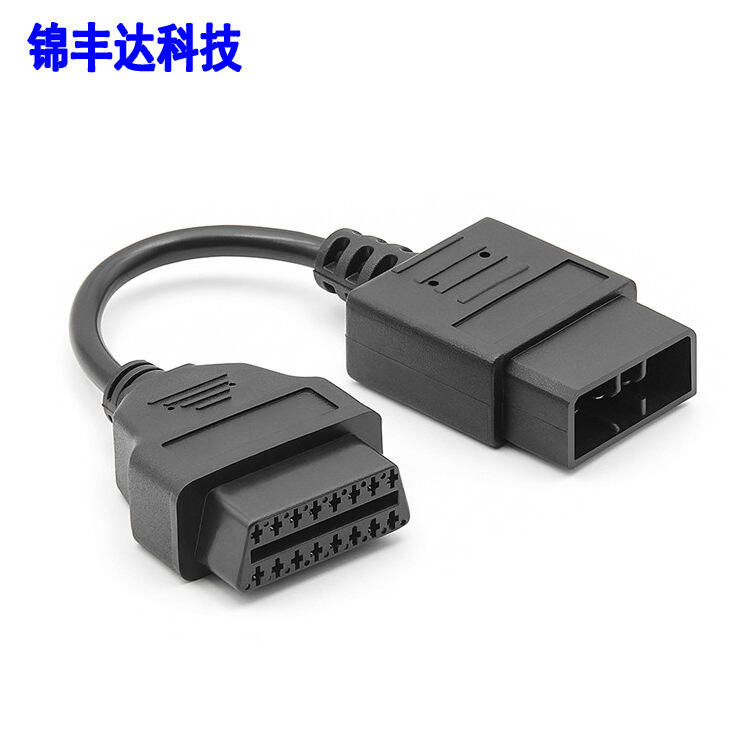
העיצוב המודולרי של רתמת החיווט של טסלה מייצג גישה מהפכנית למערכות חשמל ברכב, אשר משנה באופן מהותי את האופן שבו טכנאים ניגשים לאבחון תקלות. בניגוד למערכות חיווט מונוליטיות מסורתיות, בהן מעגלים בודדים שזורים זה בזה ברחבי הרכב, הארכיטקטורה המודולרית של טסלה מחלקת פונקציות חשמליות למודולים נפרדים המחוברים זה לזה, שניתן לבודד, לבדוק ולהחליף אותם באופן עצמאי. פילוסופיית עיצוב זו מטפלת באחד האתגרים העקשניים ביותר בתחזוקת רכב: התהליך הגוזל זמן ומורכב של אבחון תקלות חשמליות במערכות רכב מתוחכמות יותר ויותר.
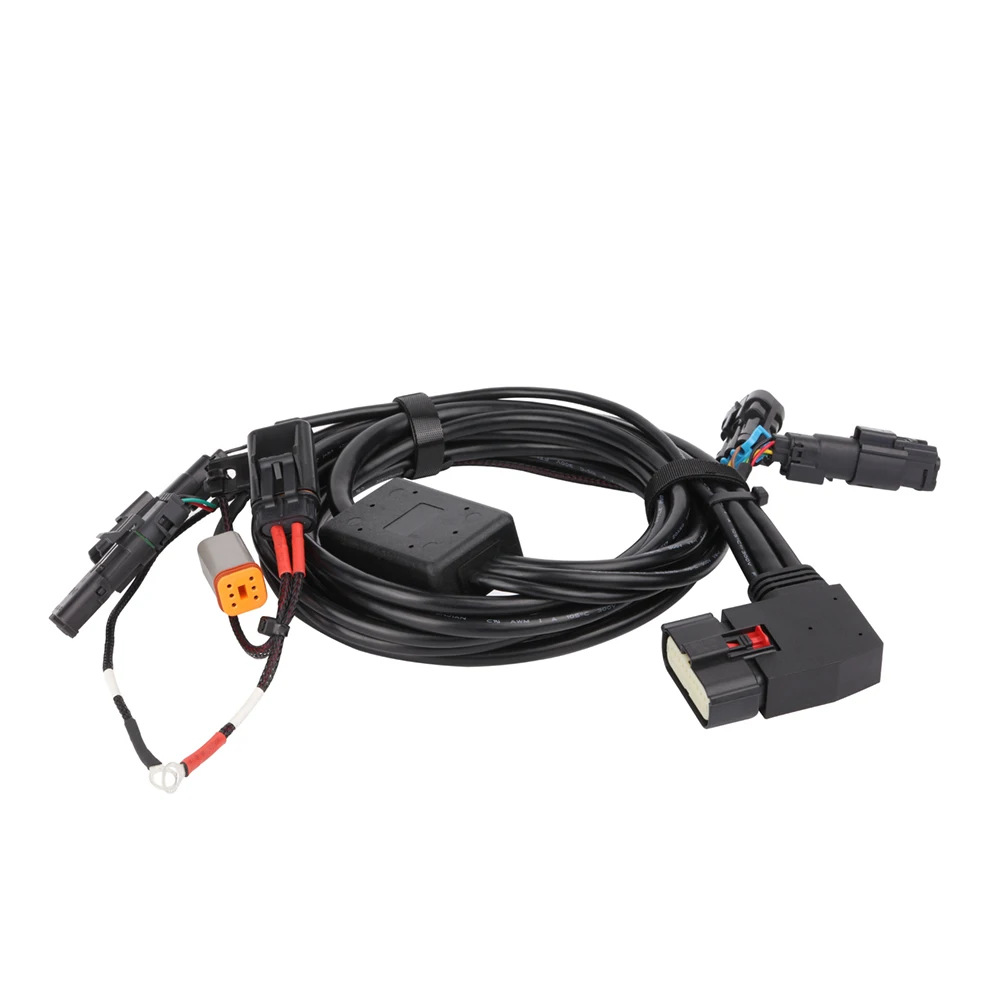
היתרונות האבחנתיים של תכנון הכבלי החיווט המודולרי של טסלה יוצאים далеко מעבר להחלפה פשוטה של רכיבים. כל מודול בתוך מערכת כבלי החיווט של טסלה פועל כיחידה עצמאית עם פרוטוקולי תקשורת סטנדרטיים, מה שמאפשר לטכנאים לבודד במהירות מעגלים בעייתיים ללא השפעה על פעולת מערכות אחרות ברכב. גישה אדריכלית זו מקצרת את זמן האבחון ממספר שעות למספר דקות ברוב המקרים, ובמקביל מפחיתה את הסיכון להכניס תקלות משניות במהלך הליכי האבחון. המבנה המודולרי תומך גם בשימוש בכלים אבחנתיים מתקדמים ומערכות זיהוי תקלות מבוססות תוכנה שיכולים לאתר בעיות בדיוק חסר תקדים.
אדריכלות מודולרית והבדלת מערכות
חלוקה עצמאית למעגלים
הכבל החשמלי של טסלה משתמש בגישה מקוטעת, שבה כל מערכת עיקרית של הרכבת פועלת דרך מודולים מיוחדים שמשמרים את העצמאות החשמלית שלהם, תוך שיתוף ממשקים תקניים للتקשורת. הקיטוע הזה מאפשר לטכנאים לנתק מודולים ספציפיים ללא הפרעה לתפקוד של מערכות שאינן קשורות, ויוצר גבולות אבחנתיים ברורים שמקלים על זיהוי התקלות. לדוגמה, מודול בקרת האקלים בכבל החשמלי של טסלה יכול להיות מנותק לחלוטין מהמערכת לניהול התחנה, מה שמאפשר ביצוע הליכי אבחון ממוקדים ללא הסיבוכיות של הפרעות בין מערכות.
כל מודול כולל יכולות אבחון מובנות שמבוצעות באופן רציף כדי לפקח על שלמות המעגל, על רמות המתח ועל מצב התקשורת. כאשר מתרחשת תקלה בכל קטע של כבל החיווי של טסלה, המודול הנפגע מייצר קודים ספציפיים לאבחון שמייצגים במדויק את סוג התקלה ואת מיקומה. יכולת האבחון העצמית הזו מאפסת את רוב הניחושים שקשורים מסורתיות לאבחון תקלות חשמליות, מכיוון שטכנאים יכולים לגשת מיד למידע מפורט על התקלות ללא צורך בביצוע נהלים ידניים מורכבים לבדיקות.
פרוטוקולי חיבור סטנדרטיים
התכנון המודולרי של כבל החיווי של טסלה משתמש בפרוטוקולי חיבור סטנדרטיים שמבטיחים תקשורת עקיבה בין המודולים ללא תלות בפונקציות הספציפיות שלהם. פרוטוקולים אלו כוללים גם סטנדרטים פיזיים של מחברים וגם תבניות תקשורת דיגיטליות שמאפשרות אינטגרציה חלקה של מודולים להחלפה ללא הליכי 재כיול מורכבים. הסטנדרטיזציה מתפשטת גם למשרדי האבחון, מה שמאפשר לטכנאים להשתמש בכלים אבחנתיים נפוצים בכל המודולים בתוך מערכת כבל החיווי של טסלה.
סטנדרטיזציה זו מפחיתה באופן משמעותי את עקומת הלמידה לטכנאים העובדים על רכבי טסלה, מאחר שההליכים והכלים האבחנתיים זהים עבור מספר מודולים של המערכת. העיצוב העקבי של הממשק בתוך כבל החיווי של טסלה מפחית גם את הסיכון לחיבורים שגויים בעת החלפת מודולים, מכיוון שכל סוג מחבר מעוצב במיוחד כדי למנוע התקנות לא תואמות שיכולות לגרום לפגיעת המערכת או לסיכונים לביטחון.
יכולות אבחון מתקדמות
מערכת ניטור תקלות בזמן אמת
הכבל החשמלי של טסלה כולל מערכות ניטור מתקדמות שמביאות את מצב הפעולה של כל מעגל בכל מודול באופן רציף. יכולת הניטור בזמן אמת הזו מאפשרת זיהוי מיידי של תקלות מתפתחות לפני שהן גורמות לתקלות מערכת מלאות, מה שמאפשר התערבות תקינה מוקדמת שמונעת תקלות יקרות. מערכות הניטור שבכל מודול של הכבל החשמלי של טסלה רושמות נתוני פעולה מפורטים שניתן לגשת אליהם דרך ממשקים אבחנתיים, ומספקות לטכנאים מידע היסטורי מקיף על ביצועי המערכת ודפוסי התקלות.
יכולות המonitoring הרציף של קבלי החיווט של טסלה עולמות מעבר לגילוי תקלות פשוט: הן כוללות גם תכונות ניתוח חיזוי שזוהות רכיבים המתקרבים לגבולות הפעולה שלהם. יכולת החיזוי הזו מאפשרת לצוותי התיקון לתכנן את ההחלפות במרווחי שירות נוחים, במקום להגיב לתקלות בלתי צפויות. הנתונים שנאספים על ידי מערכות המוניטורינג תורמים גם לשיפור האמינות לאורך זמן, בכך שהם מזהים דפוסי תקלות חוזרים שניתן להתמודד עמם באמצעות שינויים בעיצוב או הליכי תחזוקה מונעת משופרים.
אבחון מובנה בתוכנה
מערכות כבליות מודרניות של טסלה מתמזגות באופן חלק עם פלטפורמות תוכנת אבחון מתקדמות שמספקות לטכנאים ממשקים אינטואיטיביים לגישה למידע על תקלות, ביצוע הליכי אבחון מונחים ואמת את יעילות התיקון. מערכות התוכנה הללו מנצלות את נתוני האבחון המפורטים שנוצרים על ידי כל מודול כדי ליצור מפות מערכת מקיפות שמציגות חזותית את מצב הפעולה של כל כבל חשמל של טסלה הרשת בזמן אמת.
יכולות האינטגרציה התוכנית מאפשרות הליכי אבחון מרוחקים שמאפשרים למומחי תמיכה טכנית לסייע לטכנאים בשטח בזמן אמת, תוך גישה לאותו מידע אבחוני ולאותם מסכי סטטוס של המערכת. יכולת הרחוק הזו משפרת משמעותית את יעילות האבחון, במיוחד עבור תקלות מורכבות הדורשות מומחיות מיוחדת או גישה לإجراءات אבחון מעודכנות שאולי לא זמינות מיד לטכנאים באתר.
אופטימיזציה של תהליך האבחון
הליכים שיטתיים לזיהוי תקלות
הארכיטקטורה המודולרית של כבל החיווט של טסלה מאפשרת הליכי זיהוי תקלות שיטתיים העוקבים אחר עצים לוגיים לאבחון, אשר מבוססים על פונקציונליות המערכת ולא על מעקב פיזי אחר חוטים. הטכנאים יכולים להתחיל את הליכי האבחון על ידי זיהוי המודול המדווח על התקלות, ולאחר מכן להתמקד בחקירת המעגלים והרכיבים הספציפיים בתוך אותו מודול. גישה זו מבטלת את הצורך בהליכים מורכבים למעקב אחר חוטים, שהיו נפוצים במערכות החשמל האוטומטיות המסורתיות.
יכולות הבודד השיטתיות של עיצוב חבל החיווט של טסלה תומכות גם בإجرויי אבחון מקבילים, שבהם ניתן לבדוק מספר מודולים בו זמנית ללא הפרעה. יכולת האבחון המקביל הזו מפחיתה באופן משמעותי את זמן האבחון הכולל לתקלות חשמליות מורכבות שעלולות להשפיע על מערכות רבות, כיוון שטכנאים יכולים לקבוע במהרה אילו מודולים פועלים כראוי ולמקד את תשומת לבם באזורים שבאמת נפגעים.
דיוק אבחוני ברמת הרכיב
כל מודול בתוך מערכת הכבלי החיווט של טסלה מספק מידע אבחנתי ברמה של רכיבים המזהה חיישנים, מציאות או אלמנטים של מעגל ספציפיים שמתמודדים עם תקלות. דיוק זה מבטל את הגישה המסורתית של ניסוי וטעייה באבחון בעיות חשמל, שבה טכנאים עלולים להחליף מספר רכיבים לפני זיהוי המקור האמיתי של הבעיה. הדיוק ברמה של רכיבים גם מפחית את עלויות ההחלפה הלא נחוצות של חלקים וממזער את זמן העצירה של הרכבת במהלך פעולות התיקון.
יכולות הדיוק האבחוני של קבלי החיווט של טסלה משתרעות לאיתור תקלות בודדות, כאשר המודולים יכולים לקלוט ולשמור מידע על תקלות גם עבור בעיות שמופיעות באופן אקראי. יכולת זו היא ערך מוסף מיוחד בעת אבחון בעיות חשמליות מסתוריות שעשוי שלא להופיע במהלך ישיבות אבחון מתוכננות, כיוון שהנתונים המאוחסנים על התקלות מספקים לטכנאים מידע מפורט על התנאים והזמן שבו התרחשו הבעיות הבודדות.
יעילות תחזוקה ויתרונות עלות
הפחתת דרישות הזמן לאבחון
העיצוב המודולרי של כבל החיווט של טסלה מפחית באופן דרמטי את הזמן הנדרש לאבחון מערכת החשמל, על ידי הסרת חלק גדול מההליכים הידניים לבדיקות שעד כה נדרשו לזיהוי תקלות. במקום לבדוק באופן שיטתי מעגלים בודדים באמצעות מד-רב-פונקציות ומשתנים, הטכנאים יכולים לגשת למידע אבחוני מקיף ישירות מהמודולים הפגועים, ולעיתים קרובות זיהוי מיקום התקלות תוך דקות בודדות במקום שעות. הפחתת הזמן הזו מתורגמת ישירות להפחתת עלויות העבודה ושיפור זמינות הרכבים לבעלי צי.
השפרות ביעילות שמתאפשרות באמצעות אבחון חוטי התחבורה של טסלה משתרעות מעבר לזיהוי תקלות ראשוני לכולל הליכי אימות המאשרים את יעילות התיקון. יכולות האבחון המובנות מאפשרות לטכנאים לאשר מיידית שהתקנים פתרו את הפגמים שזוהו, ושכל הפונקציות של המערכת שוחזרו לפעולתן הרגילה. יכולת האימות המיידית הזו מבטלת את הצורך בבדיקות נרחבות לאחר התיקון ומקטינה את הסבירות לתיקונים לא שלמים שעשויים להוביל לדרישות שירות חוזרות.
סיכון מינימלי לתקלות משניות
תהליכים מסורתיים לבדיקת תקלות חשמליות דורשים לעתים קרובות פירוק נרחב של רכיבי הרכבת וניתוק מערכות חשמל רבות, מה שמייצר הזדמנויות לטכנאים להכניס בטעות תקלות משניות במהלך הליכי האבחון. יכולות הבידוד המודולריות של כבל החיווט של טסלה מפחיתות את הסיכונים הללו על ידי אפשרו לטכנאים להתמקד בפעילויות האבחון שלהם במודולים ספציפיים מבלי לפגוע במערכות שאינן קשורות. גישה ממוקדת זו מפחיתה באופן משמעותי את הסבירות ליצירת בעיות חדשות בעת ניסיון לפתור תקלות קיימות.
הטבות הפחתת הסיכון של עיצוב הכבלי החיווט של טסלה מרחיקות גם לנהלי החלפת המודולים, שבהם חיבורים סטנדרטיים ותכונות בטיחות מובנות מונעות שגיאות התקנה נפוצות שיכולות לגרום לפגיעת המערכת. הארכיטקטורה המודולרית כוללת מנגנוני הגנה שזוהים חיבורים לא תקינים ומונעים את הפעלת המערכת עד שכל המודולים מותקנים ומוגדרים כראוי, מה שמפחית עוד יותר את הסיכון לתקלות משניות במהלך פעולות התיקון.
שאלה נפוצה
כמה זמן יכול לעדכן העיצוב המודולרי של כבלי החיווט של טסלה את אבחון הבעיות החשמליות?
עיצוב השרשרת החשמלית המודולרית של טסלה מפחית בדרך כלל את זמן האבחון החשמלי ב-60–80% בהשוואה למערכות חוטים רגילות לרכב. בעוד שאבחון חשמלי קונבנציונלי עלול לדרוש 2–4 שעות לתקלות מורכבות, המערכת המודולרית עם יכולות האבחון המובנות וההפרדה השיטתית שלה מאפשרת לעיתים קרובות זיהוי ואימות התקלה תוך 20–30 דקות. הפחתה דרמטית כזו בזמן נובעת מהסרת הצורך בעקיבה ידנית אחר החוטים, הפחתת דרישות פירוק רכיבים ומסירת מידע מדויק במיקום התקלה דרך מערכות אבחון משולבות.
האם ניתן להחליף מודולים בודדים בשרשרת החשמלית של טסלה ללא השפעה על מערכות אחרות ברכב?
כן, העיצוב המודולרי של חגורת הכבלים של טסלה מאפשר החלפת עצמאית של מודולים בודדים מבלי להפריע לתפקוד של מערכות רכב אחרות. כל מודול פועל כיחידה עצמאית עם ממשקים סטנדרטיים המאפשרים יכולות החלפה חמה ביישומים רבים. ארכיטקטורת המערכת כוללת פרוטוקולי תקשורת שמזהים אוטומטית מודולים חדשים ומשלבים אותם לרשת החשמל של הרכב מבלי לדרוש נהלי כתיבת מחדש מקיפים או כיבוי במערכת כולה.
אילו כלים דיאגנוסטיים נדרשים כדי לפתור בעיות במערכות חגורת הכבלים מודולריות של טסלה?
אבחון תקלות במערכות כבליות מודולריות של טסלה דורש תוכנת אבחון متخصصة שיכולה לתקשר עם רשתות התקשורת של הרכבת, יחד עם כלים סטנדרטיים לאבחון רכב שתומכים בפרוטוקולי התקשורת של טסלה. תוכנת האבחון מספקת גישה לקודי תקלה ברמת המודולים, לנתוני פעולה בזמן אמת ולהליכים מודרכים לאבחון תקלות. אם כי מד-רב-פונקציות ומשקפים אנלוגיים נשארים שימושיים עבור הליכי אימות מסוימים, עבודת האבחון העיקרית מבוססת על כלים מבוססי תוכנה שיכולים לתקשר ישירות עם מודולים בודדים בתוך מערכת הכבליות של טסלה.
איך מבנה העיצוב המודולרי מונע שגיאות אבחון במהלך הליכי האבחון?
עיצוב השרשרת החשמלית המודולרית של טסלה מונע שגיאות אבחון באמצעות מספר מנגנוני בטיחות מובנים, כולל פרוטוקולי חיבור סטנדרטיים שמונעים התקנת מודולים לא נכונים, מערכות אימות תקלות אוטומטיות שמאשרות את יעילות התיקון, ורישום אבחנות מקיף שמשמר רשומות מפורטות של כל פעילויות האבחון. המערכת כוללת גם אלגוריתמי בדיקת שגיאות שזוהים נתונים אבחנתיים בלתי עקביים ומתריעים על שגיאות פרוצדורליות פוטנציאליות לפני שיגרמו נזק למערכת או לתיקונים לא שלמים.
תוכן העניינים
- אדריכלות מודולרית והבדלת מערכות
- יכולות אבחון מתקדמות
- אופטימיזציה של תהליך האבחון
- יעילות תחזוקה ויתרונות עלות
-
שאלה נפוצה
- כמה זמן יכול לעדכן העיצוב המודולרי של כבלי החיווט של טסלה את אבחון הבעיות החשמליות?
- האם ניתן להחליף מודולים בודדים בשרשרת החשמלית של טסלה ללא השפעה על מערכות אחרות ברכב?
- אילו כלים דיאגנוסטיים נדרשים כדי לפתור בעיות במערכות חגורת הכבלים מודולריות של טסלה?
- איך מבנה העיצוב המודולרי מונע שגיאות אבחון במהלך הליכי האבחון?