

 EN
EN
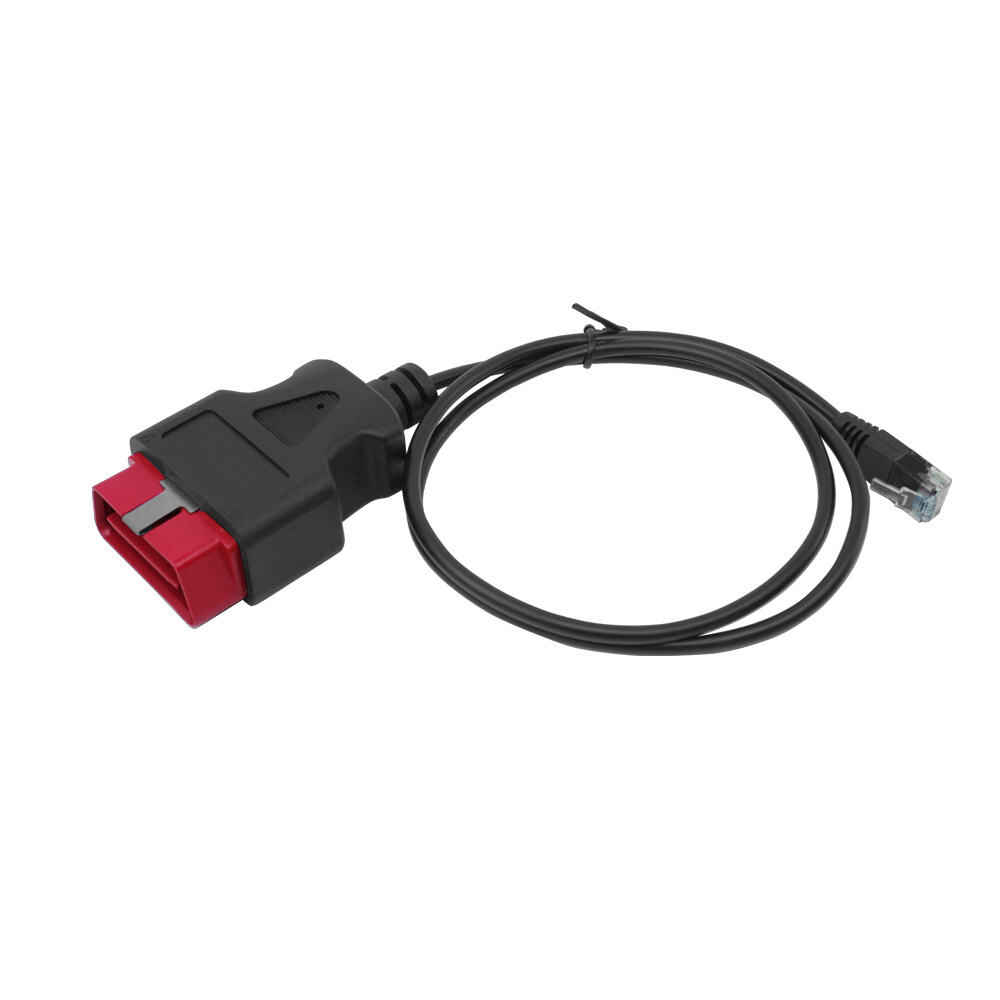
I veicoli pesanti fanno affidamento su sofisticati sistemi elettronici per gestire le prestazioni del motore, il controllo delle emissioni, le funzioni del cambio e le caratteristiche di sicurezza. Al centro di questi sistemi interconnessi vi è l’architettura del bus di rete Controller Area Network (CAN), che richiede cavi di connessione specializzati J1939 per consentire una comunicazione senza interruzioni tra le unità di controllo elettroniche. La qualità e l'affidabilità di questi cavi di connessione influenzano direttamente l'efficienza operativa, le capacità diagnostiche e le prestazioni complessive di autocarri commerciali, macchine per le costruzioni, macchinari agricoli e altri veicoli industriali.
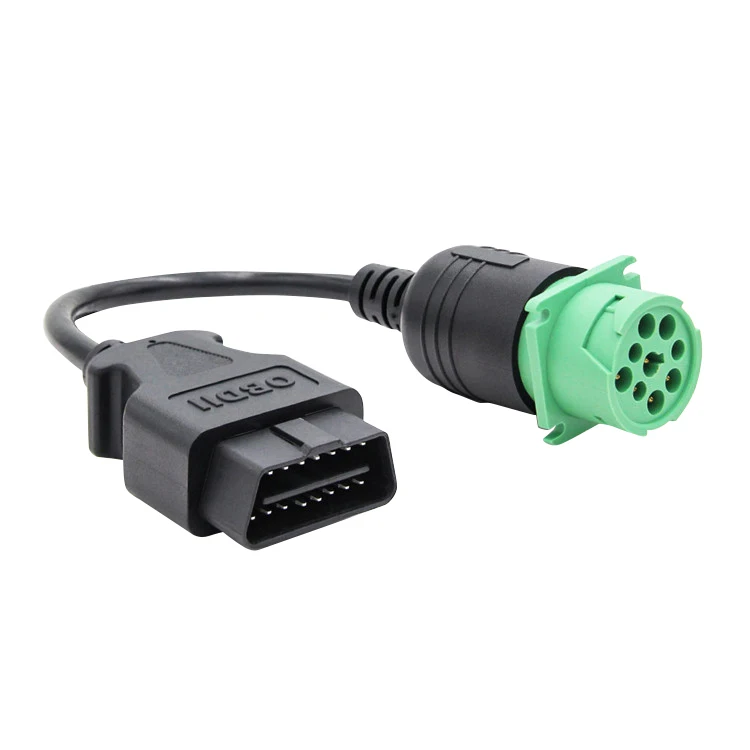
Comprendere come un cavo di collegamento J1939 di alta qualità garantisca una trasmissione dati affidabile richiede l’analisi delle specifiche tecniche, delle sfide ambientali e dei requisiti pratici di implementazione che caratterizzano le applicazioni nei veicoli pesanti. Quando le unità di controllo elettronico non riescono a comunicare efficacemente a causa di una scarsa qualità del cavo, le conseguenze vanno oltre semplici difficoltà diagnostiche, includendo potenziali rischi per la sicurezza, costi di manutenzione aumentati e una riduzione del tempo operativo effettivo, con impatti significativi sulla redditività della flotta e sulle prestazioni del veicolo.
Fondamenti tecnici delle prestazioni del cavo di collegamento J1939
Requisiti di integrità del segnale per la comunicazione CAN Bus
Il cavo di collegamento J1939 deve mantenere precise caratteristiche elettriche per supportare la trasmissione differenziale utilizzata nelle reti CAN bus. I cavi di alta qualità sono dotati di conduttori a coppia intrecciata con impedenza controllata, generalmente compresa tra 120 e 130 ohm, garantendo così che i segnali dati mantengano la loro integrità su tutta la topologia della rete. Questo adattamento dell’impedenza previene le riflessioni del segnale che potrebbero corrompere i pacchetti dati durante la trasmissione tra le unità di controllo elettronico nei veicoli pesanti.
L'integrità del segnale dipende in larga misura dalla capacità del cavo di ridurre al minimo le interferenze elettromagnetiche (EMI) e le interferenze a radiofrequenza (RFI), che possono disturbare le comunicazioni digitali. I cavi di collegamento J1939 di alta qualità incorporano più strati di schermatura, tra cui schermi in foglio di alluminio e schermi intrecciati in rame, che operano congiuntamente per creare un effetto gabbia di Faraday, proteggendo così i segnali dati dal rumore elettrico esterno generato da alternatori, sistemi di accensione e motori elettrici, comunemente presenti negli ambienti veicolari pesanti.
I materiali conduttori e le tecniche costruttive utilizzate nei cavi di alta qualità influenzano direttamente la qualità della trasmissione del segnale. I conduttori in rame a trefoli con elevati livelli di purezza offrono una conducibilità superiore rispetto alle alternative a filo pieno, mantenendo nel contempo la flessibilità necessaria per le installazioni su veicoli. I materiali dielettrici che separano i conduttori devono mantenere proprietà elettriche costanti su ampie gamme di temperatura per prevenire il degrado del segnale, che potrebbe causare errori di comunicazione o guasti della rete.
Connettore Progettazione e affidabilità dei contatti
I cavi di collegamento di alta qualità J1939 sono dotati di connettori realizzati con precisione, progettati per garantire un contatto elettrico affidabile anche in condizioni operative gravose. Il connettore Deutsch a 9 pin, comunemente utilizzato nelle applicazioni J1939, richiede contatti placcati in oro che resistono alla corrosione e forniscono collegamenti a bassa resistenza, essenziali per mantenere la qualità del segnale. Tali contatti devono sopportare ripetuti cicli di innesto, preservando nel tempo le proprie caratteristiche elettriche e meccaniche per tutta la vita operativa del veicolo.
La forza di ritenzione dei contatti rappresenta un parametro di progettazione critico che garantisce che i connettori rimangano saldamente accoppiati nonostante l’esposizione a vibrazioni, cicli termici e sollecitazioni meccaniche tipiche delle applicazioni su veicoli pesanti. I connettori di alta qualità incorporano progetti di contatti caricati a molla che mantengono una pressione costante contro i contatti accoppiati, prevenendo connessioni intermittenti che potrebbero causare interruzioni della comunicazione o instabilità della rete, con conseguenze negative sulle prestazioni del veicolo e sulla diagnostica.
Le capacità di tenuta ambientale degli insiemi di connettori proteggono i componenti interni da umidità, polvere e contaminanti chimici che potrebbero degradare le prestazioni elettriche. Gli insiemi di alta qualità Cavo di collegamento J1939 raggiungono tipicamente gradi di protezione contro l’ingresso di corpi solidi e liquidi pari a IP67 o superiori, garantendo un funzionamento affidabile in ambienti esterni severi, dove i veicoli pesanti operano frequentemente.
Durata Ambientale e Affidabilità Operativa
Caratteristiche di prestazione termica
I veicoli pesanti operano in condizioni di temperatura estrema, che possono variare da ambienti artici con temperature inferiori a -40 °C a ambienti desertici con temperature superiori a 85 °C. I cavi di collegamento J1939 di alta qualità devono mantenere le proprie caratteristiche elettriche e meccaniche in tutto questo intervallo di temperature estreme, per garantire un’affidabilità costante nella trasmissione dei dati. I materiali dell’involucro del cavo, generalmente costituiti da elastomeri termoplastici specializzati o da composti di polietilene reticolato, devono resistere alla degradazione termica pur conservando la flessibilità necessaria per l’installazione e l’accessibilità durante la manutenzione.
Gli effetti del ciclo termico rappresentano una sfida significativa per le prestazioni dei cavi, poiché cicli ripetuti di espansione e contrazione possono sollecitare i collegamenti dei conduttori e degradare le proprietà dell'isolamento. I cavi di fascia alta integrano progettazioni e materiali per i conduttori in grado di assorbire i movimenti termici senza compromettere la continuità elettrica. I materiali dielettrici devono presentare proprietà elettriche stabili su tutta la gamma di temperature, per evitare variazioni di impedenza che potrebbero influenzare la qualità del segnale e l'affidabilità delle comunicazioni di rete.
Le prestazioni in condizioni di freddo richiedono particolare attenzione alla flessibilità dei cavi e al funzionamento dei connettori. I cavi di collegamento J1939 di alta qualità mantengono un’adeguata flessibilità a basse temperature, evitando difficoltà di installazione e riducendo il rischio di danni meccanici durante le operazioni di manutenzione. Le guarnizioni e i sigilli dei connettori devono mantenere la loro conformità su tutta la gamma di temperature per preservare la protezione ambientale e prevenire l’ingresso di umidità, che potrebbe causare corrosione o guasti elettrici.
Resistenza alle vibrazioni e durabilità meccanica
I veicoli pesanti generano vibrazioni meccaniche e carichi d’urto significativi che sollecitano continuamente i collegamenti elettrici per tutta la durata operativa del veicolo. I cavi di collegamento J1939 di alta qualità incorporano caratteristiche progettuali specificamente studiate per resistere a questi solleciti meccanici senza compromettere le prestazioni elettriche. Costruzioni flessibili dei conduttori, realizzate con filo di rame a trefoli fini, resistono alla rottura per fatica causata da flessioni ripetute ed esposizione alle vibrazioni.
I sistemi di protezione contro lo sforzo meccanico integrati negli insiemi di cavi evitano la concentrazione di sollecitazioni meccaniche nei punti critici di collegamento, ovvero dove i cavi entrano nei connettori o nelle scatole di giunzione. Questi componenti di protezione contro lo sforzo meccanico distribuiscono i carichi meccanici su aree più ampie, riducendo la probabilità di rottura dei conduttori o di danneggiamento dei connettori, che potrebbero interrompere la comunicazione sulla rete. Gli insiemi di qualità superiore includono spesso guaine di protezione contro lo sforzo meccanico realizzate mediante sovramodellatura, che offrono una protezione meccanica superiore rispetto agli insiemi convenzionali con fissaggio a crimpare.
I metodi di posizionamento e di supporto dei cavi influenzano in modo significativo la resistenza meccanica dei cavi di collegamento J1939 nelle applicazioni su veicoli pesanti. Le installazioni di alta qualità prevedono supporti adeguati per i cavi, protezione del raggio di curvatura e separazione da fonti di calore o spigoli taglienti che potrebbero causare danni meccanici. I materiali della guaina dei cavi devono resistere all’abrasione e alla perforazione, mantenendo nel contempo la flessibilità necessaria per un’installazione corretta e per l’accesso durante la manutenzione.
Protocolli di comunicazione di rete e integrità dei dati
Requisiti del protocollo J1939 e prestazioni dei cavi
Il protocollo J1939 definisce specifici requisiti di comunicazione che dipendono da prestazioni affidabili del cavo per funzionare correttamente. I tassi di trasmissione dati di 250 kbps richiedono una temporizzazione precisa e una qualità del segnale che possono essere garantite soltanto con cavi di connessione adeguatamente specificati e prodotti. Cavi di connessione J1939 di alta qualità assicurano il rispetto costante dei requisiti di temporizzazione dei bit, prevenendo errori di comunicazione che potrebbero influire sulle prestazioni del veicolo o sulle sue capacità diagnostiche.
L'arbitraggio dei messaggi e la gestione delle priorità all'interno delle reti J1939 si basano su livelli di segnale accurati e su relazioni temporali che devono essere mantenute in tutti i segmenti della rete. Le distorsioni del segnale o le variazioni temporali indotte dai cavi possono compromettere la capacità del protocollo di gestire efficacemente le priorità dei messaggi, causando potenzialmente ritardi o corruzione di messaggi critici per la sicurezza. Cavi di prima qualità mantengono l’integrità del segnale necessaria al corretto funzionamento del protocollo in tutte le condizioni operative.
I requisiti di terminazione della rete specificano che le reti J1939 devono essere correttamente terminate con resistori da 120 ohm a ciascuna estremità del tronco principale della rete. Cavi di collegamento di alta qualità supportano una corretta implementazione della terminazione mantenendo caratteristiche di impedenza costanti, in linea con i requisiti di terminazione. Un’impedenza non conforme del cavo può causare riflessioni del segnale che interferiscono con le comunicazioni di rete e riducono l'affidabilità complessiva del sistema.
Rilevamento degli errori e diagnostica di rete
Le reti J1939 integrano sofisticati meccanismi di rilevamento e correzione degli errori, il cui funzionamento efficace dipende da prestazioni affidabili dei cavi. Gli algoritmi di controllo di ridondanza ciclica (CRC) verificano l’integrità dei messaggi durante la trasmissione, ma questi sistemi non sono in grado di compensare un’eccessiva degradazione del segnale causata da cavi di scarsa qualità. I cavi di collegamento J1939 di alta qualità minimizzano il tasso di errore su bit mantenendo rapporti ottimali segnale-rumore lungo tutta la topologia della rete.
Le funzionalità diagnostiche integrate nelle unità di controllo elettronico conformi allo standard J1939 si basano su una comunicazione di rete coerente per identificare e segnalare con precisione i guasti del sistema. I problemi di comunicazione legati ai cavi possono mascherare i veri guasti del sistema o generare codici di guasto diagnostici falsi, complicando le procedure di risoluzione dei problemi.
Gli strumenti di monitoraggio della rete e di analisi delle prestazioni, utilizzati per la gestione della flotta e la pianificazione della manutenzione, dipendono dalla qualità costante della trasmissione dei dati garantita da cavi di collegamento di alta qualità. Problemi intermittenti sui cavi possono causare interruzioni nella raccolta dei dati, riducendo l’efficacia dei programmi di manutenzione predittiva e delle strategie di ottimizzazione della flotta che si basano sul monitoraggio continuo dei parametri di prestazione del veicolo.
Considerazioni e buone pratiche per l'installazione
Corretti metodi di posizionamento e supporto dei cavi
L'installazione corretta del cavo di connessione J1939 richiede particolare attenzione ai percorsi di posa, al fine di ridurre al minimo l'esposizione a danni meccanici, fonti di calore e interferenze elettromagnetiche. I cavi di alta qualità devono essere posizionati lontano dai sistemi elettrici ad alta corrente, dai componenti di scarico e dalle parti meccaniche mobili che potrebbero causare danni o interferenze sul segnale. È necessario rispettare i requisiti relativi al raggio di curvatura per evitare sollecitazioni sui conduttori e preservare l'integrità del segnale durante tutta l'installazione.
I sistemi di supporto per cavi svolgono un ruolo fondamentale nel prevenire sollecitazioni meccaniche che potrebbero compromettere nel tempo l'affidabilità delle connessioni. Le installazioni di alta qualità prevedono l'utilizzo di idonee fascette, legacci e sistemi di canalizzazione che fissano saldamente i cavi, consentendo al contempo il normale movimento del veicolo e la dilatazione termica. Gli intervalli tra i punti di supporto devono essere adeguatamente dimensionati per evitare il cedimento dei cavi o una concentrazione eccessiva di sollecitazioni nei punti di fissaggio, che potrebbe portare a guasti prematuri.
Le considerazioni relative alla protezione ambientale richiedono che i cavi di collegamento J1939 siano posati in aree che ne minimizzino l'esposizione all'umidità, ai prodotti chimici e ai detriti, i quali potrebbero degradare le prestazioni del cavo. Quando tale esposizione non può essere evitata, devono essere adottate opportune misure protettive, come sistemi di canalizzazione o materiali aggiuntivi per la guaina, al fine di preservare l'integrità del cavo. I punti di collegamento richiedono particolare attenzione per quanto riguarda la tenuta ambientale, per prevenire l'ingresso di umidità che potrebbe causare corrosione o guasti elettrici.
Procedimenti di prova e di convalida
Una corretta installazione dei cavi di collegamento J1939 richiede procedure complete di test e validazione per verificare le prestazioni e l'affidabilità della rete. I test iniziali sull'installazione devono includere controlli di continuità, misurazioni della resistenza d'isolamento e verifica dell'impedenza, al fine di garantire che gli insiemi di cavi soddisfino i requisiti specificati. I test sulla comunicazione di rete, effettuati con strumenti diagnostici adeguati, verificano che la trasmissione dei dati avvenga correttamente su tutti i segmenti della rete.
I test di manutenzione periodica aiutano a identificare i problemi emergenti sui cavi prima che causino guasti della rete o avarie del veicolo. I cavi di collegamento di alta qualità conformi allo standard J1939 dovrebbero mantenere le proprie caratteristiche elettriche per tutta la durata del loro ciclo di vita, ma l’esposizione ambientale e lo stress meccanico possono degradarne progressivamente le prestazioni. I protocolli di test regolari consentono la sostituzione preventiva dei cavi che mostrano segni di degrado, prima che questi influiscano sul funzionamento del veicolo.
La documentazione dei dettagli relativi all’installazione dei cavi, ai percorsi di posa e ai risultati dei test fornisce informazioni preziose per le future attività di manutenzione e risoluzione dei problemi. Una corretta documentazione consente agli operatori di identificare rapidamente i problemi legati ai cavi e di applicare le opportune procedure di riparazione, senza dover effettuare diagnosi approfondite della rete. Tale documentazione assume un particolare valore nelle operazioni su flotte, dove più veicoli simili richiedono approcci di manutenzione coerenti.
Domande frequenti
Quali sono le cause più comuni di guasto del cavo di collegamento J1939 nei veicoli pesanti?
Le cause più comuni includono danni meccanici causati da vibrazioni e flessioni, degrado ambientale dovuto all'umidità e all'esposizione a sostanze chimiche, corrosione dei connettori causata da una tenuta inadeguata e sollecitazione termica derivante da cicli estremi di temperatura. Anche pratiche di installazione scorrette, come l'assenza di un adeguato fissaggio contro le sollecitazioni, un raggio di curvatura eccessivo e un percorso di posa non conforme, contribuiscono in modo significativo al guasto prematuro del cavo nelle applicazioni su veicoli pesanti.
Come posso capire se il mio cavo di collegamento J1939 sta causando problemi di comunicazione?
I problemi di comunicazione si manifestano spesso con codici di guasto diagnostici intermittenti, parametri dati mancanti nelle scansioni diagnostiche, risposte lente o mancate delle unità di controllo elettronico e prestazioni non uniformi della rete. Un'ispezione fisica può rivelare guaine dei cavi danneggiate, connettori corrosi o collegamenti allentati. I test sulla rete effettuati con strumenti diagnostici adeguati possono misurare la qualità del segnale, le caratteristiche di impedenza e i tassi di errore nella comunicazione, consentendo di identificare in modo definitivo i problemi legati ai cavi.
Quali specifiche devo considerare nella scelta di un cavo di collegamento J1939 di alta qualità?
Le specifiche principali includono un'impedenza caratteristica di 120 ohm, una costruzione con conduttori a coppia intrecciata, una schermatura multistrato per la protezione dalle interferenze elettromagnetiche (EMI), una classe di temperatura adatta all’intervallo di impiego previsto, materiali dei connettori con contatti placcati in oro, un grado di tenuta ambientale IP67 o superiore e la conformità agli standard SAE J1939. Inoltre, è consigliabile scegliere cavi con conduttori in rame stranded, materiali di guaina di alta qualità resistenti a sostanze chimiche e abrasione, e sistemi adeguati di protezione dallo sforzo meccanico.
Con quale frequenza i cavi di collegamento J1939 devono essere ispezionati o sostituiti nelle flotte di veicoli commerciali?
Gli intervalli di ispezione devono essere allineati con i programmi regolari di manutenzione preventiva, tipicamente ogni 12-24 mesi, a seconda delle condizioni operative e degli schemi di utilizzo del veicolo. I cavi operanti in ambienti severi potrebbero richiedere ispezioni più frequenti. La sostituzione è generalmente necessaria quando sono evidenti danni fisici, i test elettrici rivelano un degrado delle prestazioni oppure persistono problemi di comunicazione nonostante gli altri interventi di risoluzione dei guasti. Cavi di alta qualità, installati correttamente, possono spesso garantire un servizio affidabile per l’intera vita operativa del veicolo, purché sottoposti a una manutenzione adeguata.
Indice
- Fondamenti tecnici delle prestazioni del cavo di collegamento J1939
- Durata Ambientale e Affidabilità Operativa
- Protocolli di comunicazione di rete e integrità dei dati
- Considerazioni e buone pratiche per l'installazione
-
Domande frequenti
- Quali sono le cause più comuni di guasto del cavo di collegamento J1939 nei veicoli pesanti?
- Come posso capire se il mio cavo di collegamento J1939 sta causando problemi di comunicazione?
- Quali specifiche devo considerare nella scelta di un cavo di collegamento J1939 di alta qualità?
- Con quale frequenza i cavi di collegamento J1939 devono essere ispezionati o sostituiti nelle flotte di veicoli commerciali?