

 EN
EN
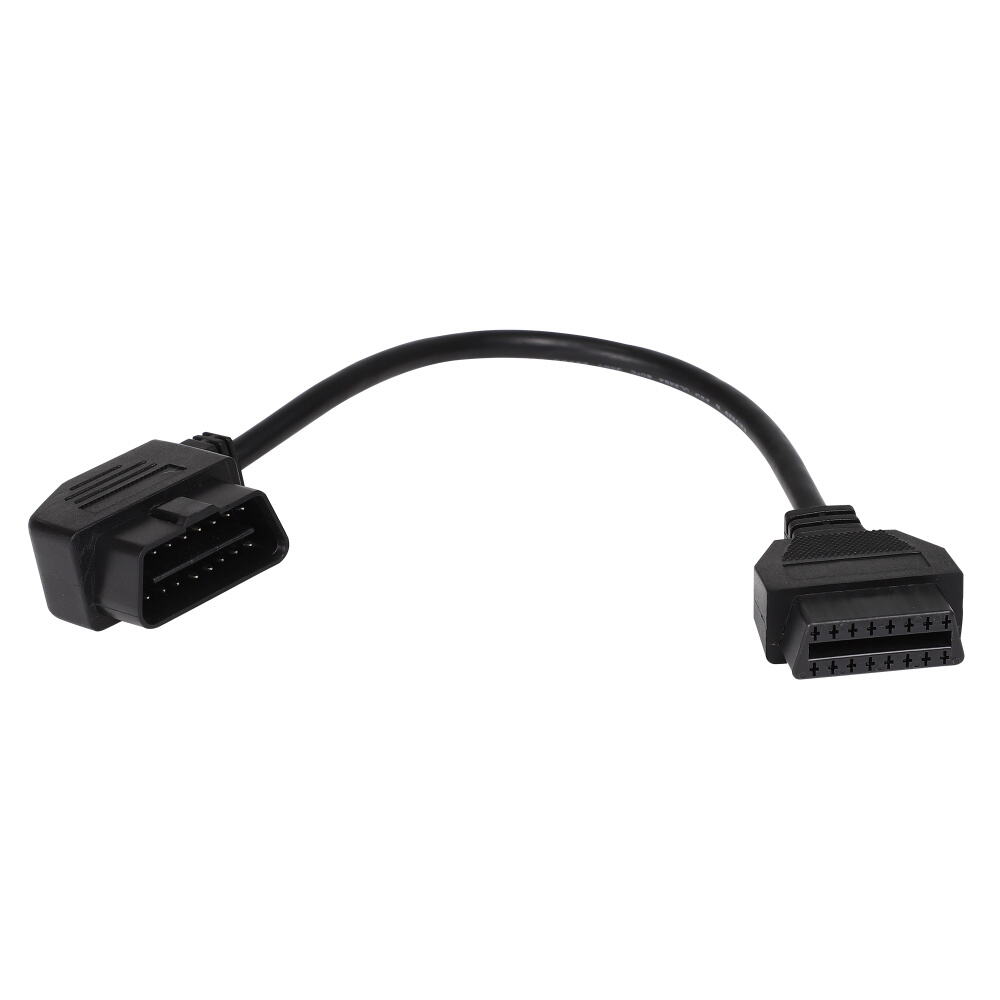
सही का चयन OBD Y हार्नेस यह एक ऐसा निर्णय है जो सीधे आपके वाहन निदान कार्य की सटीकता, सुरक्षा और दक्षता को प्रभावित करता है। चाहे आप एक पेशेवर तकनीशियन हों या किसी वर्कशॉप के प्रबंधक जो उपकरणों की बड़ी मात्रा में खरीद कर रहे हों, एक विश्वसनीय OBD Y हार्नेस और एक गुणवत्ताहीन हार्नेस के बीच के अंतर को समझना आवश्यक है। गलत चुनाव से कनेक्शन विफलता, दोष कोड के विकृत पठन या यहाँ तक कि वाहन के ऑनबोर्ड नियंत्रण मॉड्यूल को नुकसान भी हो सकता है।
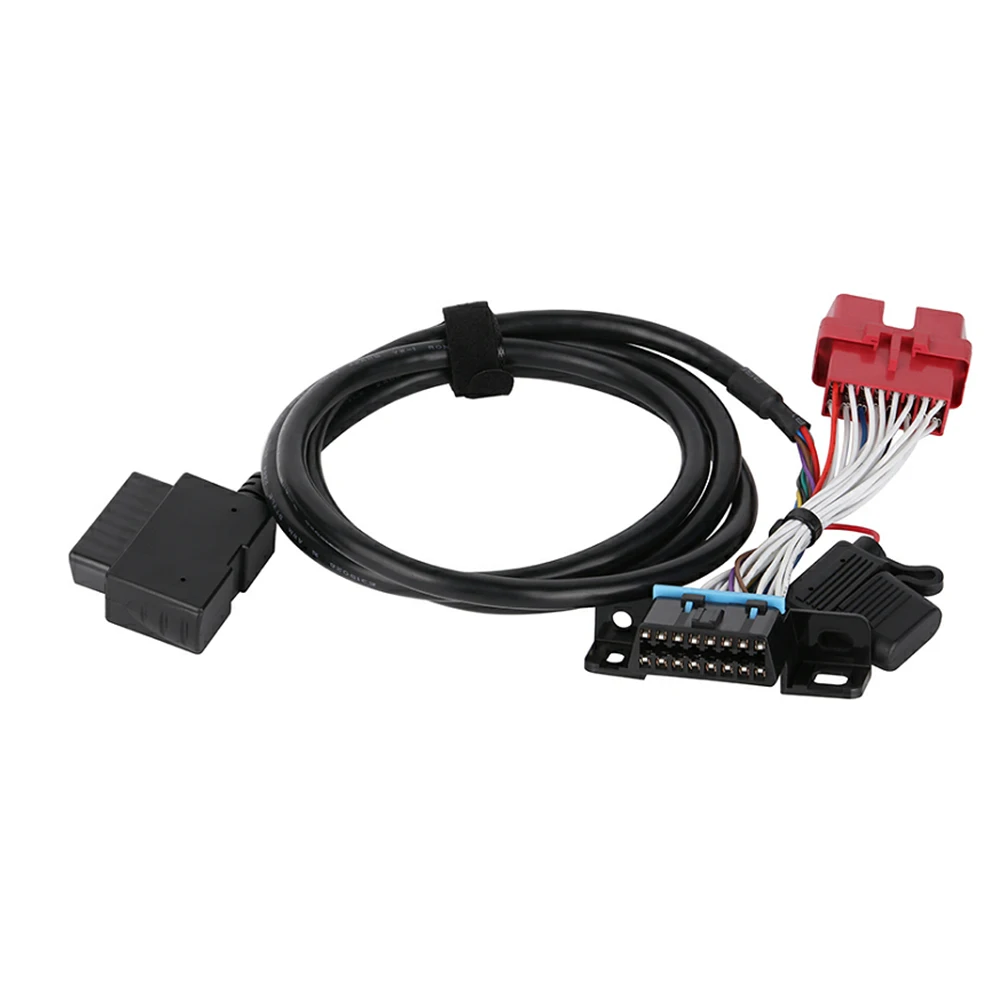
OBD Y हार्नेस एक विशिष्ट वायरिंग केबल है जो एकल OBD2 निदान पोर्ट को दो अलग-अलग कनेक्शनों में विभाजित करती है, जिससे एक स्कैनर को कई डेटा चैनलों के साथ इंटरफ़ेस करने या मांग वाले निदान वातावरण में फ्यूज़्ड सर्किट सुरक्षा प्रदान करने की सुविधा मिलती है। चूँकि OBD Y हार्नेस स्कैनर उपकरण और वाहन की इलेक्ट्रॉनिक प्रणालियों के बीच महत्वपूर्ण संधि पर स्थित होता है, इसलिए हार्नेस का प्रत्येक भौतिक और विद्युत गुण महत्वपूर्ण है। यह गाइड पेशेवर उपयोग के लिए OBD Y हार्नेस का चयन करते समय आपको किन विशिष्ट विशेषताओं का मूल्यांकन करना चाहिए, इसे विस्तार से समझाता है।
योजक गुणवत्ता और पिन संगतता
कनेक्टर निर्माण मानक
OBD Y हार्नेस के कनेक्टर हाउसिंग को OBD2 मानक द्वारा परिभाषित भौतिक आयामों और पिन लेआउट को पूरा करना आवश्यक है, विशेष रूप से 16-पिन J1962 कनेक्टर विनिर्देश के अनुसार। एक अच्छी तरह से निर्मित OBD Y हार्नेस में कड़ी टॉलरेंस वाले कनेक्टर का उपयोग किया जाता है, जिसका अर्थ है कि पिन दृढ़ता से फिट होते हैं और उपयोग के दौरान हिलते या गलत संरेखित नहीं होते हैं। OBD Y हार्नेस में ढीले कनेक्टर अस्थायी संचार त्रुटियों का एक सामान्य कारण हैं, जो निदान समय बर्बाद करती हैं और उत्पादित पठनों में विश्वास को कम करती हैं।
ओबीडी वाई हार्नेस की तलाश करें जहां कनेक्टर शेल मजबूत नायलॉन या किसी तुलनीय उच्च-स्थायित्व वाले पॉलिमर से बना हो। शेल को बार-बार कनेक्ट करने के चक्रों के तहत दरारें नहीं आनी चाहिए, और ओबीडी वाई हार्नेस कनेक्टर के अंदर के धातु पिनों को संक्षारण-प्रतिरोधी होना चाहिए—आदर्श रूप से सोने के या निकल के लेपित होना चाहिए—ताकि हजारों कनेक्शनों के दौरान विद्युत संपर्क को सुसंगत रखा जा सके। इन सामग्रियों से निर्मित उच्च-गुणवत्ता वाला ओबीडी वाई हार्नेस सस्ते विकल्पों की तुलना में काफी अधिक समय तक चलेगा।
पुरुष और मादा अभिविन्यास डिज़ाइन
ओबीडी वाई हार्नेस में आमतौर पर एक पुरुष कनेक्टर होता है जो वाहन पोर्ट में लगाया जाता है, और दो मादा कनेक्टर होते हैं जो स्कैनर या पास-थ्रू केबल्स को स्वीकार करते हैं। ओबीडी वाई हार्नेस में इन कनेक्टरों की दिशा विशेष रूप से डैशबोर्ड के नीचे तंग स्थानों में महत्वपूर्ण होती है। ओबीडी वाई हार्नेस पर समकोण कनेक्टर डिज़ाइन पोर्ट और केबल दोनों पर यांत्रिक तनाव को कम करता है, जिससे हार्नेस शरीर के अंदर सोल्डर जोड़ों और क्रिम्प टर्मिनल्स पर तनाव रोका जा सकता है। सुनिश्चित करें कि आप जो ओबीडी वाई हार्नेस चुनते हैं, उसका कनेक्टर अभिविन्यास आपके सबसे सामान्य वाहन स्थापना वातावरण के अनुकूल हो।
वायर हार्नेस निर्माण और फ्यूज़ सुरक्षा
वायर गेज और कंडक्टर की गुणवत्ता
ओबीडी वाई हार्नेस की आंतरिक वायरिंग निर्धारित करती है कि यह करंट लोड और सिग्नल अखंडता को कितनी अच्छी तरह से संभालता है। एक उचित ओबीडी वाई हार्नेस में कॉपर कंडक्टर्स का उपयोग करना चाहिए, जिनका गेज जुड़े हुए नैदानिक उपकरणों द्वारा अपेक्षित करंट ड्रॉ के अनुसार उचित हो। ओबीडी वाई हार्नेस के अंदर पतली या एल्युमीनियम-आधारित वायरिंग प्रतिरोध पैदा करती है, जो संचार सिग्नल को विकृत कर सकती है, जिससे डेटा ट्रांसफर धीमा हो जाता है या दोष कोड पठन अपूर्ण हो जाता है। हमेशा सत्यापित करें कि ओबीडी वाई हार्नेस के विनिर्देशों में वायर गेज का उल्लेख किया गया है और यह ओबीडी2 प्रोटोकॉल संचार आवश्यकताओं के लिए पर्याप्त है।
ओबीडी वाई हार्नेस का केबल जैकेट लचीला होना चाहिए, लेकिन साथ ही टिकाऊ भी होना चाहिए। ओबीडी वाई हार्नेस पर ब्रेडेड या मजबूती दी गई पीवीसी जैकेट तकनीशियनों को सीमित इंजन बे और डैशबोर्ड के क्षेत्रों में केबल को घुमाने की अनुमति देती है, बिना विद्युतरोधन क्षति के जोखिम के। एक ओबीडी वाई हार्नेस जिसका केबल जैकेट कठोर या भंगुर हो, बार-बार उपयोग के बाद मोड़ के बिंदुओं पर आंतरिक तार टूटने का कारण बनेगा, जिससे लचीलापन चालक सामग्री के साथ-साथ एक महत्वपूर्ण गुणवत्ता संकेतक बन जाता है।
एकीकृत फ्यूज तार सुरक्षा
प्रोफेशनल-ग्रेड OBD Y हार्नेस में सबसे महत्वपूर्ण सुरक्षा विशेषताओं में से एक फ्यूज़ वायर सर्किट का समावेश है। OBD Y हार्नेस में निर्मित फ्यूज़ वायर डायग्नॉस्टिक स्कैनर और वाहन के OBD2 पोर्ट दोनों को अधिक धारा (ओवरकरंट) की घटनाओं से सुरक्षित रखता है। इस सुरक्षा के बिना, जुड़े हुए उपकरण में कोई दोष या अप्रत्याशित वोल्टेज झटका वाहन के ECU संचार सर्किट को क्षतिग्रस्त कर सकता है। फ्यूज़ वायर के साथ लैस OBD Y हार्नेस एक बलिदानात्मक सुरक्षा बिंदु प्रदान करता है, जिससे फ्यूज़ दोष को अवशोषित कर सकता है, बजाय इसके कि धारा वाहन के ऑनबोर्ड नेटवर्क के माध्यम से अनियंत्रित रूप से प्रवाहित हो। विकल्पों की तुलना करते समय, हमेशा उस OBD Y हार्नेस को प्राथमिकता दें जिसमें सत्यापित फ्यूज़ सुरक्षा एक अंतर्निर्मित विशेषता के रूप में शामिल हो, न कि किसी बाद के विचार के रूप में।
सिग्नल की अखंडता और प्रोटोकॉल समर्थन
शील्डिंग और शोर अस्वीकृति
आधुनिक वाहन इग्निशन प्रणालियों, ऑल्टरनेटरों और ऑनबोर्ड इलेक्ट्रॉनिक्स से महत्वपूर्ण विद्युत चुम्बकीय हस्तक्षेप (EMI) उत्पन्न करते हैं। ऐसे वातावरणों में उपयोग किए जाने वाले OBD Y हार्नेस में डायग्नोस्टिक डेटा स्ट्रीम को विकृत करने वाले शोर को रोकने के लिए पर्याप्त शील्डिंग शामिल होनी चाहिए। एक शील्डेड OBD Y हार्नेस में सिग्नल कंडक्टर्स के चारों ओर फॉयल या ब्रेडेड शील्ड परत का उपयोग किया जाता है, जो बाहरी हस्तक्षेप को संचार लाइनों में प्रवेश करने से रोकती है। शील्डिंग के बिना, OBD Y हार्नेस विकृत डेटा भेज सकता है, जिससे गलत दोष कोड ट्रिगर हो सकते हैं या स्कैनर मध्य-सत्र में कनेक्शन खो सकता है।
प्रोटोकॉल संगतता मानकों के आधार पर
OBD Y हार्नेस को सभी प्रमुख OBD2 संचार प्रोटोकॉल का समर्थन करना चाहिए, जिनमें CAN बस, ISO 9141-2, KWP2000, SAE J1850 VPW और SAE J1850 PWM शामिल हैं। व्यापक संगतता के लिए डिज़ाइन किया गया उच्च-गुणवत्ता वाला OBD Y हार्नेस सुनिश्चित करता है कि तकनीशियन इसका उपयोग वाहनों के विभिन्न ब्रांडों, मॉडल वर्षों और इंजन प्रबंधन प्रणालियों के आर्थिक विस्तार के लिए कई अडॉप्टर केबलों की आवश्यकता के बिना कर सकें। सत्यापित करें कि आपके द्वारा चुना गया OBD Y हार्नेस इन प्रोटोकॉल मानकों के खिलाफ परीक्षण किया गया है, और ऐसे निर्माताओं की तलाश करें जो अपने OBD Y हार्नेस उत्पादों के साथ प्रोटोकॉल संगतता के दस्तावेज़ प्रदान करते हैं।
अक्सर पूछे जाने वाले प्रश्न
फ्यूज़ वाला OBD Y हार्नेस एक मानक हार्नेस की तुलना में क्यों अधिक सुरक्षित होता है?
एक फ्यूज़्ड OBD Y हार्नेस में एक अंतर्निहित फ्यूज़ वायर शामिल होता है जो कि अधिक धारा की स्थिति उत्पन्न होने पर धारा प्रवाह को बाधित कर देता है। यह गलती की स्थिति के दौरान वाहन के OBD2 पोर्ट और जुड़े हुए नैदानिक उपकरण को क्षति से बचाता है। फ्यूज़ सुरक्षा के बिना एक मानक OBD Y हार्नेस ऐसी कोई सुरक्षा प्रदान नहीं करता है, जिससे वाहन के ECU संचार परिपथ विद्युत क्षति के संभावित जोखिम के प्रति असुरक्षित रह जाते हैं।
मैं कैसे पता लगाऊं कि कोई OBD Y हार्नेस मेरे वाहन के प्रोटोकॉल का समर्थन करता है?
OBD Y हार्नेस के उत्पाद विनिर्देशों की जाँच करें जिसमें CAN, ISO 9141-2 और SAE J1850 जैसे समर्थित प्रोटोकॉल की सूची शामिल हो। पेशेवर नैदानिक उपयोग के लिए डिज़ाइन किया गया एक गुणवत्तापूर्ण OBD Y हार्नेस को प्रोटोकॉल संगतता की स्पष्ट रूप से प्रलेखित जानकारी प्रदान करनी चाहिए। यदि प्रोटोकॉल समर्थन का उल्लेख नहीं किया गया है, तो आपको आपूर्तिकर्ता से सीधे पूछना चाहिए या बल्क खरीद के लिए प्रतिबद्ध होने से पहले अपने लक्ष्य वाहन के खिलाफ OBD Y हार्नेस का परीक्षण करना चाहिए।
OBD Y हार्नेस का चयन करते समय कनेक्टर अभिविन्यास का महत्व क्यों है?
OBD Y हार्नेस पर कनेक्टर का अभिविन्यास उपयोग के दौरान वाहन पोर्ट और हार्नेस केबल दोनों पर लगने वाले यांत्रिक तनाव की मात्रा को प्रभावित करता है। OBD Y हार्नेस पर समकोण कनेक्टर डिज़ाइन संबंध स्थल पर बेंडिंग तनाव को कम करता है, जिससे हार्नेस और वाहन के निदान पोर्ट दोनों के सेवा जीवन में वृद्धि होती है। छोटे स्थापना स्थानों में, सीधे कनेक्टर वाला OBD Y हार्नेस पोर्ट पर अत्यधिक पार्श्व बल डाल सकता है, जिससे प्रारंभिक क्षरण या कनेक्टर क्षति हो सकती है।