
 EN
EN
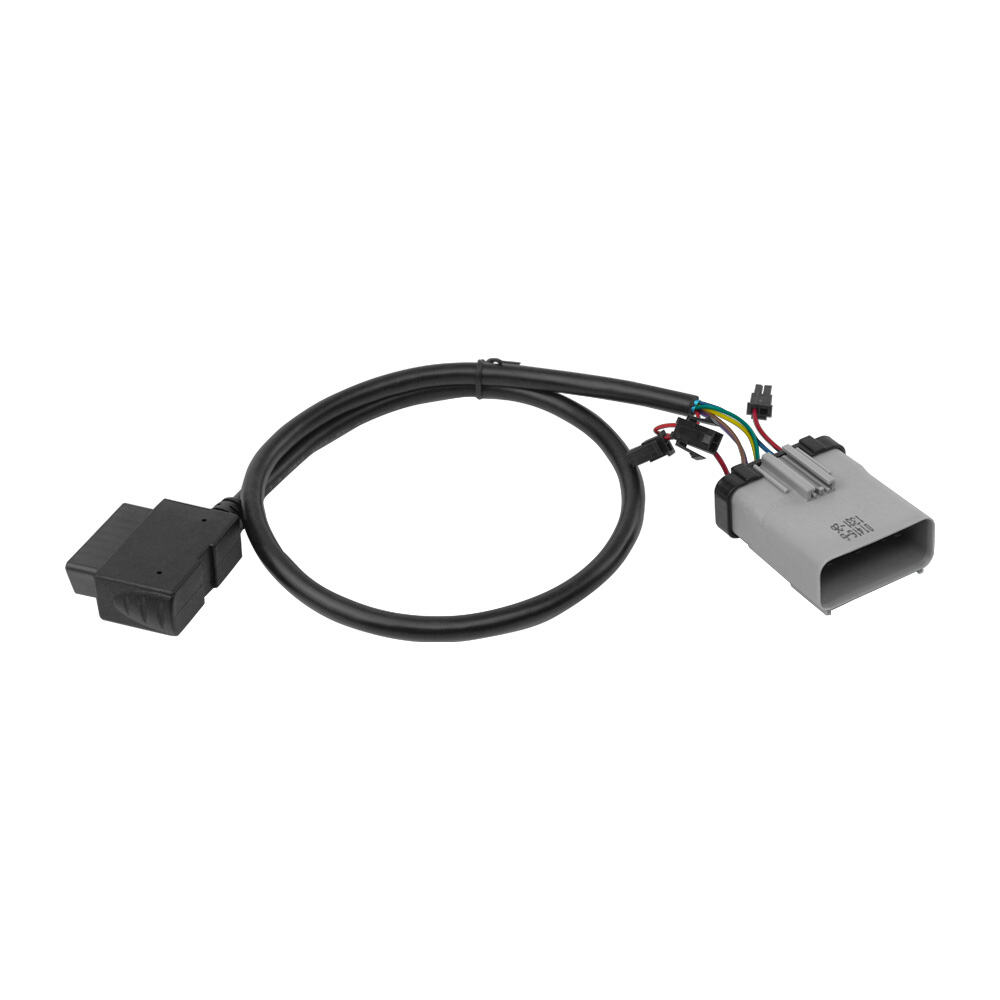
Oikean valinta vesikestävä kaapeli teollisuustehtäviin tarkoitetun vesitiivisen johdinvalinnan tekeminen vaikuttaa suoraan laitteiden luotettavuuteen, työntekijöiden turvallisuuteen ja pitkän aikavälin toimintakustannuksiin. Ympäristöissä, joissa esiintyy kosteutta, kemikaaleja tai äärimmäisiä lämpötiloja, tavallinen sähköjohto ei kykene tarjoamaan yhtenäistä suorituskykyä. Teollisuusluokan vesitiivis johdin on suunniteltu erityisesti kestämään nämä ankarakset olosuhteet, mikä tekee siitä ammattilaisten suosiman valinnan useilla eri aloilla.
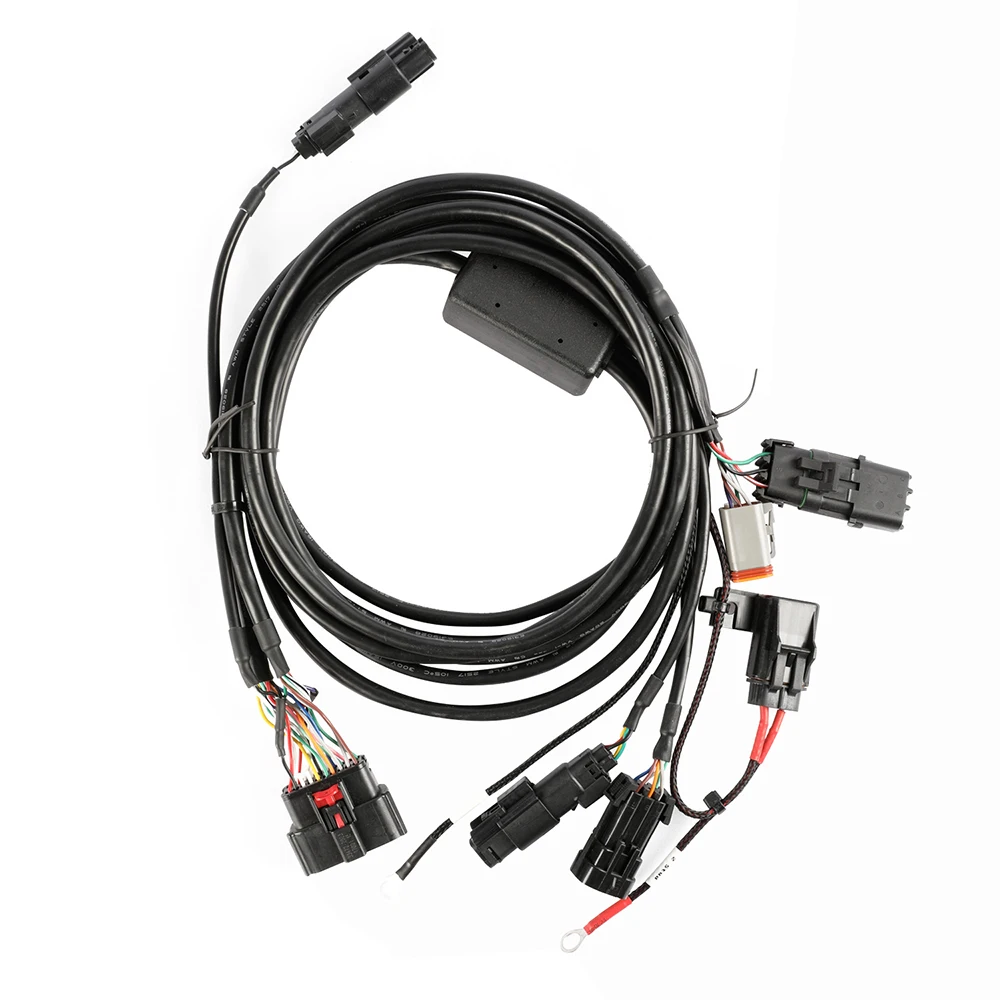
Teollisuuden käyttöön tarkitun vesitiivistetyn johdon ylivoimaisuuden ymmärtäminen edellyttää sen erottavia piirteitä koskevaa tarkastelua suunnittelussa, materiaalikoostumuksessa ja kenttäkäytössä. Jokainen vesitiivis johdin on määritelty toiminnallisesti, ja oikean luokan valinta varmistaa, että sähköjärjestelmät pysyvät vakaina, turvallisina ja vaatimustenmukaisina todellisten teollisuusolosuhteiden alla. Tässä artikkelissa selitetään perusteet siihen, miksi vesitiivis johdin on oikea valinta haastavissa tehtävissä, sekä miten sitä voidaan arvioida tehokkaasti.
Vesitiivisen johdinlangan keskeinen arvo teollisuusympäristöissä
Suojelu kosteudelta ja ympäristötekijöiltä
Suojattujen johdojen valinta teollisuussovelluksissa perustuu ensisijaisesti kosteudenkestävyyteen. Teollisuusympäristöjä, kuten tuotantotiloja, ulkoisia asennuksia ja prosessointilaitoksia, altistetaan säännöllisesti veden, kosteuden ja kondenssin vaikutuksille. Standardijohdin ilman kosteudenkestäviä ominaisuuksia rappeutuu nopeasti, kun kosteus tunkeutuu eristysmateriaaliin, mikä aiheuttaa korroosiota, oikosulkuja ja lopulta koko järjestelmän toimintahäiriön. Kosteudenkestävät johdot käyttävät erityisiä eristysaineita ja tiukentettuja ulkokoteloita, jotka estävät kosteuden tunkeutumisen kaikkialla kaapelin pituudelta.
Perusvesituksesta ylittävän teollisuuden luokan vesitiivis johdin tarjoaa myös suojaa öljyjä, liuottimia ja kemikaaleja vastaan, joita tavataan yleisesti tuotantolaitoksissa. Laadukkaan vesitiivisen johdinverkkojen ulkokuoren koostumus on suunniteltu kestämään kemiallista hyökkäystä, mikä pidentää johdinverkon käyttöikää ja vähentää vaihtojen taajuutta. Kun otetaan huomioon järjestelmän pysäytyskustannukset, vesitiivisen johdinverkon valinta alusta lähtien edustaa merkittäviä säästöjä pitkällä aikavälillä. Teollisuuden operaattorit, jotka investoivat oikeanlaiseen vesitiiviseen johdinverkkoon, välttävät kalliita hätäkorjauksia ja suunnittelemattomia pysäytyksiä.
Mekaaninen kestävyys rasituksen alla
Teollisuuden käyttöön tarkoitettu vesitiivis johdin ei ainoastaan kestä kosteutta, vaan sitä on myös suunniteltu mekaanisesti kestäväksi. Värähtelyt, toistuva taipuminen, laitteiden pintojen aiheuttama kuluminen ja fyysinen isku ovat arkipäiväisiä ilmiöitä teollisuusympäristöissä. Tavallisessa johdotuksessa eristys halkeaa tai kuluu näissä olosuhteissa, mikä paljastaa johtimet ja luo vaaratilanteita. Teollisuuden käyttöön tarkoitettu vesitiivis johdin sisältää vahvistetut eristyskerrokset, kestävät ulkoiset verhokset ja korkean taipuvuuden omaavan johtimen kierroksen, jotta se kestää jatkuvaa mekaanista rasitusta kompromisoimatta vesitiukkuutta.
Tämä mekaaninen kestävyys on erityisen tärkeää liikkuvissa koneissa, automatisoiduissa tuotantolinjoissa ja ulkoisissa sähkönt jakelujärjestelmissä, joissa vedenpitävän johdon on taiputtava toistuvasti ilman mikrohalkeamien muodostumista. Jokainen halkeama standardijohdon eristekerroksessa muodostaa ajan myötä vesitulopisteen, mikä tekee vedenpitävyyden suojasta tehottoman. Teollisuuden luokan vedenpitävä johdin on testattu säilyttämään rakenteellinen eheys tuhansien taiputussyklien ajan, mikä varmistaa, että suojaus pysyy yhtenäisenä koko tuotteen elinkaaren ajan.
Tärkeimmät valintakriteerit teollisuuden käyttöön tarkoitetulle vedenpitävälle johdolle
Eristemateriaalin ja IP-luokituksen yhteensopivuus
Oikean vesitiukkuuden omaavan johdon valinta alkaa eristysmateriaalien vaihtoehtojen ymmärtämisellä ja siitä, miten ne vastaavat sovelluksen vaadittua IP-luokitusta. Vesitiukkuuden omaavia johtoja on saatavilla PVC-, TPE-, TPU- ja ristisidottujen polyeteenien eristysvaihtoehdoissa, joista jokainen tarjoaa eri tasoisia lämpötilan kestävyysominaisuuksia, joustavuutta ja kemikaaliresistenssiä. Ulkoisiin aurinkoenergian asennuksiin on välttämätöntä käyttää UV-stabiloitua eristystä omaavaa vesitiukkuuden omaavaa johdinta. Ruokateollisuuden ympäristöissä vaaditaan FDA:n vaatimusten mukaisia materiaaleja käyttävää vesitiukkuuden omaavaa johdinta, jotta hygieniastandardit täyttyvät.
Vedeneristetyn johdinjärjestelmän IP-luokitus ilmaisee suojatasoa kiinteitä hiukkasia ja nesteitä vastaan. IP67- tai IP68-luokituksella varustettu vedeneristetty johdinjärjestelmä soveltuu upotukseen, kun taas IP65-luokituksella varustettu vedeneristetty johdin on sopiva korkeapaineisessa vesipisaroissa käytettäväksi. Vedeneristetyn johdinjärjestelmän teknisten vaatimusten tarkka sovittaminen todelliseen ympäristöaltistumiseen estää sekä liian vähäisen erityksen (joka lisää vikaantumisriskiä) että liian suuren erityksen (joka aiheuttaa tarpeetonta kustannusta). IP-luokituksen huolellinen sovittaminen on perusaskel missä tahansa vedeneristetyn johdinjärjestelmän valintaprosessissa.
Johtimen mitoitus ja virtakapasiteetti
Vedeneristysominaisuuksien lisäksi vedeneristetty johdin on mitoitettava oikein kantamaansa sähkökuormaan. Liian ohut vedeneristetty johdin tuottaa liiallista lämpöä, mikä heikentää eristystä ajan myötä ja lopulta vaarantaa kosteudenesto-ominaisuuden. Teollisuussovelluksissa vaaditaan vedeneristettyä johtinta, jonka johtimen poikkipinta-ala vastaa tai ylittää lasketun virtakuorman, mukaan lukien turvamarginaalit käynnistyskuormille ja ympäröivän lämpötilan aiheuttamaa tehon alennusta. Oikean johtimen poikkipinnan valinta vedeneristetyssä johdossa varmistaa sekä sähkösuorituksen että eristyksen pitkäaikaisen kestävyyden.
Uusien energialähteiden ja sähköajoneuvojen (EV) lataussovellusten osalta vedenpitävän johdon on täytettävä myös tiettyjä jännitetasoja ja EMI-suojauksen vaatimuksia. Korkeajännitteistä vedenpitävää johdinta, jota käytetään sähköajoneuvojen johtopaketeissa, yhdistää kestävä eristys, kosteussuojat ja elektromagneettinen suojaus, jotta turvallisuusvaatimukset täyttyvät näissä vaativissa sovelluksissa. Teollisuuden ostajien, jotka määrittelevät vedenpitävää johdinta edistyneisiin teho-sovelluksiin, on tarkistettava sekä virtakapasiteetti että jänniteluokka varmistaakseen täyden yhteensopivuuden järjestelmän suunnittelun vaatimusten kanssa.
Teollisuussovellukset, joissa vedenpitävä johto on välttämätön
Ulkoiset infrastruktuurit ja uusiutuvan energian järjestelmät
Vedeneristetty johdin on peruskomponentti ulkoisessa sähköinfrastruktuurissa, johon kuuluvat esimerkiksi katuvalaistus, liikennevalvontajärjestelmät sekä tuuli- ja aurinkoenergian asennukset. Nämä sovellukset altistavat vedeneristetylle johdinkelle pitkäaikaista UV-säteilyä, lämpötilan vaihteluita ja suoraa sadevettä vuosikausia ilman mahdollisuutta huoltoon. Teollisuuden luokan vedeneristettyjä johtimia, joita käytetään näissä yhteyksissä, on pidettävä eristysominaisuuksia ja tiivistystehoa säilyttävinä laajalla käyttöiällä, joka usein mitataan vuosikymmeninä eikä vuosina. Vedeneristetyn johdinmateriaalin valinta siten, että se täyttää ulkona käytettävien tuotteiden kestävyysvaatimukset, on välttämätöntä infrastruktuurin luotettavuuden varmistamiseksi.
Merikäyttöön, autoteollisuuteen ja raskaisiin koneisiin tarkoitettu johdinmateriaali
Meriympäristöt edustavat yhtä aggressiivisimmista testeistä vesitiukkuille johtimille, koska ne altistuvat jatkuvasti suolavedelle sekä värinälle ja UV-säteilylle. Merikäyttöön tarkoitetun vesitiukkujen johtimien on sisällettävä tinattuja kuparijohtimia korroosion estämiseksi sekä monikerroksisia eristysjärjestelmiä kosteuden estämiseksi. Raskaisissa rakennuskoneissa vesitiukkuja johtinta on kestettävä samanaikaisesti hydrauli-nesteen vaikutusta, mekaanista kulumaa ja äärimmäisiä lämpötilavaihteluita. Autoteollisuuden ja raskaiden koneiden johtopuitteisiin käytettävät vesitiukut johtimet on suunniteltu täyttämään kansainväliset standardit, jotka vahvistavat niiden suorituskyvyn kaikkien näiden yhdistettyjen rasitusten alaisena. Näihin sovelluksiin valitun asianmukaisesti sertifioitujen vesitiukkujen johtimien käyttö on sekä suorituskyvyn että säädösten vaatimus.
UKK
Mitä tekee vesitiukun johtimen erilaiseksi kuin tavallisen sähköjohtimen?
Vedeneristetty johdin käyttää erityisiä eristysaineita, tiukentavia vaippamateriaaleja ja kosteuden estäviä rakennustekniikoita, joita tavallisessa sähköjohtimessa ei ole. Tämä rakenne mahdollistaa vedeneristetyn johdinmateriaalin kestävyyden veden tunkeutumiselle, kemikaalien vaikutuksille ja ympäristötekijöiden aiheuttamalle rappeutumiselle, jotka aiheuttaisivat tavallisen johdinmateriaalin ennenaikaisen kulumisen teollisuus- tai ulkoilmaolosuhteissa.
Miten voin varmistaa, että vedeneristetty johdin täyttää sovellukseni vaatimukset?
Tarkista vedeneristetyn johdinmateriaalin IP-luokitus, eristysmateriaalin määrittely, johtimen poikkipinta-ala, jännitealue ja mahdolliset alan sertifikaatit. Vertaa näitä parametrejä sovelluksesi ympäristövaatimuksiin, virtakuormaan ja sääntelyvaatimuksiin. Luotettavat vedeneristettyjen johdinmateriaalien toimittajat tarjoavat täydelliset tekniset tiedotiedostot ja testiraportit tämän varmistusprosessin tukemiseksi.
Voiko vedeneristettyä johdinta käyttää korkean lämpötilan teollisuusympäristöissä?
Kyllä, edellyttäen että vesitiivis johdin on määritelty korkealämpötilaisella eristyksellä, kuten silikoonilla tai ristiverkotulla polyeteenillä, joka on luokiteltu käyttölämpötila-alueelle. Tavallisten vesitiivisten johdinten eristysmateriaalit, kuten PVC, ovat lämpötilarajoituksia, jotka tekevät niistä sopimattomia uunin läheisyyteen tai korkealämpötilaisiin prosessointisovelluksiin. Valitse aina vesitiivis johdin, jonka lämpötilaluokitus ylittää asennusympäristön enimmäisympäristölämpötilan.