

 EN
EN
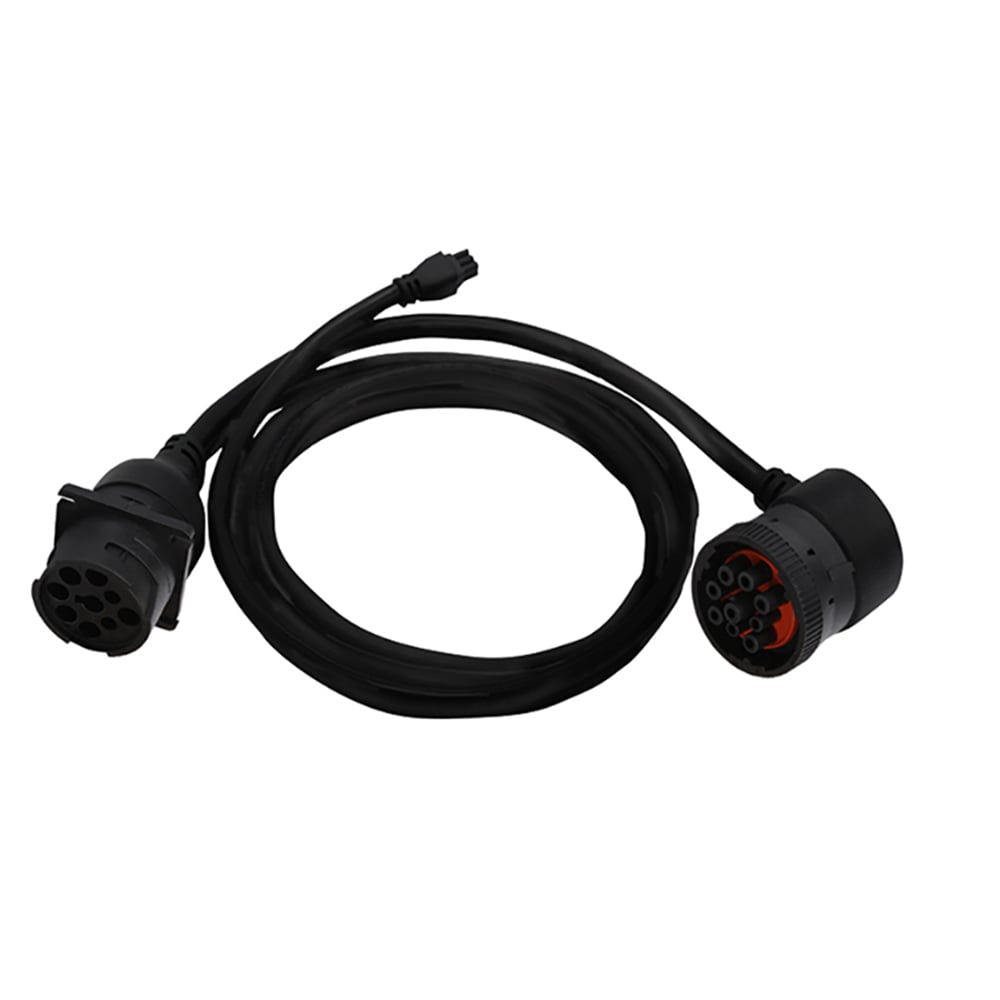
Kun sinun tarvitsee samanaikaisesti sekä diagnostiikkalaitteen että GPS-seurantalaiteen kytkemisen ajoneuvoosi, ensimmäinen ratkaisu, joka tulee mieleen, on OBD Y-liitäntä . Tämä kompakti jakokaapeli liitetään yhteen OBD2-liittimeen ja haarautuu kahteen erilliseen naispuoliseen liittimeen, mikä mahdollistaa kahden laitteen jakamisen saman 16-napaisen diagnostiikkaliittimen kanssa samanaikaisesti. Laajamittaisille ajoneuvoparkkien johtajille, autoteknikoille ja ajoneuvon omistajille, jotka haluavat jatkuvaa seurantaa uhraamatta diagnostiikkapääsyä, OBD Y-liitäntä näyttää olevan täydellinen ratkaisu.
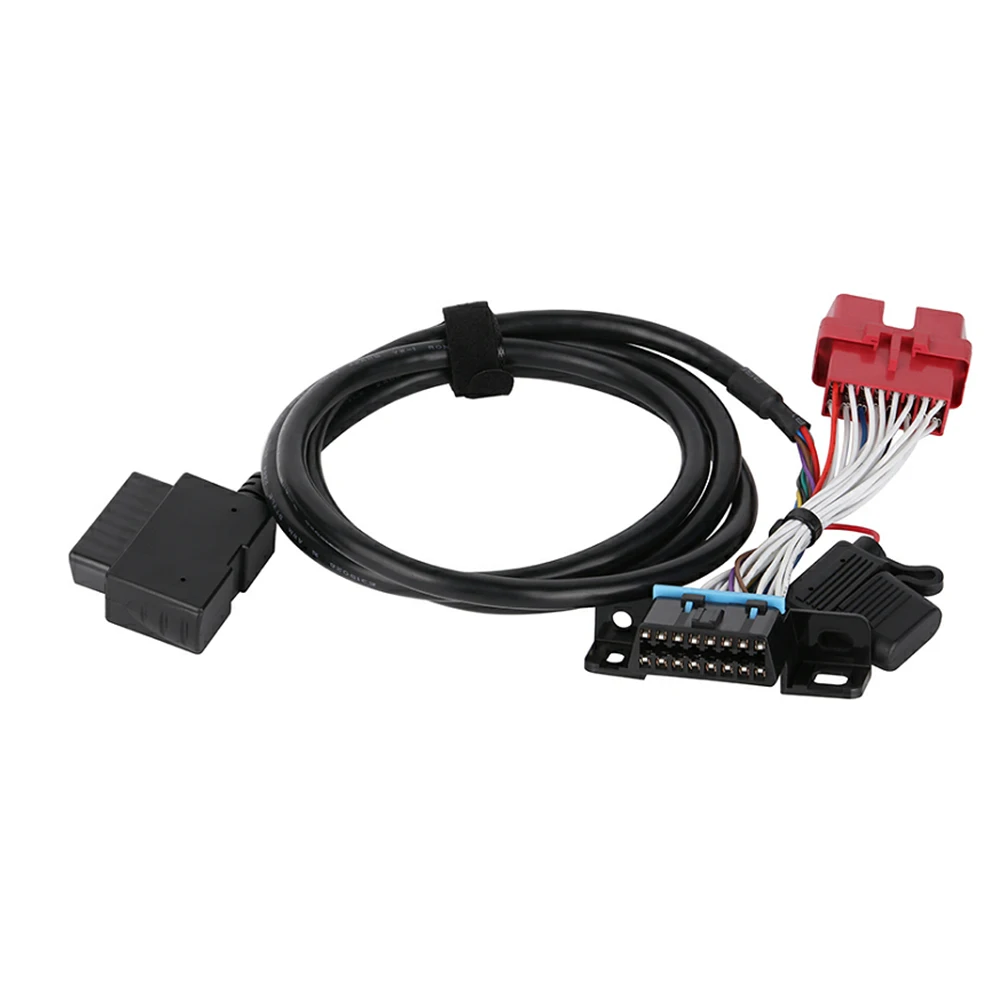
Lyhyt vastaus on kyllä: OBD Y-liitäntä voi yleensä syöttää sekä diagnostiikkalaitetta että seurantalaitetta samanaikaisesti normaalissa käytössä. Käytännössä OBD Y-liittimen suorituskyky riippuu kuitenkin voimakkaasti tehonkulutuksesta, tietobussin käyttäytymisestä ja laitteiden yhteensopivuudesta. Ennen kuin päätät tähän asennukseen, on tärkeää ymmärtää, miten OBD Y-liitäntä toimii ja missä sen rajoitukset ovat, jotta voit välttää viestintävirheitä, palaneita sulakkeita tai epäluotettavia mittausarvoja.
Kuinka OBD-Y-sovitin jakaa virran ja tiedot
OBD-Y-sovittimen sähköinen arkkitehtuuri
OBD-Y-sovitin on periaatteessa passiivinen signaalijaaja. Yksittäinen male-OBD2-liittimet liittyy ajoneuvon diagnostiseen liittimeen, ja kaksi female-liitintä jatkaa sekä virtalinjoja että CAN-bus-linjoja kahteen erilliseen laitteeseen. OBD2-liitin tarjoaa akun jännitteen pinnille 16 ja rungon maadoituksen pineihin 4 ja 5, joten jokainen OBD-Y-sovittimen kautta kytketty laite ottaa virran suoraan ajoneuvon akkupiiristä. Koska OBD-Y-sovitin ei sisällä sisäistä virtasäädintä, molemmat kytketyt laitteet jakavat sen virran, jonka ajoneuvon liitinpiiri sallii.
Useimmissa OBD2-liitännän piireissä on sulake, jonka nimellisvirta vaihtelee ajoneuvosta riippuen 5–10 ampeerin välillä. GPS-seurantalaite passiivitilassa kuluttaa yleensä alle 100 milliampeeria, kun taas diagnostiikkaskanneri kuluttaa aktiivisen viestinnän aikana 200–500 milliampeeria. Käytännössä skannerin ja seurantalaitteen yhteinen virtakulutus on hyvin turvallisella alueella standardin OBD Y-liittimen asennuksessa. OBD Y-liitin itsessään aiheuttaa hyvin vähäistä vastusta, joten jännitehäviö kaapelissa on merkityksetön normaalissa kuormituksessa.
Tietobussin käyttäytyminen OBD Y-liittimessä
Tarkempi huolenaihe OBD-Y-sovittimen käytössä ei ole teho vaan tiedot. CAN-verkkolinjat, K-linja ja ISO 9141-linjat jakautuvat passiivisesti molempien naarasliittimien välillä OBD-Y-sovittimessa. Tämä tarkoittaa, että molemmat laitteet saavat saman tiedonsignaalin samanaikaisesti. GPS-seurantalaite, joka hiljaa lukee ajoneuvon nopeutta tai moottorin tilaa, ei yleensä häiritä aktiivista diagnostiikkatarkastusta, koska se vain kuuntelee eikä lähetä pyyntöjä. Jos kuitenkin molemmat laitteet yrittävät lähettää diagnostiikkapyyntöjä samanaikaisesti OBD-Y-sovittimen kautta, bussitörmäykset voivat tapahtua, mikä johtaa epätäydellisiin lukuihin, virhekoodien ilmenemiseen tai tilapäisiin viestintäkatkoksiin.
Milloin OBD-Y-sovittimen käyttö toimii luotettavasti
Passiivinen seurantalaite ja aktiivinen diagnostiikkalaitteisto
Luotettavin käyttötapaus OBD-Y-adaptoressa on passiivisen GPS-seurantalaiteen ja aktiivisen skannerin yhdistäminen. Passiivinen seurantalaite, joka on kytketty OBD-Y-adaptoressa, seuraa vain lähetettyjä tietoja ilman omaa pyyntöjä. Kun kytket diagnostiikkaskannerin OBD-Y-adaptoressa olevaan toiseen porttiin, skanneri voi viestitellä vapaasti ajoneuvon ECU:n kanssa ilman häiriöitä. Tätä yhdistelmää käytetään laajalti flottatoiminnassa, jossa ajoneuvoissa on pysyvästi asennettuja GPS-laitteita, mutta teknikoiden tarve päästä säännöllisesti käsiksi vikakoodien lukemiseen on saman OBD-Y-adaptoressa.
OBD-Y-adaptoressa, jossa on integroitu sulakkeellinen johtoputki, on lisäsuojataso tässä asennuksessa. Sulake rajoittaa virtaa kuhunkin haaraan, estäen yhden laitteen ottamasta liikaa tehoa, mikä voisi vaikuttaa toiseen laitteeseen. Kun valitset OBD-Y-adaptoeria pitkäaikaiseen kahden laitteen käyttöön, sulakkeellinen johtoputkisuunnittelu on suositeltavin vaihtoehto sekä sähköturvallisuuden että signaalivakauden varmistamiseksi.
Bussikonfliktien välttäminen laitteiden ajastuksen avulla
Jos molemmat laitteet, jotka on kytketty OBD-Y-sovittimeen, ovat aktiivisia viestintälaitteita, aikataulutus on avain ristiriidattomaan toimintaan. Jotkut edistyneet GPS-seurantalaitteet mahdollistavat kyselyvälin määrittämisen, jolloin seurantalaitteelta pyydetään tietoja vain silloin, kun skanneri on tauolla. Tässä skenaariossa OBD-Y-sovittimen toiminta on ongelmaton, koska tietobussia ei koskaan käytetä samanaikaisesti. Autoteknikoiden, jotka käyttävät pysyviä telematiikkayksiköitä yhdessä kannettavien tarkistuslaitteiden kanssa, tulisi varmistaa, että telematiikkalaite tukee määriteltävää kyselytaajuutta tai siirtyy valmiustilaan aktiivisten tarkistusistuntojen aikana OBD-Y-sovittimen kautta.
OBD-Y-sovittimen rajoitukset ja käytännön harkinnat
Laitteet, jotka eivät ehkä toimi yhdessä
Ei kaikki laitelähetelmät ole yhteensopivia OBD-Y-sovittimen kanssa. Joitakin suuritehoisia tarkistustyökaluja, erityisesti niitä, jotka suorittavat elävää ECU-uudelleenohjelmointia tai jatkuvaa korkeataajuista datalokiausta, vaativat yksinoikeuden bussille. Tällaisen työkalun kytkeminen OBD-Y-sovittimen kautta samanaikaisesti minkä tahansa muun aktiivisen laitteen kanssa voi aiheuttaa ohjelmointiistunnon vaurioitumisen. Samoin tietyt omien telematiikkajärjestelmien pitämisviestit voivat häiritä diagnostiikkapyynnöksiä, vaikka käytettäisiin OBD-Y-sovittinta sulakkeellisella johdotuksella. Tarkista aina molempien laitteiden dokumentaatio ennen kuin otat käyttöön jaettua OBD-Y-sovittimen asetelmaa kriittisiin toimintoihin.
Fyysinen sovitus on toinen tekijä. Joissakin ajoneuvoissa OBD2-liittimet sijaitsevat kapeissa paikoissa, ja OBD-Y-liittimen miessukapää lisää hieman pituutta liittimen liitännän osalta. Oikeakulmaisen naarasliittimen suunnittelu OBD-Y-liittimessä voi auttaa näissä tapauksissa ohjaamaan kaapelin kulun pois esteistä, kuten ohjauspylvään peitteistä tai kojelautapaneeleista. Oikean OBD-Y-liittimen geometrian valinta varmistaa, että molemmat laitteet liittyvät turvallisesti ilman, että liittimen pinnit joutuisivat kokeemaan rasitusta.
OBD-Y-liittimen pitkäaikainen asennus
Pysyvien asennusten osalta OBD-Y-sovittimen kaapelin laatu vaikuttaa merkittävästi. Ohuet johtimet voivat aiheuttaa jännitehäviöitä ajan myötä, erityisesti jos ajoneuvo on altis värähtelyille. Hyvin rakennettu OBD-Y-sovittin käyttää riittävän paksuja kuparijohtimia, kestäviä liittimenkoteloita ja jännitteenottoa haarautumiskohdassa. Kun OBD-Y-sovittin on asennettuna kuukausia, sulakkeellinen kaapelikimppu toimii myös suojana liittimen kulutuksesta tai eristysvaurioista aiheutuvia oikosulkuja vastaan. OBD-Y-sovittimen säännöllinen tarkastus liittimen korroosion ja kaapelin kulutuksen varalta varmistaa luotettavan kahden laitteen yhteistoiminnan.
UKK
Aiheuttaako OBD-Y-sovittin akun purkautumisen?
OBD-Y-liitäntälaite itsessään ei tyhjennä akkua. Akun tyhjeneminen riippuu liitetyistä laitteista. GPS-seurantalaite, joka ottaa jatkuvaa virtaa OBD-Y-liitäntälaiteen kautta pysäköitynä olevan ajoneuvon aikana, voi hitaasti tyhjentää akkua usean päivän aikana. Varmista aina liitettävän laitteen lepotilavirta OBD-Y-liitäntälaiteen kautta, jotta voit arvioida sen vaikutusta akun kestoon.
Voinko käyttää OBD-Y-liitäntälaitetta kahden aktiivisen skannauslaitteen kanssa samanaikaisesti?
Kahden aktiivisen skannauslaitteen käyttö yhdessä OBD-Y-liitäntälaiteessa samanaikaisesti ei ole suositeltavaa. Molemmat laitteet kilpailevat bussipääsyn saamisesta, mikä johtaa viestintävirheisiin, ohitettuihin datakehyksiin ja mahdollisesti virheellisiin vikakoodien ilmoituksiin. OBD-Y-liitäntälaite toimii parhaiten, kun vain yksi laite kommunikoi aktiivisesti, kun taas toinen kuuntelee passiivisesti tai on lepotilassa.
Vaikuttaako OBD-Y-liitäntälaite ajoneuvon takuuseen tai ECU:n turvallisuuteen?
Passiivinen OBD-Y-liitäntälaite, jota käytetään vain lukemiseen tarkoitettuihin diagnostiikka- ja seurantatarkoituksiin, ei kirjoita ECU:hen, eikä se näin ollen aiheuta merkittävää riskiä ajoneuvon takuulle tai ECU:n eheytelle. Kuitenkin OBD-Y-liitäntälaite, jota käytetään laitteissa, jotka suorittavat ECU:n kalibrointia, koodausta tai firmwarepäivityksiä, tulee käyttää varoen, sillä yhteisen väylän häiriö kirjoitusoperaation aikana voi mahdollisesti aiheuttaa tiedon korruptoitumisen.