

 EN
EN
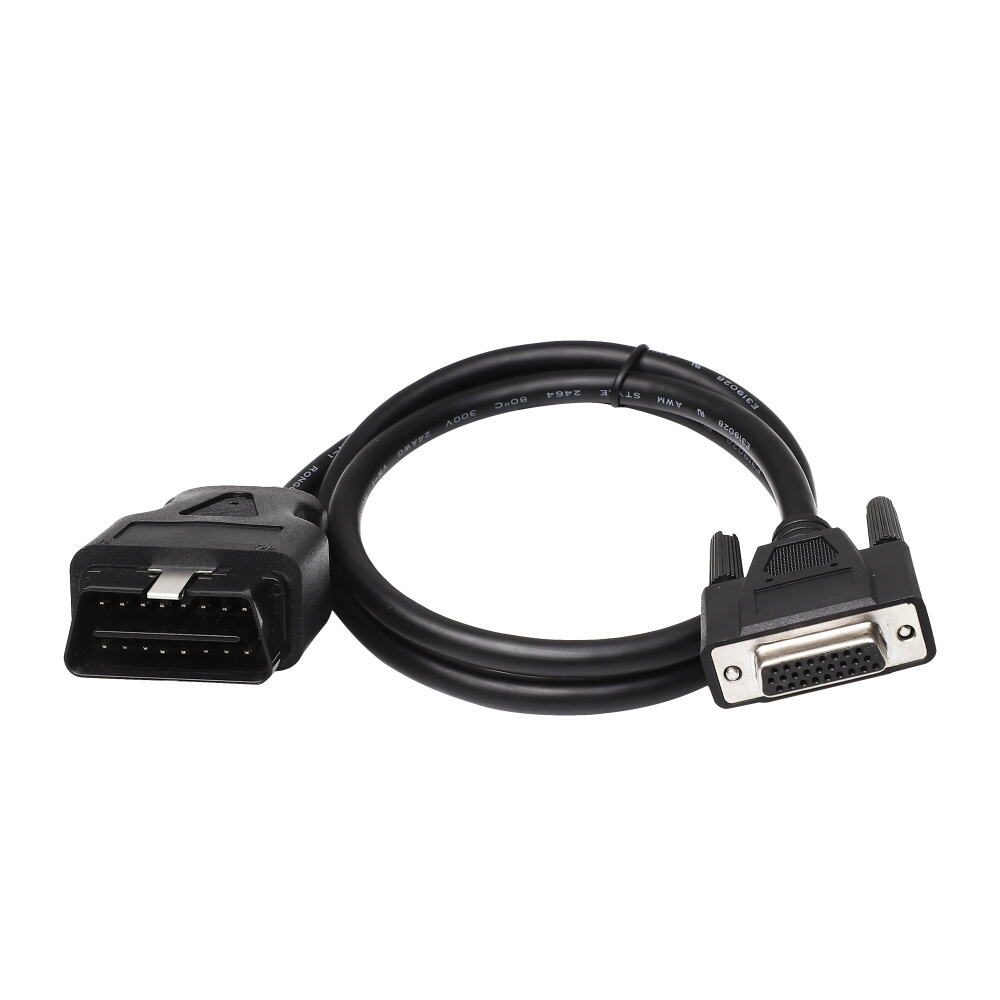
در دنیای سیستمهای برقی خودرو و صنعتی، سیمهای SAE بهعنوان یکی از قابلاعتمادترین و پرکاربردترین انواع رساناها شناخته میشوند. انجمن مهندسان خودرو (SAE) استاندارد SAE را تدوین کرده تا اطمینان حاصل شود که سیمهای SAE عملکردی یکنواخت، قابل اندازهگیری و قابل تکرار را در تمامی کاربردهایی که در آنها بهکار میروند، فراهم آورند. درک دلیل ترجیح این سیمها با شناخت تعهدات ساختاری و عملکردی که در هر مشخصاتی از سیمهای SAE گنجانده شدهاند، آغاز میشود.
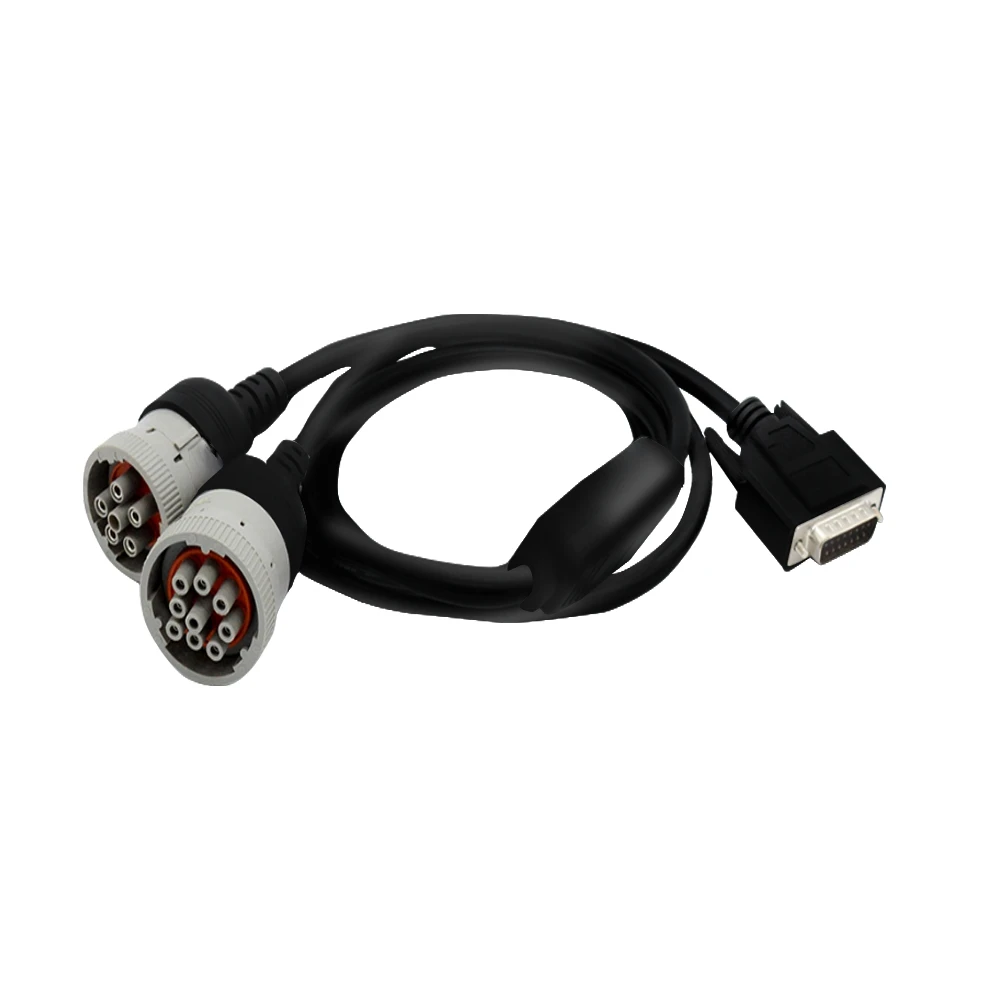
چه در کامیونهای سنگین، خودروهای سواری، ماشینآلات کشاورزی یا کابینتهای کنترل صنعتی استفاده شوند، سیمهای SAE مزایای متمایزی را ارائه میدهند که معادلهای عمومی آنها هرگز نمیتوانند به آنها برسند. این مقاله این مزایا را بهطور دقیق بررسی میکند و توضیح میدهد که چگونه سیمهای SAE به ایمنی سیستم، قابلیت اطمینان بلندمدت و سهولت ادغام برای مهندسان و متخصصان تدارکات کمک میکنند. هر یک از این مزایا که در اینجا بررسی شدهاند، مستقیماً به چارچوب استانداردسازیشدهای مرتبط است که تعریفکنندهٔ سیمهای SAE و نحوه عملکرد آنهاست.
معیارهای عملکرد استاندارد
چگونه سیمهای SAE رفتار الکتریکی قابل پیشبینی را تضمین میکنند
یکی از مهمترین مزایای سیمهای SAE، پیشبینیپذیری است که به طراحی سیستمهای الکتریکی اضافه میکند. از آنجا که سیمهای SAE بر اساس مشخصات دقیق و بهخوبی تعریفشدهای تولید میشوند که شامل اندازه هادی، ضخامت عایق، رده دمایی و ظرفیت ولتاژ میشود، مهندسان میتوانند پارامترهای عملکردی را با اطمینان قبل از ساخت هرگونه سیستمی محاسبه کنند. این پیشبینیپذیری حدسوگمان را از فرآیند طراحی حذف میکند و شکستهای پرهزینه نمونههای اولیه را کاهش میدهد. سیمهای SAE این امکان را به تیمهای طراحی میدهند که بر اساس صفحات داده منتشرشده کار کنند که رفتار واقعی و آزمایششده را منعکس میکنند، نه برآوردهای تولیدکننده.
ماهیت استاندارد سیمهای SAE همچنین کنترل کیفیت را در تولید انبوه سادهتر میکند. زمانی که هر دسته از سیمهای SAE با تolerances منتشرشدهٔ یکسان مطابقت داشته باشد، بازرسی ورودی سریعتر و قابل اعتمادتر میشود. تیمهای تأمین میتوانند سیمهای SAE را از تأمینکنندگان واجد شرایط تهیه کنند و اطمینان داشته باشند که ویژگیهای ابعادی و الکتریکی با انتظارات طراحی همسو خواهند بود. این ثبات بهویژه در کاربردهایی ارزشمند است که صدها سیم SAE در هارنسهای پیچیدهای مونتاژ میشوند که نیازمند رعایت دقیق مقاطع (gauge) و انطباق عایق هستند.
ردهبندی دما و محیطی در سیمهای SAE
سیمهای استاندارد SAE دارای ردهبندی دمایی خاصی هستند که بهطور دقیق نشاندهندهی میزان تنش حرارتیای است که این سیمها در طول عمر خدماتی خود میتوانند تحمل کنند. این سیستم ردهبندی، انتخاب سیمهای SAE مناسب برای محیط کاری مورد نظر را آسان میسازد؛ چه این محیط شامل گرماي موتور، قرارگیری در معرض اشعهی فرابنفش (UV) در فضای باز، یا مناطقی با احتمال پاشیدن مواد شیمیایی باشد. برخلاف سیمهای غیراستاندارد که ردهبندی دمایی آنها ممکن است تقریبی یا بدون آزمون باشد، ردهبندی دمایی سیمهای SAE بر اساس آزمونهای کنترلشدهی آزمایشگاهی تأیید شده است. بنابراین، مهندسانی که با سیمهای SAE کار میکنند میتوانند درجهی مناسب عایقبندی را بدون انتخاب بیشازحد یا کمتر از حد لازم انتخاب نمایند و همزمان هزینه و عملکرد را بهینه سازند.
مزایای سازگانی و جایگزینیپذیری
سازگانی سطح سیستمی ارائهشده توسط سیمهای SAE
یکی از مزایای عملی مهم سیمهای SAE، سازگاری گستردهی آنها با اتصالدهندهها، ترمینالها و سیستمهای کانالبندی محافظتی است. از آنجا که سیمهای SAE از تعاریف استاندارد شدهی قطر خارجی و کالیبر پیروی میکنند، بهطور قابل اعتمادی با اکوسیستم گستردهی اتصالدهندهها و اجزای آببندیکنندهی سازگار با SAE جفتمیشوند. این قابلیت تعویضپذیری، خطر خطاهای ناشی از عدم تناسب در حین مونتاژ و تعمیرات را بهطور قابل توجهی کاهش میدهد. هنگامی که یک تکنسین بخش آسیبدیدهای را با سیمهای SAEِ دارای مشخصات یکسان جایگزین میکند، تعمیر بهصورت کاملاً یکپارچه انجام میشود و نیازی به اتصالدهندهها یا آداپتورهای سفارشی ندارد.
سیمهای SAE همچنین از استراتژیهای تأمین چندمنبعی در مدیریت زنجیره تأمین پشتیبانی میکنند. از آنجا که تولیدکنندگان مؤهل متعددی سیمهای SAE را بر اساس استاندارد یکسانی تولید میکنند، تیمهای خرید مجبور به وابستگی به یک تأمینکنندهٔ منفرد نیستند. این انعطافپذیری به ایجاد قدرت چانهزنی، کاهش ریسک زمان تحویل و تضمین پیوستگی تأمین در دورههای کمبود کمک میکند. برای برنامههای سازندهٔ اصلی تجهیزات (OEM) و عملیات قطعات خدماتی، امکان جایگزینی سیمهای SAE از تأمینکنندگان مختلف بدون نیاز به بازطراحی، مزیت رقابتی ملموسی محسوب میشود.
سادهسازی طراحی هارنس با استفاده از سیمهای SAE
طراحان کابلبندی از ماهیت ماژولار سیمهای استاندارد SAE بهرهمند میشوند، زیرا مشخصات مشترک امکان استفاده مجدد از زیرمجموعههای اثباتشده را در پلتفرمهای مختلف خودرو یا تجهیزات فراهم میکند. هنگامی که یک کابلبندی ساختهشده با سیمهای SAE روی یک پلتفرم باید برای یک پلتفرم مرتبط دیگر تطبیق داده شود، مهندسان اغلب میتوانند بخشهایی از آن را بدون تغییر یا با حداقل اصلاحات مجدداً به کار ببرند. سیمهای SAE حجم تلاش مهندسی لازم برای اعتبارسنجی طرحهای جدید را کاهش میدهند، زیرا هر نوع موصل از پیش دارای سابقه عملکردی تأییدشده است. این امر چرخههای توسعه را تسریع کرده و هزینههای اعتبارسنجی را در برنامههایی که از سیمهای SAE استفاده میکنند، کاهش میدهد.
مزایای قابلیت اطمینان و ایمنی بلندمدت
ویژگیهای دوامی درونی در سیمهای SAE
سیمهای SAE با الزامات دوامی طراحی شدهاند که واقعیتهای سختگیرانه محیطهای موبایل و صنعتی را منعکس میکنند. مقاومت در برابر خمش، مقاومت در برابر سایش و صحت عایقبندی تحت ارتعاشات طولانیمدت، همگی در چارچوب مشخصات سیمهای SAE مورد توجه قرار گرفتهاند. این الزامات تضمین میکنند که سیمهای SAE در کاربردهایی که حرکت مداوم، تنش مکانیکی و قرار گرفتن در معرض مواد مایع، شرایط عادی عملیاتی هستند، بهصورت زودرس تخریب نمیشوند. مشخصکردن سیمهای SAE به این معناست که معیارهای دوام از پیش تعریف و آزمایش شدهاند و مهندسان کیفیت را با یک پایه قابلاطمینان برای پیشبینی عمر مفید تأمین میکنند.
ترکیبات عایقبندی استفادهشده در سیمهای SAE بهگونهای انتخاب میشوند که در برابر ترکخوردن، سختشدن و تخریب شیمیایی در دورههای طولانیمدت کاربرد مقاومت داشته باشند. این امر در کاربردهایی مانند تجهیزات کشاورزی و ساختوساز اهمیت قابلتوجهی دارد، زیرا سیمهای SAE ممکن است سالها پیاپی در معرض روغن هیدرولیک، کودها، مواد شوینده و چرخههای شدید تغییر دما قرار گیرند. پروفایل مقاومت شیمیایی عایق سیمهای SAE بخشی از استاندارد منتشرشده است؛ بنابراین، انطباق آن را میتوان از طریق نتایج آزمونهای مستند تأیید کرد، نه اینکه صرفاً بر اساس ادعاهای تأمینکننده اعتماد کرد.
رعایت الزامات ایمنی با استفاده از سیمهای SAE
از دیدگاه ایمنی، استفاده از سیمهای SAE در ساخت وسایل نقلیه و تجهیزات، رعایت مقررات صنعتی و الزامات کیفیت سازندگان اصلی (OEM) را تسهیل میکند. بسیاری از مراجع صدور گواهینامه و اپراتورهای فلوت، سیمهای SAE را بهعنوان حداقل الزامی مشخص میکنند؛ دقیقاً به این دلیل که این استاندارد چارچوبی مستند و قابل بازرسی برای ایمنی الکتریکی فراهم میکند. هنگامی که بازرسان ایمنی یک ساخت را بررسی میکنند، وجود سیمهای SAE همراه با گواهیهای ردیابیپذیر، فرآیند مستندسازی انطباق را سادهتر میسازد. این مزیت سیمهای SAE فراتر از خط تولید در حوزههای مدیریت گارانتی، حفاظت از مسئولیتپذیری و مستندسازی خدمات پس از فروش نیز گسترش مییابد.
سوالات متداول
تفاوت سیمهای SAE با سیمهای خودرویی عمومی چیست؟
سیمهای SAE بر اساس مشخصات منتشرشدهای تولید میشوند که اندازه هادی، درجه عایقبندی، ردهبندی دمایی و روشهای آزمون را تعریف میکنند. سیمهای عمومی خودرو ممکن است فاقد این معیارهای استاندارد باشند و در نتیجه عملکرد آنها کمتر قابل پیشبینی است. تفاوت اصلی این است که سیمهای SAE دارای دادههای عملکردی استاندارد و قابل اطمینانی هستند که مهندسان و تیمهای کیفیت میتوانند در طول چرخهی طراحی، تولید و خدمات به آنها اتکا کنند.
آیا سیمهای SAE را میتوان در کاربردهای صنعتی غیرخودرویی استفاده کرد؟
بله، سیمهای SAE معمولاً فراتر از کاربردهای خودرویی مورد استفاده قرار میگیرند. تابلوهای کنترل صنعتی، تجهیزات کشاورزی، ماشینآلات ساختمانی و سیستمهای دریایی اغلب سیمهای SAE را به دلیل مقاومت اثباتشده، سازگاری با اتصالدهندههای استاندارد و دسترسی آسان از طریق چندین تأمینکنندهٔ واجد شرایط مشخص میکنند. استحکام ذاتی سیمهای SAE آنها را برای هر محیطی که نیازمند اتصال الکتریکی پایینولتاژ قابل اعتماد باشد، مناسب میسازد.
چگونه باید مشخصات سیمهای SAE مناسب برای کاربرد خود را انتخاب کنم؟
انتخاب سیمهای SAE نیازمند تطبیق اندازه سیم (گیج) با بار جریان، انتخاب درجه حرارت مقاومت عایق متناسب با محیط کار و تأیید سازگاری قطر خارجی سیم با سیستم اتصالدهنده و لوله محافظ مورد استفاده است. مشخصات منتشرشده سیمهای SAE تمام پارامترهای لازم را ارائه میدهند و همکاری با تأمینکنندهای صلاحیتدار اطمینان میبخشد که سیمهای SAE تهیهشده توسط شما کل استاندارد را برآورده میکنند، نه صرفاً انطباق جزئی.