

 EN
EN
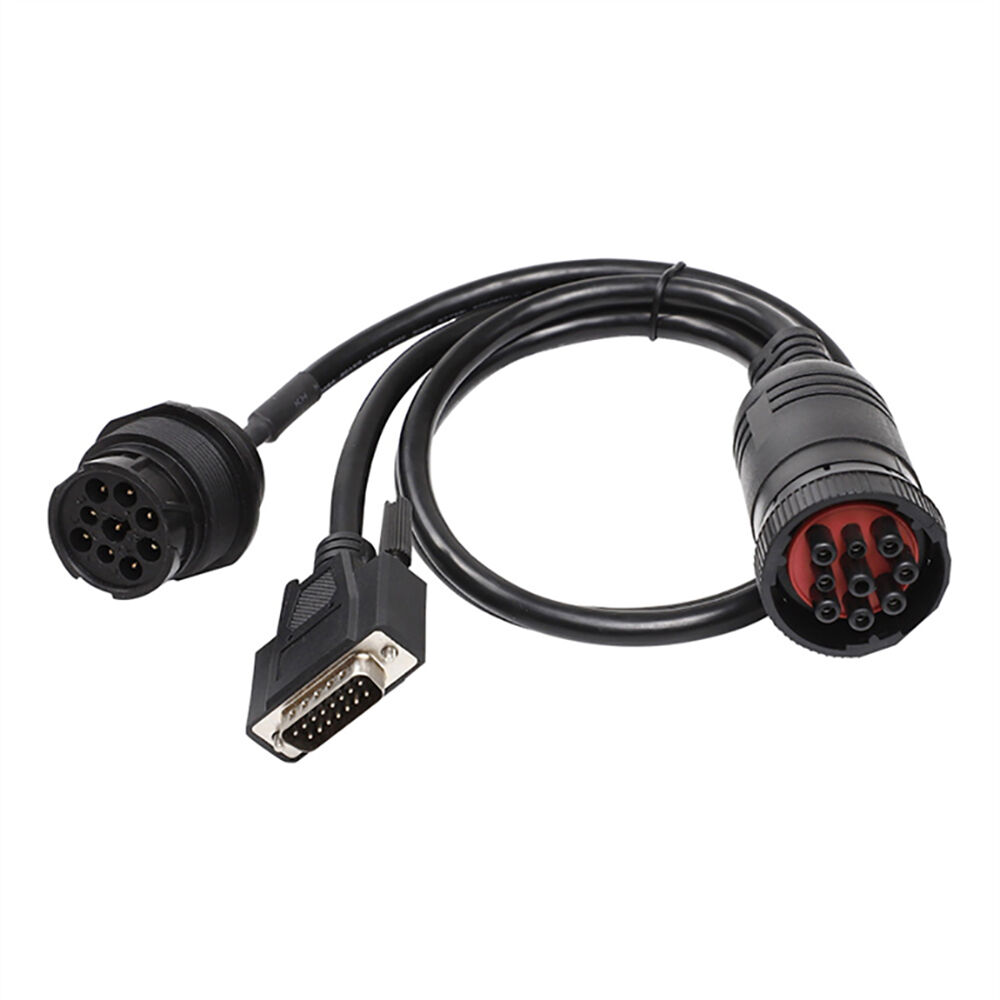
انتخاب مناسب دستگاه اتصال تبدیلکننده انتخاب هارنس آداپتور مناسب برای یک اسکنر خاص، یکی از حیاتیترین تصمیماتی است که یک تکنسین یا مدیر ناوگان میتواند اتخاذ کند. هارنس آداپتوری که با پروتکل، چیدمان پینها یا نوع اتصالدهندهٔ اسکنر سازگان نداشته باشد، یا اصلاً قادر به ارتباط با وسیله نقلیه نخواهد بود یا خطر آسیبرساندن به اجزای تشخیصی حساس را به همراه دارد. درک معیارهای کلیدی انتخاب پیش از خرید، زمان را صرفهجویی کرده، هزینهها را کاهش میدهد و اطمینان حاصل میکند که نتایج تشخیصی همواره دقیق باشند.
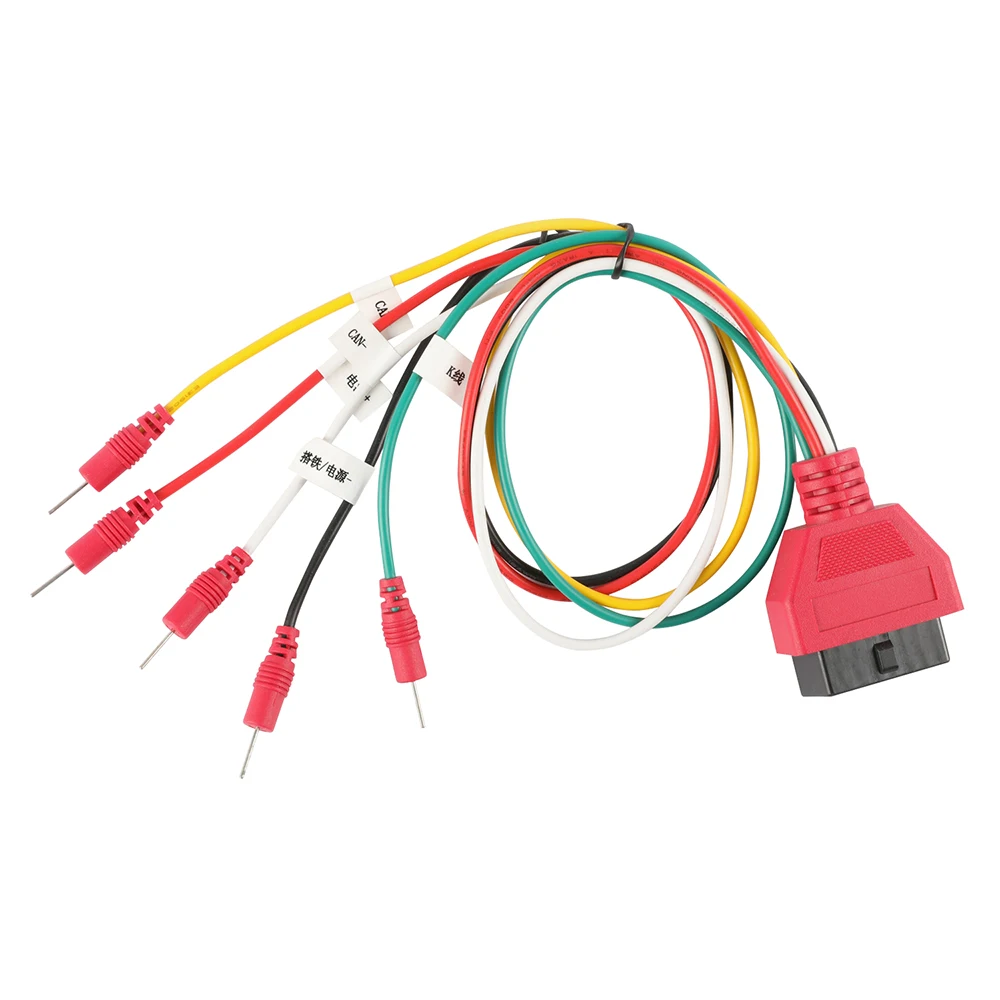
هر هارنس آداپتور بر اساس مجموعهای مشخص از استانداردهای الکتریکی و مکانیکی طراحی شده است. هنگامی که هارنس آداپتور بهدرستی با اسکنر تطبیق داده میشود، تبادل بیدرز دادهها بین ابزار اسکن و سیستمهای داخلی وسیله نقلیه را فراهم میکند. این راهنما عوامل اساسی را که تعیینکنندهٔ سازگان واقعی هارنس آداپتور با اسکنر شما هستند — از جمله سازگان اتصالدهنده، پشتیبانی از پروتکل، کیفیت ساخت سیمها و نیازمندیهای خاص کاربردی — را مرور میکند.
درک ماهیت اختصاصی اسکنر کانکتور الزامات
نوع اتصالدهنده و پیکربندی پین
اولین گام در انتخاب یک هارنس آداپتور، شناسایی دقیق نوع اتصالدهندهای است که اسکنر شما از آن استفاده میکند. اسکنرهای مختلف بر اساس استانداردهای رابط متفاوتی ساخته شدهاند و هر استاندارد نیازمند چیدمان خاصی از پینها است. بهعنوان مثال، یک هارنس آداپتور طراحیشده برای رابط OBD2 دارای پیکربندی اتصالدهندهای با ۱۶ پین است، درحالیکه سایر رابطهای اختصاصی اسکنر ممکن است از اشکال م housings متفاوت و تعداد پینهای متفاوتی استفاده کنند. تأیید تعداد پینها و جنس (مرد یا زن بودن) اتصالدهندهٔ هارنس آداپتور در مقابل پورت اسکنر شما قبل از هر تصمیمی برای خرید ضروری و غیرقابل انکار است.
فراتر از تعداد پینها، مکانیزم قفلکنندهٔ اتصالدهندهٔ هارنس آداپتور در محیطهای حرفهای اهمیت دارد. اتصال شل هارنس آداپتور میتواند جریان دادهها را در حین اسکن قطع کند و منجر به خواندنهای اشتباه خطایی یا لاگهای عیبیابی ناقص شود. اگر اسکنر در محیطهای با ارتعاش بالا مانند کارگاهها یا وانتهای خدمات موبایل استفاده میشود، هارنس آداپتوری با مکانیزم قفل ایمن (مانند قفل فنری یا پیچی) را انتخاب کنید.
پروتکل و سازگاری سیگنال
یک هارنس اداپتور باید از نظر الکتریکی با پروتکلهای ارتباطی که اسکنر از آنها پشتیبانی میکند، سازگار باشد. پروتکلهای رایج شامل CAN، ISO 9141، KWP2000 و J1850 هستند. اگر هارنس اداپتور سیگنالها را از طریق سیمهایی منتقل کند که ضد تداخل نبوده یا برای آن پروتکلها رتبهبندی نشدهاند، تضعیف سیگنال یا تداخل بین کانالها میتواند دادههای تشخیصی را مخدوش کند. همیشه اطمینان حاصل کنید که هارنس اداپتور برای پروتکلهای مورد استفاده توسط اسکنر شما رتبهبندی شده و تحت سطوح ولتاژ و جریانی که آن پروتکلها نیاز دارند، آزمایش شده است.
ارزیابی کیفیت سیم و استانداردهای ساخت
تعداد سیمهای هستهای و سطح مقطع
ساختار سیمهای داخلی هارنس اتصالدهنده بهطور مستقیم بر قابلیت اطمینان و عمر مفید آن تأثیر میگذارد. بهعنوان مثال، یک هارنس اتصالدهنده ۱۶ رشتهای، مسیرهای اختصاصی را برای هر خط سیگنال، زمین و تغذیه برق مورد نیاز برای یک تنظیم تشخیصی کامل OBD2 فراهم میکند. تعداد رشتههای کمتر ممکن است به معنای استفاده از مسیرهای مشترک باشد که نویز را در کانالهای اندازهگیری حساس وارد میکند. هنگام ارزیابی یک هارنس اتصالدهنده برای یک اسکنر خاص، تعداد رشتهها را در مشخصات محصول بررسی کنید و آن را با تعداد پینهای فعالی که اسکنر شما استفاده میکند، تطبیق دهید.
مساحت مقطع هادیهای داخلی هارنس اتصالدهنده نیز اهمیت دارد. هادیهای نازکتر مقاومت را در طولهای بلندتر هارنس افزایش میدهند که ممکن است منجر به افت ولتاژ شود؛ برخی از اسکنرها این افت ولتاژ را بهعنوان شرایط خطا تفسیر میکنند. برای استفاده حرفهای در تشخیص، یک هارنس اتصالدهنده با هادیهایی بهاندازه مناسب، انتقال پایدار سیگنال را در تمام محدوده دمایی عملیاتی اسکنر تضمین میکند.
عایقبندی، محافظت الکترومغناطیسی و جنس روکش
پوشش خارجی و ماده عایق یک هارنس اتصالدهنده، دوام آن را در شرایط کارگاهی تعیین میکند. یک هارنس اتصالدهنده باکیفیت باید از ماده عایق مقاوم در برابر شعله استفاده کند که در برابر روغن، مایع خنککننده و سایش مقاوم باشد. در محیطهایی که هارنس اتصالدهنده بهطور مکرر پیچیده و باز میشود، انعطافپذیری پوشش کابل، خطر ترکخوردن عایق در نقاط خم شدن را کاهش میدهد. کابلهای هارنس اتصالدهنده محافظدار نیز تداخل الکترومغناطیسی ناشی از تجهیزات کارگاهی مجاور را کاهش میدهند که این امر بهویژه هنگامی که اسکنر سیگنالهای سنسور با دامنه کم را میخواند، اهمیت زیادی دارد.
تطابق هارنس اتصالدهنده با کاربرد و نوع خودرو
کاربردهای OBD2 و خودروهای قدیمی
خودروهای مدرن سازگاندار با استاندارد OBD2 نیازمند یک هارنس اتصالدهنده هستند که بهطور کامل از رابط استاندارد ۱۶ پینی DLC پشتیبانی میکند. با این حال، خودروهای قدیمی، کامیونهای سنگین و برخی از تجهیزات تخصصی خارج از جاده از پورتهای تشخیصی غیراستاندارد استفاده میکنند. برای این کاربردها، یک هارنس اتصالدهنده اختصاصی با نقشهبندی سفارشی پینها ضروری است. پیش از انتخاب هارنس اتصالدهندهای برای اسکنری که قرار است در ناوگانهای ترکیبی استفاده شود، اطمینان حاصل کنید که این هارنس از تمام دستههای خودرویی موجود در ناوگان پشتیبانی میکند؛ یا سرمایهگذاری کنید روی مجموعهای از پیکربندیهای هارنس اتصالدهنده ماژولار که بسته به نوع خودرو قابل تعویض هستند.
برخی از اسکنرهای طراحیشده برای وسایل نقلیه تجاری سنگین، به یک هارنس آداپتور نیاز دارند که برای بار جریان بالاتری نسبت به ابزارهای تشخیصی معمولی خودروهای سواری رتبهبندی شده است. استفاده از یک هارنس آداپتور با رتبهبندی پایینتر در این سناریوها میتواند منجر به گرمشدن اتصالدهنده، از بین رفتن عایق یا حتی آسیب دائمی به رابط اسکنر شود. همیشه به مستندات فنی اسکنر مراجعه کنید تا حداکثر جریانی را که هارنس آداپتور باید در طول جلسات تشخیصی فعال تحمل کند، مشخص کنید.
ملاحظات طول کابل و مسیریابی
طول فیزیکی هارنس آداپتور بر اینکه چگونه یک تکنسین بتواند اسکنر را در حین کار روی وسیله نقلیه در موقعیت مناسبی قرار دهد، تأثیر میگذارد. هارنس آداپتور بسیار کوتاه، اسکنر را مجبور میکند که نزدیک به پورت OBD آویزان شود؛ که در خودروهایی که این پورت در فضای تنگ پایی (Footwell) قرار دارد، ممکن است باعث ناراحتی شود. از سوی دیگر، هارنس آداپتور بیشازحد بلند، مقاومت اضافی ایجاد کرده و احتمال گرهخوردن آن را افزایش میدهد. انتخاب هارنس آداپتور با طول کاری عملی بین ۱٫۵ تا ۲ متر معمولاً بهترین تعادل را بین دسترسی و صحت سیگنال برای اکثر کاربردهای تشخیصی فراهم میکند. همچنین گزینههای هارنس آداپتور اکستنشن نیز در دسترس هستند، زمانی که واقعاً به دسترسی بیشتری نیاز است بدون اینکه کیفیت سیگنال قربانی شود.
سوالات متداول
آیا یک هارنس آداپتور میتواند با چندین برند اسکنر کار کند؟
در برخی موارد، یک هارنس آداپتور جهانی که مطابق استانداردهای OBD2 ساخته شده است، میتواند با چندین برند اسکنر که از رابط اتصال یکسانی بهره میبرند، سازگان باشد. با این حال، سیستمهای اسکنر اختصاصی اغلب به دلیل نقشهبرداری خاص پینها یا پیادهسازی پروتکلهای منحصربهفرد، نیازمند یک هارنس آداپتور اختصاصی برای آن برند هستند. همیشه قبل از اینکه فرض کنید یک هارنس آداپتور جهانی در ابزارهای مختلف بهدرستی کار میکند، سازگانی آن را با سازندهٔ اسکنر تأیید نمایید.
چگونه میتوانم بررسی کنم که یک هارنس آداپتور از پروتکل ارتباطی مناسب پشتیبانی میکند؟
برگهٔ مشخصات فنی یا صفحهٔ دادههای محصول هارنس آداپتور را بررسی کنید که باید فهرست پروتکلهای ارتباطی پشتیبانیشده را ذکر نماید. این فهرست را با پروتکلهایی که در راهنمای کاربری اسکنر شما مستند شدهاند، مقایسه کنید. اگر مشخصات هارنس آداپتور بهصورت صریح پروتکل مورد نیاز را فهرست نکرده باشد، قبل از خرید با تأمینکننده تماس بگیرید و تأییدیهٔ لازم را دریافت کنید تا از بروز مشکلات سازگانی در محل کار جلوگیری شود.
چه نشانههایی نشاندهندهٔ فرسودگی یا خرابی یک هارنس آداپتور هستند؟
نشانههای رایج خرابی هارنس آداپتور شامل قطعشدن متناوب اسکنر، خطاهای مکرر ارتباطی در جلسات تشخیصی پایدار، ترکخوردن یا فرسودگی قابلمشاهدهی روکش هارنس و اتصالدهندههایی است که دیگر بهصورت امن قفل نمیشوند. هارنس آداپتور فرسوده باید بلافاصله تعویض شود، زیرا اتصالات نامطمئن میتوانند دادههای تشخیصی نادرستی تولید کنند که منجر به تصمیمات اشتباه تعمیر و تعویض غیرضروری قطعات میشود.