
 EN
EN
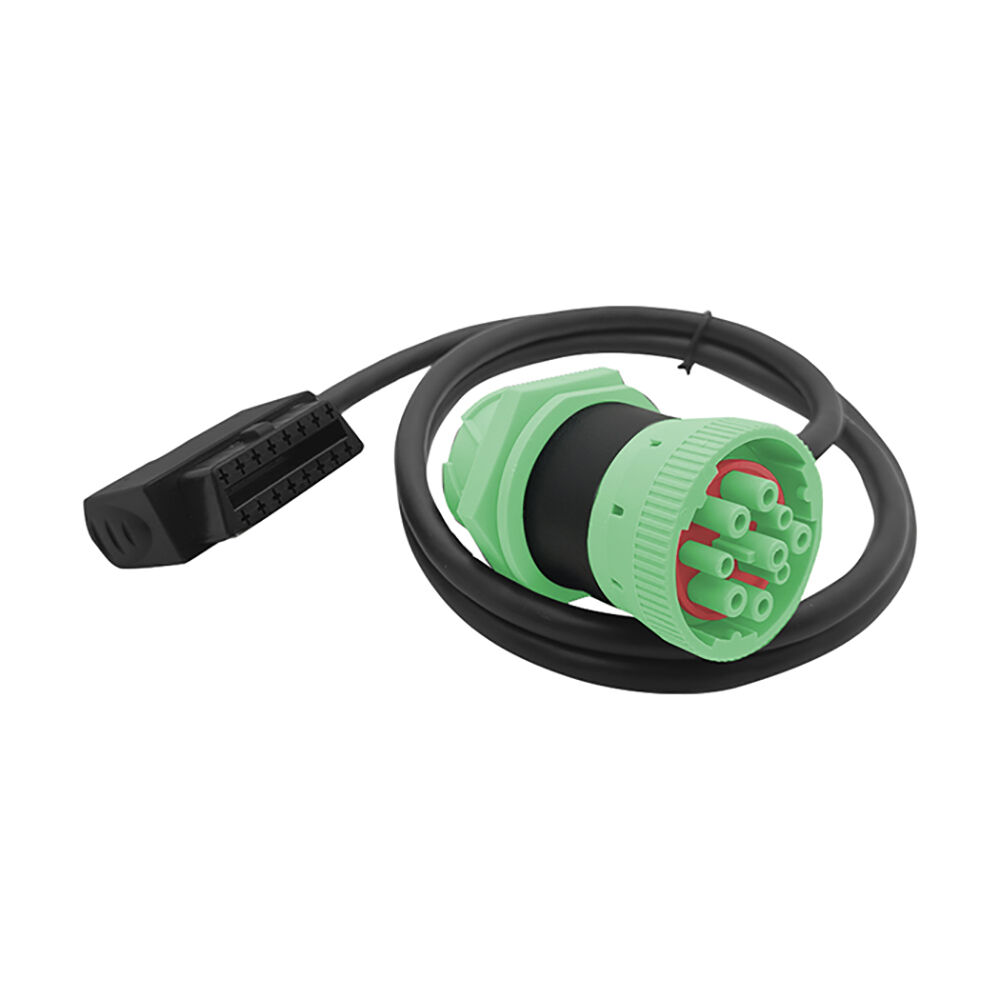
Výběr správného dodavatel extrudovaných automobilových kabelových svazků je jedním z nejdůležitějších rozhodnutí v oblasti nákupu, které může výrobce vozidel nebo integrátor první úrovně učinit. Proces extruze přímo ovlivňuje kvalitu izolace, integritu vodičů a dlouhodobou odolnost každého kabelového svazku opouštějícího výrobní halu. Chybné rozhodnutí v této oblasti může vést k nákladným stahováním vozidel z trhu, porušení předpisů a výrobním zpožděním, jejichž dopady se šíří celým dodavatelským řetězcem.
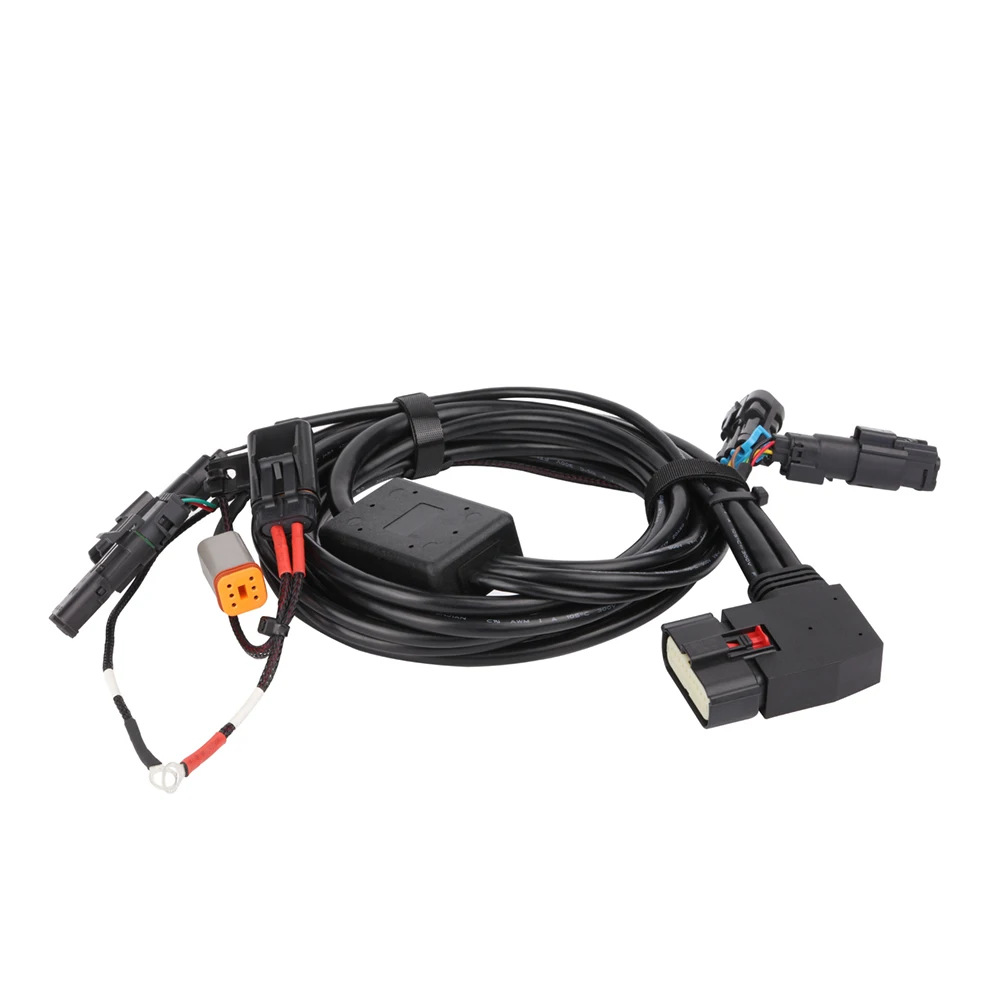
Zkušený dodavatel extrudovaných automobilových kabelových svazků přináší na stůl více než pouhou výrobní kapacitu. Přináší kalibrované extruzní linky, ověřené materiálové vědecké poznatky a disciplinovanou kontrolu procesů, která je nezbytná pro splnění přísných tolerancí vyžadovaných moderními elektrickými systémy vozidel. Tento článek popisuje nejdůležitější kritéria pro výběr dodavatele, aby nákupní a inženýrské týmy mohly jakéhokoli dodavatele extrudovaných automobilových kabelových svazků posoudit s jistotou a přehledností.
Technická způsobilost a standardy procesů
Přesnost extruzní linky a rozsah zpracovávaných materiálů
Prvním kritériem při hodnocení dodavatele extruzí pro automobilové kabelové svazky je přesnost jeho extruzního zařízení. Spolehlivý dodavatel extruzí pro automobilové kabelové svazky musí provozovat extruzní linky schopné udržovat stálou tloušťku izolační vrstvy v rámci úzkých tolerancí napříč širokým rozsahem průměrů vodičů. Kolísání tloušťky izolační vrstvy přímo vede k dielektrickým poruchám, citlivosti na opotřebení a předčasnému stárnutí v prostředích s vysokou vibrací. Požádejte každého potenciálního dodavatele extruzí pro automobilové kabelové svazky, aby poskytl indexy způsobilosti procesu, například hodnoty Cpk, pro své hlavní extruzní operace.
Manipulace s materiálem je stejně důležitá. Kvalifikovaný dodavatel extrudovaných kabelových svazků pro automobilový průmysl by měl pracovat s širokou škálou termoplastických směsí, včetně PVC, síťovaného polyethylenu a termoplastických elastomerů. Každá směs vyžaduje odlišné zpracovatelské teploty, konstrukci šneků a parametry chlazení. Dodavatel extrudovaných kabelových svazků pro automobilový průmysl, který ovládá více rodin materiálů, prokazuje technickou hlubokost spíše než úzkou komoditní schopnost.
Řízení kvality a certifikace
Jakýkoli vážný dodavatel extrudovaných kabelových svazků pro automobilový průmysl musí držet certifikát IATF 16949, což je uznávaný standard pro systémy řízení kvality v oblasti výroby a servisních dílů pro automobilový průmysl. Tento certifikát signalizuje, že dodavatel extrudovaných kabelových svazků pro automobilový průmysl začlenil do každodenních provozních procesů řídicí mechanismy, systémy sledovatelnosti a disciplíny neustálého zlepšování. Kromě IATF 16949 ověřte, zda dodavatel extrudovaných kabelových svazků pro automobilový průmysl splňuje příslušné normy pro materiály, jako jsou RoHS, REACH, a jakékoli výrobkové seznamy schválených materiálů stanovené jednotlivými výrobci vozidel (OEM). Dokumentace o shodě musí být snadno dostupná a pravidelně aktualizovaná.
Výrobní kapacita a spolehlivost dodavatelského řetězce
Škálovatelnost objemu a dodací lhůty
Schopný dodavatel extrudovaných kabelových svazků pro automobilový průmysl musí prokázat schopnost škálovat výrobu v reakci na spuštění nových platform, přechody mezi modelovými ročníky a náhlé nárůsty poptávky, aniž by se zhoršila kvalita. Požádejte jakéhokoli uvažovaného dodavatele extrudovaných kabelových svazků pro automobilový průmysl o historická data o dodání včas. Silná historie dodávek včas je spolehlivým ukazatelem budoucí spolehlivosti dodávek. Dodavatel extrudovaných kabelových svazků pro automobilový průmysl, který má potíže s dodržením termínů dodávek za normálních podmínek poptávky, bude téměř jistě podávat slabší výsledky při rychlém zvyšování objemů výroby nebo při poruchách dodávek.
Pečlivě vyhodnoťte rozsah činnosti dodavatele extrudovaných kabelových svazků pro automobilový průmysl. Dodavatel, který provozuje více výrobních míst, poskytuje geografickou redundanci, čímž snižuje riziko jediného bodu selhání ve vašem dodavatelském řetězci. Dodavatel extrudovaných kabelových svazků pro automobilový průmysl s pouze jedním provozem nese koncentrované provozní riziko, které je třeba zohlednit ve vaší strategii získávání zdrojů. Dále potvrďte, že dodavatel extrudovaných kabelových svazků pro automobilový průmysl udržuje dostatečnou rezervu surovin, aby byl schopen absorbovat krátkodobé přerušení dodávek pryskyřic bez dopadu na vaše výrobní plány.
Technická podpora a míra přizpůsobení
Moderní automobilové programy často vyžadují speciální profily izolace, specializované obalové směsi nebo geometrie kabelových svazků, které se odchylují od standardních nabídek v katalozích. Dodavatel extrudovaných kabelových svazků pro automobilový průmysl s vlastními inženýrskými zdroji může společně vyvíjet řešení, která splňují požadavky konkrétního programu, místo aby nutil kompromisy v návrhu. Posuďte, zda dodavatel extrudovaných kabelových svazků pro automobilový průmysl disponuje specializovaným týmem aplikacního inženýrství, schopností návrhu nástrojů a formálním procesem uvádění nových výrobků na trh. Tato hloubka inženýrského zapojení odlišuje skutečného partnera ve vývoji od transakčního dodavatele extrudovaných kabelových svazků pro automobilový průmysl, který se zaměřuje pouze na opakované objednávky.
Hodnota dlouhodobého partnerství a řízení rizik
Transparentnost, komunikace a finanční stabilita
Vztah s dodavatelem extrudovaných kabelových svazků pro automobilový průmysl sahá daleko za první objednávku. Posuďte, jak jasně a preventivně dodavatel komunikuje ohledně kvalitních problémů, změn materiálů a kapacitních omezení. Důvěryhodný dodavatel extrudovaných kabelových svazků pro automobilový průmysl by měl provozovat systém předčasného upozornění na kvalitu, který zákazníky informuje ještě před tím, než dojde k problému na výrobní lince, nikoli až poté, co se vadný výrobek dostane na trh. Finanční stabilita je dalším nepostradatelným kritériem. Dodavatel extrudovaných kabelových svazků pro automobilový průmysl, který čelí finančním potížím, může odložit údržbu zařízení, snížit kontrolu kvality materiálů nebo mít potíže s investicemi do procesních vylepšení, které vyžaduje váš projekt.
Závazek ke stálému zlepšování a inovacím
Automobilový průmysl se rychle vyvíjí, přičemž elektrifikace, snižování hmotnosti a architektury s vysokým napětím kladou nové požadavky na každého dodavatele izolovaných kabelových svazků pro automobily na trhu. Vyberte si dodavatele izolovaných kabelových svazků pro automobily, který aktivně investuje do inovací výrobních procesů, vývoje nových směsí a modernizace zařízení. Dodavatel izolovaných kabelových svazků pro automobily, který je zavázán k neustálému zlepšování, pomůže vašim projektům zůstat konkurenceschopnými po celou víceletou životnost vozidla, nikoli poskytnutím statických kapacit, které se postupně stávají zastaralými vzhledem k pokročilým požadavkům na platformy. Zeptejte se potenciálních dodavatelů na jejich nedávné kapitálové investice a na jejich plán přijetí nových izolačních materiálů vhodných pro tepelné prostředí elektrických vozidel.
Dokumentování všech výsledků hodnocení dodavatelů v standardizované bodové tabulce umožňuje týmům pro nákup a vývoj objektivně porovnávat jednotlivé dodavatele extrudovaných kabelových svazků pro automobilový průmysl. Váhu přiřaďte technickým schopnostem, certifikacím kvality, historii dodávek, technické podpoře, finanční stabilitě a závazku vůči inovacím podle priorit vašeho programu. Bodovou tabulku pravidelně aktualizujte, jak se vztah s dodavatelem extrudovaných kabelových svazků pro automobilový průmysl vyvíjí, neboť výkon v počátečních fázích programu nezaručuje nutně stejné chování v plném výrobním objemu.
Často kladené otázky
Jaké certifikáty by měl mít dodavatel extrudovaných kabelových svazků pro automobilový průmysl?
Dodavatel extrudovaných kabelových svazků pro automobilový průmysl by měl mít minimálně certifikaci IATF 16949 a zároveň splňovat předpisy týkající se materiálů RoHS a REACH. V závislosti na požadavcích vašeho výrobce vozidel (OEM) může dodavatel extrudovaných kabelových svazků pro automobilový průmysl potřebovat také konkrétní schválení materiálů v souladu s interními standardy výrobce vozidel.
Jak posoudím výrobní kapacitu dodavatele izolace pro automobilové kabelové svazky?
Požádejte o historické záznamy o dodání včas, aktuální míru využití zařízení a počet aktivních výrobních zařízení. Dodavatel izolace pro automobilové kabelové svazky s více výrobními místy a zdokumentovanými procesy plánování kapacity nabízí lepší spojitost dodávek než jedno výrobní zařízení s omezenou redundancí.
Proč je inženýrská podpora důležitá při výběru dodavatele izolace pro automobilové kabelové svazky?
Dodavatel izolace pro automobilové kabelové svazky s vyhrazenými inženýrskými zdroji může společně vyvíjet vlastní řešení izolace, podporovat uvedení nových výrobků na trh a řešit technické problémy již v rané fázi návrhu. Tato schopnost snižuje riziko projektu a zkracuje dobu od návrhu do výroby ve srovnání s prací s dodavatelem izolace pro automobilové kabelové svazky, který nabízí pouze standardní produkty z katalogu.