

 EN
EN
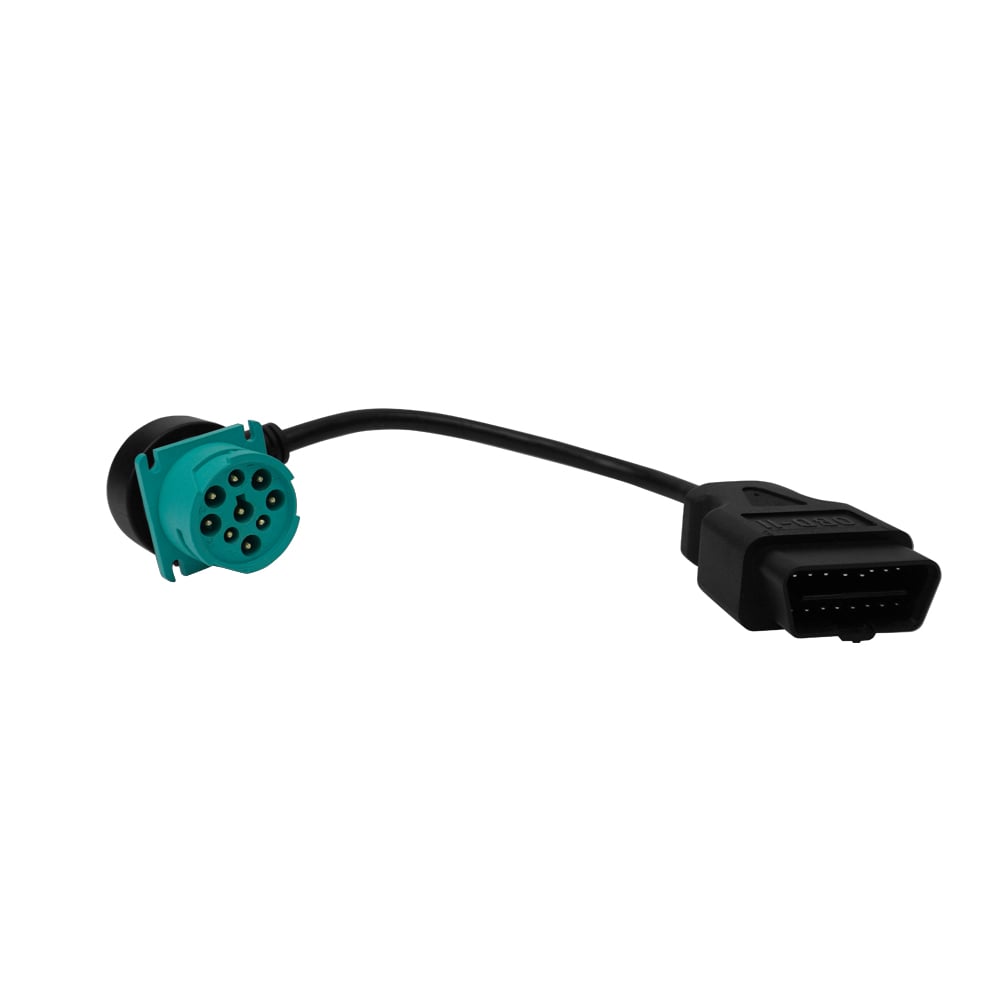
Modern vehicle diagnostics depend on reliable communication between diagnostic equipment and engine control modules, and the quality of your obd2 cable directly determines how quickly and accurately this data transfer occurs. When a technician connects a diagnostic scanner to a vehicle, the obd2 cable serves as the physical bridge that enables real-time data streaming, error code retrieval, and system analysis. Understanding how a custom obd2 cable achieves fast data syncs requires insight into electrical connectivity, protocol support, and construction quality—all factors that distinguish high-performance diagnostic tools from standard equipment.
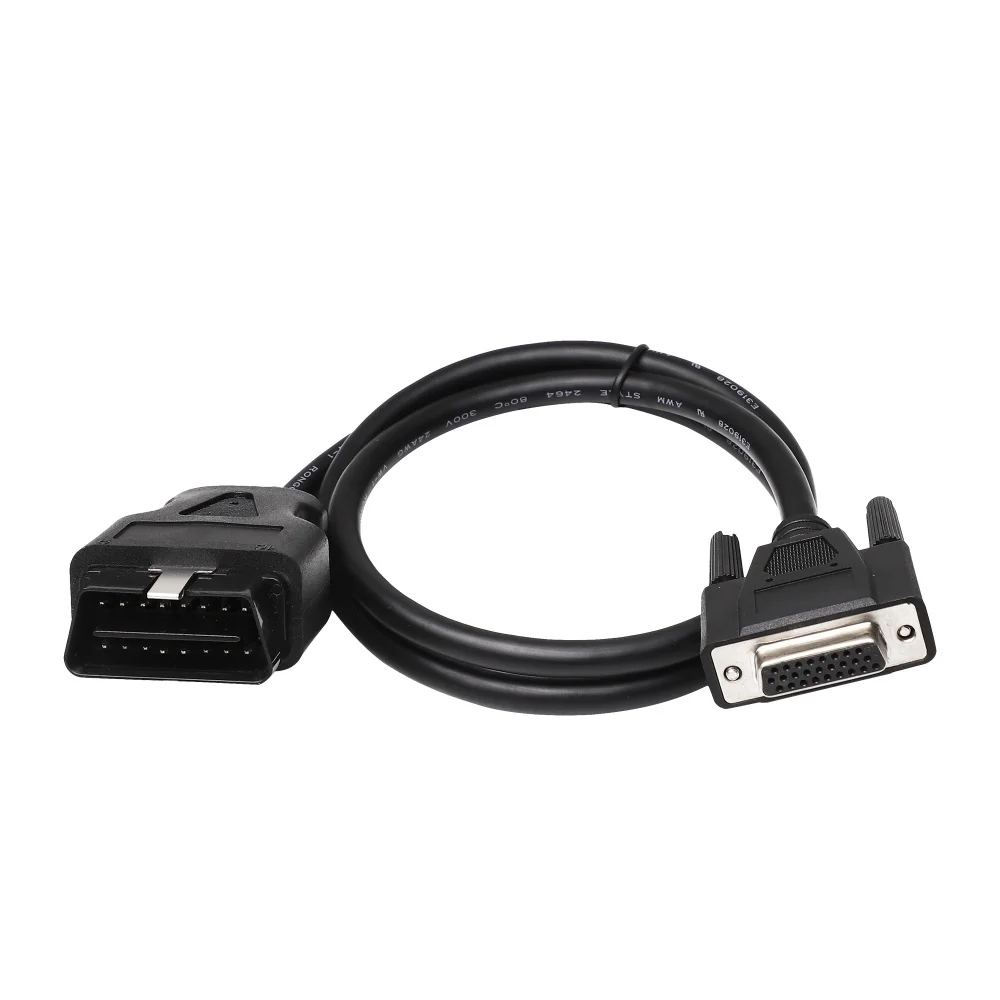
A custom obd2 cable optimizes data transfer speed through precision engineering in connector design, shielding architecture, and protocol implementation. Unlike generic cables that meet minimum compliance standards, a purpose-built obd2 cable incorporates enhanced signal integrity features, reduced electromagnetic interference, and optimized pin configurations that allow diagnostic scanners to establish faster handshakes with vehicle systems. This article explores the technical mechanisms that enable a custom obd2 cable to deliver superior performance in automotive diagnostic environments.
Understanding OBD2 Cable Architecture and Connector Standards
The 16-Pin Connector and Data Line Configuration
The standard obd2 cable terminates in a 16-pin connector that carries both power and data signals according to SAE J1962 specifications. Pin 4 and Pin 5 provide ground connections, Pin 16 supplies 12-volt power, while Pins 6 and 14 carry the CAN bus high and low signals respectively. A custom obd2 cable precisely positions each conductor within the connector housing to minimize crosstalk and signal degradation. This attention to pin alignment and spacing ensures that diagnostic data packets travel with minimal latency between the vehicle's onboard diagnostics system and the external scanner.
Shielding and Electromagnetic Interference Control
Modern vehicles generate substantial electromagnetic noise from ignition systems, alternators, and high-voltage components, which can corrupt data transmission if an obd2 cable lacks adequate shielding. A premium custom obd2 cable incorporates multiple layers of foil and braid shielding around data lines, with proper grounding to dissipate interference energy. This shielding design allows the obd2 cable to maintain signal integrity even in high-noise engine compartments, enabling faster sync cycles because the diagnostic scanner does not need to resend corrupted packets or establish error-correction protocols.
Protocol Support and Communication Speed Optimization
CAN Bus Implementation in Modern OBD2 Cables
Contemporary vehicles predominantly use CAN bus architecture for onboard diagnostics, and a custom obd2 cable supports CAN 2.0B protocol at speeds up to 1 megabit per second. The obd2 cable's internal wiring must maintain precise impedance matching, typically 120 ohms for CAN twisted pair conductors, to prevent signal reflections that would slow data transmission. When an obd2 cable meets impedance specifications, the diagnostic scanner can read vehicle parameters, access freeze frames, and clear diagnostic trouble codes in milliseconds rather than seconds. A poorly constructed obd2 cable with impedance variations forces the scanner to employ error detection and retransmission, substantially degrading performance.
Protocol Bridging for Legacy and Modern Systems
Diagnosticians often encounter vehicles with multiple communication protocols—legacy OBD systems alongside modern CAN architectures—and a versatile custom obd2 cable supports both standards simultaneously. The obd2 cable's internal routing ensures that ISO 9141-2 and ISO 14230-4 protocols can operate independently through separate line conditioning circuits without interference. This protocol flexibility allows a single obd2 cable to establish fast synchronization with diverse vehicle models and diagnostic software platforms, eliminating the need for technicians to switch cables between different vehicle generations.
Connector Quality and Data Sync Performance
Gold-Plated Contacts and Corrosion Prevention
The electrical contacts within an obd2 cable connector must maintain low resistance across thousands of connection cycles, and gold plating provides superior corrosion resistance compared to bare copper or tin-plated alternatives. A custom obd2 cable features gold-plated pins and sockets that resist oxidation, salt spray, and chemical exposure from automotive fluids. These high-quality contacts ensure consistent electrical contact resistance below 50 milliohms, allowing the obd2 cable to maintain stable voltage levels and enable faster data transmission without signal attenuation. Over time, an inferior obd2 cable develops contact corrosion that increases resistance to 200–500 milliohms, forcing the diagnostic scanner to reduce communication speed to prevent packet loss.
Strain Relief and Mechanical Durability
Professional diagnostic environments demand obd2 cable durability through repeated use, temperature cycling, and mechanical stress at the connector joint. A well-engineered custom obd2 cable incorporates overmolded strain relief that distributes stress evenly across the cable jacket, preventing the internal conductors from experiencing micro-fractures that degrade signal quality. When the obd2 cable maintains mechanical integrity, the continuous electrical pathway remains stable, enabling the diagnostic scanner to establish synchronization protocols without delays caused by intermittent connection issues. The difference between a disposable obd2 cable and a professional-grade version becomes apparent after 50–100 uses when cheaper cables begin exhibiting connection instability.
Installation Considerations and Fast Sync Best Practices
Proper Seating and Connection Establishment
Achieving fast data syncs with an obd2 cable requires proper connector seating to establish all 16 pin contacts simultaneously. A custom obd2 cable includes tactile feedback mechanisms, such as a positive latch or audible click, that confirm full insertion into the vehicle's OBD2 port. This design feature prevents the common problem of partial insertion where several pins contact while others remain separated, which creates intermittent errors and forces the diagnostic scanner to retry synchronization repeatedly. By ensuring positive electrical contact through the entire 16-pin array, the obd2 cable enables the scanner to establish communication in under one second rather than 3–5 seconds required when connections are marginal.
Cable Routing and Environmental Optimization
The path an obd2 cable takes from the vehicle connector to the diagnostic scanner influences data sync speed through electromagnetic exposure and physical strain. A professional custom obd2 cable should route away from high-voltage ignition wires, battery cables, and engine control module housings to minimize induced noise. When technicians route an obd2 cable through proper cable channels and away from heat sources, the connector remains at stable temperature and the internal conductors experience minimal thermal stress. This environmental optimization allows the obd2 cable to maintain predictable electrical characteristics, enabling faster handshake protocols and reducing the time required for diagnostic software to establish stable communication with vehicle systems.
FAQ
What makes a custom obd2 cable faster than standard cables?
A custom obd2 cable achieves faster data syncs through superior shielding that reduces signal noise, gold-plated contacts that maintain low resistance, and impedance-matched conductors that support higher communication speeds. Standard obd2 cables meet minimum regulatory compliance but often use cheaper materials and construction methods that introduce signal degradation, requiring diagnostic scanners to employ error correction protocols that slow overall synchronization speed.
Can an obd2 cable affect diagnostic accuracy?
Yes, a degraded obd2 cable can cause data corruption that leads to missed diagnostic codes or false positive readings. When an obd2 cable develops poor contacts, intermittent connections, or inadequate shielding, the diagnostic scanner receives incomplete or corrupted data packets, which may result in retransmission delays or misinterpretation of vehicle parameters. Using a high-quality custom obd2 cable ensures clean signal transmission that improves both diagnostic speed and reliability.
How often should an obd2 cable be replaced?
A professional-grade custom obd2 cable typically lasts 2–3 years of regular use in busy diagnostic shops before connector wear or internal conductor fatigue requires replacement. Factors including temperature extremes, mechanical stress during installation and removal, and exposure to automotive fluids accelerate the aging process. Regular inspection of an obd2 cable's connector and jacket helps identify wear indicators that signal replacement timing before performance degradation occurs.