

 EN
EN
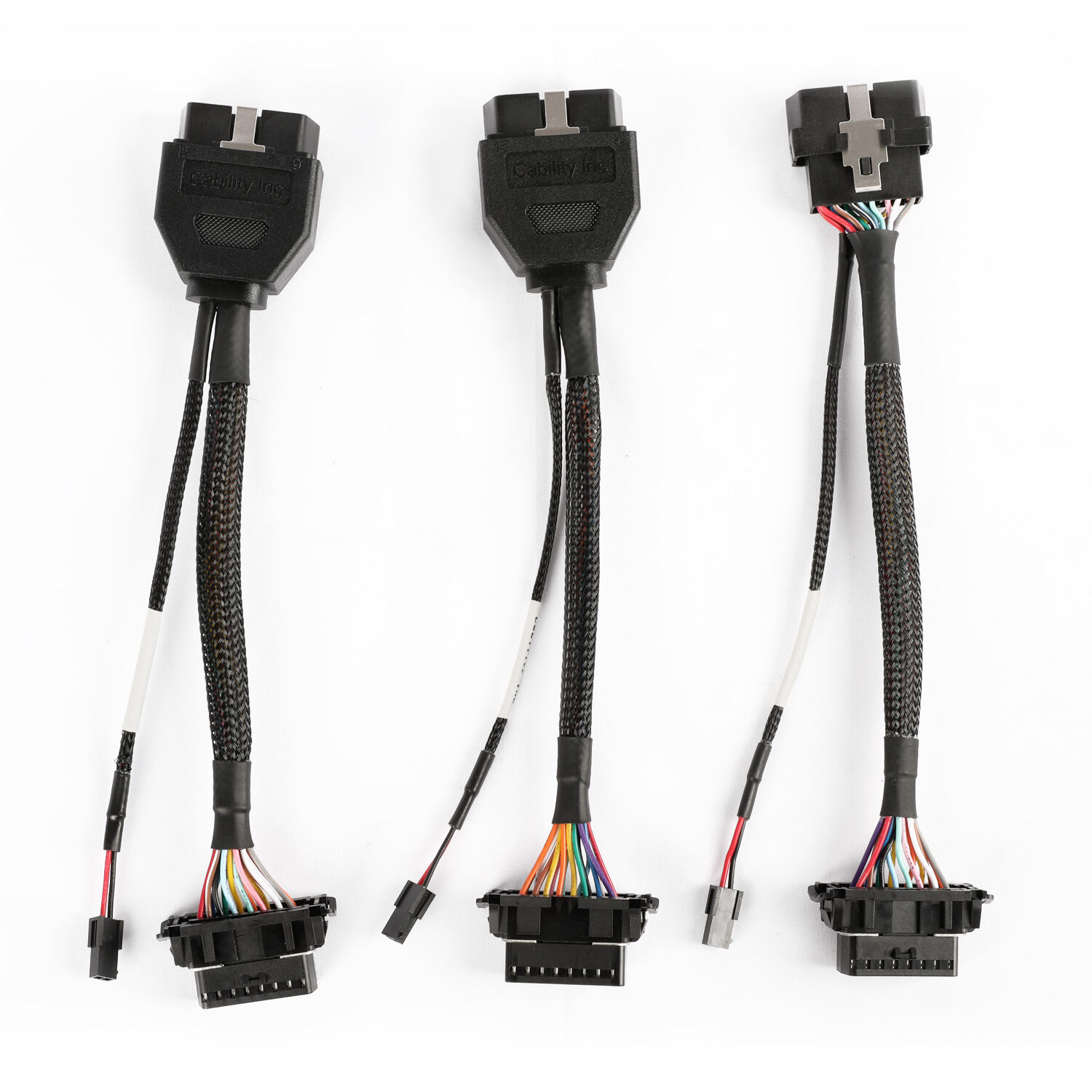
Изборът на правилния кабелен жгут за Tesla за съвместимост с датчиците на Autopilot изисква разбиране на сложните електрически връзки, които осигуряват напредналите функции за помощ при шофирането на Tesla. Кабелният жгут на Tesla служи като критичен канал за комуникация между различните датчици на Autopilot и централния процесорен блок на превозното средство, поради което правилният му избор е от съществено значение за поддържане на функционалността на системата и стандартите за безопасност.
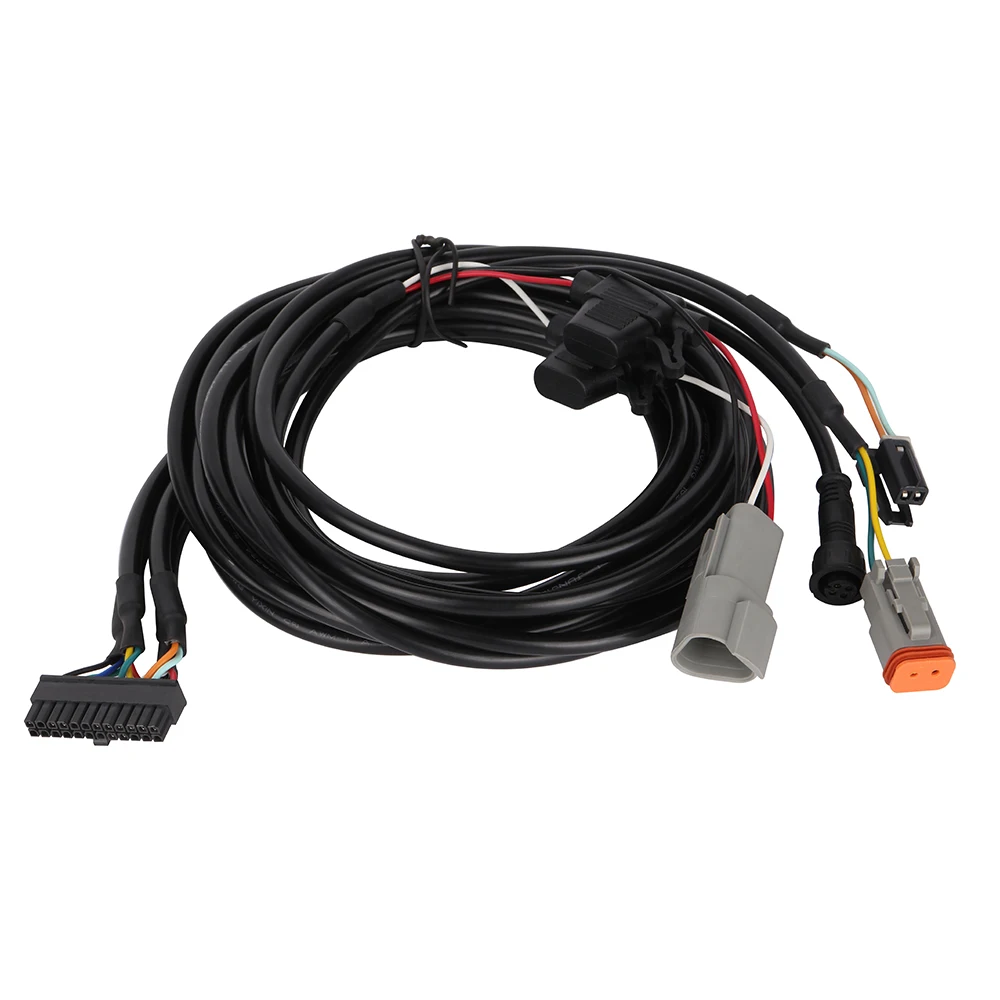
Сложността на системата Autopilot на Tesla изисква прецизни електрически спецификации и целост на сигнала по цялата мрежа от кабелни жгутове на Tesla. Всеки компонент-датчик — от камерите до радарните блокове и ултразвуковите сензори — разчита на специфични изисквания към напрежението, протоколите за предаване на данни и характеристиките на екраниране, които трябва да се запазят чрез кабелната инфраструктура. Разбирането на тези технически изисквания е основата за вземане на обосновано решение при избора на кабелен жгут.
Разбиране на изискванията към датчиците на Tesla Autopilot
Интеграция на системата за камери
Камерните системи за автопилот на Tesla изискват жична арматура на Tesla, която поддържа предаване на данни с висока скорост, като запазва цялостта на сигнала по множество канали. Групата от камерите, насочени напред, изисква прецизна регулация на напрежението и минимално електромагнитно въздействие, за да се осигури точна обработка на изображенията. Тези камери работят при специфични изисквания към захранването, които трябва да се доставят последователно чрез връзките на жичната арматура.
Странните и задните камери, интегрирани в системата за автопилот, имат всяка свои уникални спецификации за окабеляване, които влияят върху избора на жична арматура. Жичната арматура на Tesla трябва да поддържа различни скорости на предаване на данни и различни модели на консумация на енергия от отделните модули на камери. Синхронизирането на сигнала става критично, когато няколко камери работят едновременно, което изисква жични арматури, проектирани с подходящо разстояние между проводниците и характеристики на екраниране.
Температурните колебания и екологичните условия влияят върху работата на сензорите на камерата, поради което термичният мениджмънт е от решаващо значение при избора на кабелна система за Tesla. Материалите на кабелната система трябва да запазват постоянни електрически свойства в целия работен температурен диапазон на Tesla, като едновременно защитават чувствителните връзки на камерата от влага и замърсяващи вещества.
Съвместимост с радарни и ултразвукови сензори
Радарните сензори на Tesla работят на определени честоти, които изискват внимателно внимание при избора на кабелна система за Tesla, за да се предотврати интерференция на сигнала. Кабелната система трябва да осигурява подходяща екранирана защита, за да се запази цялостта на радарния сигнал, като същевременно поддържа точните импедансни характеристики, необходими за оптимална работа на сензорите. Правилните схеми за заземяване стават от съществено значение при интегрирането на радарните компоненти с други сензори на системата Autopilot.
Ултразвуковите сензори по цялото тяло на автомобилите Tesla разчитат на електропроводната система на Tesla, за да осигуряват постоянна подавана мощност и комуникационни сигнали за функцията за откриване на близост. Тези сензори работят на различни честоти в сравнение с радарните компоненти, което изисква проектиране на електропроводните системи, предотвратяващо взаимното помехово влияние между различните типове сензори. Разположението на проводниците трябва да отговаря на разпределения характер на монтажа на ултразвуковите сензори, като в същото време запазва качеството на сигнала.
Интеграцията на както радарни, така и ултразвукови сензори чрез единна електропроводна система на Tesla поражда предизвикателства при поддържането на сигнален изолация и предотвратяването на електромагнитни помехи. Правилното разположение на проводниците и използването на подходящи методи за екраниране стават критични, за да се гарантира, че всеки тип сензор функционира в рамките на зададените му параметри, без да влияе върху съседните компоненти.
Технически спецификации за избор на електропроводна система
Електрически характеристики и стандарти
Кабелната арматура на Tesla трябва да отговаря на специфични електрически стандарти, които регулират автомобилните приложения, особено онези, свързани с системи, критични за безопасността, като Autopilot. Номиналните напрежения, способността за пренасяне на ток и изискванията към съпротивлението на изолацията образуват базовите спецификации, които всяка съвместима арматура трябва да изпълнява. Тези електрически характеристики гарантират надеждна работа при различни условия на движение и въздействия от околната среда.
Изискванията за цялостност на сигнала за сензорите на Tesla Autopilot изискват прецизен контрол на импеданса по цялата мрежа от кабелна арматура на Tesla. Високочестотните сигнали с данни от камерите и сензорите изискват пътища с контролиран импеданс, за да се предотврати деградацията на сигнала и да се запази точността на времевите параметри. Конструкцията на арматурата трябва да осигурява както захранване, така и предаване на данни, без да компрометира нито една от двете функции.
Стандартите за електромагнитна съвместимост играят ключова роля при избора на кабелни жици за Tesla, тъй като сензорите на системата Autopilot трябва да функционират без намеса от други автомобилни системи. Кабелната жица трябва да осигурява подходящо екраниране и заземяване, за да отговаря на автомобилните изисквания за електромагнитна съвместимост (EMC), като в същото време запазва гъвкавостта си за монтаж и сервизни процедури.
Конектор Изисквания за съвместимост и интерфейс
Сензорите Autopilot на Tesla използват специфични типове конектори, които трябва да съответстват точно на избраната кабелна жица за Tesla, за да се гарантират надеждни връзки. Всеки интерфейс на конектор има уникална конфигурация на контакти, материали на контактите и изисквания за уплътняне, които влияят върху дългосрочната надеждност и експлоатационния живот. Проверката на съвместимостта става задължителна преди окончателния избор на кабелната жица.
Съчетаващите характеристики между сензорите и Мрежа от кабели за Tesla съединителите трябва да издържат многократни цикли на свързване по време на производството и сервизните операции. Спецификациите за контактно съпротивление, сили на вмъкване и сила на задържане гарантират, че връзките остават сигурни през целия експлоатационен живот на превозното средство.
Изискванията за екологично уплътняне на сензорните връзки на Tesla Autopilot оказват значително влияние върху избора на съединители за кабелната система на Tesla. Кабелната система трябва да осигурява подходяща защита срещу проникване на влага, прах и други замърсители, които биха могли да компрометират функционалността на сензорите. Правилното уплътняване също предотвратява корозията и запазва електрическата цялост в продължение на дълги периоди на експлоатация.
Материални съображения и околните фактори
Калибър на жицата и избор на проводник
Изборът на подходящи калибри на жиците в жилената система на Tesla изисква внимателен анализ на изискванията за ток за всеки компонент от сензорната система Autopilot. Веригите за разпределение на енергията трябва да издържат върховите токови натоварвания, като при това поддържат приемливи падове на напрежението по цялата дължина на жилената система. За сигнализационните вериги трябва да се вземе предвид характеристичното импедансно съпротивление и цялостността на сигнала, а не само способността им да пренасят ток.
Материалите на проводниците влияят както върху електрическата производителност, така и върху дългосрочната надеждност на жилената система на Tesla в автомобилните приложения. Медните проводници осигуряват отлична електропроводимост, но изискват подходяща защита срещу корозия в автомобилните среди. Алтернативните материали за проводници могат да предложат специфични предимства за определени приложения в рамките на сензорната мрежа Autopilot.
Физическото разположение на проводниците в кабелната система на Tesla влияе както върху електрическата производителност, така и върху механичната издръжливост. Правилното разположение на проводниците минимизира взаимното помехи между веригите, като осигурява достатъчна гъвкавост за сглобяването на превозното средство и достъп за поддръжка и сервиз. Техниките за формиране на кабелните снопове влияят върху общата производителност на кабелната система и изискванията за монтаж.
Изолационни материали и обвивки
Изолационните материали за кабелните системи на Tesla трябва да издържат на работната среда в автомобилната индустрия и да запазват своите електрически свойства през целия срок на експлоатация. Циклирането на температурата, химичното въздействие и механичното напрежение всички оказват влияние върху производителността на изолацията и критериите за избор на материали. Съвместимостта с автомобилни течности и почистващи препарати става важен фактор при проектирането.
Външната обвивка на кабелния жгут на Tesla осигурява механична защита и екологична запечатаност за вътрешните проводници. Изискванията за устойчивост срещу абразия, гъвкавост и самозагасване влияят върху избора на материала за обвивката в автомобилните приложения. Обвивката трябва също така да осигурява адекватна защита срещу ултравиолетово въздействие в приложения, при които кабелните жгутове могат да бъдат изложени на слънчева светлина.
Химическата съвместимост между различните материали в кабелния жгут на Tesla предотвратява деградацията и гарантира дългосрочна надеждност. Взаимодействието между материали може да повлияе върху електрическите свойства и механичната цялост с течение на времето, поради което правилният подбор на материали и изпитванията за съвместимост са от съществено значение за автомобилните приложения.
Съображения за инсталация и интеграция
Изисквания за трасиране и монтиране
Правилното трасиране на кабелната система на Tesla осигурява оптимална работа на сензорите за функцията Autopilot, като едновременно с това отговаря на изискванията за компактност на превозното средство. Пътят на кабелната система трябва да избягва източници на електромагнитни смущения и да осигурява достатъчен достъп за обслужване и ремонтни операции. Съображенията относно трасирането също влияят върху изискванията за дължина на кабелната система и разпределението на механичното напрежение.
Местата за монтиране и подпорните конструкции за кабелната система на Tesla трябва да осигуряват сигурно закрепване, без да създават концентрации на напрежение, които биха могли да доведат до умора на проводниците. Монтажната система трябва да компенсира термичното разширение и вибрациите на превозното средство, като запазва правилното положение на проводниците. Правилното разстояние между опорите предотвратява прекомерно огъване и удължава експлоатационния живот на кабелната система.
Интеграцията със съществуващите електрически инсталации на превозното средство изисква внимателно проучване на точките за връзка и изискванията към разклоненията на тесла-кабелната система. Кабелната система трябва да осигурява надеждни връзки към електрозахранващата и заземяващата системи на превозното средство, като в същото време поддържа изолация от потенциални източници на смущения. Правилната интеграция гарантира безпроблемна работа заедно с другите системи на превозното средство.
Достъп за обслужване и поддръжка
Достъпността за обслужване и диагностични процедури значително влияе върху конструкцията и изискванията за монтаж на тесла-кабелната система. Кабелната система трябва да осигурява достатъчен достъп до тестови точки и интерфейси за връзка, без да се налага обширно демонтиране на компонентите на превозното средство. Документацията за обслужване и идентификацията на конекторите стават важни фактори за поддържане на функционалността на системата Autopilot.
Диагностичните възможности, вградени в кабелната арматура на Tesla, осигуряват ефективно отстраняване на неизправности в сензорите на системата Autopilot по време на сервизни операции. Конструкцията на арматурата трябва да позволява връзка с диагностично оборудване и да осигурява ясна идентификация на функциите на отделните вериги. Правилното маркиране и документация подпомагат ефективните сервизни процедури и намаляват времето за диагностика.
Процедурите за замяна на компонентите на кабелната арматура на Tesla трябва да вземат предвид влиянието върху калибрацията на сензорите на Autopilot и функционалността на системата. Конструкцията на арматурата трябва да минимизира необходимостта от повторна калибрация на сензорите след сервизни операции, като при това предоставя ясни инструкции за всички необходими корекции. Ефективността на сервизните работи зависи от правилната конструкция и практиките за инсталиране на арматурата.
Протоколи за осигуряване на качеството и тестване
Електрически изпитания и валидация
Комплексното електрическо тестване гарантира, че избраният кабелен жгут за Tesla отговаря на всички изисквания за производителност при приложенията на сензорите за Autopilot. Тестването трябва да потвърждава непрекъснатостта, съпротивлението на изолацията и характеристиките на сигнала под различни климатични условия. Правилното тестване потвърждава производителността на кабелния жгут преди монтажа и по време на сервизните интервали.
Тестването на цялостността на сигнала за кабелните жгутове на Tesla изисква специализирано оборудване и процедури, за да се проверят характеристиките на високочестотната производителност. Рефлектометрията във временна област и анализа в честотна област предоставят подробна информация за разпространението на сигнала и импедансните характеристики. Тези методи за тестване осигуряват оптимална производителност на комуникациите между сензорите за Autopilot.
Тестовете за стресови екологични условия потвърждават производителността на кабелните съединители на Tesla при автомобилни експлоатационни условия, включително циклиране на температурата, вибрации и излагане на влажност. Тестовете за ускорено стареене осигуряват увереност в дългосрочната надеждност и помагат за идентифициране на потенциални режими на отказ преди те да повлияят на работата на превозното средство. Правилното валидиране чрез тестване гарантира последователна производителност на системата Autopilot.
Процедури за проверка на съвместимостта
Системната проверка на съвместимостта гарантира, че кабелният съединител на Tesla правилно взаимодейства с всички сензорни компоненти на Autopilot, без да създава проблеми с производителността. Функционалното тестване при различни експлоатационни условия потвърждава правилната работа на сензорите и интеграцията на системата. Тестването за съвместимост трябва да обхваща както производителността на отделните сензори, така и функционалността на цялата система.
Тестовете за електромагнитна съвместимост потвърждават, че кабелната система на Tesla не създава и не понася смущения от други системи на превозното средство. Протоколите за тестове на електромагнитната съвместимост гарантират, че сензорите на Autopilot функционират правилно в присъствието на други електронни системи, без да засягат радиоприема или друго чувствително оборудване. Правилната верификация на електромагнитната съвместимост предотвратява експлоатационни проблеми и проблеми със съответствието на регулаторните изисквания.
Оценката на дългосрочната съвместимост оценява производителността на кабелната система на Tesla в продължение на продължителни периоди на експлоатация, за да се идентифицират потенциалните начини на деградация. Тестовете за надеждност осигуряват увереност, че кабелната система ще запази правилното функциониране на сензорите на Autopilot през целия експлоатационен живот на превозното средство. Правилните процедури за валидиране гарантират последователна производителност на системата и задоволство на клиентите.
Често задавани въпроси
На какви напрежения трябва да отговаря кабелната система на Tesla за сензорите на Autopilot?
Сензорите за Tesla Autopilot обикновено работят на 12 V от бордовото захранване с конкретни изисквания към тока, които се различават в зависимост от типа сензор. Кабелната система на Tesla трябва да осигурява стабилно напрежение с минимално падане на напрежението по дължината на кабелната система. Камерните сензори може да изискват допълнителни вериги за регулиране на напрежението, интегрирани в конструкцията на кабелната система, за да се гарантира последователна производителност при променящи се натоварвания.
Как изборът на калибър на жицата влияе върху производителността на сензорите за Autopilot?
Изборът на калибър на жицата в кабелната система на Tesla директно влияе върху стабилността на напрежението и цялостността на сигнала за сензорите на Autopilot. Електрозахранващите вериги изискват подходящ калибър, за да издържат токовите натоварвания без прекомерно падане на напрежението, докато сигнализиращите вериги изискват правилен калибър, за да запазят характеристичното си съпротивление. Недостатъчно дебелите проводници могат да предизвикат неизправности на сензорите и системни грешки, поради което правилният избор на калибър е критичен за надеждна работа.
Могат ли кабелните системи за Tesla от трети страни да осигурят същата производителност като оригиналните компоненти (OEM)?
Качествените вторични Tesla кабелни снопове могат да осигурят еквивалентна производителност на оригиналните части (OEM), когато са правилно проектирани и произведени според същите технически спецификации. Ключовите фактори включват изпълнение на електрическите изисквания, използване на съвместими материали и запазване на правилните интерфейси на съединителите. Въпреки това, при използването на неоригинални кабелни снопове за приложенията на сензорите на системата Autopilot става задължително верифицирането на съвместимостта и производителността чрез надлежно тестване.
Какви екологични фактори влияят върху избора на кабелни снопове за Tesla за сензорите на системата Autopilot?
Екологичните фактори, включващи екстремни температури, влаговъздействие, химично замърсяване и механични вибрации, всички оказват влияние върху избора на кабелни снопове за Tesla за сензорите на системата Autopilot. Материалите на кабелния сноп трябва да издържат на работните условия в автомобилната среда, като запазват електрическите си свойства и механичната си цялост. Подходящата екологична защита гарантира надеждна работа на сензорите на системата Autopilot през целия срок на експлоатация на превозното средство и предотвратява преждевременно повреждане на кабелния сноп.
Съдържание
- Разбиране на изискванията към датчиците на Tesla Autopilot
- Технически спецификации за избор на електропроводна система
- Материални съображения и околните фактори
- Съображения за инсталация и интеграция
- Протоколи за осигуряване на качеството и тестване
-
Често задавани въпроси
- На какви напрежения трябва да отговаря кабелната система на Tesla за сензорите на Autopilot?
- Как изборът на калибър на жицата влияе върху производителността на сензорите за Autopilot?
- Могат ли кабелните системи за Tesla от трети страни да осигурят същата производителност като оригиналните компоненти (OEM)?
- Какви екологични фактори влияят върху избора на кабелни снопове за Tesla за сензорите на системата Autopilot?